Alina Vrânceanu
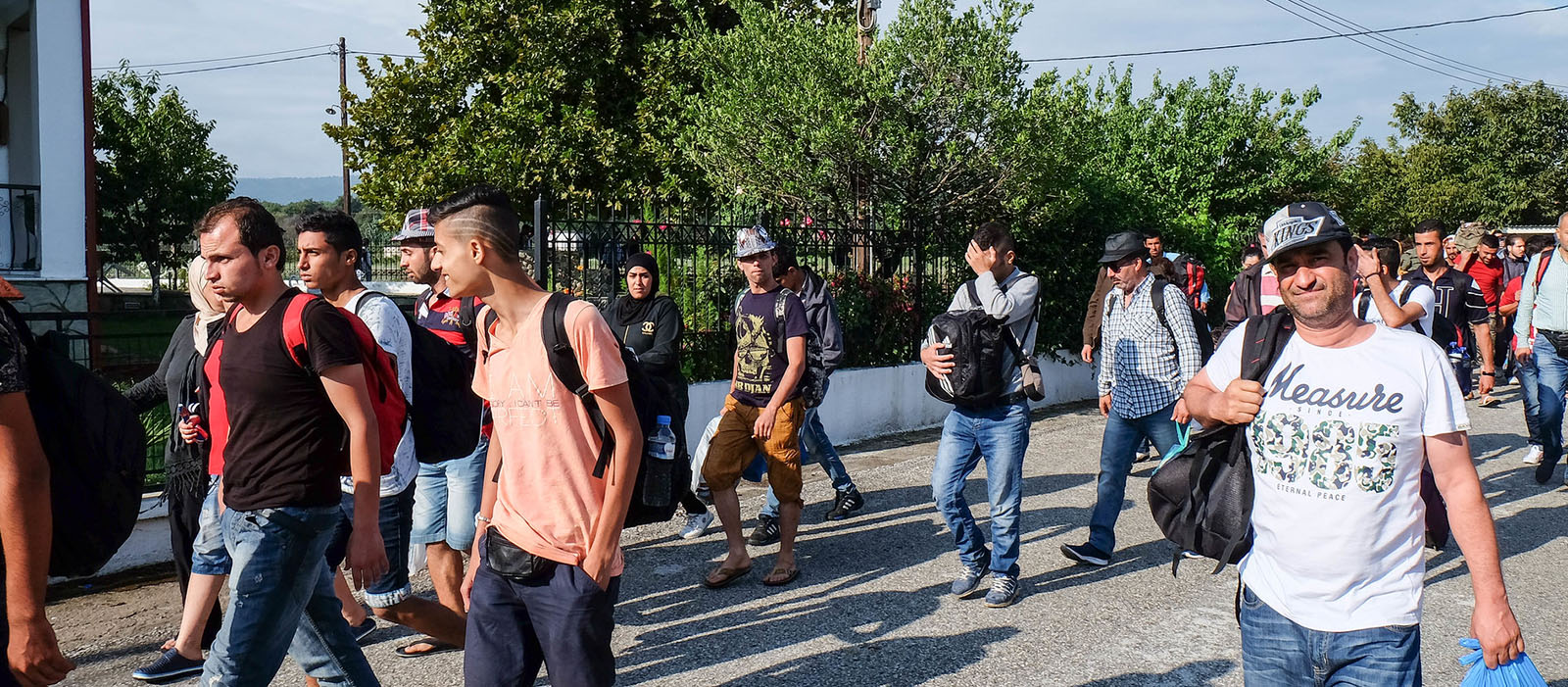
Social policies shape public opinions on immigration. A study by Alina Vrânceanu and Bilyana Petrova shows that in Western Europe, generous welfare systems – perhaps counterintuitively – make natives more favourably inclined toward immigrants. Cutting benefits risks exacerbating anti-immigrant sentiment. These research findings have important implications for social conflict in modern capitalist democracies Read more
Ümit Seven
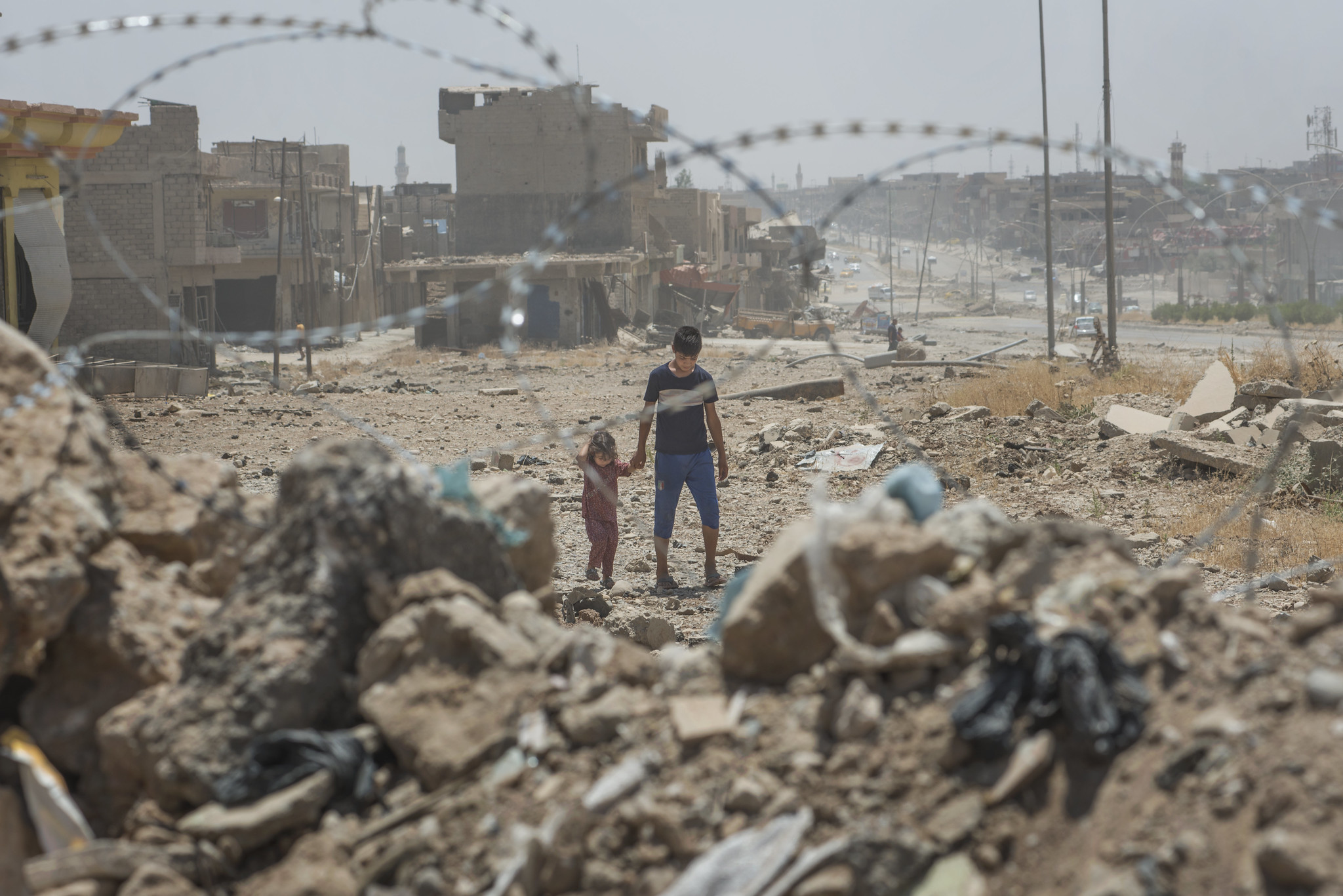
Syrian refugees face multiple challenges in returning to their homeland. The threat of violence may have ended, but the destruction of infrastructure, along with social and economic instability, make return unlikely. Ümit Seven shows how prolonged displacement has led many Syrians to rebuild their lives elsewhere. Many, he argues, have created a 'pragmatic home' in host countries Read more
Franziska Maier
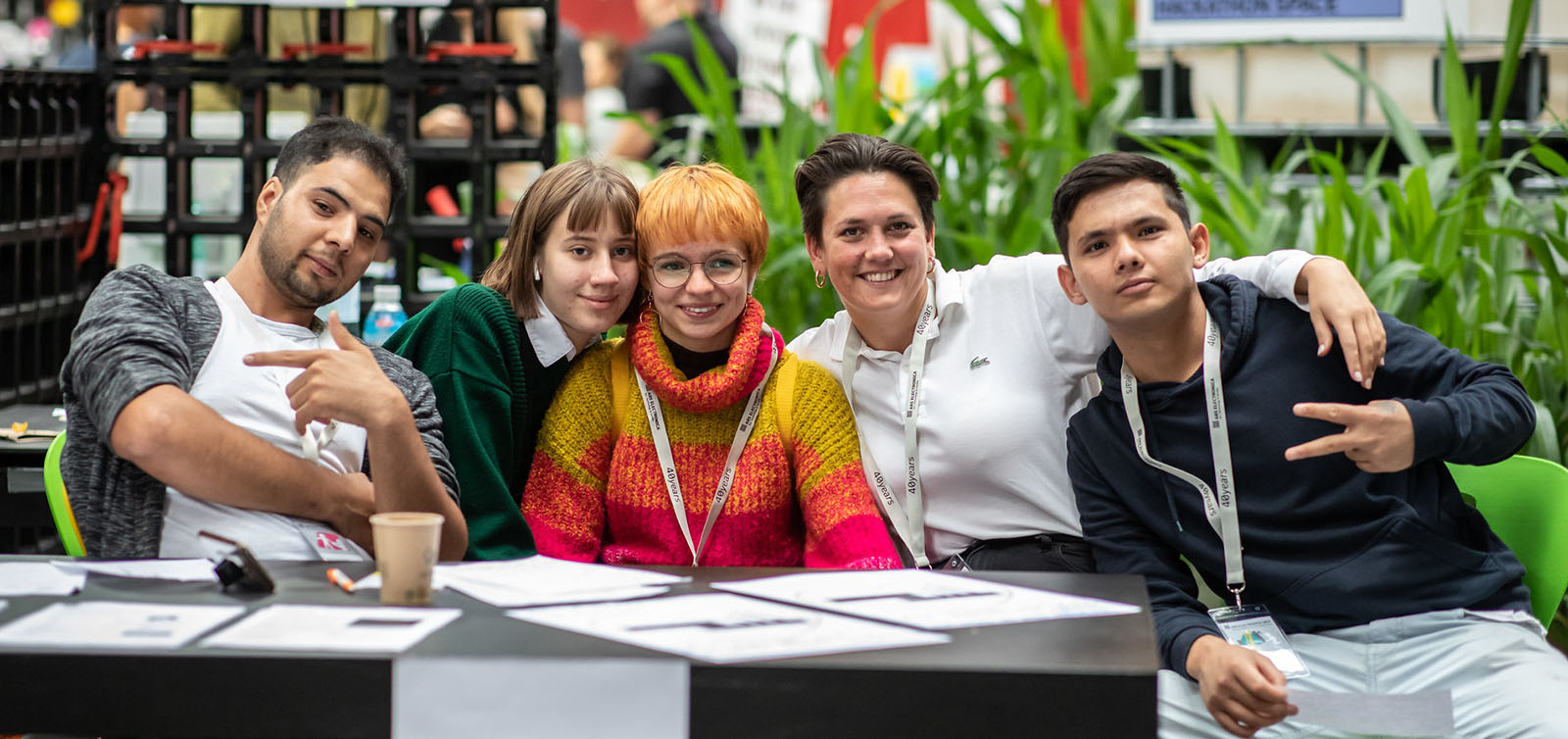
Citizenship is a contested and multifaceted concept. Yet despite their differences, all German citizens see citizenship as something more than just a legal status. Franziska Maier finds that common to all German citizens is a desire for connectivity Read more
Markus Wagner
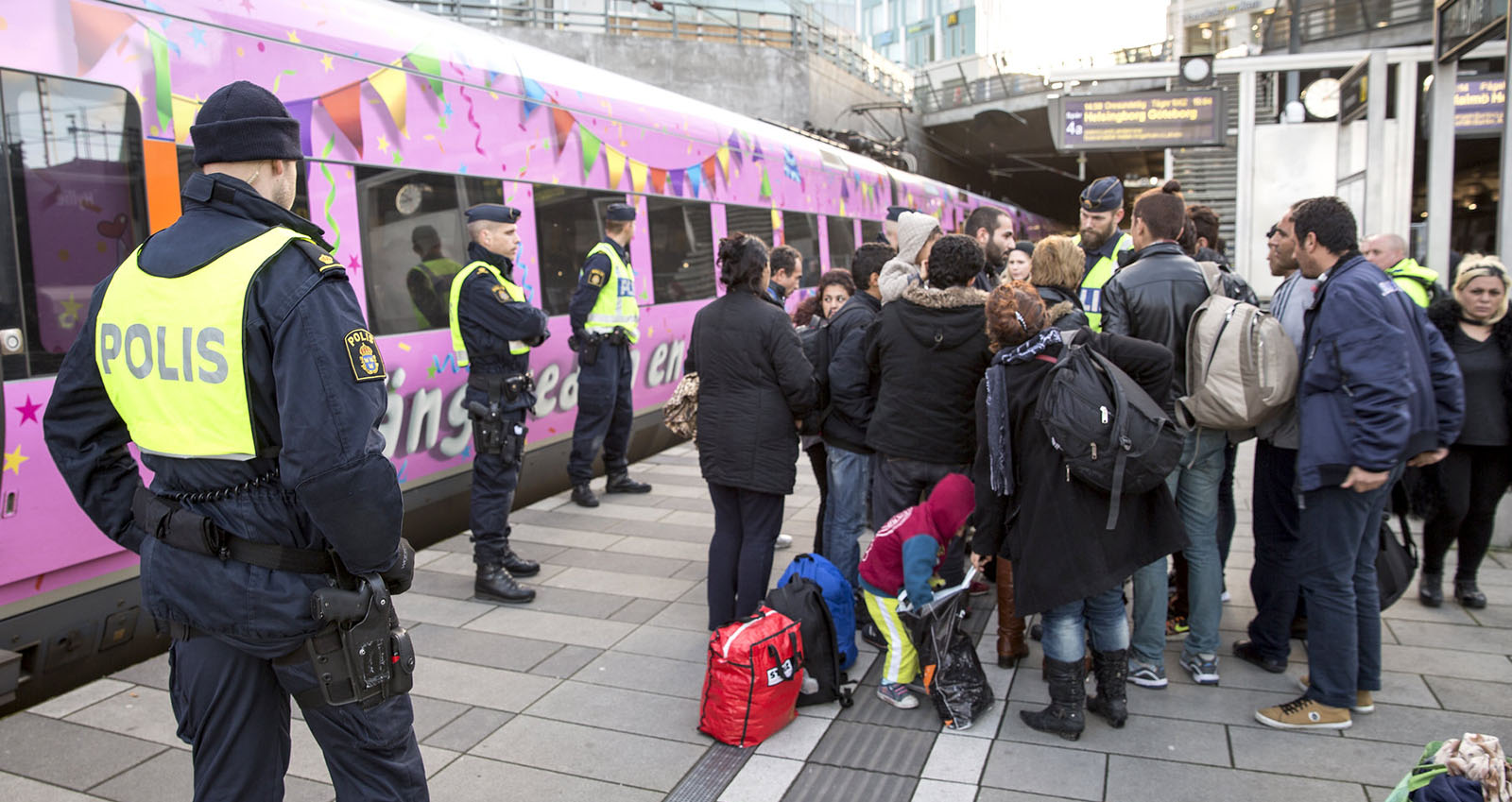
In 2015, Austria took in almost 90,000 asylum seekers – the third-highest number in Europe that year. The government housed asylum seekers in areas with little experience in welcoming refugees. These areas subsequently saw a backlash against refugees in particular, and immigrants and Muslims in general, write Markus Wagner and Lukas Rudolph Read more
Chiara Maritato
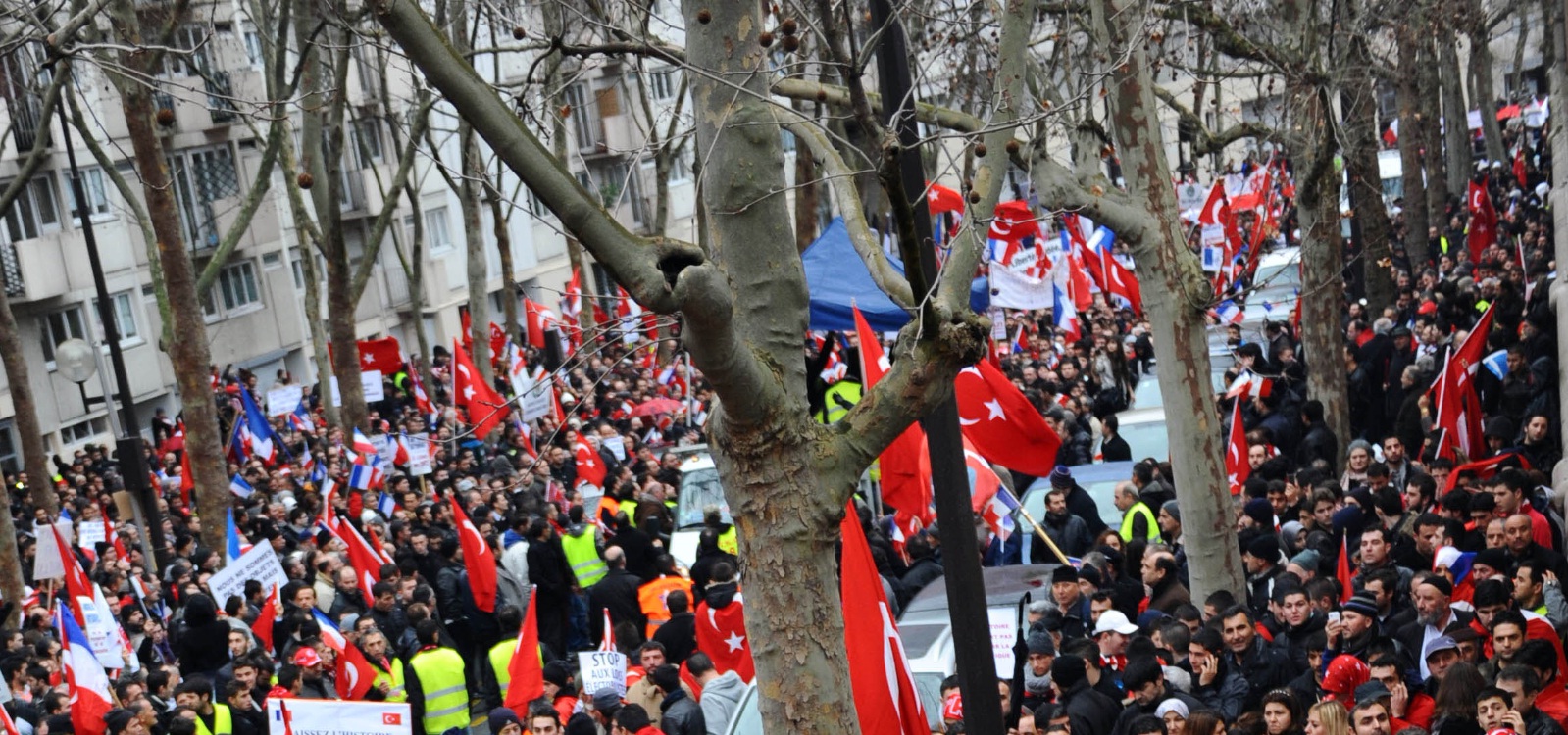
Turkey is upping its game in terms of exercising ‘pastoral power’ over its diaspora communities abroad, aiming to turn them into loyal and disciplined subjects who accept the government’s nationalist discourse, writes Chiara Maritato Read more
Verena Wisthaler
Regions and cities worldwide are increasingly engaging in immigrant integration policy making, challenging or complementing central and federal governments’ policies, and turning immigrants into citizens, writes Verena Wisthaler Read more
The Loop
Cutting-edge analysis showcasing the work of the political science discipline at its best.
We use necessary cookies to make our site work. We'd also like to set analytics cookies that help us make improvements by measuring how you use the site. These will be set only if you accept.
▼
Strictly Necessary Cookies
Necessary cookies enable core functionality such as security, network management, and accessibility. You may disable these by changing your browser settings, but this may affect how the website functions.
▼
Analytics Cookies
Google Analytics
We'd like to set Google Analytics cookies to help us improve our website by collecting and reporting information on how you use it. The cookies collect information in a way that does not directly identify anyone. For more information on how these cookies work please see our Privacy Notice.