Marco Improta
Who benefits from feminism, and who loses from it? Marco Improta and Elisabetta Mannoni reveal an ideological gap between young men and women across Europe. This gap – strong in the UK, but absent in Norway – may relate to perceptions of the 'winners and losers' of feminism Read more
Sterre Van Buuren
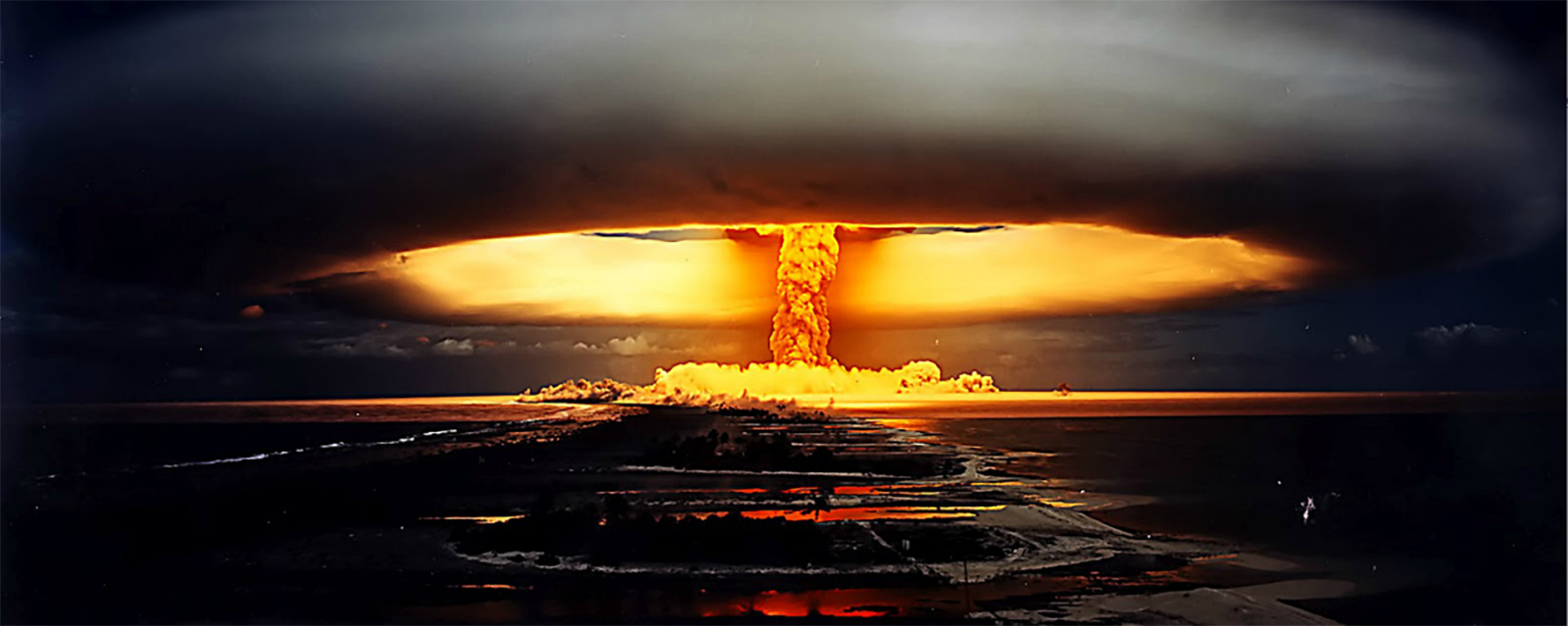
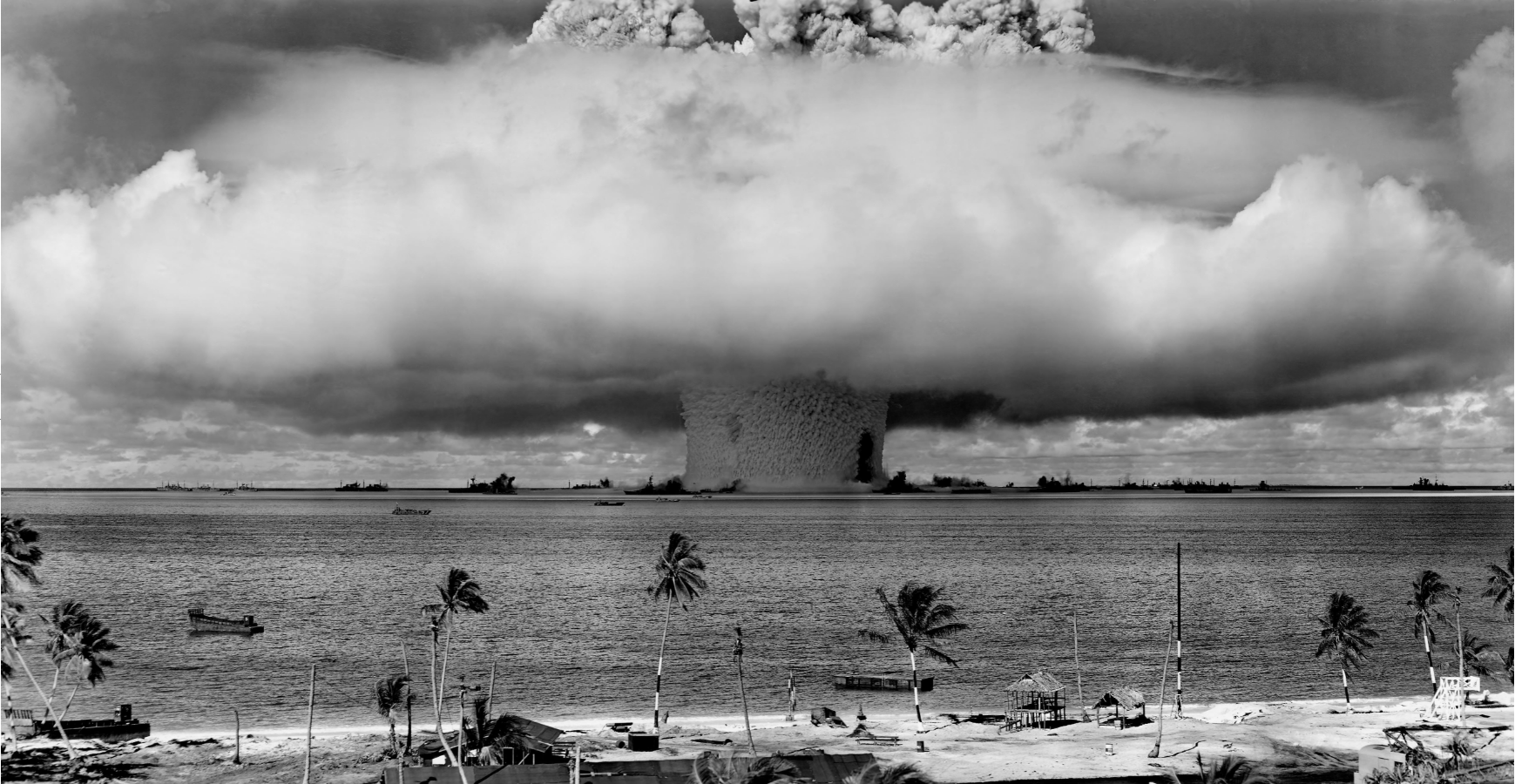
Nuclear weapons come with a hidden cost: they erode democracy. In every nuclear state, secrecy, executive powers and stifled debate cut the public off from their government’s nuclear decision-making. Sterre van Buuren explains why this is – and why citizens must still push for more accountability Read more
Linde Desmaele
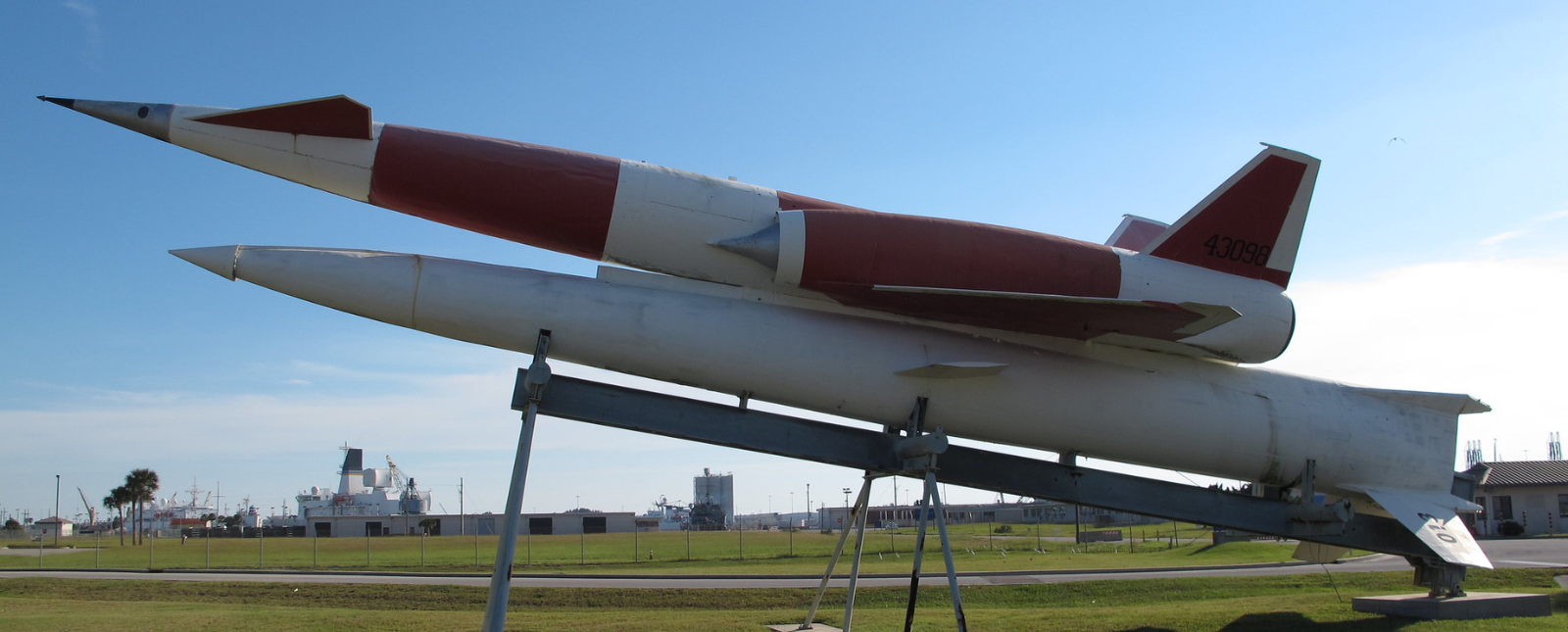
Cold War-era nuclear thinking can help explain how today’s challenges emerged. But Linde Desmaele warns that uncritical reliance on such thinking leads to misguided policies. Outdated frameworks can distort our understanding of how nuclear weapons are classified, how Russian intent is interpreted, what counts as success, and which actors will shape Europe’s nuclear future Read more
Ugur Tekiner
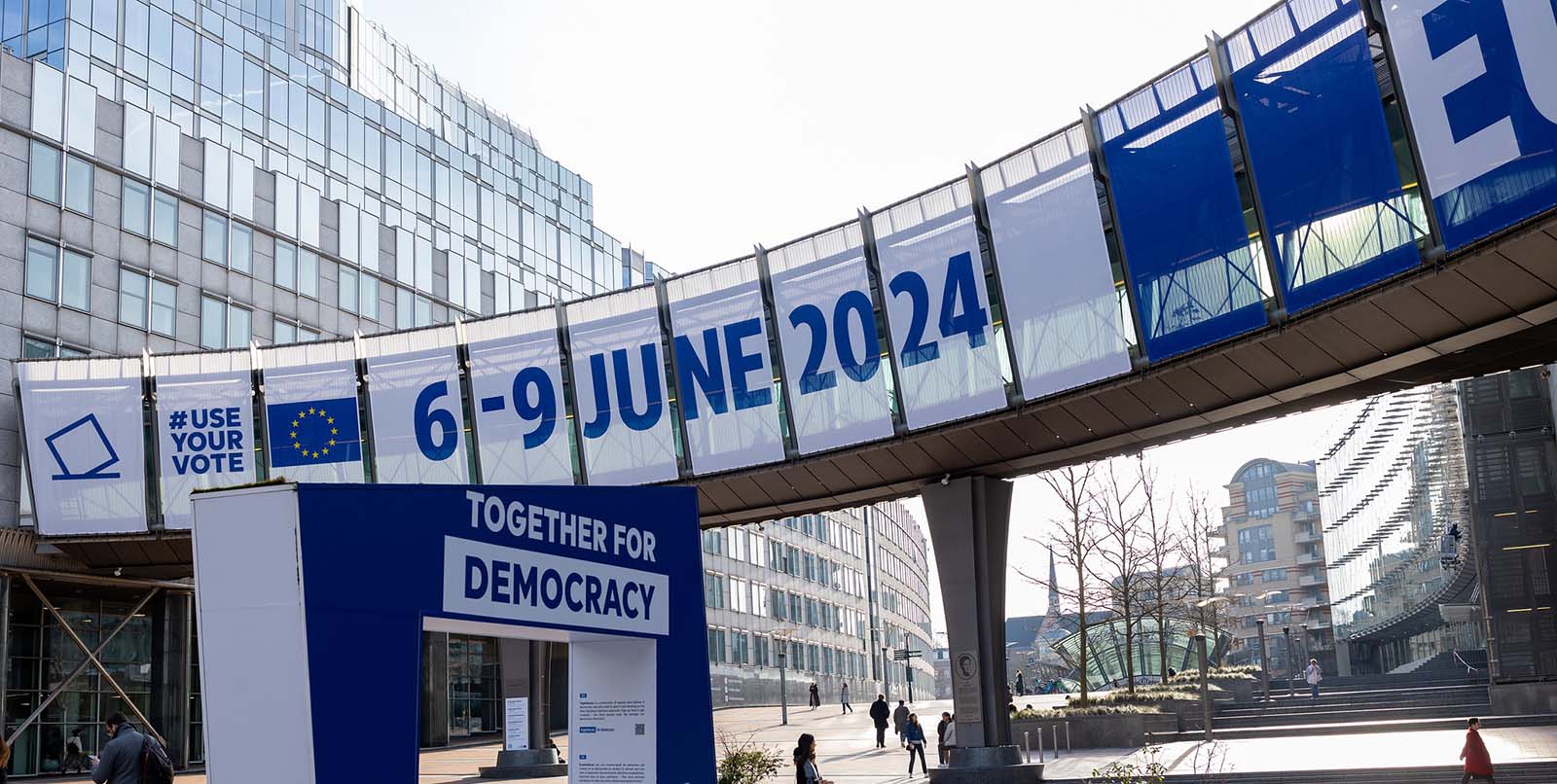
European elections are traditionally seen as less significant than national elections. But Ugur Tekiner argues that the recent challenges facing the EU force us to rethink this classification. Recent European elections accurately reflect the national political mood in Member States, and reveal the growing polarisation around Europe Read more
Federico Taddei
Linguistic precision matters, but the term 'hard right' isn’t the real threat to clarity. Federico Taddei argues that the real problem lies in how journalists and scholars misuse or oversimplify the categories political science has worked long and hard to define Read more
Cecilia Gustavsson
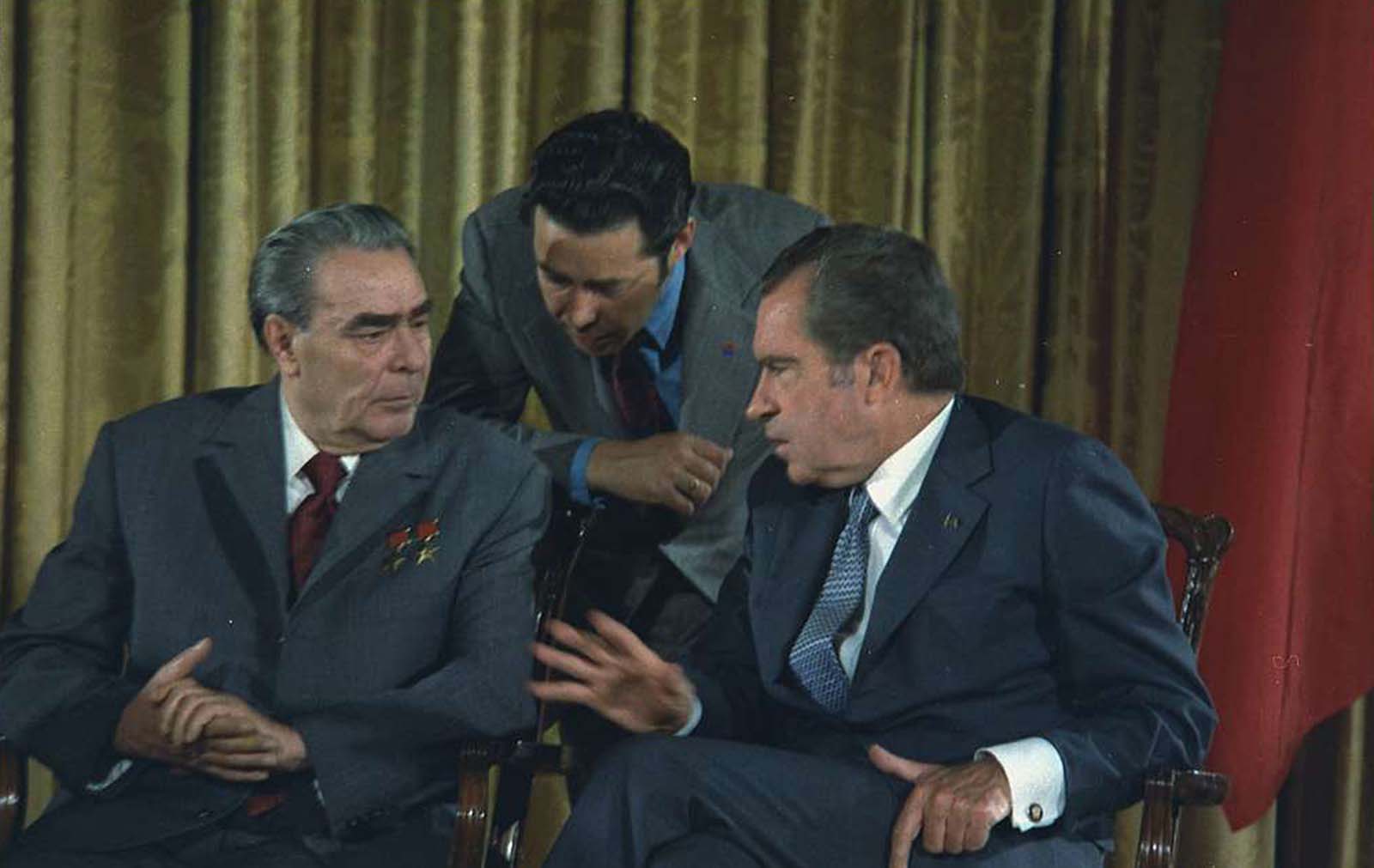
The core principles of the Treaty on the Non-Proliferation of Nuclear Weapons (NPT) are to prevent a the development and acquisition of nuclear weapons, and to reach complete disarmament. But, argues Cecilia Gustavsson, without improved transparency and independent verification mechanisms, the NPT could, paradoxically, accelerate a new nuclear arms race Read more
July Decarpentrie
Think Paris agrees on how to handle its nuclear weapons? You are mistaken. July Decarpentrie examines French nuclear strategic debate from 1972 to the present. She argues that what appears to be a continuous doctrine is in fact shaped by ongoing debates to ensure its relevance over time and across changing geopolitical contexts Read more
Leila Hennaoui
Leila Hennaoui examines the historical legacies of nuclear colonialism, the leadership of the Global South in reimagining nuclear governance, and the transformative shift represented by the Treaty on the Prohibition of Nuclear Weapons Read more
We use necessary cookies to make our site work. We'd also like to set analytics cookies that help us make improvements by measuring how you use the site. These will be set only if you accept.
▼
Strictly Necessary Cookies
Necessary cookies enable core functionality such as security, network management, and accessibility. You may disable these by changing your browser settings, but this may affect how the website functions.
▼
Analytics Cookies
Google Analytics
We'd like to set Google Analytics cookies to help us improve our website by collecting and reporting information on how you use it. The cookies collect information in a way that does not directly identify anyone. For more information on how these cookies work please see our Privacy Notice.