Haktan Ural
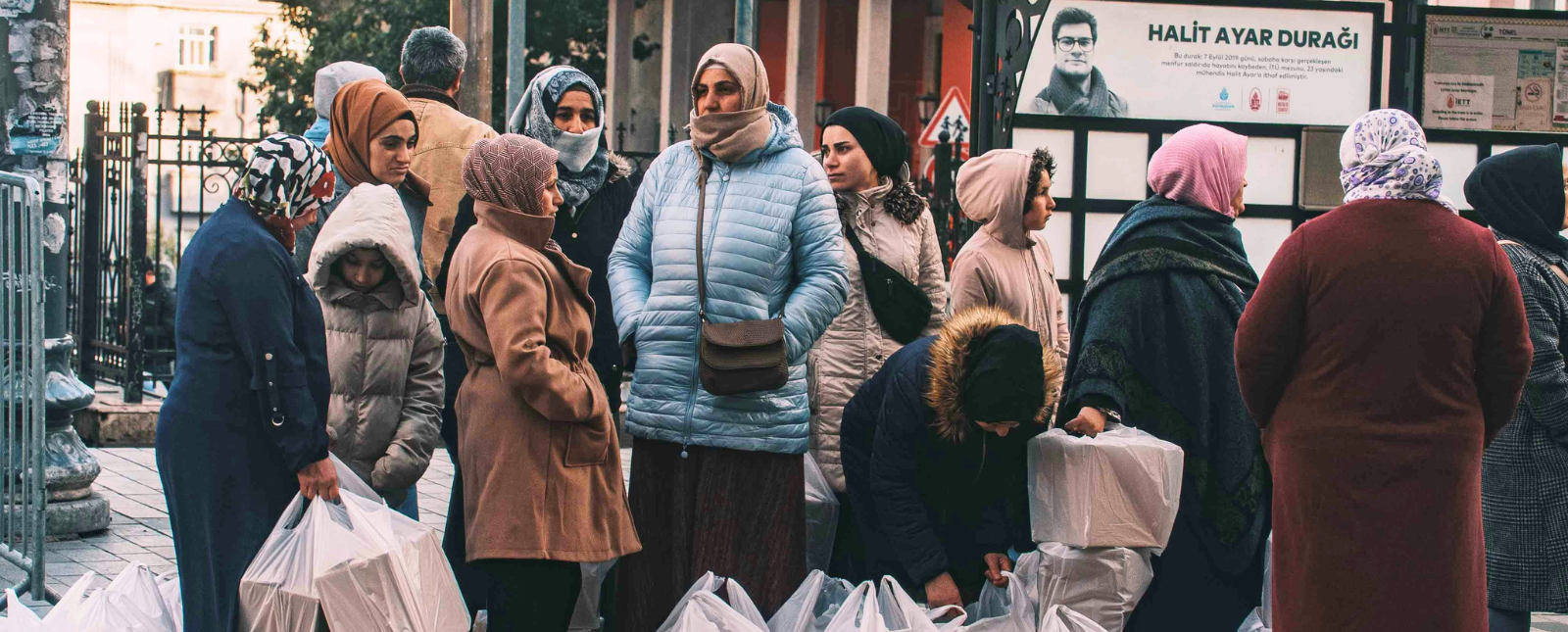
Haktan Ural draws on social media posts from Türkiye's anti-alimony campaigns to show how a currency crash and years of economic insecurity fuelled rage against gender equality. When progressive politics failed to answer economic pain, anti-gender movements stepped in Read more
Marta Kołczyńska
Political trust can shape the trajectory of democracy writes Marta Kołczyńska, but its effects are conditional, uneven, and increases in trust may sometimes even be conducive to democratic decline rather than renewal Read more
Ugur Tekiner
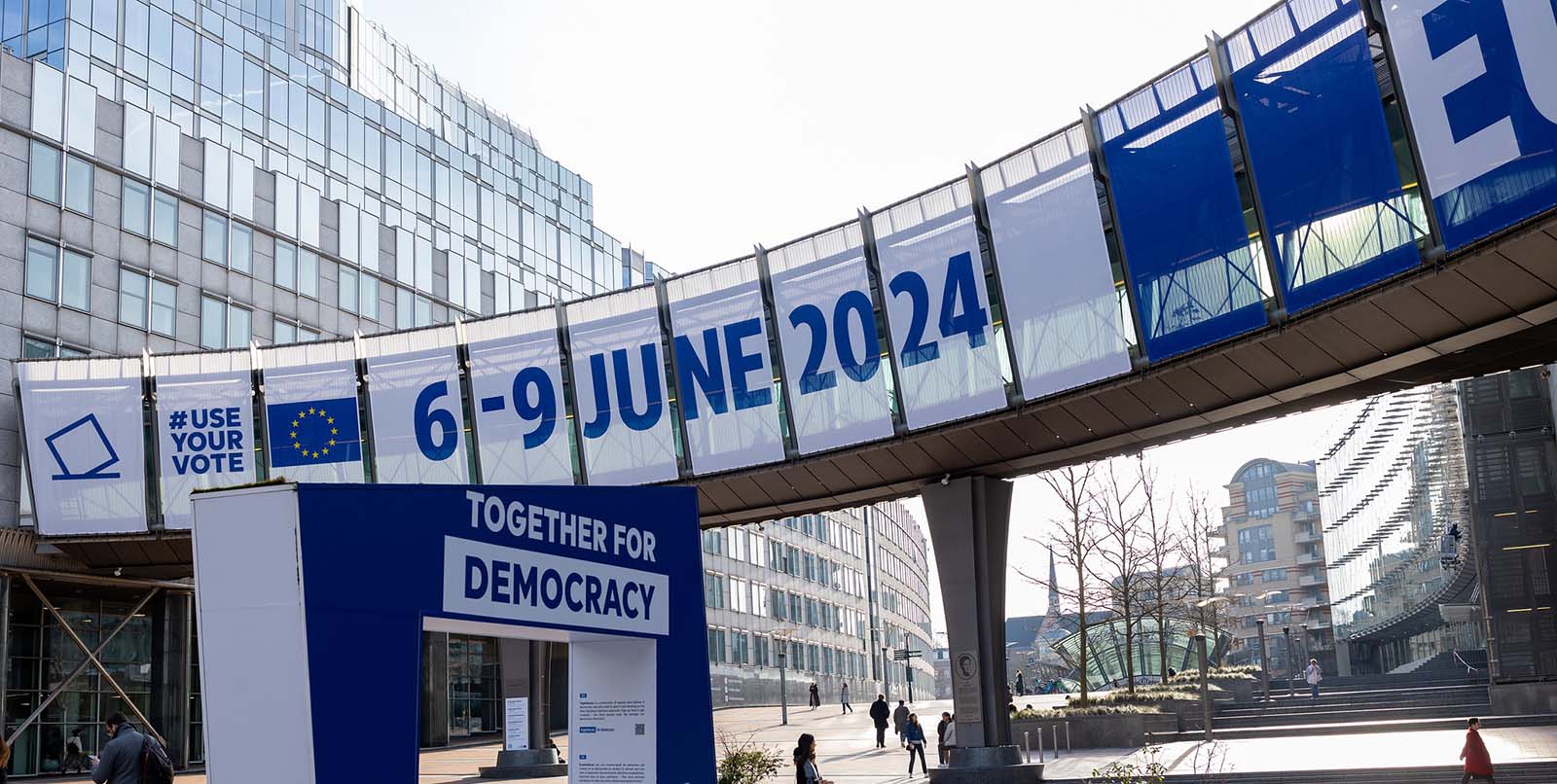
European elections are traditionally seen as less significant than national elections. But Ugur Tekiner argues that the recent challenges facing the EU force us to rethink this classification. Recent European elections accurately reflect the national political mood in Member States, and reveal the growing polarisation around Europe Read more
Lucia Quaglia
Over recent decades, central banks have gained new powers. Nowadays, they are involved in areas as diverse as the greening of the economy and in digital finance. But is it a problem, wonder Lucia Quaglia and Amy Verdun, that despite their broader role, central banks remain independent from politicians? Read more
Emilija Tudzarovska
The EU economic crisis revealed a clash between the EU and national authorities. This clash is, however, only one part of the story. Events in Greece, Italy, Bulgaria and Slovenia, writes Emilija Tudzarovska, also revealed a crisis of party politics. This crisis has triggered appeals to populism and technocracy – technopopulism – which weakens yet further the institutionalisation of politics Read more
Alexandros Kyriakidis
Alexandros Kyriakidis argues that the era of political and financial crisis in Greece that spanned a decade seems to be coming to a close with the recent elections. This is demonstrated most vividly by the decline of SYRIZA, the party most closely associated with the anti-financial programme agenda Read more
Catherine Moury
Catherine Moury, Stella Ladi, Daniel Cardoso and Angie Gago argue that bailed-out governments during the Eurozone crisis exercised more leverage than assumed. Despite international market pressure and creditors’ conditionality, bailed-out governments were able to advocate, resist, shape or roll back some of the policies demanded by the EU’s Troika Read more
Damian Raess
Surprisingly, left governments adopted more conservative fiscal policies than right governments in recent economic crises. Governments did not choose these policies freely; rather, the financial markets imposed them. Nonetheless, argues Damian Raess, they appear to have dire electoral consequences: left-leaning voters are increasingly voting with their feet Read more
We use necessary cookies to make our site work. We'd also like to set analytics cookies that help us make improvements by measuring how you use the site. These will be set only if you accept.
▼
Strictly Necessary Cookies
Necessary cookies enable core functionality such as security, network management, and accessibility. You may disable these by changing your browser settings, but this may affect how the website functions.
▼
Analytics Cookies
Google Analytics
We'd like to set Google Analytics cookies to help us improve our website by collecting and reporting information on how you use it. The cookies collect information in a way that does not directly identify anyone. For more information on how these cookies work please see our Privacy Notice.