Marius Ghincea
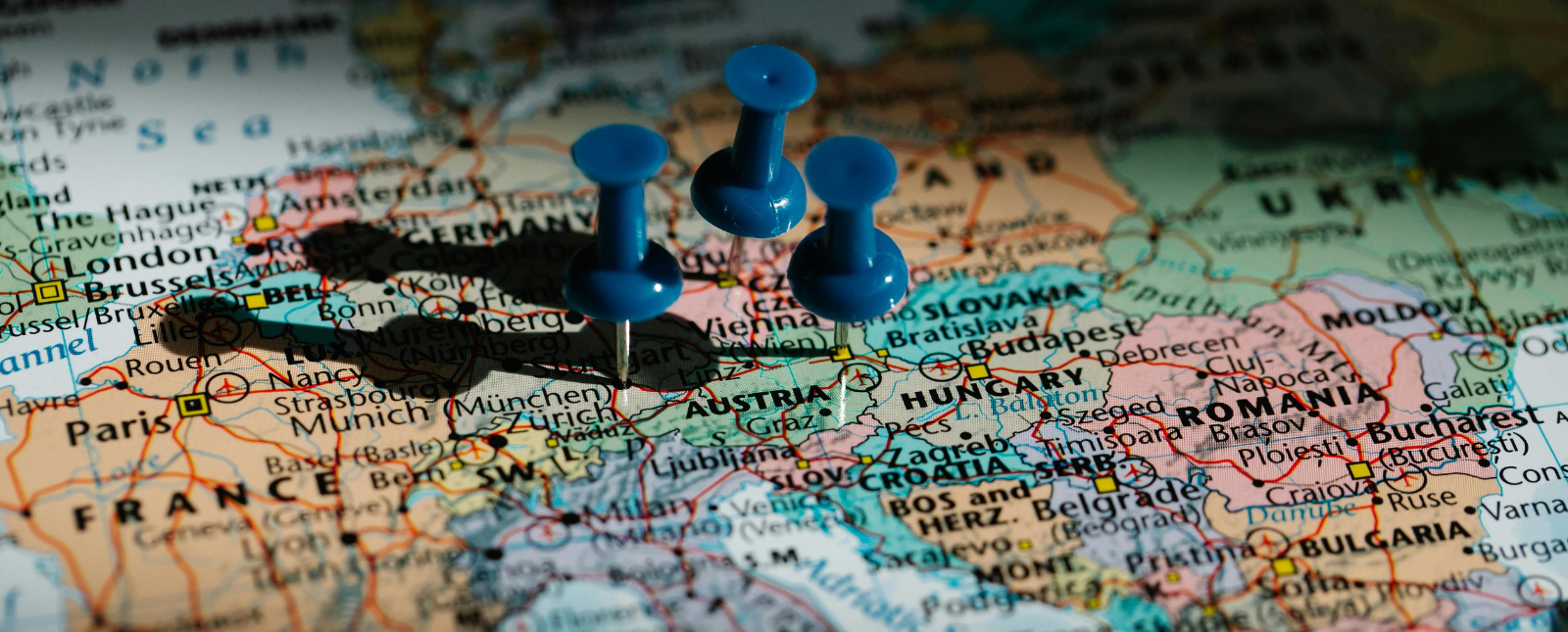
What motivates EU enlargement? Marius Ghincea and Laurențiu Pleșca argue that the Union’s approach has evolved through three overlapping logics — transformation, stabilisation, and demarcation. By unpacking how these priorities have shifted over time, they offer a more nuanced understanding of enlargement in a changing geopolitical context Read more
Veronica Anghel
Veronica Anghel and Erik Jones redefine the EU as a (selective membership) system of common resource pools, arguing this is the only way to understand its transformation under the pressure to enlarge. Enlargement means less exclusivity, so the key is to understand how the ‘goods’ that it provides are affected Read more
Stefano Braghiroli
Traditionally, Nordic and Baltic elites hold divergent views on migration. Despite this, they have presented a united front in their response to recent border crises with Belarus and Russia, write Stefano Braghiroli and Sandra Hagelin Read more
George Kordas
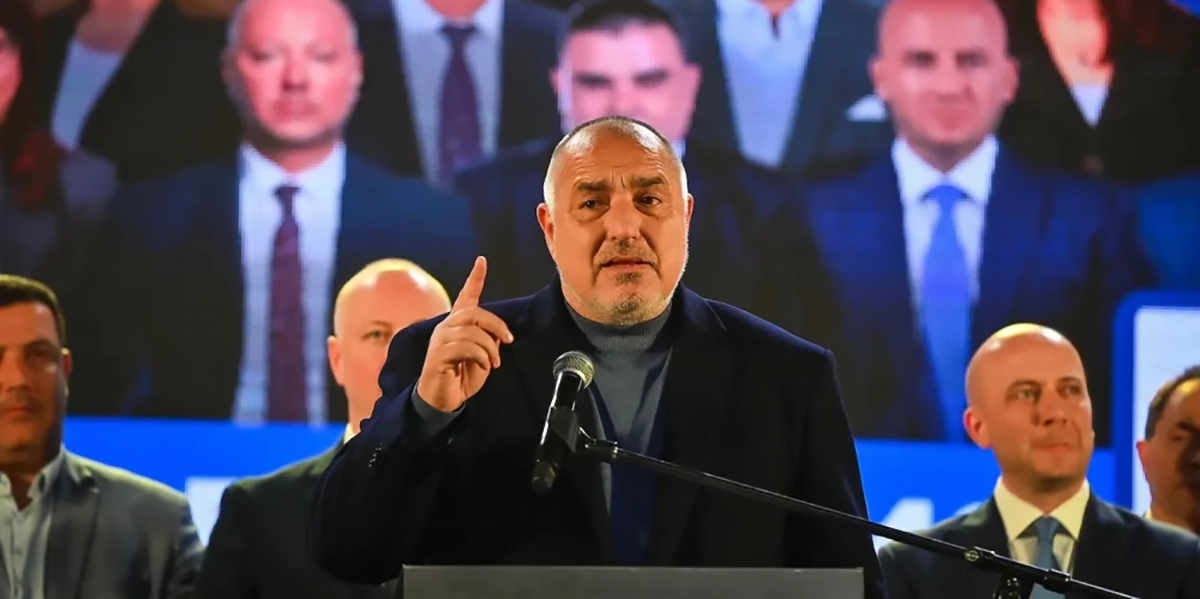
George Kordas argues that repeat elections can benefit democracy if democratic mechanisms function effectively, giving voice to people frustrated with the current system. But when, as in Bulgaria, elections produce paralysis, and old powers continue in office, this compromises citizens’ belief in democracy Read more
Vassilis Petsinis
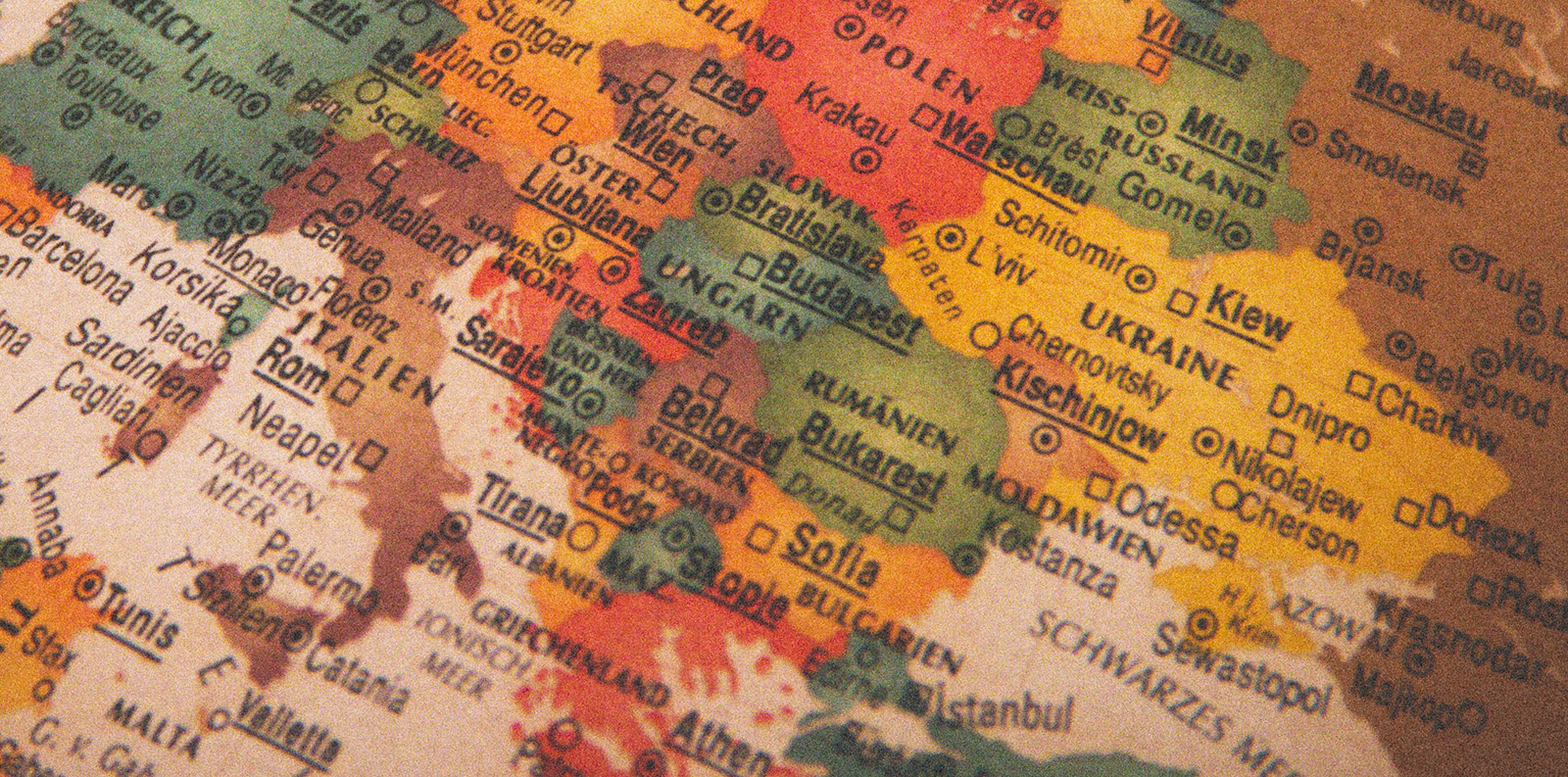
Euroscepticism manifests itself in different ways in the Balkans. Why? Vassilis Petsinis argues that grasping the differences between attitudes in different Balkan nations helps explain Serbia’s long and complex EU accession process Read more
The Loop
Cutting-edge analysis showcasing the work of the political science discipline at its best.
We use necessary cookies to make our site work. We'd also like to set analytics cookies that help us make improvements by measuring how you use the site. These will be set only if you accept.
▼
Strictly Necessary Cookies
Necessary cookies enable core functionality such as security, network management, and accessibility. You may disable these by changing your browser settings, but this may affect how the website functions.
▼
Analytics Cookies
Google Analytics
We'd like to set Google Analytics cookies to help us improve our website by collecting and reporting information on how you use it. The cookies collect information in a way that does not directly identify anyone. For more information on how these cookies work please see our Privacy Notice.