Kei Nishiyama
Teaching democracy is hard work, precisely because we are living in a time when democracy is in crisis. So what should we teach, and how? Kei Nishiyama suggests that a grassroots, bottom-up approach involving teachers and learners alike will help us gain ownership of democracy – and fall back in love with it Read more
Jean-Paul Gagnon
For centuries democracy has had many meanings. But they have not been collected and studied as a whole. This leaves us, Jean-Paul Gagnon argues, with only a partial knowledge of democracy. It's one that limits our options for democratisation in an increasingly authoritarian world Read more
Carolina Plescia
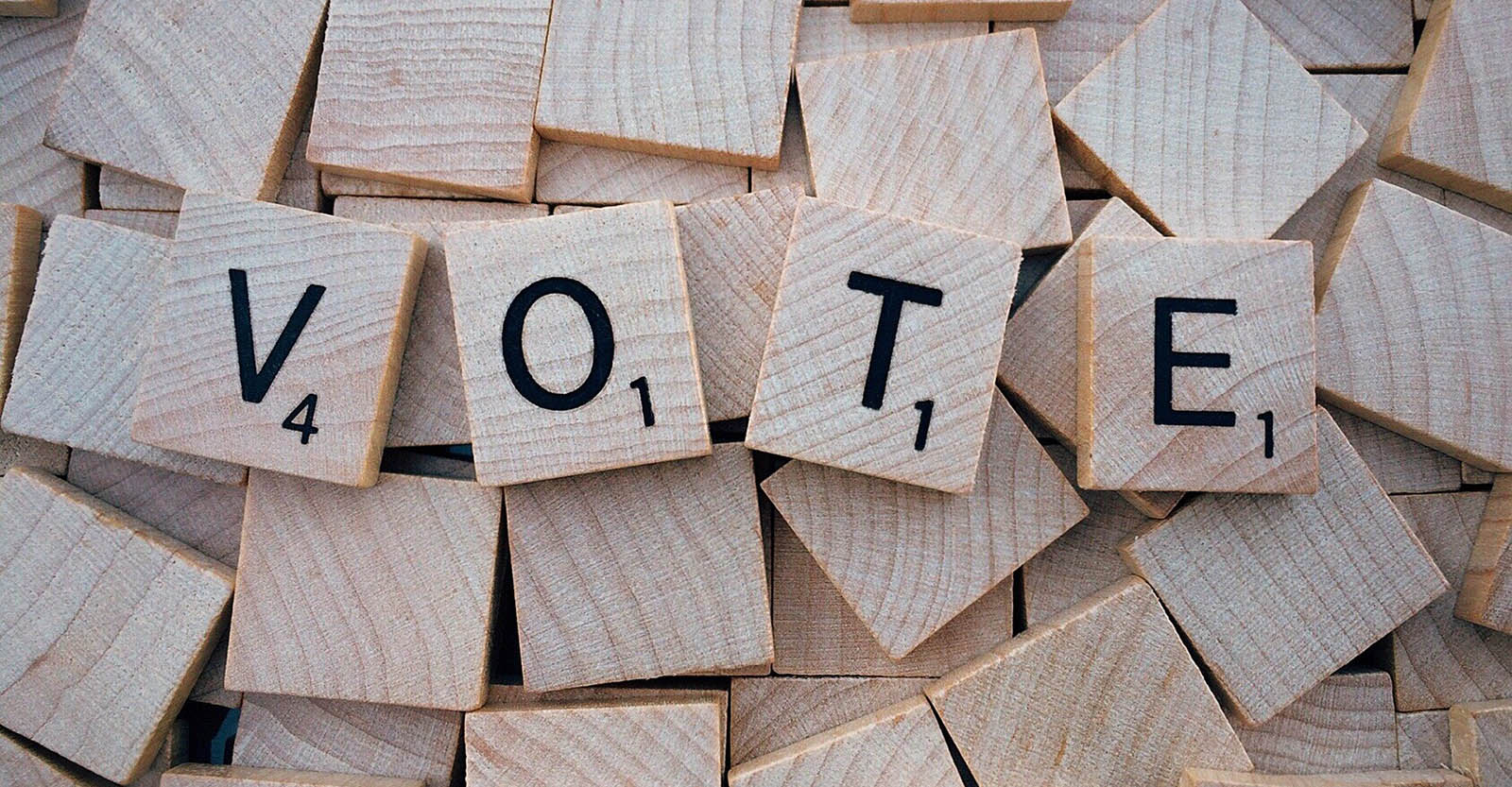
Interest in postal voting has increased during the pandemic as a means to avoid in-person contact. But exactly who is choosing to vote by mail? Carolina Plescia, Semra Sevi and André Blais find that the biggest cleavage in US citizen preferences about how to vote is generational, not ideological Read more
Lisa Van Dijk
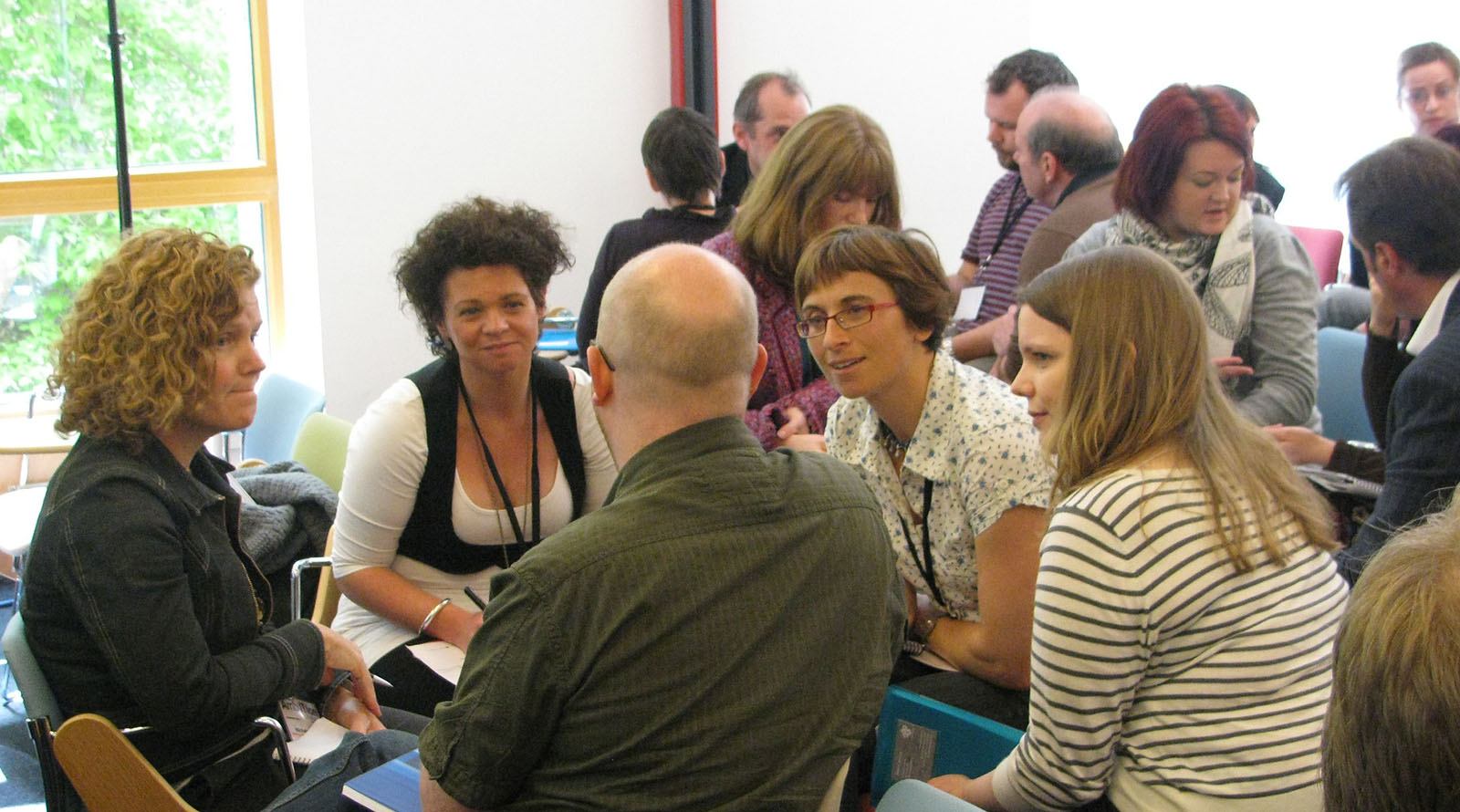
In representative democracies, many citizens feel disconnected from those who make political decisions on their behalf. In extreme cases, they may even refuse to accept democratic decisions and contemplate alternative forms of government. Lisa van Dijk, James Pow and Sofie Marien test the effectiveness of ‘minipublics’ to offset these problems Read more
We use cookies to ensure that we give you the best experience on our website. If you continue to use this site we will assume that you are happy with it.