Alex Prior
Examining the first 99 entries in our Science of Democracy series, Alex Prior identifies an asymmetry between references to people (demos) and power (kratos). Through a discussion of this asymmetry and its possible causes, he calls for increased attention to power, in the sense of its ability to effect change Read more
Alexander Langenkamp
Alexander Langenkamp and Simon Bienstman argue that populist parties appeal strongly to citizens who feel vulnerable and discontented in ways that may be more than just political. This is an important explanatory factor of the electoral success of populist parties as a symptom of 'protest at the ballot box' Read more
Massimo D'Angelo
On 13 August 2023, Argentinians took part in primary elections to choose candidates for positions including the presidency. But the established candidates have dropped out of the race. Massimo D’Angelo examines the key results of this election, most notable for the victory of far-right libertarian economist Javier Milei Read more
Jasmin Sarah König
We know that there is an inherent tension between populism and liberal democracy. So how does this translate into law when populists are in power? Jasmin Sarah König and Tilko Swalve argue that constitutional changes by populist governments can have ambiguous implications for democratic quality Read more
Vladimir Bortun
Some of the most successful radical left parties of the past decade are not really radical, argues Vladimir Bortun. These parties do not display the anti-capitalism that defines the radical left, but rather a socio-economic agenda akin to post-WWII social democracy. Labelling this neo-reformist left 'radical' is deeply problematic, conceptually and politically Read more
Jennifer Greiman
Herman Melville’s 'ruthless democracy' is a creative performance, argues Jennifer Greiman, which guides Melville’s experimental prose and poetry. This sought to reimagine democratic relations, possibilities, and ways of being as matters for aesthetic thought and work – with strong implications for political theory Read more
Ana Mar Fernández Pasarín
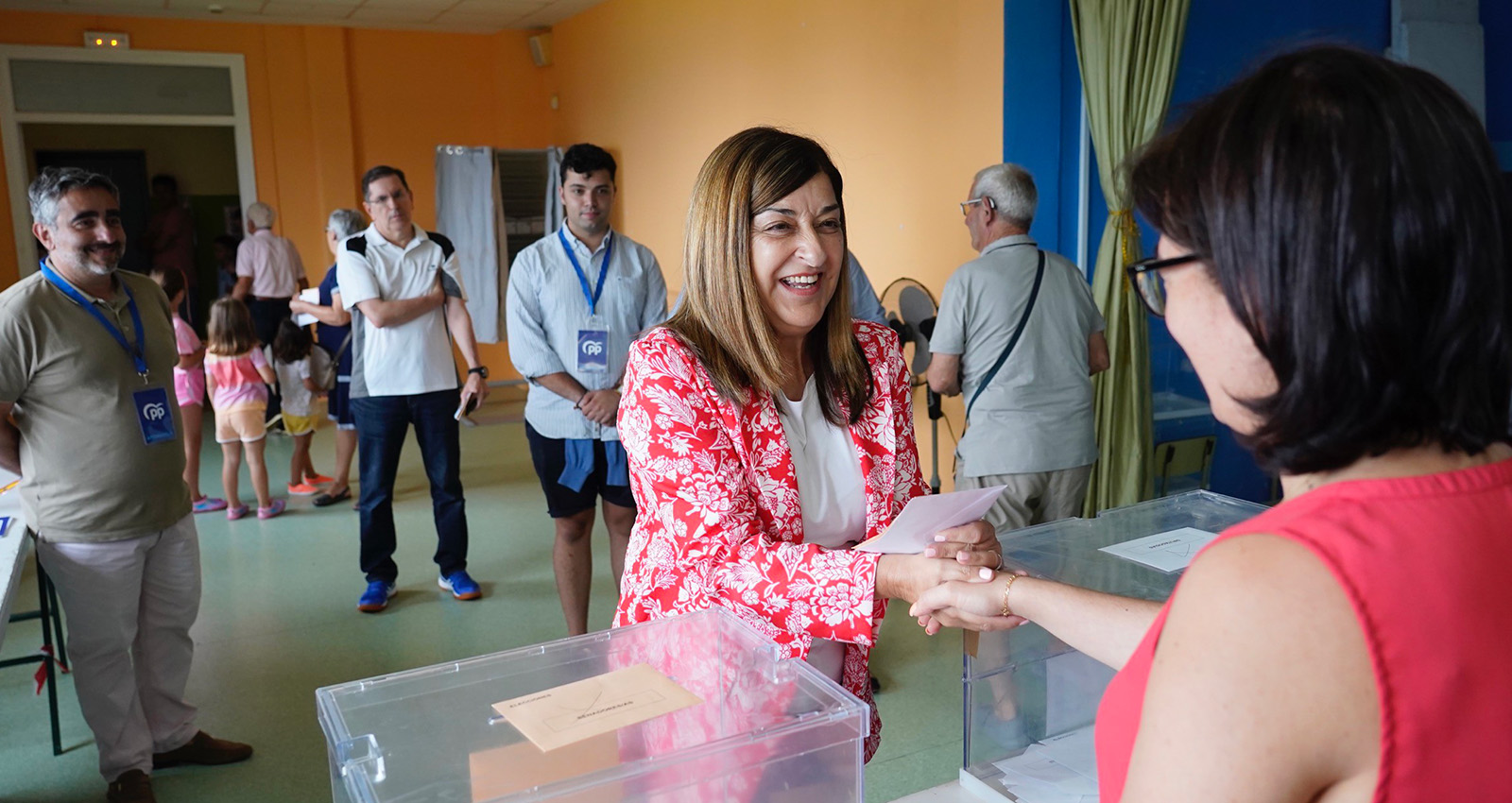
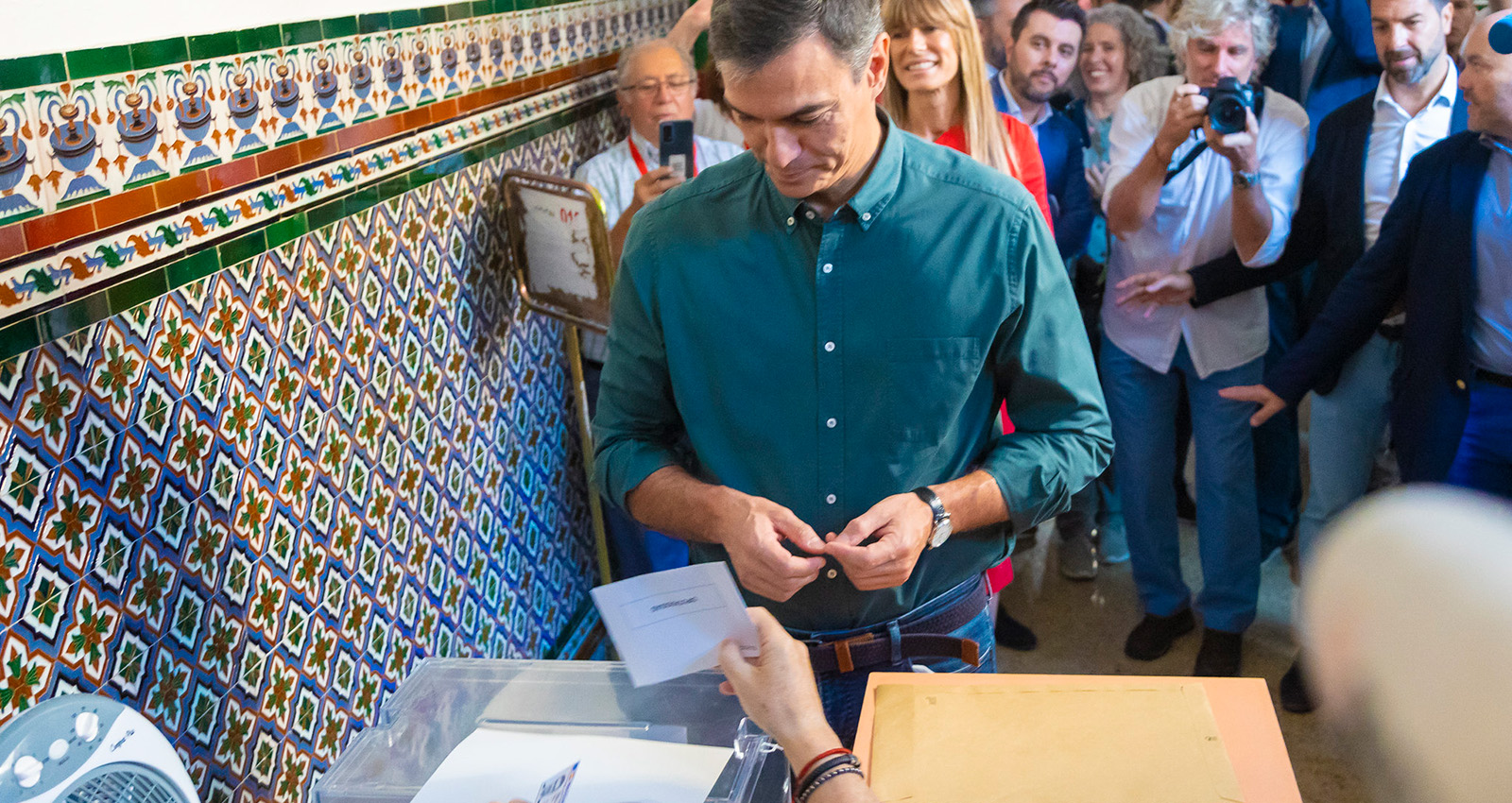
Ana Mar Fernández Pasarín and Asbel Bohigues continue the Loop's coverage of Spain's 23 July general election, analysing the results and the (im)possible parliamentary alliances. They highlight that the left has a chance to continue in government but that a repetition of the election is not implausible Read more
Sonia Alonso Sáenz de Oger
After Spain’s parliamentary elections on Sunday, the national right parties won more seats, but the left parties have a better chance of governing. Sonia Alonso and Bonnie N. Field examine the territorial and national identity divisions that will make or break governance Read more
We use necessary cookies to make our site work. We'd also like to set analytics cookies that help us make improvements by measuring how you use the site. These will be set only if you accept.
▼
Strictly Necessary Cookies
Necessary cookies enable core functionality such as security, network management, and accessibility. You may disable these by changing your browser settings, but this may affect how the website functions.
▼
Analytics Cookies
Google Analytics
We'd like to set Google Analytics cookies to help us improve our website by collecting and reporting information on how you use it. The cookies collect information in a way that does not directly identify anyone. For more information on how these cookies work please see our Privacy Notice.