Ilker Kalin
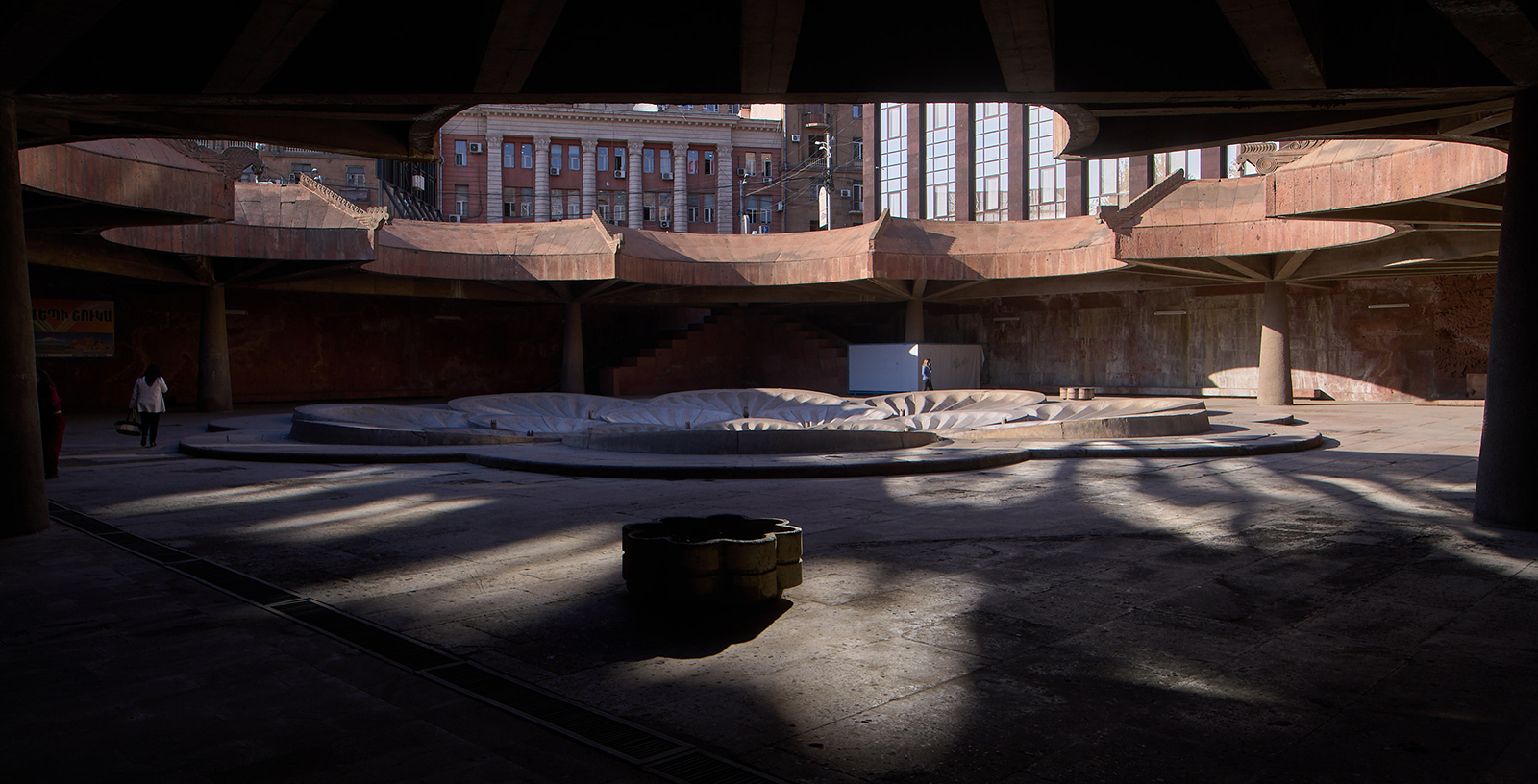
Last year, Slovakia overturned controversial new reporting and disclosure requirements for non-governmental organisations. The country's subsequent turn to administrative scrutiny illustrates a broader problem. Drawing on new survey experiments in Slovakia, Hungary and Türkiye, Ilker Kalin shows that targeting 'foreign-funded' organisations does little to legitimise restrictions. Yet quieter administrative pressure may be harder to recognise and resist Read more
Evelien Willems
Does civil society mobilisation reduce socioeconomic bias in EU policy debate? A study by Evelien Willems, Iskander De Bruycker, and Marcel Hanegraaff reveals that active engagement by civil society organisations narrows the representation gap for people of low socioeconomic status. This offers a promising path toward more inclusive EU policy-making Read more
Sohela Nazneen
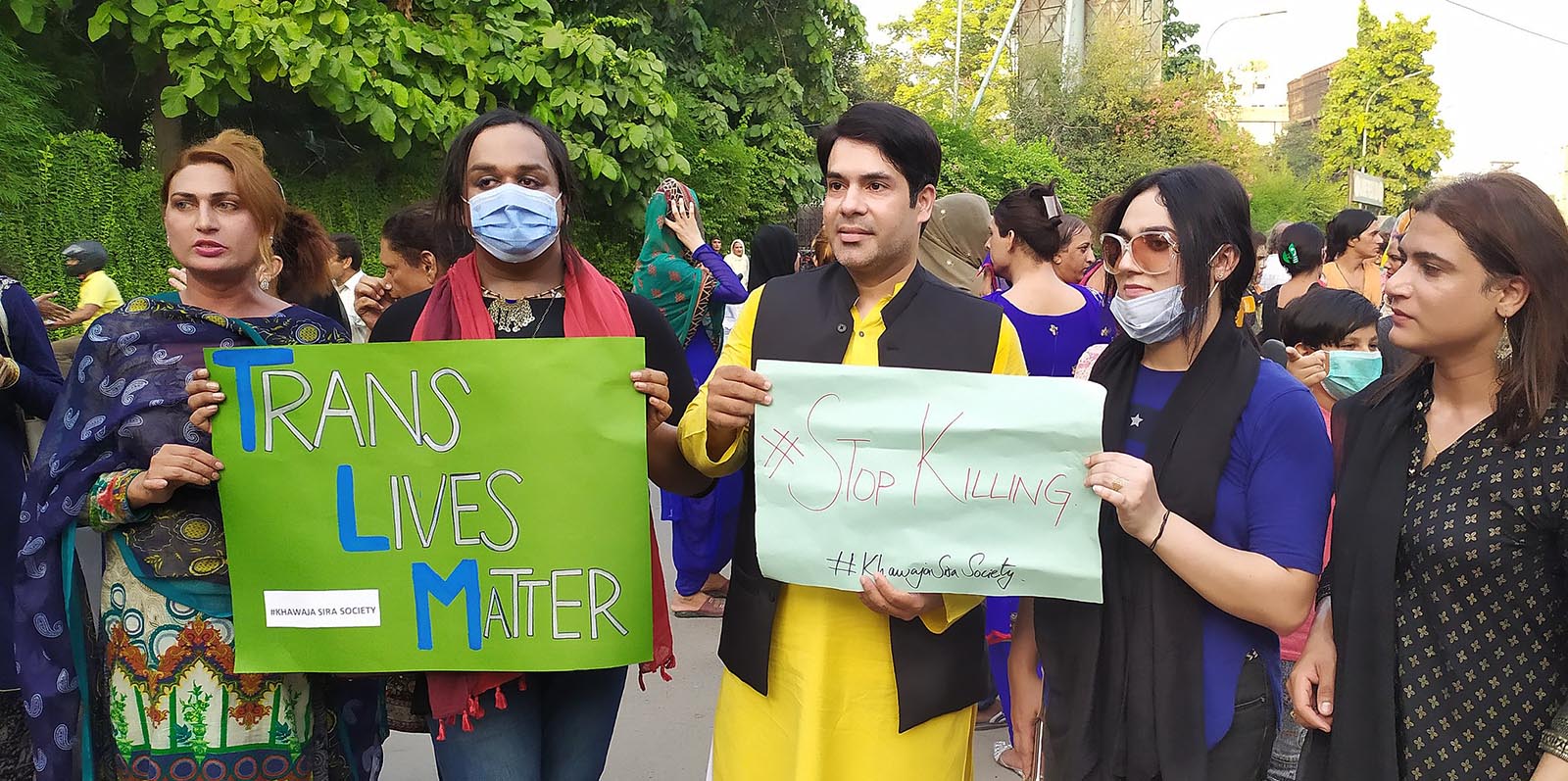
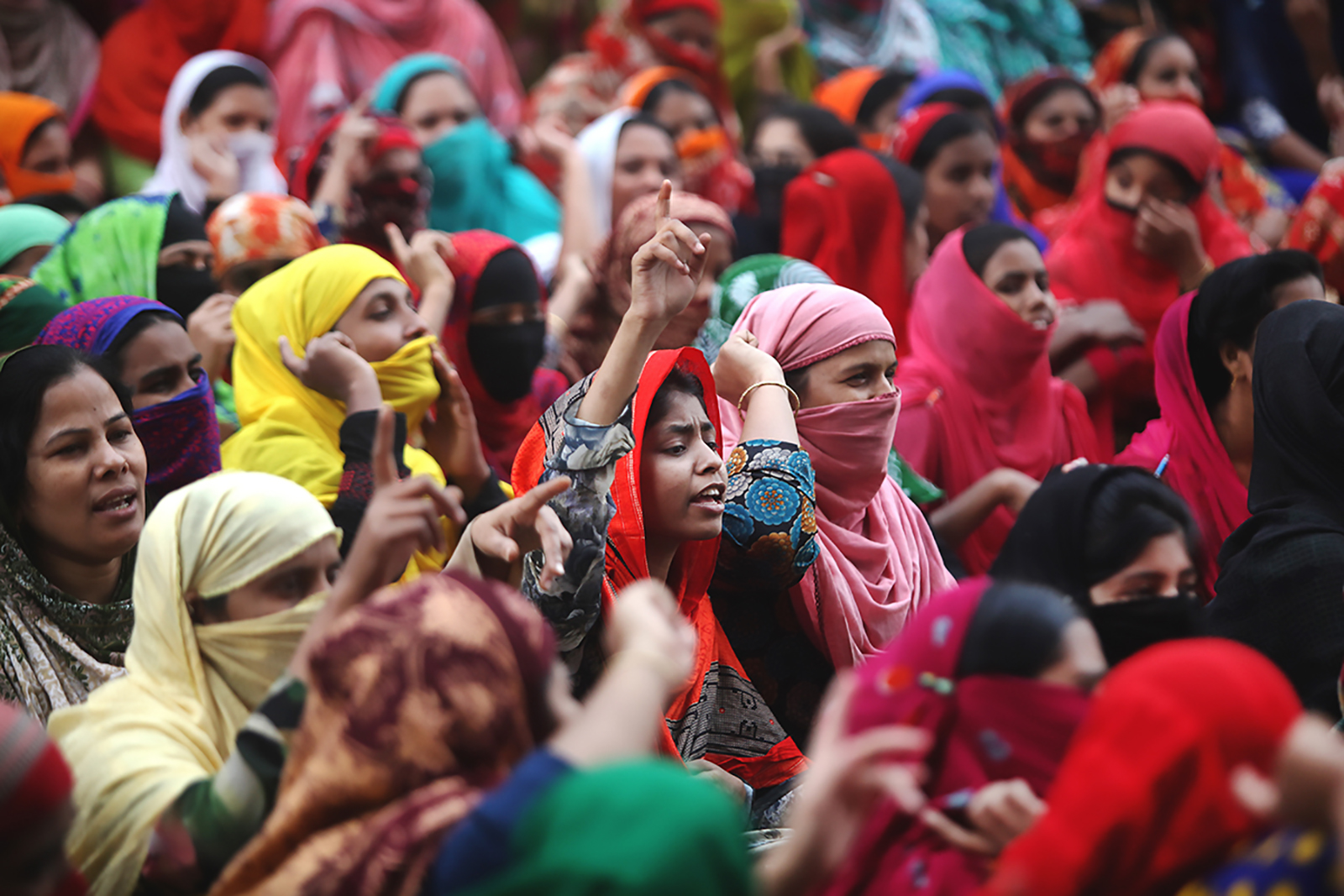
This year, millions of people in South Asia head to the polls. Potential outcomes of elections in Bangladesh, India, and Pakistan, however, do not bode well for women’s rights or gender equality, says Sohela Nazneen. The road ahead is difficult for women’s and LGBTQ+ struggles, as autocratic leaders consolidate power, and right-wing populists, digital repression, and violence against women and sexual minorities are all on the rise Read more
Akudo McGee
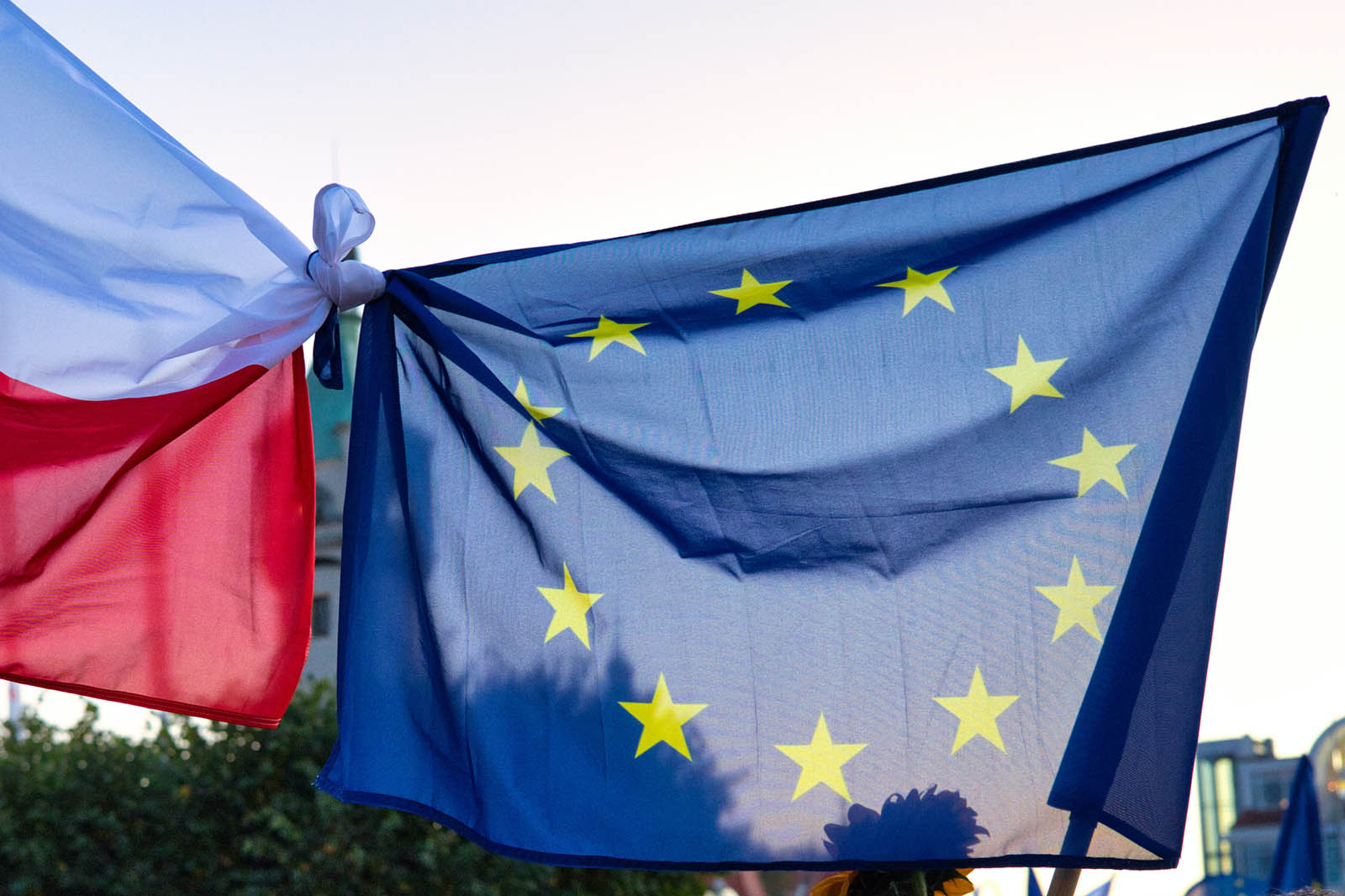
The results of the Polish parliamentary elections suggest that a coalition of the opposition will lead the next government. This is good news for civil society, which faced constant threats under the current Law and Justice (PiS) party. However, Akudo McGee warns that challenges still lie ahead for civil society Read more
Alexandra Tomaselli
Substate laws and policies may play a key role in promoting or hindering the socioeconomic participation of those who face intersectional discrimination. Alexandra Tomaselli examines how women and LGBTQIA+ individuals cope with their access to work, education, and services in South Tyrol and Catalonia Read more
Laura Luciani
As the liberal norms promoted by the EU are fiercely contested, human rights groups in the South Caucasus face an insecure environment. Some propose alternatives to human rights promotion that challenge both the EU’s development paradigms and competing authoritarian agendas. Laura Luciani argues that we should take them seriously Read more
Louise Olsson
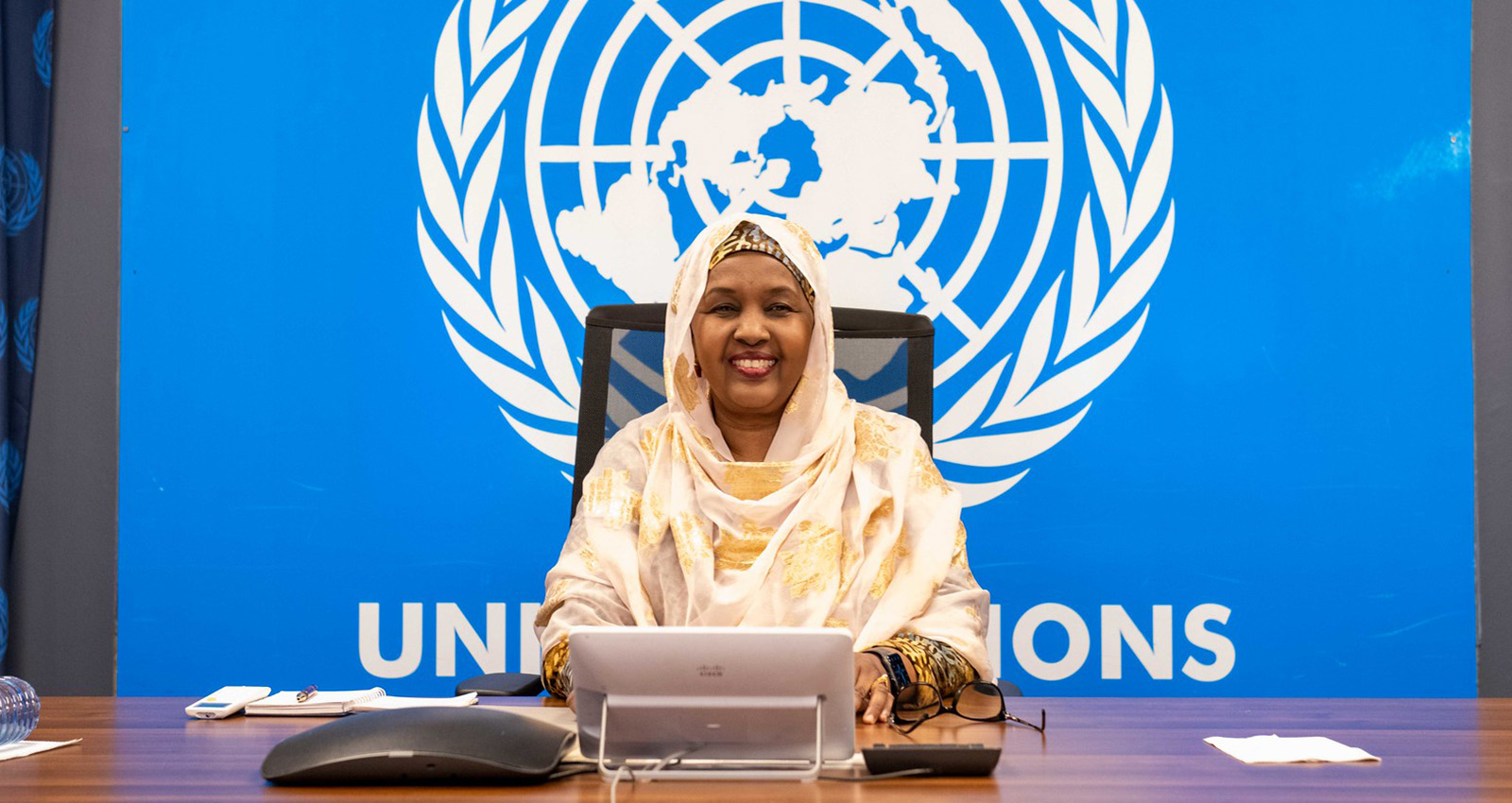
Inviting more women to brief the United Nations Security Council helps include them in decision-making on international peace and security. But despite progress, observe Louise Olsson and Anna Marie Obermeier, challenges remain. The Council must integrate recommendations from women's voices into decision-making Read more
Soumi Banerjee
Soumi Banerjee and Rishi Jha argue that the rising wave of illiberalism is causing a shift in state-civil society relationships around the world. In contemporary India, the government often targets NGOs, resulting in the partial or complete seizure of operations Read more
We use necessary cookies to make our site work. We'd also like to set analytics cookies that help us make improvements by measuring how you use the site. These will be set only if you accept.
▼
Strictly Necessary Cookies
Necessary cookies enable core functionality such as security, network management, and accessibility. You may disable these by changing your browser settings, but this may affect how the website functions.
▼
Analytics Cookies
Google Analytics
We'd like to set Google Analytics cookies to help us improve our website by collecting and reporting information on how you use it. The cookies collect information in a way that does not directly identify anyone. For more information on how these cookies work please see our Privacy Notice.