Aleh Baradzin
How could European legal mechanisms possibly serve the interests of an authoritarian leader? Aleh Baradzin examines how the brutal regime of Alexander Lukashenko in Belarus exploits international law to involve European courts, police, and migration authorities in the transnational persecution of political opponents Read more
Amir Alecperov
Amir Alecperov argues that Russian emigration after 2022 has not produced a break with imperial thinking – it has exported it. From Central Asia to the Baltic states and Germany, a troubling pattern emerges: Russians abroad carry the same mentality that enabled the war. Host states have the right, and the tools, to respond Read more
Aleh Baradzin
Aleh Baradzin examines why the families of political prisoners and political emigrants have become part of Belarus’s repressive system. Here, he reveals how the authorities use prisoners' families to exert pressure on political opponents Read more
Aleh Baradzin
International pressure has led to the release of some political prisoners in Belarus. However, these cases may reflect not a weakening of the country's repressive regime, but its transformation. Aleh Baradzin argues that these 'releases' are, in fact, a mechanism for forced expulsion from Belarus Read more
Olamide Samuel
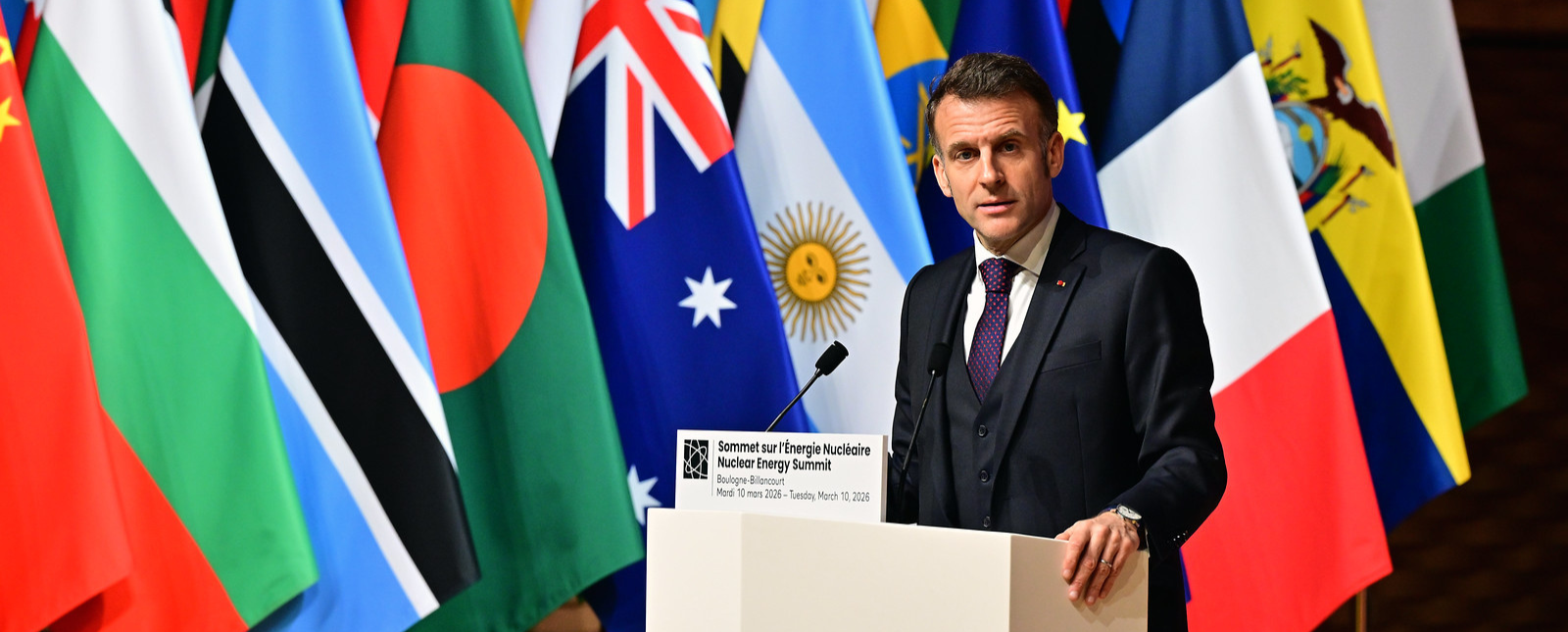
France’s new nuclear posture and Russia’s nuclear build-up in Belarus have made Europe feel vulnerable. But, argues Olamide Samuel, stronger nuclear rhetoric will not make Europe safer or more independent. Europe’s real task is to rebuild arms control, consultation, and dialogue before nuclear danger becomes harder to contain Read more
Michal Malý
Michal Malý and Asker Bryld Staunæs argue that synthetic dissidents mark a new form of opposition politics. In authoritarian regimes, AI avatars and chatbots can propagate risky speech without exposing a single, identifiable speaker. This can protect journalists and activists, but it also changes how responsibility, authenticity and repression work Read more
Monika Sus
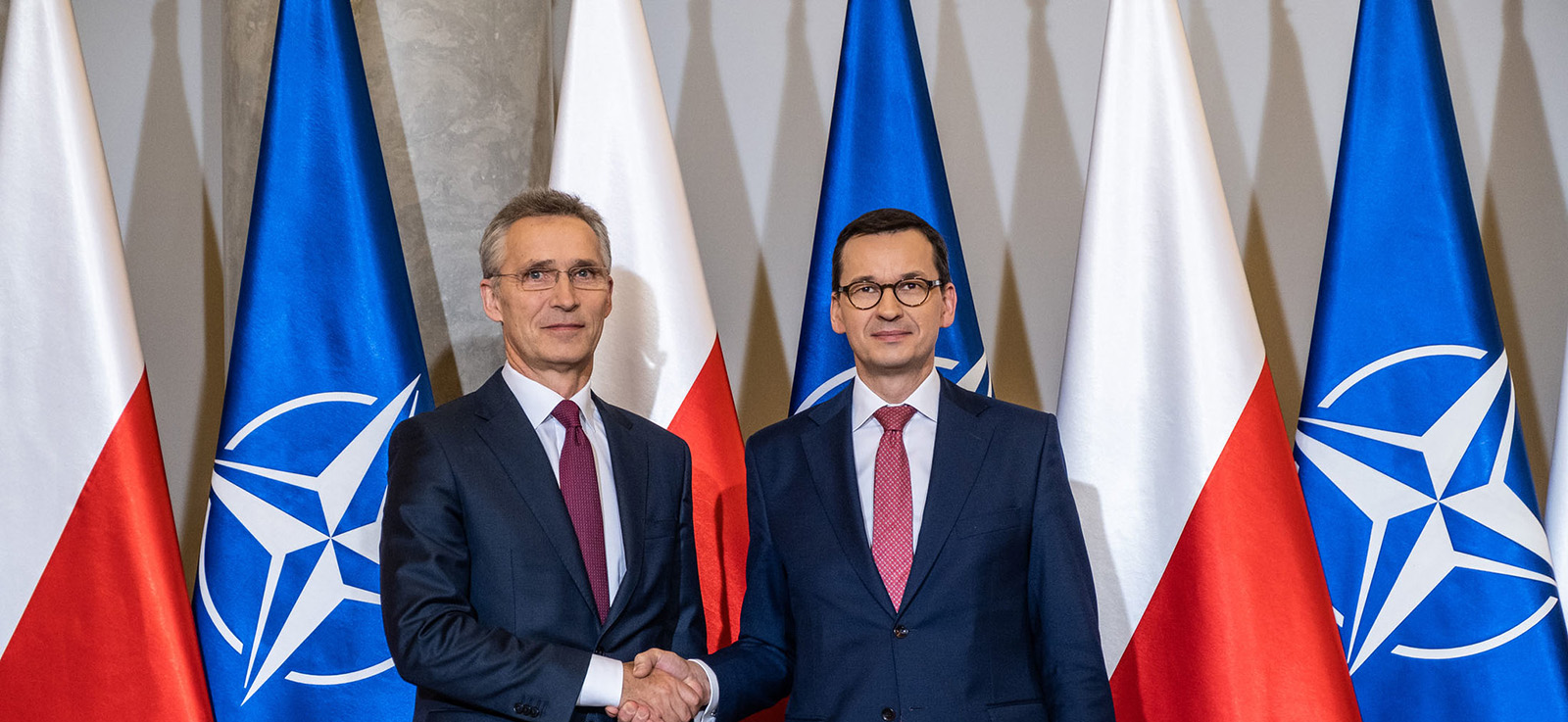
Amid the ongoing war in Ukraine, Poland is making an unprecedented push to join NATO’s nuclear sharing programme. Monika Sus argues that, as Poland’s threat perception rises, its defence strategy evolves and NATO’s deterrence posture shifts, the debate over nuclear deterrence is gaining momentum Read more
Albrecht Rothacher
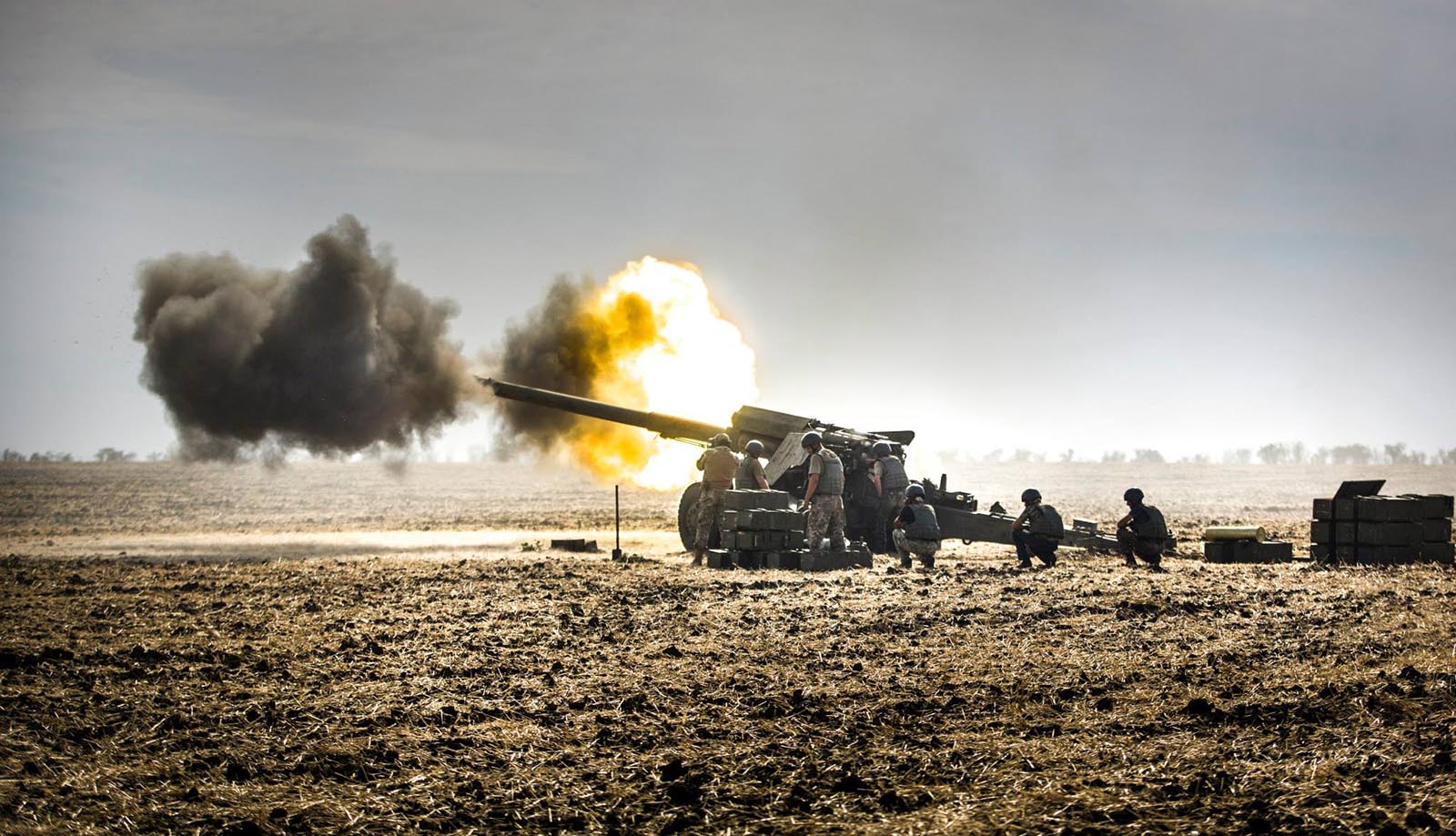
Drawing parallels with the end of the First World War, Albrecht Rothacher looks at the prospects for an end to war in Ukraine. He starts with the worst-case scenario and then considers four further ways in which hostilities might end Read more
We use necessary cookies to make our site work. We'd also like to set analytics cookies that help us make improvements by measuring how you use the site. These will be set only if you accept.
▼
Strictly Necessary Cookies
Necessary cookies enable core functionality such as security, network management, and accessibility. You may disable these by changing your browser settings, but this may affect how the website functions.
▼
Analytics Cookies
Google Analytics
We'd like to set Google Analytics cookies to help us improve our website by collecting and reporting information on how you use it. The cookies collect information in a way that does not directly identify anyone. For more information on how these cookies work please see our Privacy Notice.