Dionysios Stivas
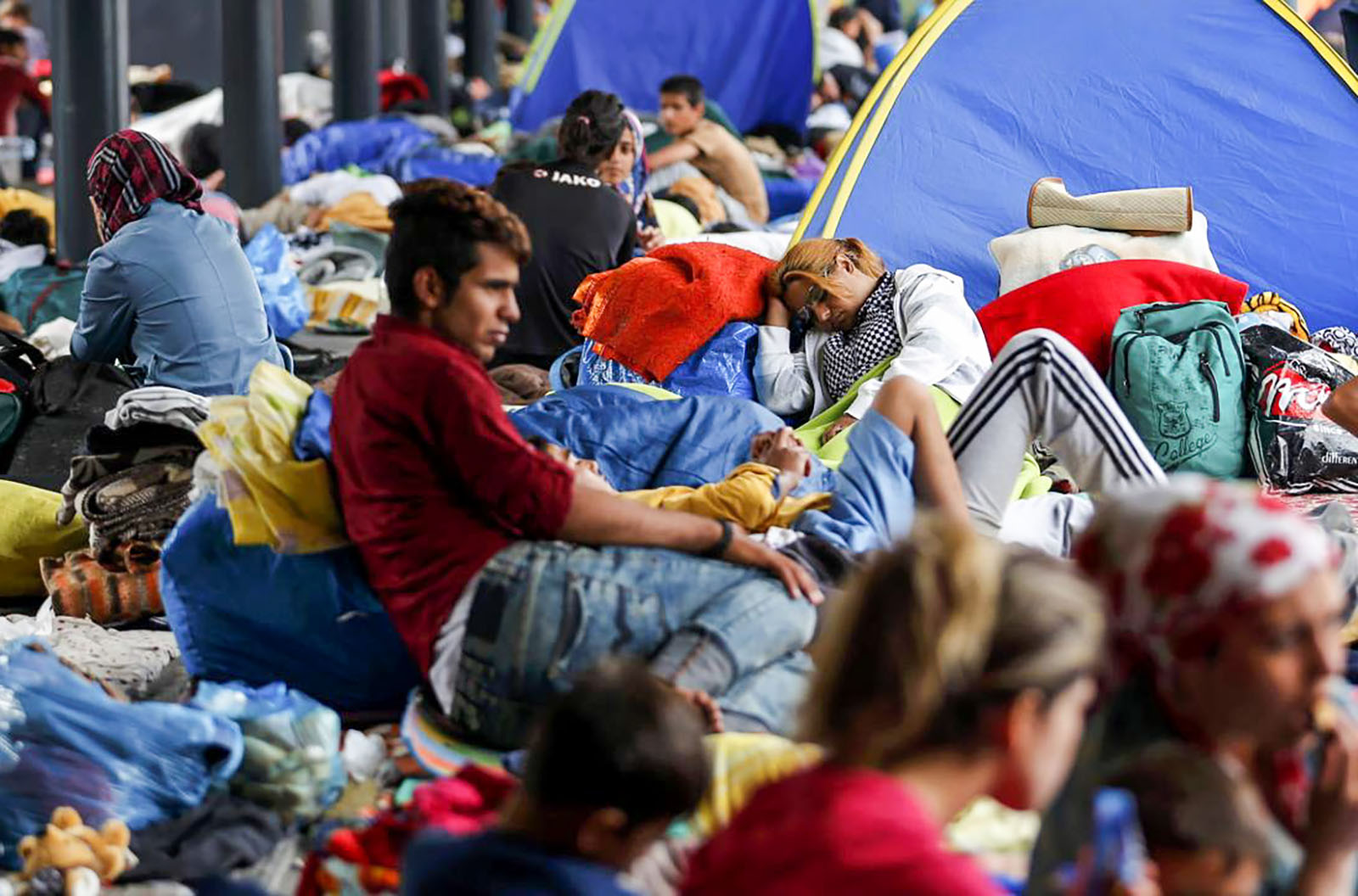
‘Securitising’ an alleged external threat can be a convenient tool for political leaders to justify extreme measures and policies. Dionysios Stivas looks at the case of Hungarian Prime Minister Viktor Orbán’s handling of asylum seekers in 2015 Read more
Julian G. Waller
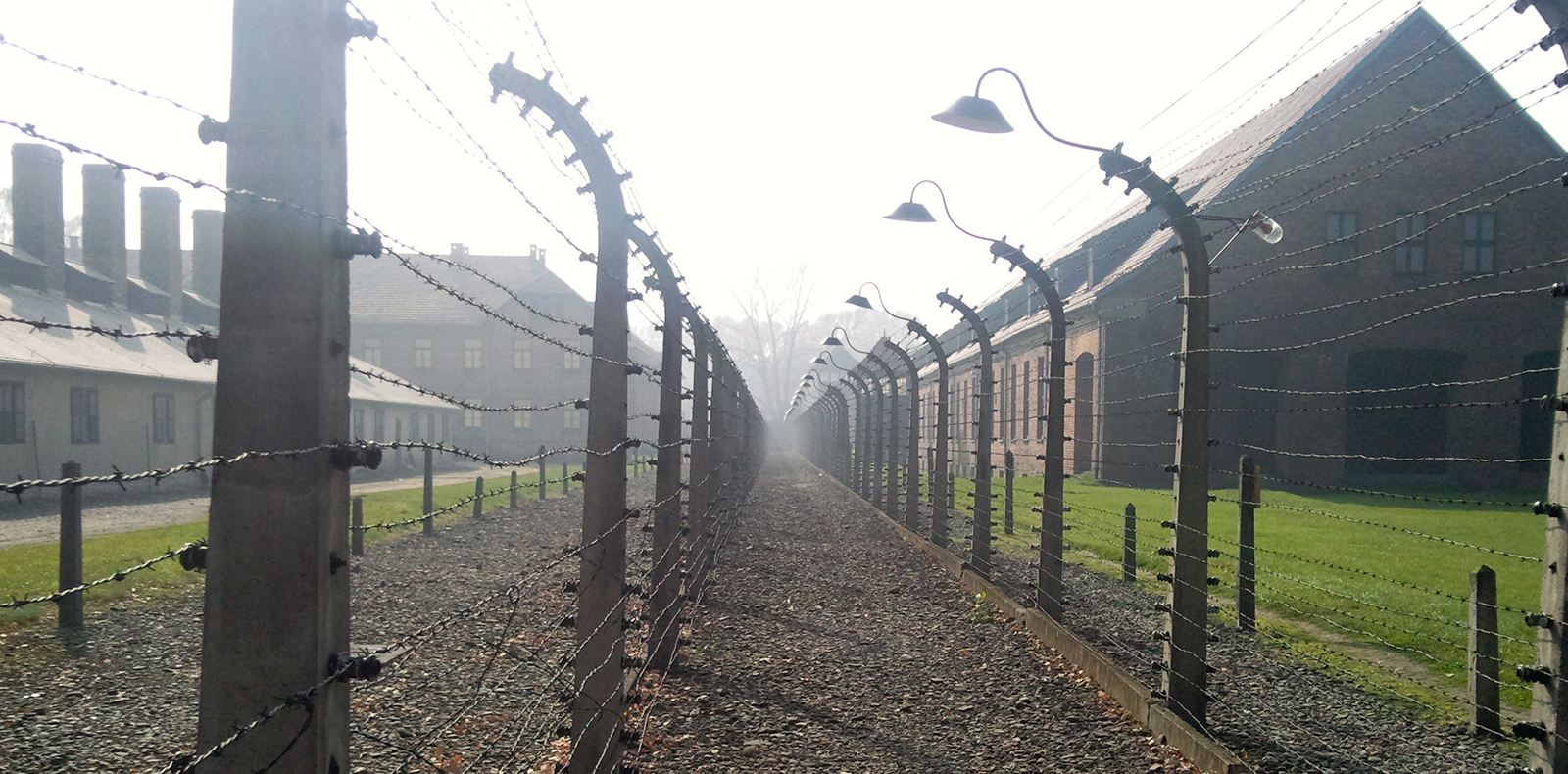
Some contemporary political developments take inspiration from fascism. But analogies between modern anti-liberal reaction and earlier totalitarian ideologies tend to obscure more than they enlighten. The concept of illiberalism allows us to make cross-national, ideational comparisons – especially transhistorical ones, writes Julian G. Waller Read more
Hager Ali
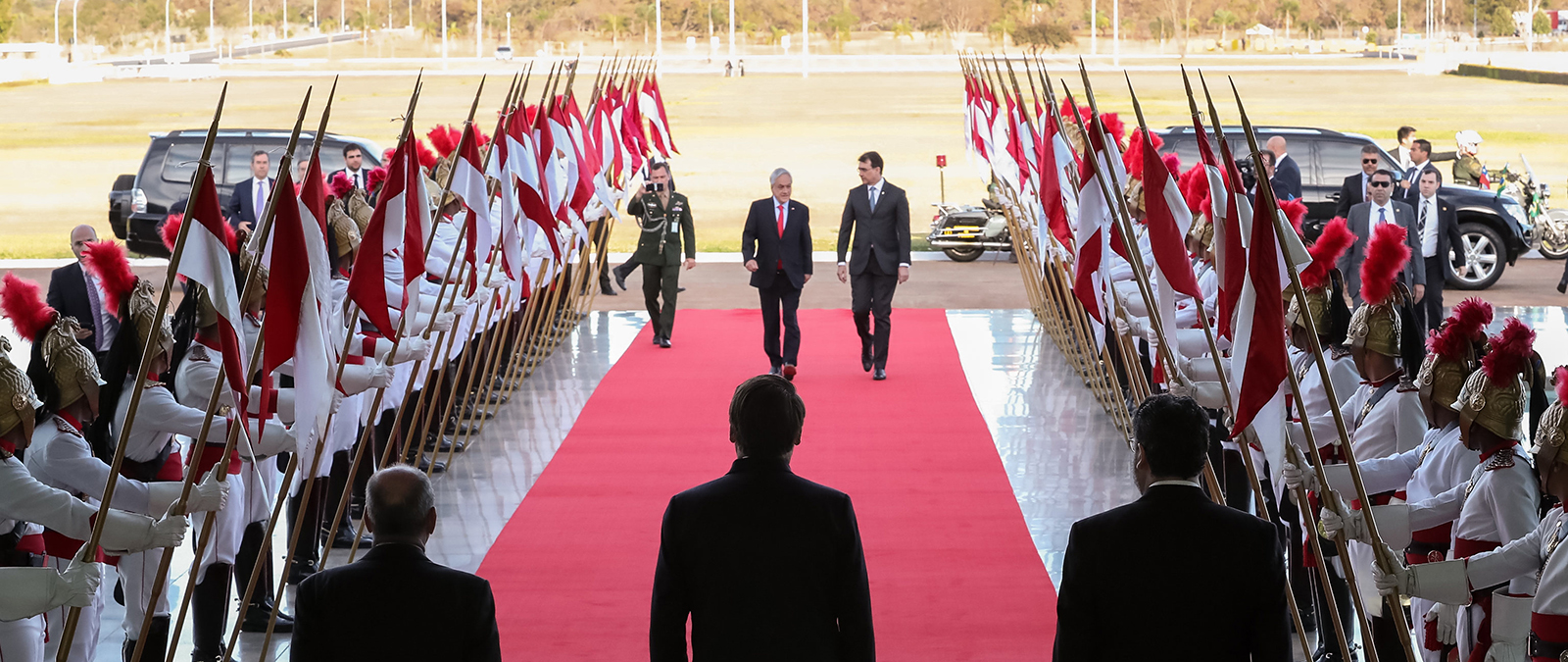
Only a few months remain before elections in Libya. But Western policymakers are focusing on election preparations and the withdrawal of foreign mercenaries, to the neglect of other pressing matters. Hager Ali argues that unless Libya tackles its political and military problems, elections may prove little more than a sticking plaster on a bullet wound Read more
Luca Manucci
Luca Manucci, in a panoramic survey of the rise of illiberalism in our times, argues that this trend is feeding on authoritarian historical legacies and memories which are being rewritten before our eyes. It is an exercise all democrats should challenge, and resist Read more
Zeynep Menteşoğlu Tardivo
Zeynep Mentesoglu Tardivo analyses the role played by nominally democratic political institutions in authoritarian regimes. She argues that rulers design such institutions to consolidate their power base, even at the cost of economic and political development Read more
Carl Henrik Knutsen
Even today, there is no consensus on whether democracies or autocracies are better at generating economic development. Yet, writes Carl Henrik Knutsen, the best recent evidence indicates that democracies do, on average, promote higher growth Read more
Alexander Dukalskis
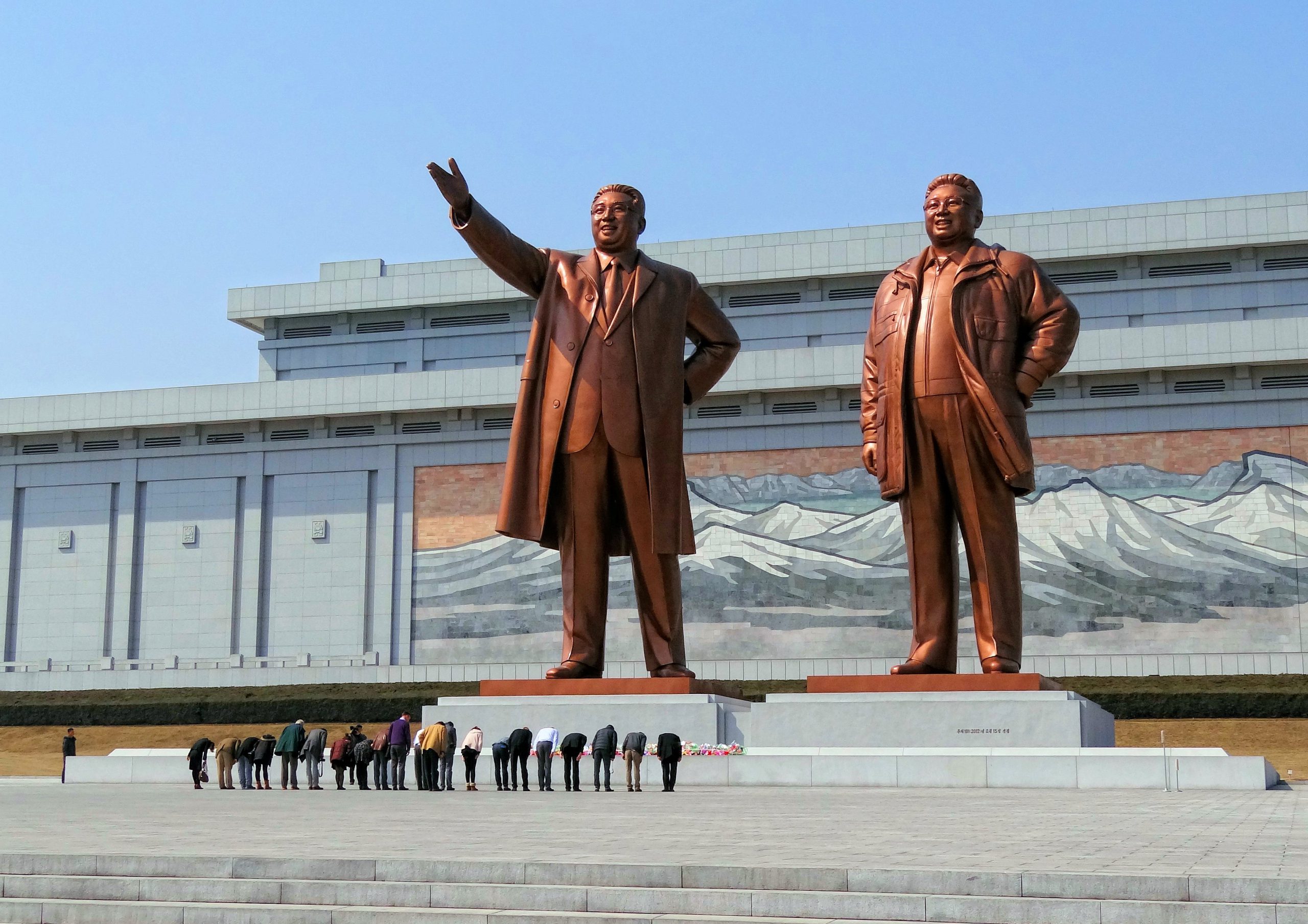
Authoritarian states deliberately use a number of tools to manage their image internationally, writes Alexander Dukalskis. Creating positive news, distracting and silencing critique, and shaping elite opinion help make the world safer for dictatorships Read more
Lars Pelke
It is a common assumption that autocrats have no incentive to redistribute income and wealth. Not so, says Lars Pelke. Uncertainty about the outcomes of autocratic elections can incentivise dictators to redistribute wealth, especially when the incumbents’ ruling coalition is inclusive Read more
We use cookies to ensure that we give you the best experience on our website. If you continue to use this site we will assume that you are happy with it.