Koen Slootmaeckers
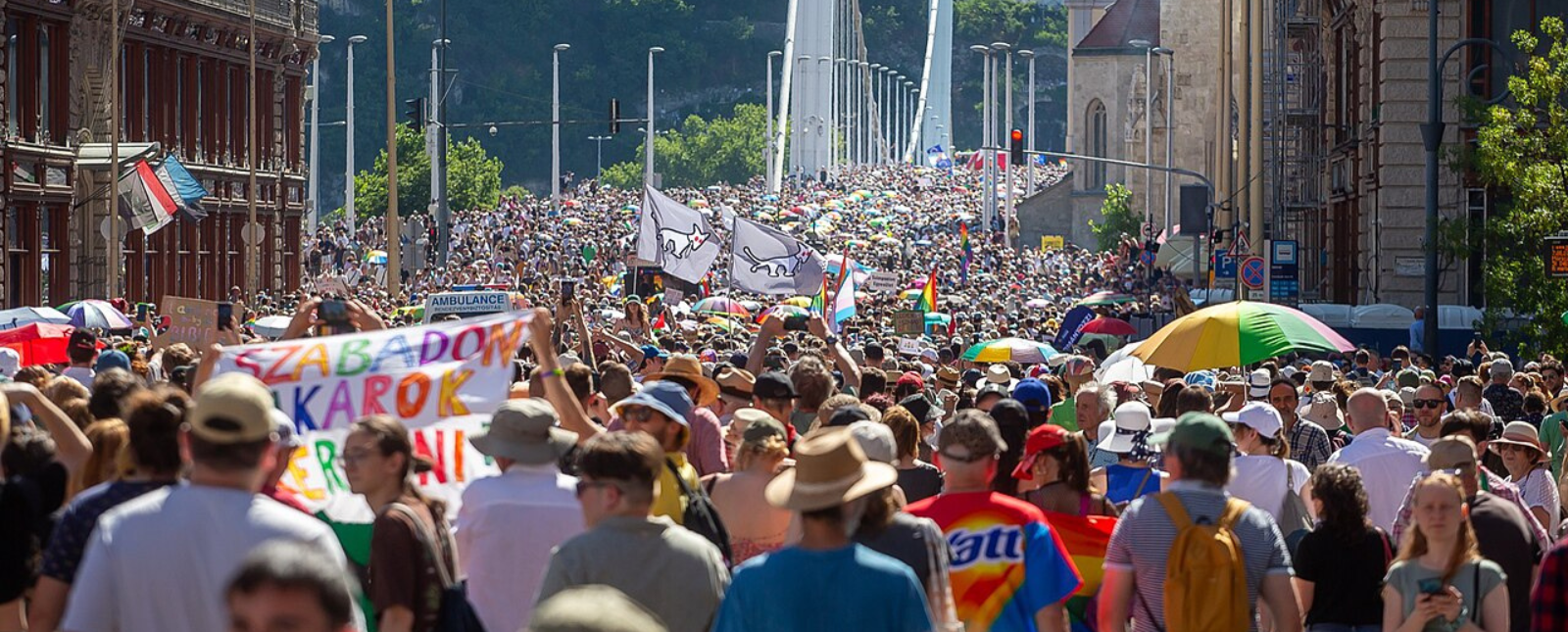
On 21 April 2026 the European Court of Justice delivered a landmark ruling, arguing that Hungary’s anti-LGBTQ+ law, in dehumanising LGBTIQ+ people, is incompatible with EU values. Koen Slootmaeckers analyses the Court’s ruling and its wider implications beyond Hungary Read more
Sonja Priebus
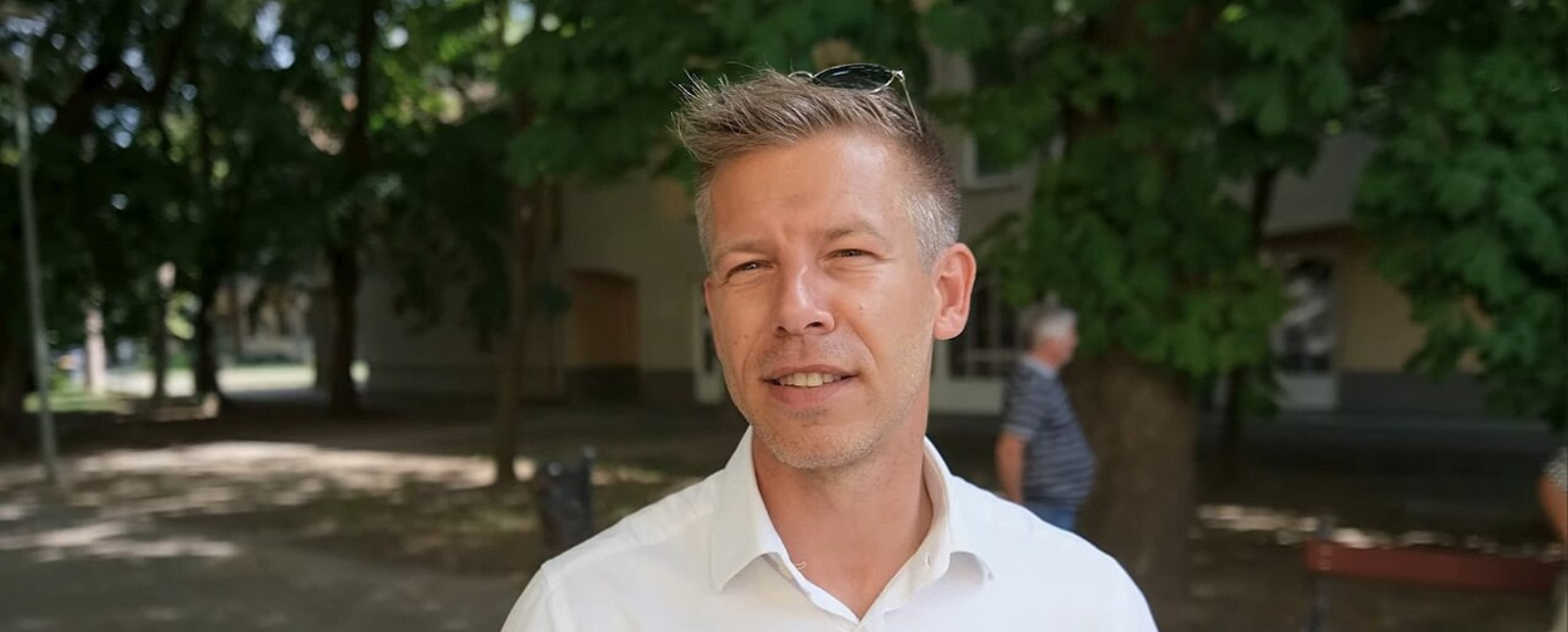
Sonja Priebus argues that the key to Péter Magyar’s landslide victory lay in the incumbent regime’s vulnerability. Magyar’s emergence on the political scene in 2024 caused a crack in the system, and triggered a shift in expectations that enabled Tisza’s victory Read more
Endre Borbáth
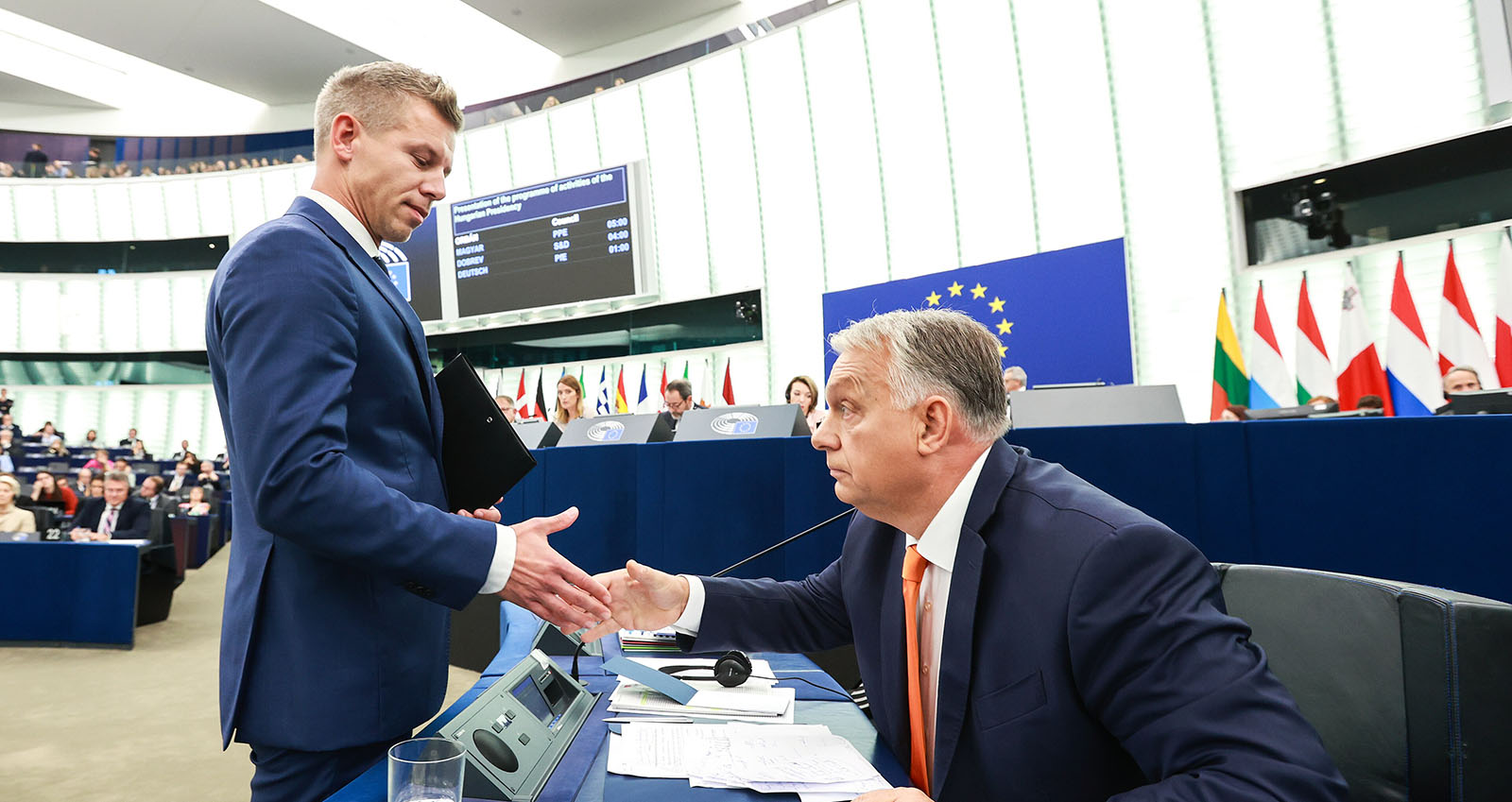
Endre Borbáth argues that Tisza’s breakthrough in Hungary was not simply the product of anti-incumbent anger or Péter Magyar’s personal appeal. It rested on a combination of cross-cutting grievances, participatory organisation, and intensive campaigning that turned a new party into a credible vehicle for regime change Read more
Katinka Linnamäki
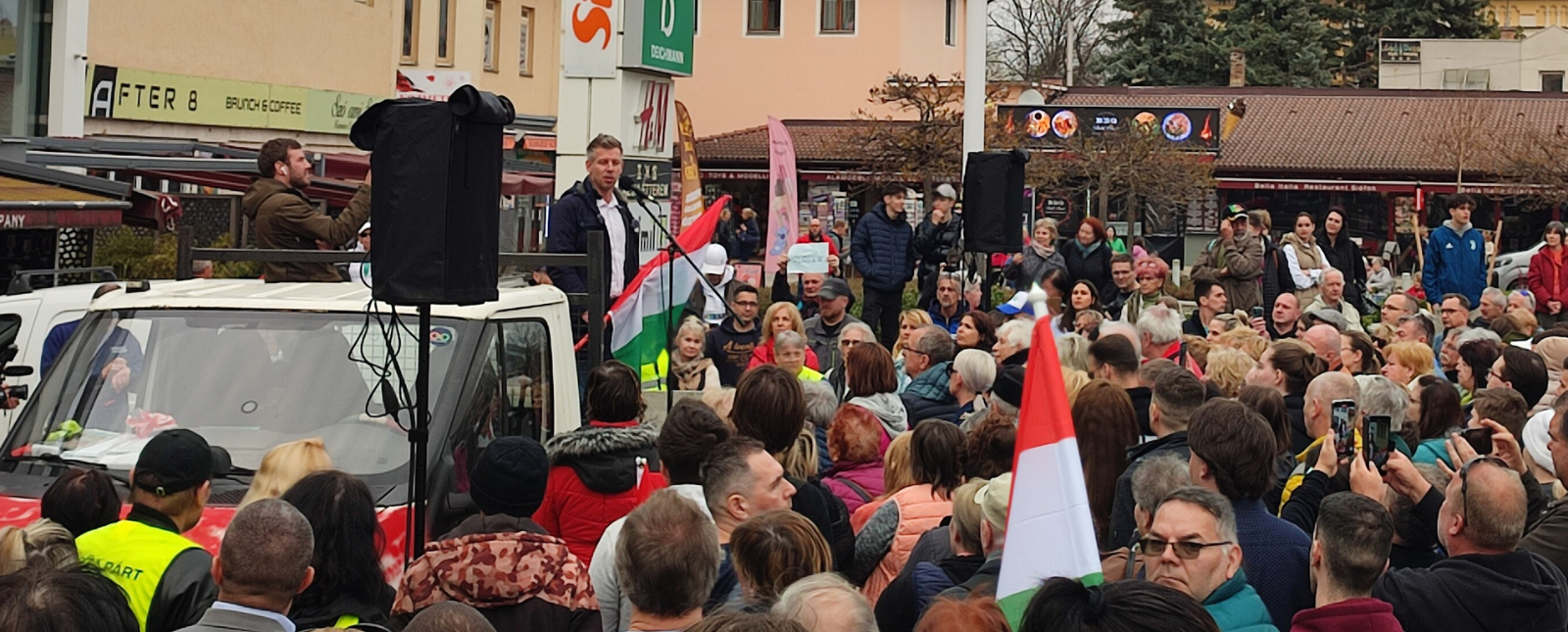
In this year’s election campaign, argue Katinka Linnamäki and Emilia Palonen, Orbán is facing a formidable, new force. Emerging from the Fidesz cadres in 2023, Péter Magyar launched his attack on Orbán. He has since managed to avoid many of the pitfalls of polarisation that have favoured Orbán previously Read more
Cristian Pîrvulescu
As Hungary heads to parliamentary elections on 12 April, Cristian Pîrvulescu argues that the billboard campaign targeting Zelensky is not merely anti-Ukrainian rhetoric. Rather, it is the latest iteration of a calculated antisemitic strategy, rooted in the 'Horthy tradition', that has powered Fidesz through four consecutive victories Read more
Marina Milić
In 2024–25, Serbia’s leaderless, decentralised, nonviolent student movement made a rare thing happen: it made fear change sides. In 2026, the government has shifted from managing crowds to tightening procedural control, targeting the institutions that sheltered resistance. Universities, argues Marina Milić, are now the frontline rebels – disciplined through labour rules and a financial ‘kill switch’ Read more
Annamária Sebestyén
In countries experiencing democratic backsliding, opposition MPs must confront not only the crisis of political representation but also structural constraints that limit their influence. Drawing on research in Hungary, Annamária Sebestyén argues that in such circumstances opposition MPs develop innovative strategies to remain politically relevant, but these have clear limits Read more
Klaudia Koxha
Gender equality is a fundamental EU value and a condition for the accession of new members. Yet political parties in Western Balkan candidate countries rarely prioritise it. Klaudia Koxha explains why: parties respond when Brussels and voters agree, but go quiet when their positions clash, especially on LGBTQ+ rights Read more
We use necessary cookies to make our site work. We'd also like to set analytics cookies that help us make improvements by measuring how you use the site. These will be set only if you accept.
▼
Strictly Necessary Cookies
Necessary cookies enable core functionality such as security, network management, and accessibility. You may disable these by changing your browser settings, but this may affect how the website functions.
▼
Analytics Cookies
Google Analytics
We'd like to set Google Analytics cookies to help us improve our website by collecting and reporting information on how you use it. The cookies collect information in a way that does not directly identify anyone. For more information on how these cookies work please see our Privacy Notice.