Gülşen Doğan
Over the past two years, the number of people living under populist governments has dropped by 800 million. Why? Gülşen Doğan explains the factors helping to overturn authoritarian rule, and reveals why authoritarian leaders have been unseated in some countries, but not in others Read more
Dominik Kevický
At the 2023 ECPR General Conference in Prague, Dominik Kevický and Jonáš Suchánek noticed hundreds of political scientists questioning the 'whys', 'whos', and 'hows' of the populist radical right. Here, they argue that we shouldn't overlook the 'wheres', offering a spatial perspective on populist radical-right voting Read more
Edward Goodger
In the UK, consistent double-digit leads in the polls suggest that Keir Starmer’s Labour Party is now a government-in-waiting. But has Labour’s abandonment of radical leftism left it vulnerable? Edward Goodger explores the prospect of a populist-left resurgence and its potential to transform the approaching general election Read more
Niklas Bolin
Many right-wing populists are no longer considered outsiders, and are increasingly participating in or supporting governments. Yet many voters may still not perceive them as being similar to other parties. Niklas Bolin examines the enduring impact of stigmatisation, and considers how it affects the Sweden Democrats Read more
Mirko Crulli
Mirko Crulli questions the cliché that populism thrives only in ‘left-behind’ places. While populist parties, especially radical-right ones, are typically stronger in peripheral and low-density areas, populist strongholds exist within thriving cities. Several factors, including composition, context, and place-based identities, help explain geographic variations in populist support across contemporary Europe Read more
Carlos José Cruz Infante
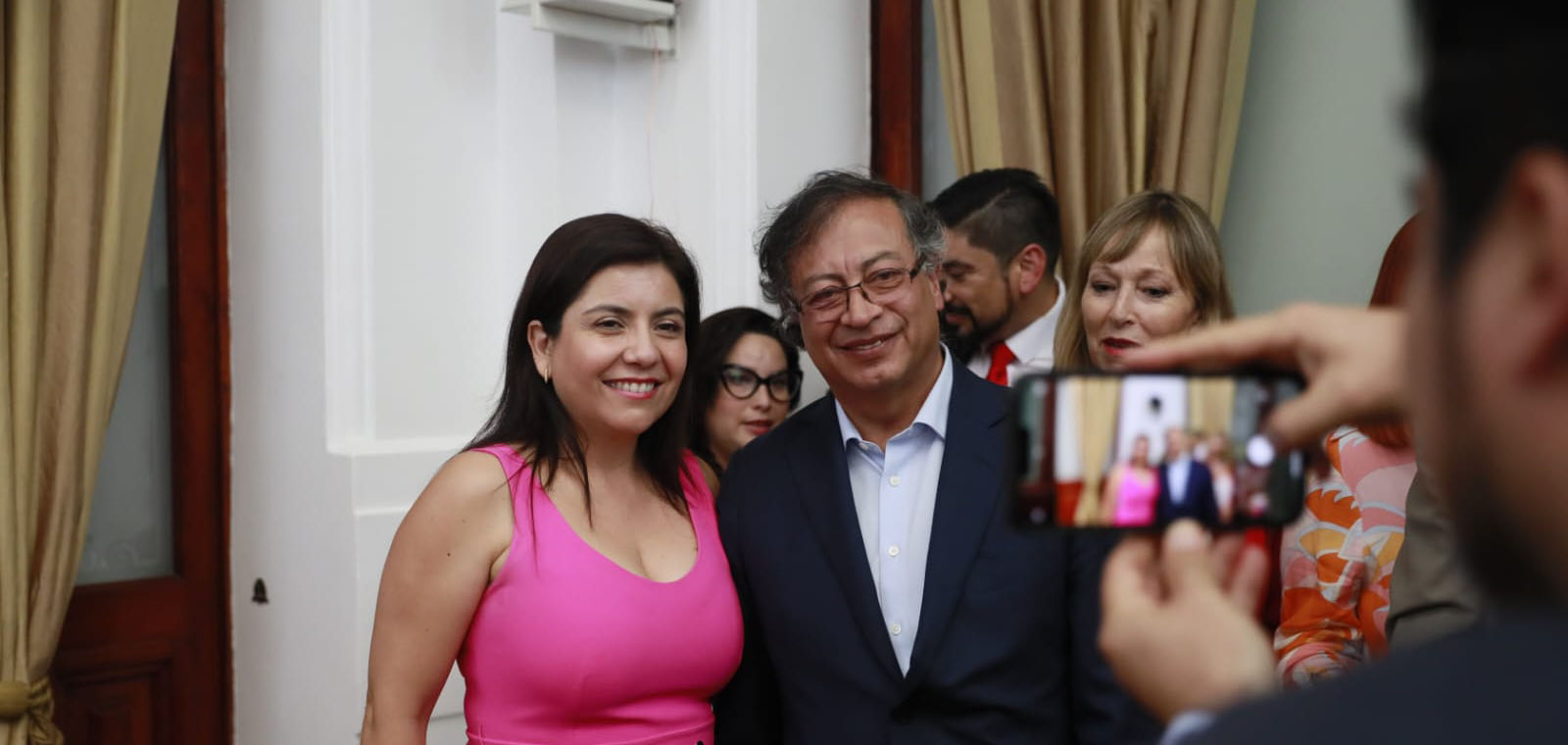
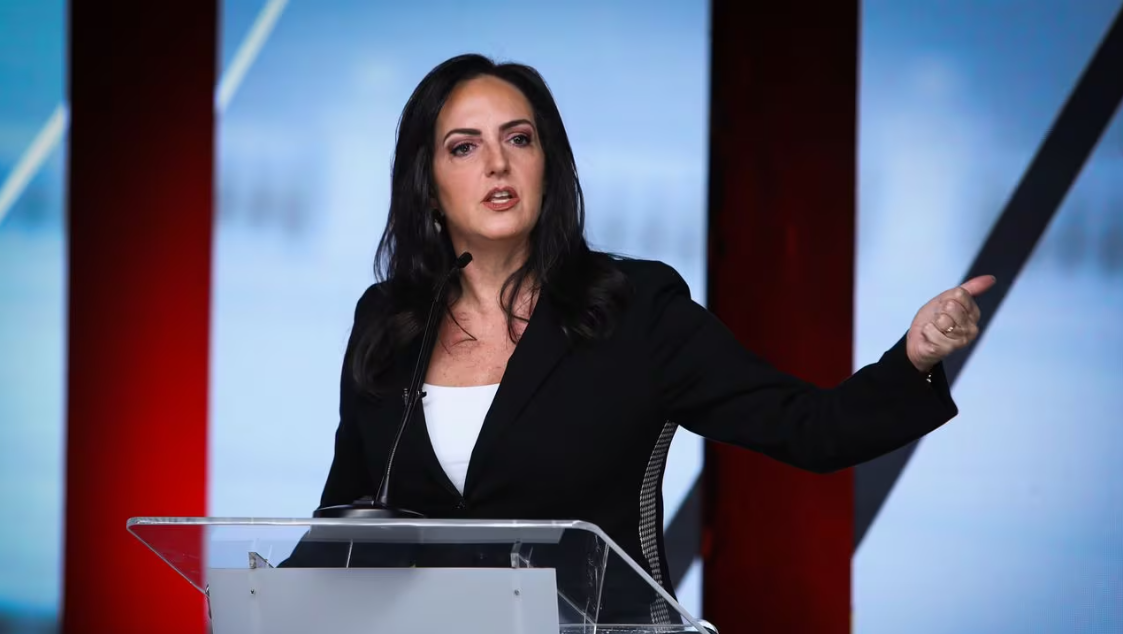
Elections loom for Chile and Colombia in 2025 and 2026. Carlos José Cruz Infante explores voters' growing disillusionment with leftist governments and the increasing attraction of figures like José Antonio Kast and María Fernanda Cabal. These politicians' hard-right populist messages echo Donald Trump’s empty call to ‘Make America Great Again’ Read more
Fabio Bordignon
Fabio Bordignon explores the relationship between pseudoscientific beliefs and support for populist parties. This link, he argues, changes according to the political trajectories of populist actors and their paths toward institutions Read more
Dragana Svraka
Dragana Svraka investigates the link between populism and nativism in politics today. She focuses on the societal divisions at the centre of these concepts, and the threat to minorities who populists cast as 'outsiders' Read more
We use necessary cookies to make our site work. We'd also like to set analytics cookies that help us make improvements by measuring how you use the site. These will be set only if you accept.
▼
Strictly Necessary Cookies
Necessary cookies enable core functionality such as security, network management, and accessibility. You may disable these by changing your browser settings, but this may affect how the website functions.
▼
Analytics Cookies
Google Analytics
We'd like to set Google Analytics cookies to help us improve our website by collecting and reporting information on how you use it. The cookies collect information in a way that does not directly identify anyone. For more information on how these cookies work please see our Privacy Notice.