Consuelo Thiers
Andy Burnham takes office with little public record on foreign policy. Consuelo Thiers profiles his political personality to offer a interpretation on how he may act on the world stage. She argues that Burnham is likely to be more consultative than his predecessor, but no less determined to shape events his own way Read more
Eglal Hamid Abdulgadir
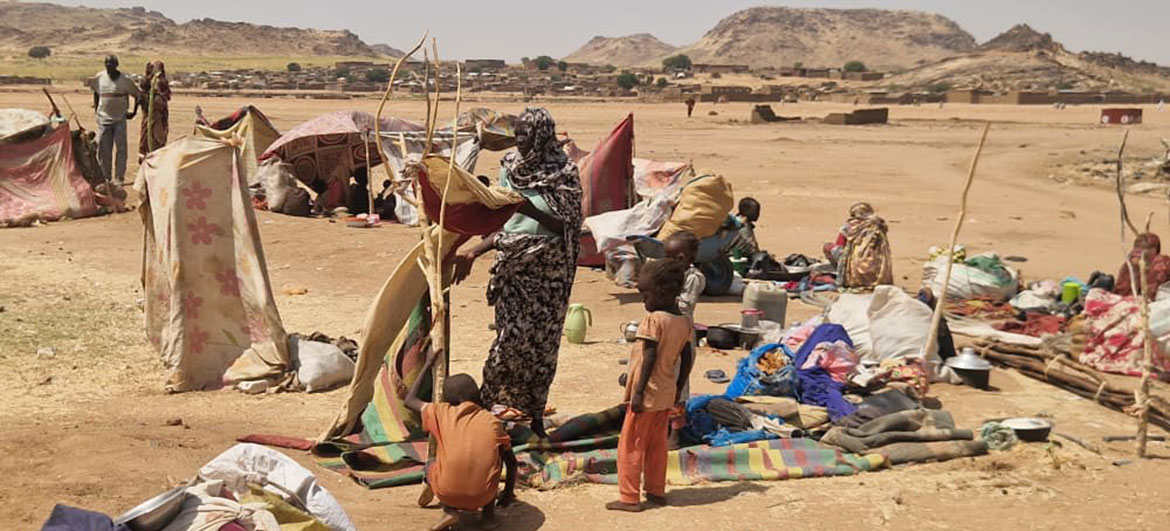
Political science has spent decades studying what wars destroy. Contemporary wars, says Eglal Hamed Abdulgadir, suggest it may be time to ask what they produce Read more
Ruairidh Brown
As concerns grow over the global reach of Chinese Communist Party censorship, Ruairidh Brown and Momo clarify how Chinese discourse control functions. Rather than a top-down, process, they argue, censorship is a multidirectional social phenomenon Read more
Elena Yurieva
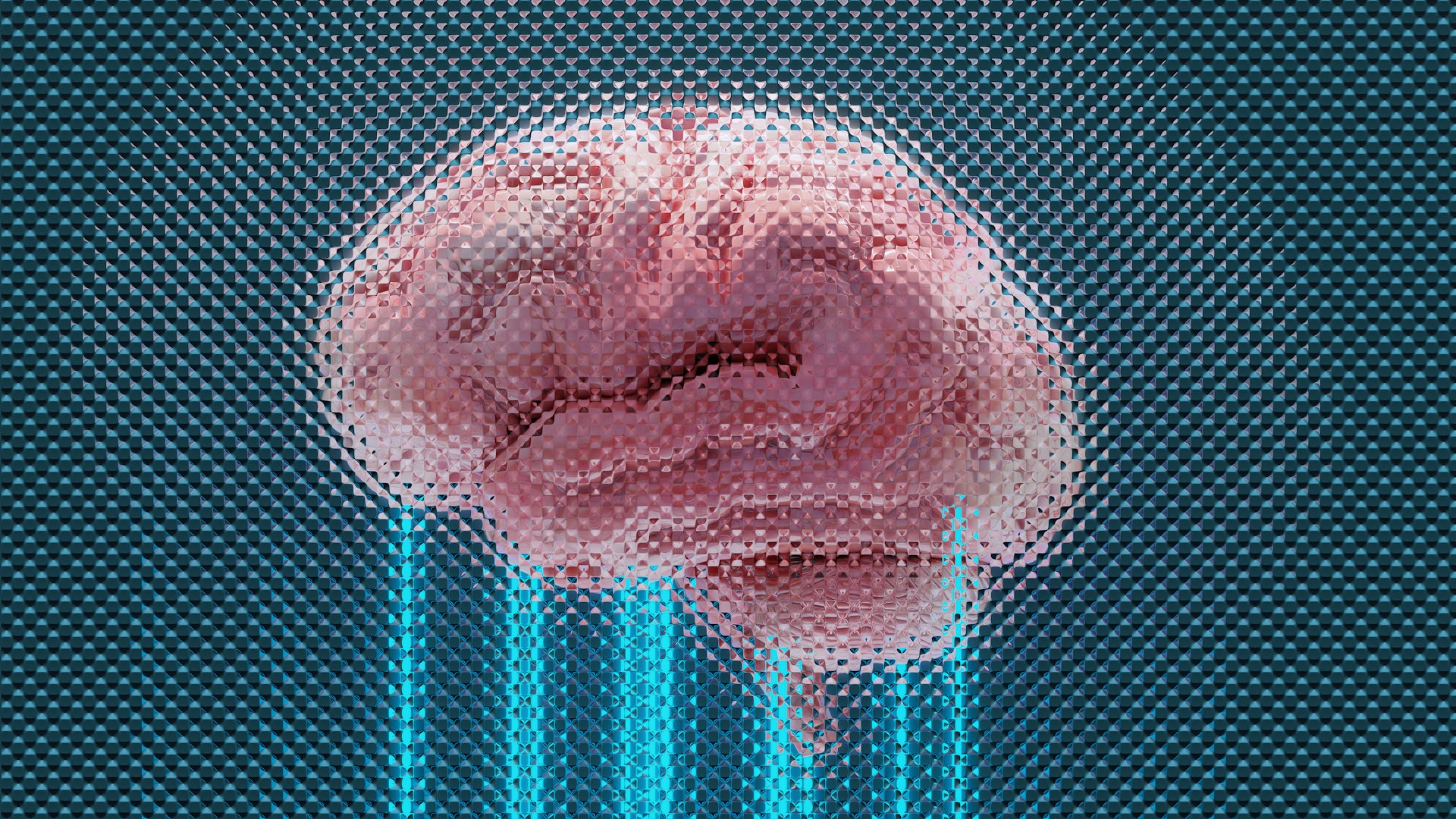
Global AI competition has entered a new phase. While Washington and Brussels build 'Pax Silica' around infrastructure, Beijing is developing a rival coalition around governance. At first glance, this suggests the emergence of a bipolar model. But a closer look, says Elena Yurieva, reveals a picture that is far more complex Read more
Zoe Gueli
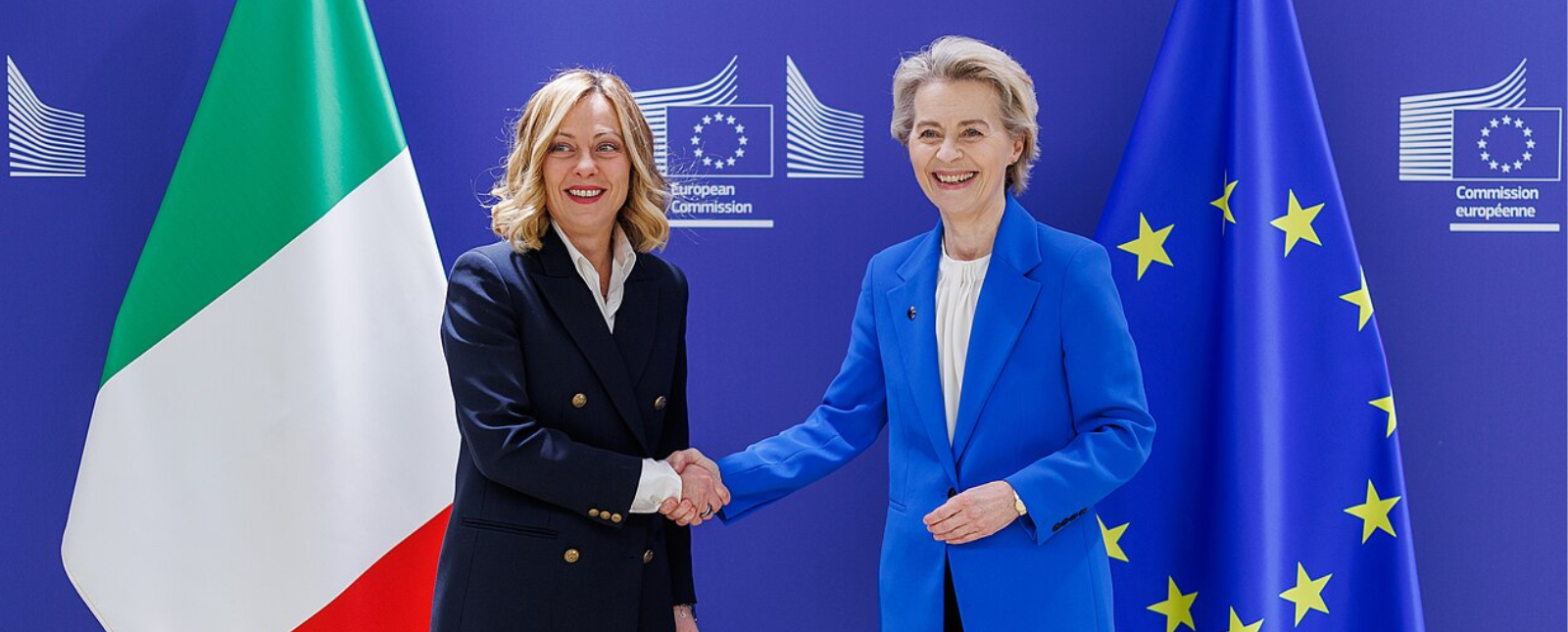
Zoe Gueli argues that in Italy, the anti-Brussels rhetoric of governing right-wing party Fratelli d’Italia survives not because Italians are Eurosceptic, but because its rhetoric functions as a domestic political tool – one that EU institutions are structurally unable to counter Read more
Mahmoud Rasouli
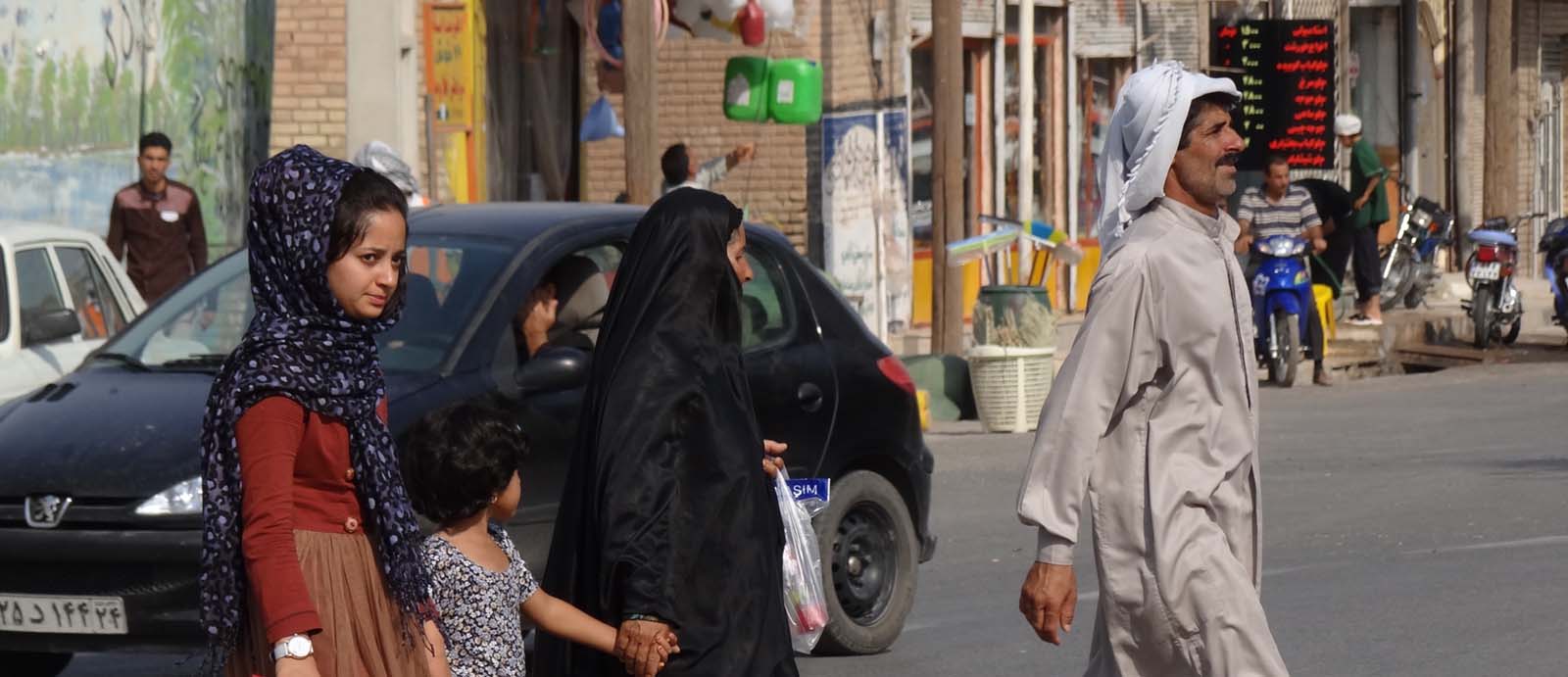
Mahmoud Rasouli argues that debates over the US-Iran confrontation focus overwhelmingly on governments while overlooking the people most affected by their decisions. Although both Washington and Tehran frequently claim to act on behalf of ordinary Iranians, citizens rarely influence the policies pursued in their name Read more
Nicholas Ross Smith
Four years after launching its Indo-Pacific Strategy, the EU still isn't seen as a serious geopolitical player in the 'region'. Closing this perception gap, not building more capability, argues Nicholas Ross Smith, is Brussels' real challenge Read more
Grace Cerenko
In the lively debate on under-16 social media bans, both camps risk missing precisely what it is that keeps people returning to these platforms. Embracing the insights of the twentieth-century French philosopher Michel Foucault, argues Grace Cerenko, sheds valuable light on how social media operates. Armed with this understanding, we can design effective legislation to alleviate its harm Read more
We use necessary cookies to make our site work. We'd also like to set analytics cookies that help us make improvements by measuring how you use the site. These will be set only if you accept.
▼
Strictly Necessary Cookies
Necessary cookies enable core functionality such as security, network management, and accessibility. You may disable these by changing your browser settings, but this may affect how the website functions.
▼
Analytics Cookies
Google Analytics
We'd like to set Google Analytics cookies to help us improve our website by collecting and reporting information on how you use it. The cookies collect information in a way that does not directly identify anyone. For more information on how these cookies work please see our Privacy Notice.