Jesper Lindqvist
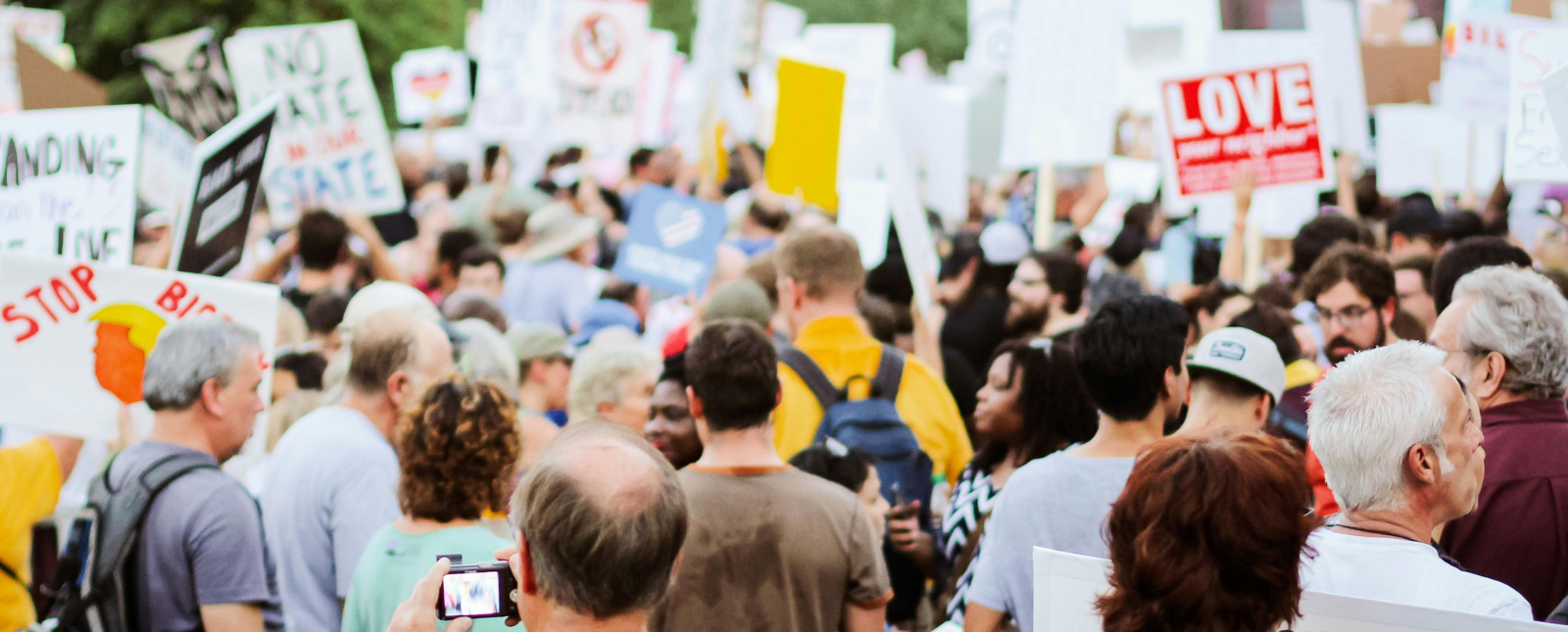
Politically active people — including protesters and those engaging outside elections — are better represented than inactive citizens, write Jesper Lindqvist, Jennifer Oser, Ruth Dassonneville, Mikael Persson, and Anders Sundell. Images of placard-wielding protesters are a common feature in global media reporting. But do they affect policy outcomes any better than inactive people? Read more
Kevin Meyvaert
Young people in Europe and, by extension, the West, are increasingly disengaging from electoral politics. Academic studies are still trying to understand the phenomenon. But Kevin Meyvaert argues that without a moral narrative of justice and fairness, we will never succeed in reconnecting all citizens to democratic life Read more
Swaptik Chowdhury
Swaptik Chowdhury argues that the postwar model of governing through economic growth and trade can no longer address planetary-scale crises. Drawing on deliberative democracy experiments and emerging AI tools, he makes the case for governance grounded in shared decision-making rather than market coordination alone Read more
Annamária Sebestyén
In countries experiencing democratic backsliding, opposition MPs must confront not only the crisis of political representation but also structural constraints that limit their influence. Drawing on research in Hungary, Annamária Sebestyén argues that in such circumstances opposition MPs develop innovative strategies to remain politically relevant, but these have clear limits Read more
Andrew Richard Ryder
Andrew Richard Ryder argues that Trump is intent on political vandalism that will undermine the postwar rules-based international order. That order may not have been perfect, but Trump's administration desires a return to interwar dog-eat-dog expansionism and virulent nationalism. Forthcoming elections in Hungary in April, and the USA in November, represent an important opportunity to thwart these regressive ambitions Read more
Klaudia Koxha
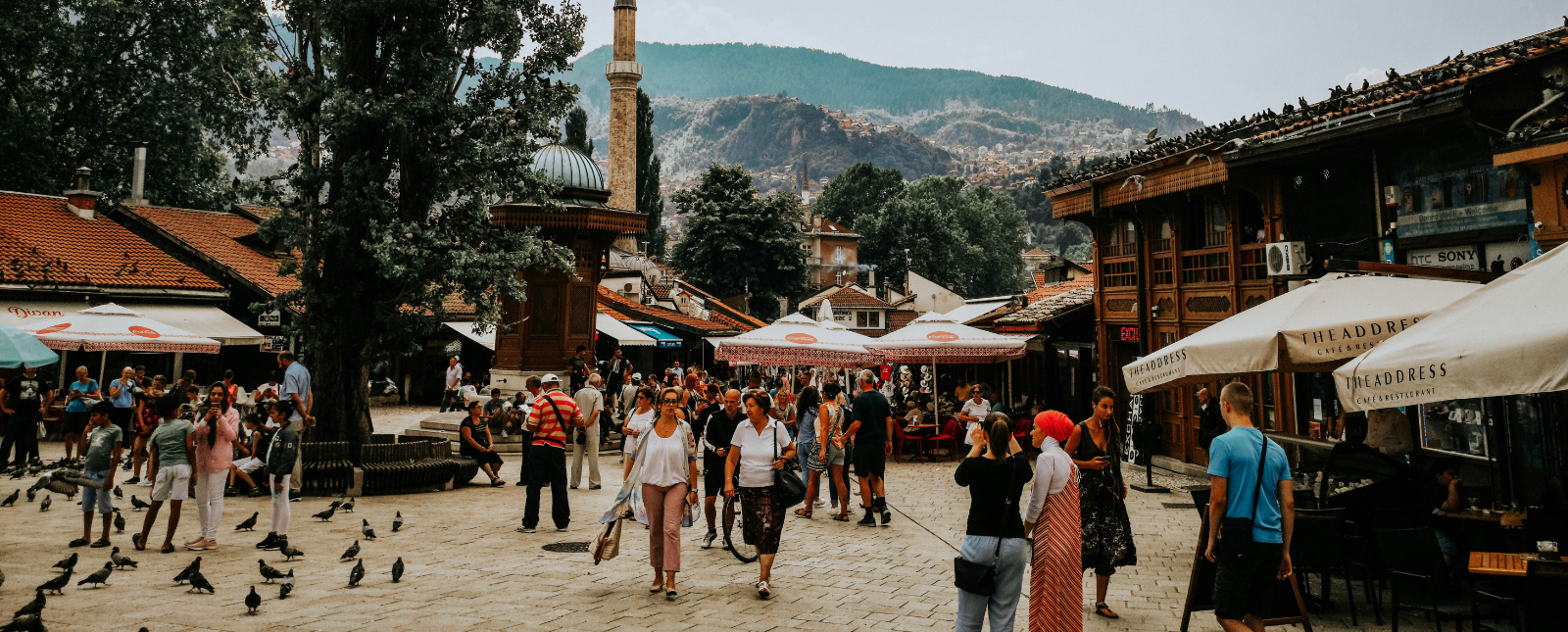
Gender equality is a fundamental EU value and a condition for the accession of new members. Yet political parties in Western Balkan candidate countries rarely prioritise it. Klaudia Koxha explains why: parties respond when Brussels and voters agree, but go quiet when their positions clash, especially on LGBTQ+ rights Read more
Yida Zhai
The Science of Democracy 2.0 challenges current uses of the term 'democracy'. Yida Zhai argues that these uses are not universal but culturally specific. This, he says, makes them inadequate for describing the political realities of the human species as a whole Read more
Amit Singh
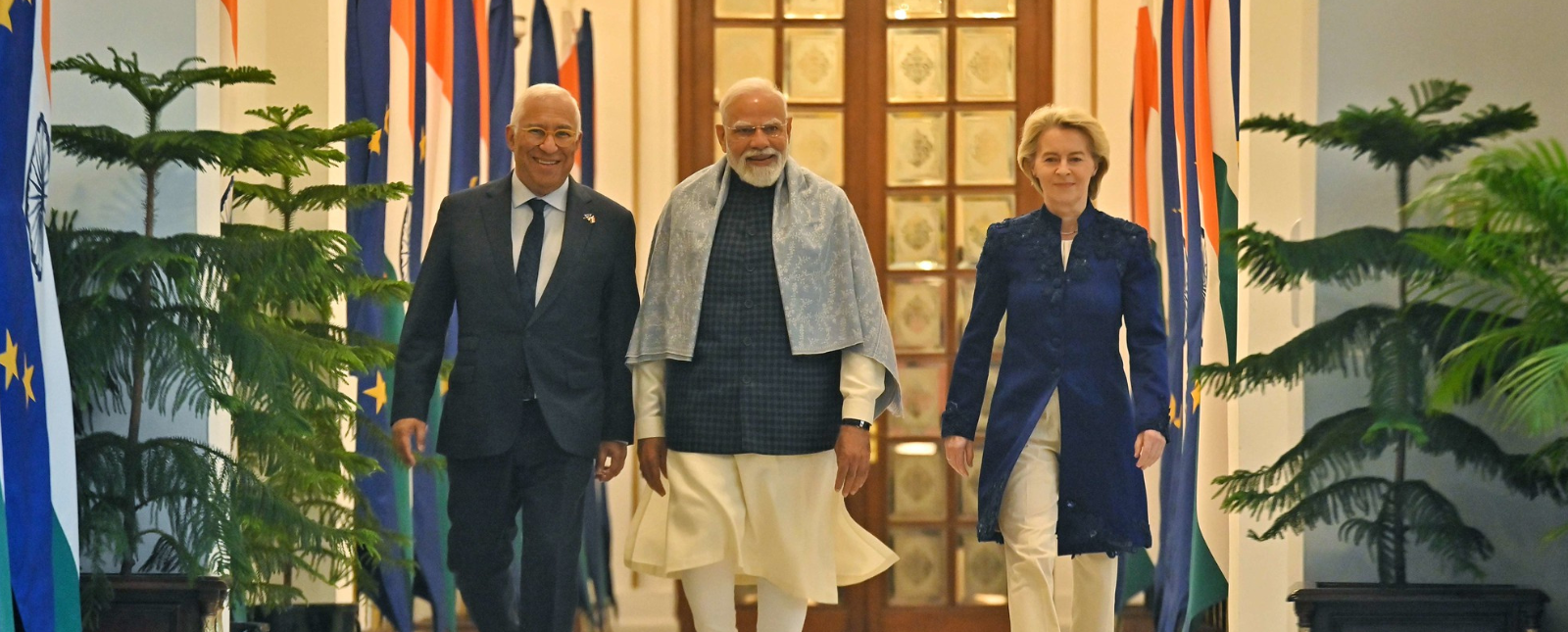
The EU’s expanding engagement with India, notably the proposed 'mother of all deals' free trade agreement, signals a strategic partnership. Yet without clear human-rights benchmarks, this cooperation risks legitimising India’s democratic backsliding and weakening the EU’s own normative credibility, argues Amit Singh Read more
We use necessary cookies to make our site work. We'd also like to set analytics cookies that help us make improvements by measuring how you use the site. These will be set only if you accept.
▼
Strictly Necessary Cookies
Necessary cookies enable core functionality such as security, network management, and accessibility. You may disable these by changing your browser settings, but this may affect how the website functions.
▼
Analytics Cookies
Google Analytics
We'd like to set Google Analytics cookies to help us improve our website by collecting and reporting information on how you use it. The cookies collect information in a way that does not directly identify anyone. For more information on how these cookies work please see our Privacy Notice.