Pedro Fierro
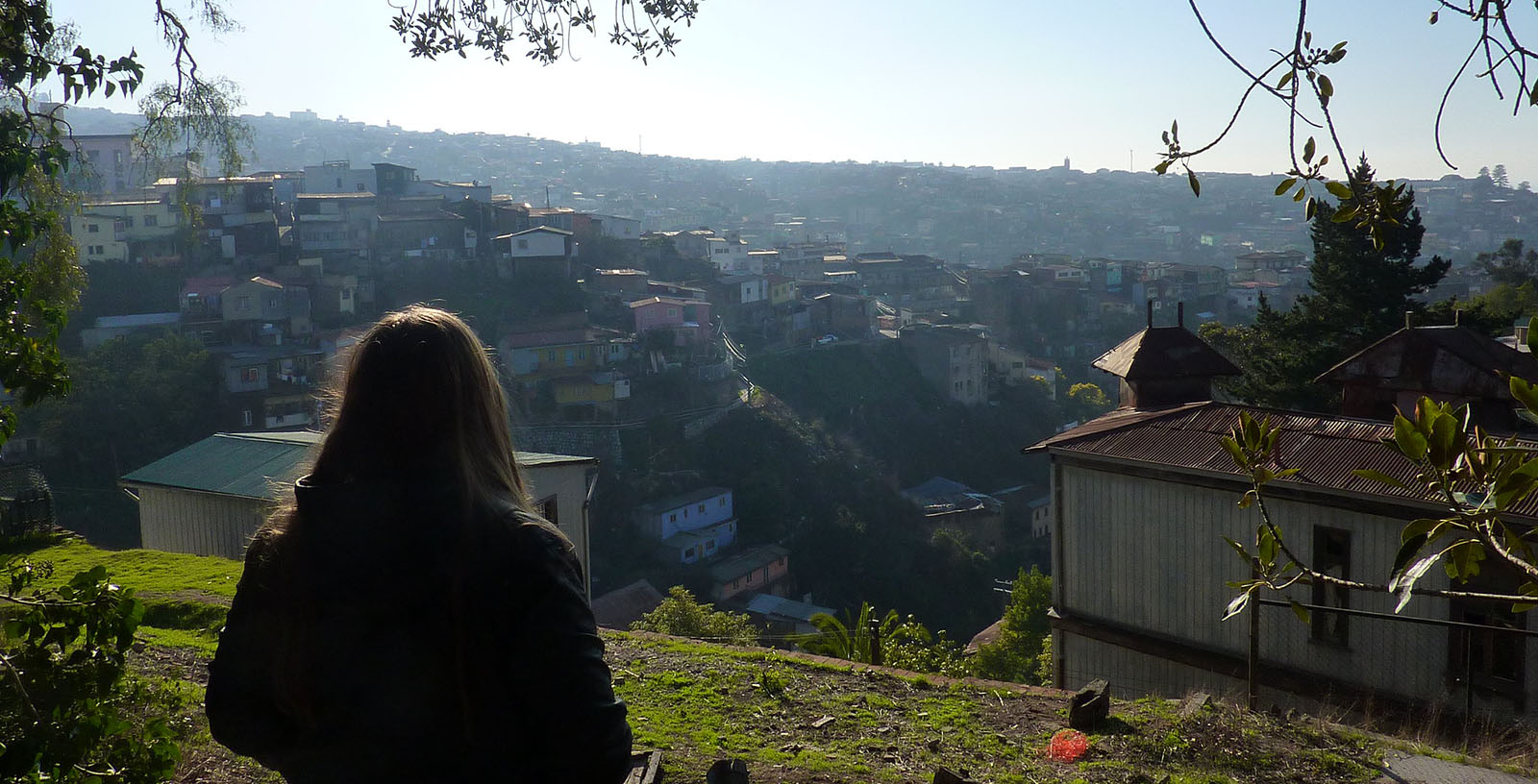
The people of Chile have rejected two constitutional proposals in little more than a year. Why? Pedro Fierro reveals that there are areas in Chile where residents reject politics entirely. This sentiment transcends ideological divides, and may have significantly influenced both constitutional processes Read more
Jesi Carson
Feminist and justice-oriented design frameworks offer pathways to democratic transformations. Jesi Carson draws on her experience as design practitioner and researcher in collaborative projects including Participedia and the Global Classroom for Democracy Innovation to explore the transformative potential of design thinking Read more
Manu Savani
As political participation, government services, and social interaction increasingly go digital, are we ready for i-voting – remote online voting – through a few clicks on a phone or laptop? Justin Fisher and Manu Savani look at what makes British voters willing to take up i-voting Read more
Jennifer Greiman
Herman Melville’s 'ruthless democracy' is a creative performance, argues Jennifer Greiman, which guides Melville’s experimental prose and poetry. This sought to reimagine democratic relations, possibilities, and ways of being as matters for aesthetic thought and work – with strong implications for political theory Read more
Muhammad Edita
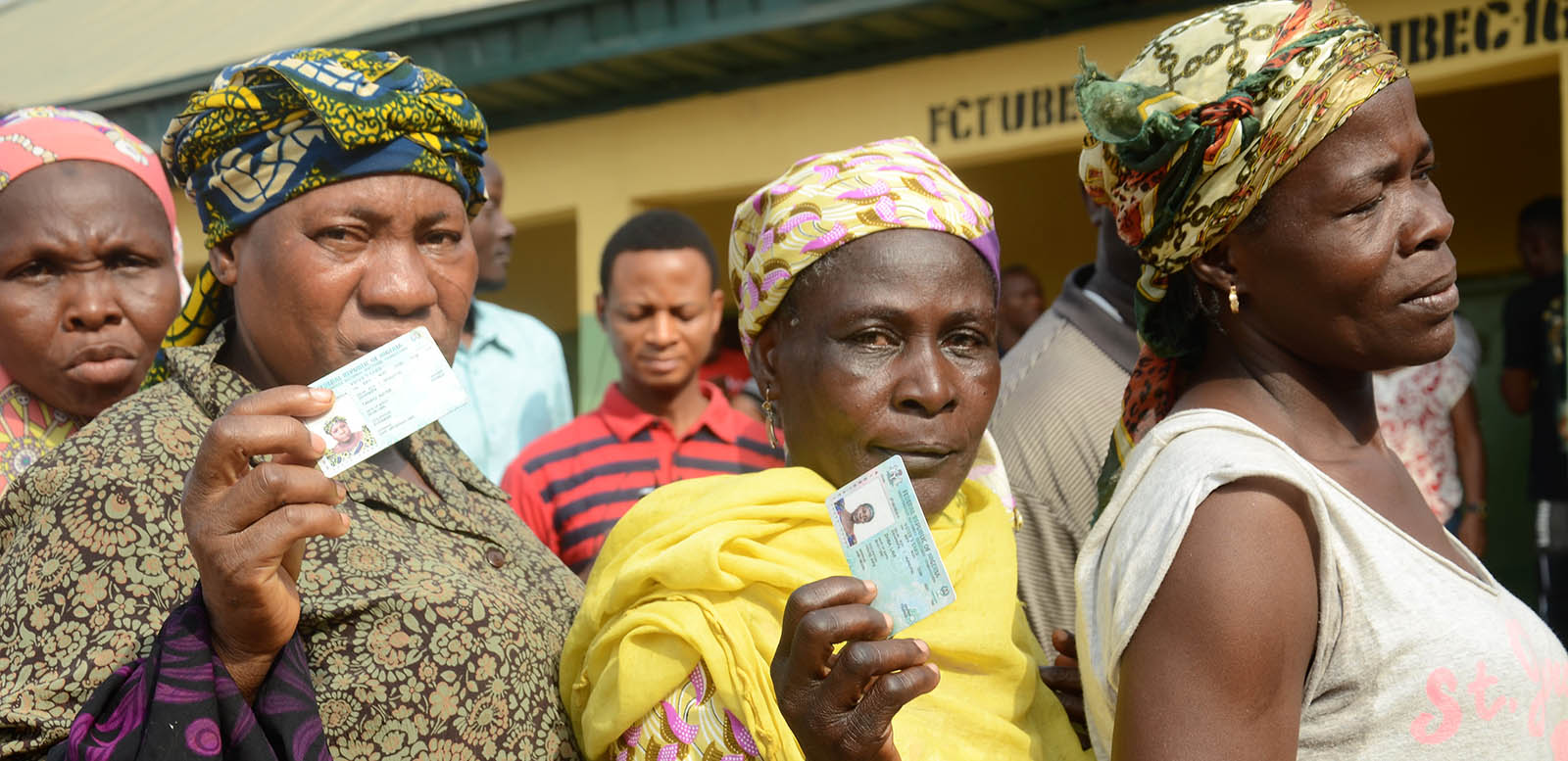
Since 2015, technology has helped consolidate Nigerian democracy by ensuring transparency and fairness in elections. Yet, writes Muhammad Edita, in Nigeria's most recent elections, the malfunctioning or manipulation of technology has – paradoxically – led to defeated parties challenging electoral results Read more
Joanie Willett
Local elections have just taken place in the UK. Yet despite decades of devolution deals, and various iterations of 'Levelling Up', UK local government remains economically unequal and centralised. The US, by contrast is highly decentralised. Joanie Willett says we can learn from the US about the importance of capacity building, a vibrant civil society, and encouraging people to feel invested in their towns’ future Read more
Mark McKergow
Conventional democracy does not serve the community or neighbourhood level well. We must find alternative ways to facilitate inclusive action, support those seeking to make a difference (often with tiny resources), and build co-operation. Mark McKergow and Jenny Clarke set out key features of neighbourhood democracy, and suggest relevant practices as inspiration Read more
Karen Celis
Fixing numbers is not enough. In their second-generation design for inclusive democracy, Karen Celis and Sarah Childs refashion representation processes to incentivise elected representatives to care more for diverse citizens. The designed-for effects? Experiencing better representation ‘in the round’, the most marginalised feeling recognised by and connected with democratic politics Read more
We use necessary cookies to make our site work. We'd also like to set analytics cookies that help us make improvements by measuring how you use the site. These will be set only if you accept.
▼
Strictly Necessary Cookies
Necessary cookies enable core functionality such as security, network management, and accessibility. You may disable these by changing your browser settings, but this may affect how the website functions.
▼
Analytics Cookies
Google Analytics
We'd like to set Google Analytics cookies to help us improve our website by collecting and reporting information on how you use it. The cookies collect information in a way that does not directly identify anyone. For more information on how these cookies work please see our Privacy Notice.