Samuel Brazys
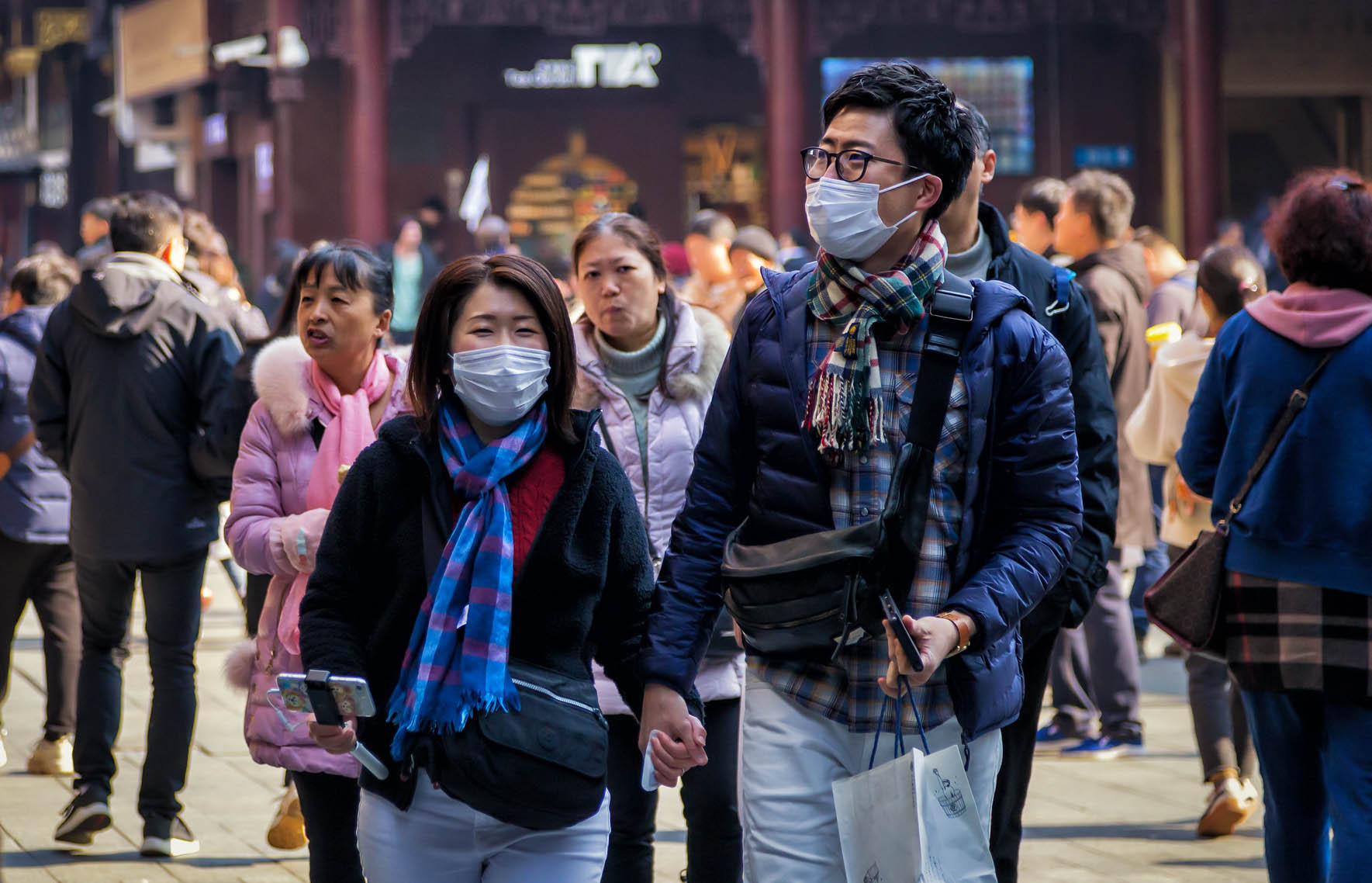
China seeks to control the international narrative on its role in the pandemic. But while Beijing cannot always deflect criticism, its mask diplomacy efforts and external propaganda streams do affect China’s image, write Samuel Brazys, Alexander Dukalskis and Stefan Müller Read more
Jun Koga Sudduth
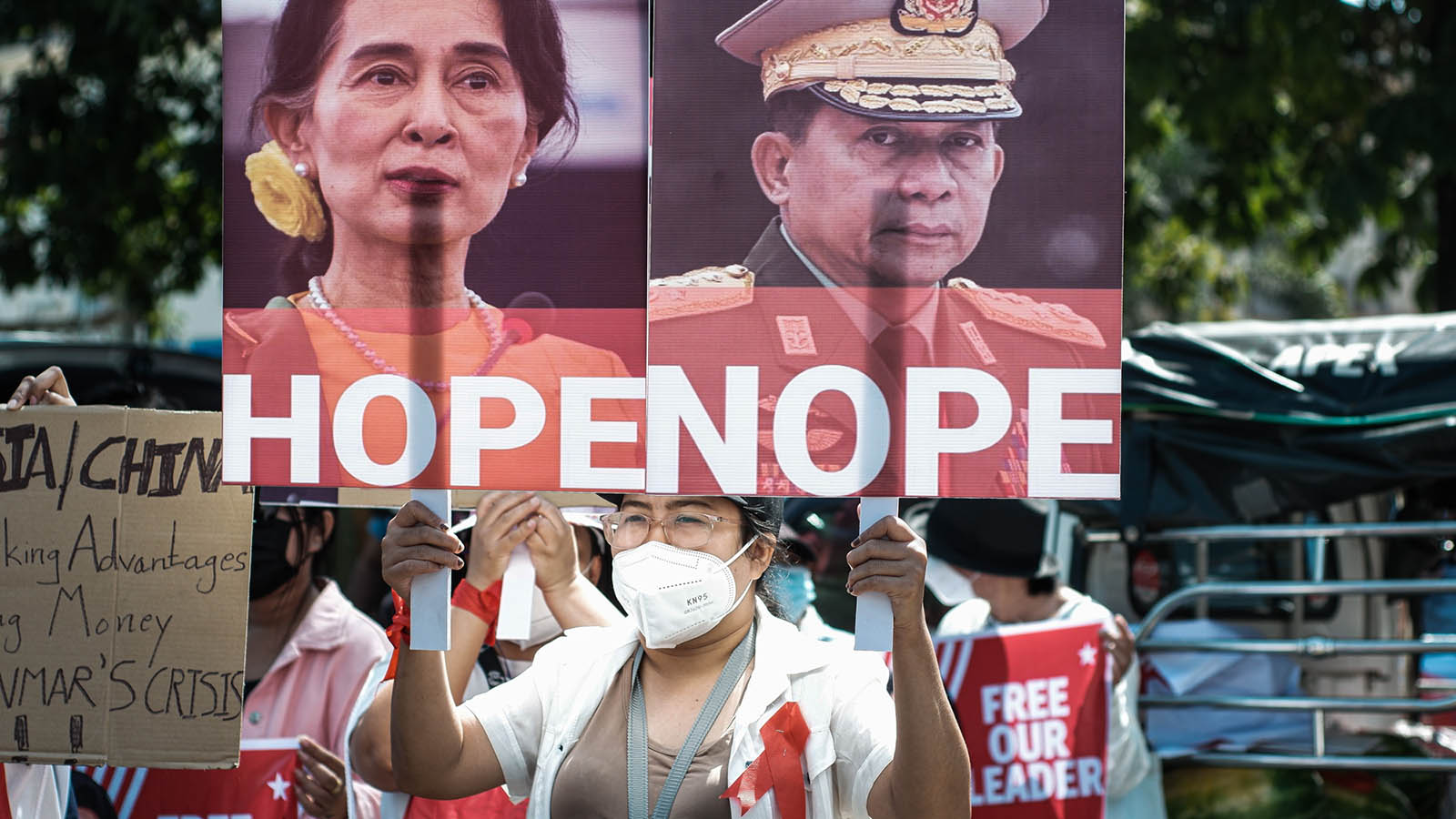
Does the creation of nominally democratic institutions help dictators stay in power by reducing the risk of coups d’etat? Jun Koga Sudduth analyses and categorises different types of coup, and their effects. In so doing, she confounds the conventional wisdom that democratic institutions reduce the likelihood of dictators being overthrown Read more
Alexander Dukalskis
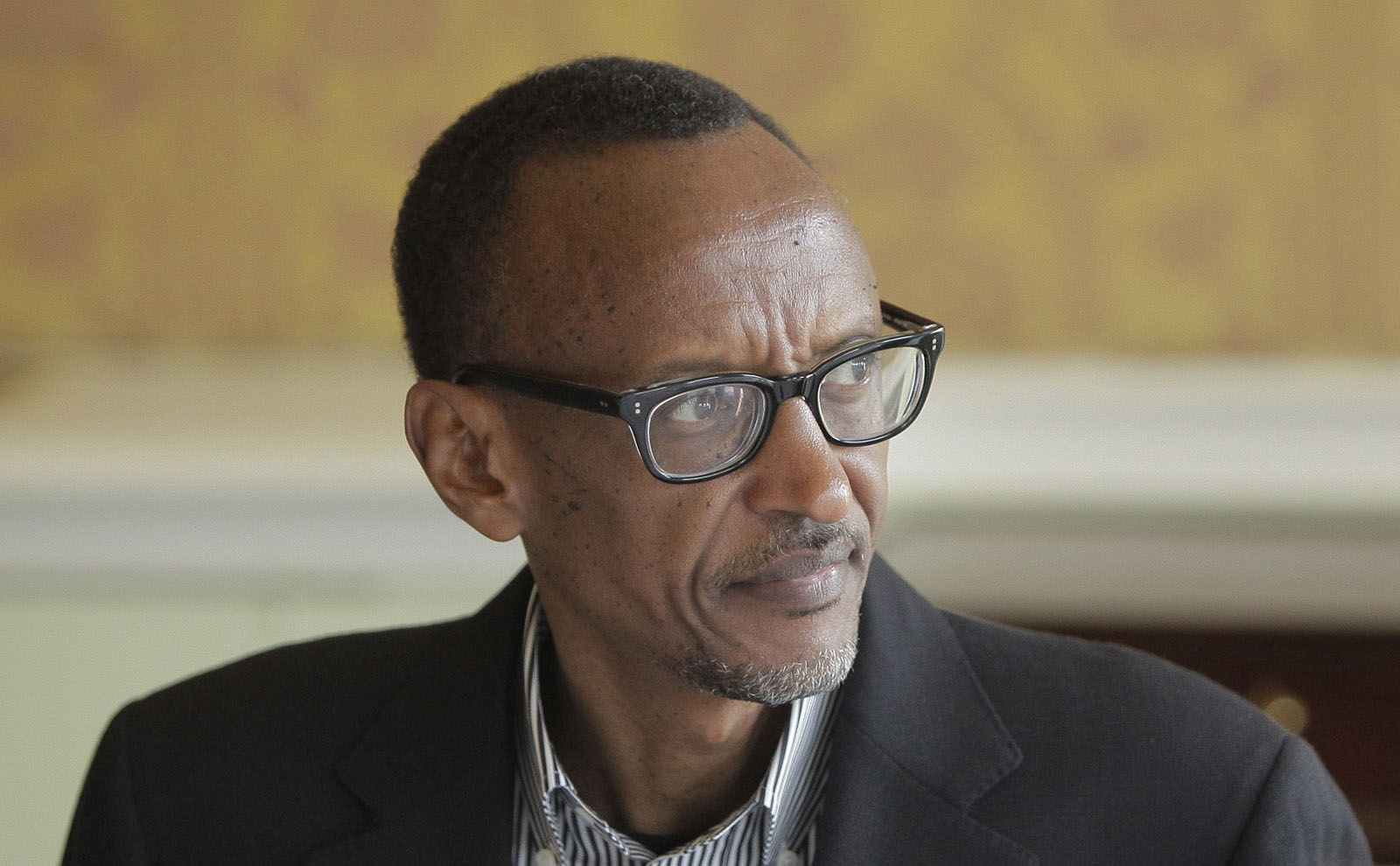
Authoritarian states deliberately use a number of tools to manage their image internationally, writes Alexander Dukalskis. Creating positive news, distracting and silencing critique, and shaping elite opinion help make the world safer for dictatorships Read more
Aliaksei Kazharski
Following the end of the Cold War, the Visegrád 4 of Hungary, Poland, Czechia and Slovakia embarked on a 'return to the West'. These countries, writes Aliaksei Kazharski, are hardly beacons of democracy. But could they anchor Europeanisation and democratic change in East-Central Europe? Read more
Lars Pelke
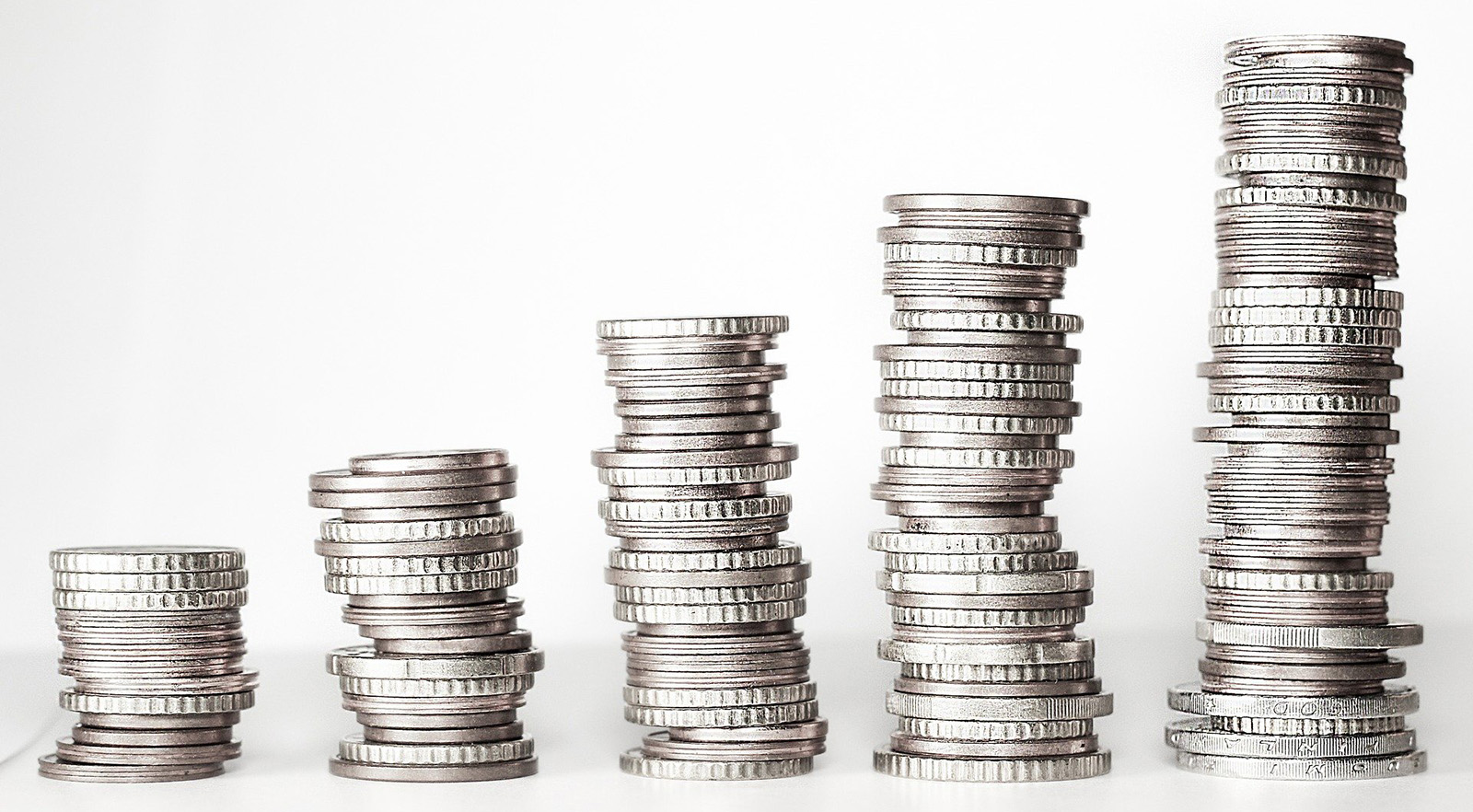
It is a common assumption that autocrats have no incentive to redistribute income and wealth. Not so, says Lars Pelke. Uncertainty about the outcomes of autocratic elections can incentivise dictators to redistribute wealth, especially when the incumbents’ ruling coalition is inclusive Read more
We use cookies to ensure that we give you the best experience on our website. If you continue to use this site we will assume that you are happy with it.