Gulay Icoz
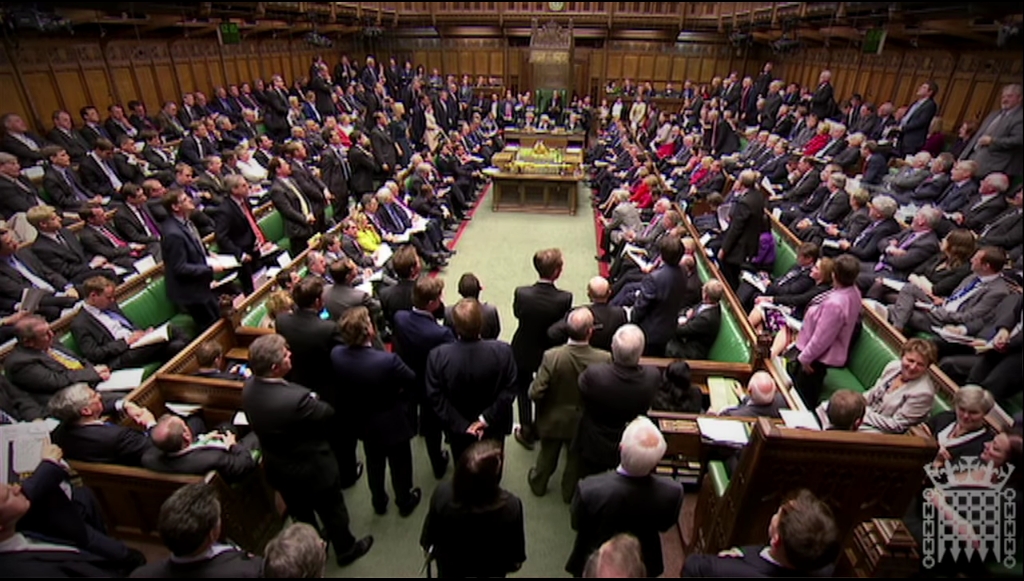
Westminster's voting system is failing, and 193 MPs have demanded change. But democracy's defenders must guard institutional gains and address the grievances on which the far-right feeds. A National Commission, says Gulay Icoz, honours both. Hasty legislation honours neither Read more
Eytan Ellenberg
Eytan Ellenberg uses Israel’s fragmented party system to ask four questions often collapsed into one: can a new party enter parliament, enlarge its political bloc, improve its chances of governing, and reconfigure the alliances through which a majority becomes possible? Read more
Pierce Leslie
Drawing on developments in candidate selection across British political parties, Pierce Leslie argues that Britain’s representative disconnect begins long before election day. While it is local constituencies who elect MPs, party rules, vetting procedures and emergency panels increasingly decide who becomes a realistic parliamentary choice Read more
Maike Bernhard-Rump
Maike Bernhard-Rump argues that citizens’ trust in elections is shaped less by actual risks than by how they imagine them. Drawing on evidence from Germany and Austria, she shows why perceptions of voting security — not digital threats — play a decisive role in shaping electoral confidence Read more
Alexander Davenport
A growing share of Western European electorates holds a set of ideological positions to which only liberal parties can adequately cater, argues Alexander Davenport. While this has yet to bring increased success for most parties, the potential remains for them to reshape politics in the region Read more
Matthew E Bergman
Matthew E Bergman reveals how so-called valence populism (populism focused on competence and good governance rather than ideology) has a potential electoral disadvantage. While non-ideological messages that focus on good governance may broaden electoral appeal, lacking an ideological core can also cost votes. The fortunes of Italy’s Five-Star Movement offer a cautionary tale Read more
Dennis Shen
Georgia’s elections on 26 October highlighted its balancing act between ties with the West and managing a complex relationship with Russia. Dennis Shen explains how competing visions for the country’s future, challenging geopolitics and potential sanctions threaten socio-political stability. Read more
Gaetano Scaduto
Our response to political manifestos during elections usually reflects the different ways we think about politics. Yet, we can also demonstrate our politics in less obvious stereotypical associations, including consumption and lifestyle choices, argue Gaetano Scaduto and Fedra Negri, through an experiment they conducted on food in Italy. Read more
We use necessary cookies to make our site work. We'd also like to set analytics cookies that help us make improvements by measuring how you use the site. These will be set only if you accept.
▼
Strictly Necessary Cookies
Necessary cookies enable core functionality such as security, network management, and accessibility. You may disable these by changing your browser settings, but this may affect how the website functions.
▼
Analytics Cookies
Google Analytics
We'd like to set Google Analytics cookies to help us improve our website by collecting and reporting information on how you use it. The cookies collect information in a way that does not directly identify anyone. For more information on how these cookies work please see our Privacy Notice.