Marius Bales
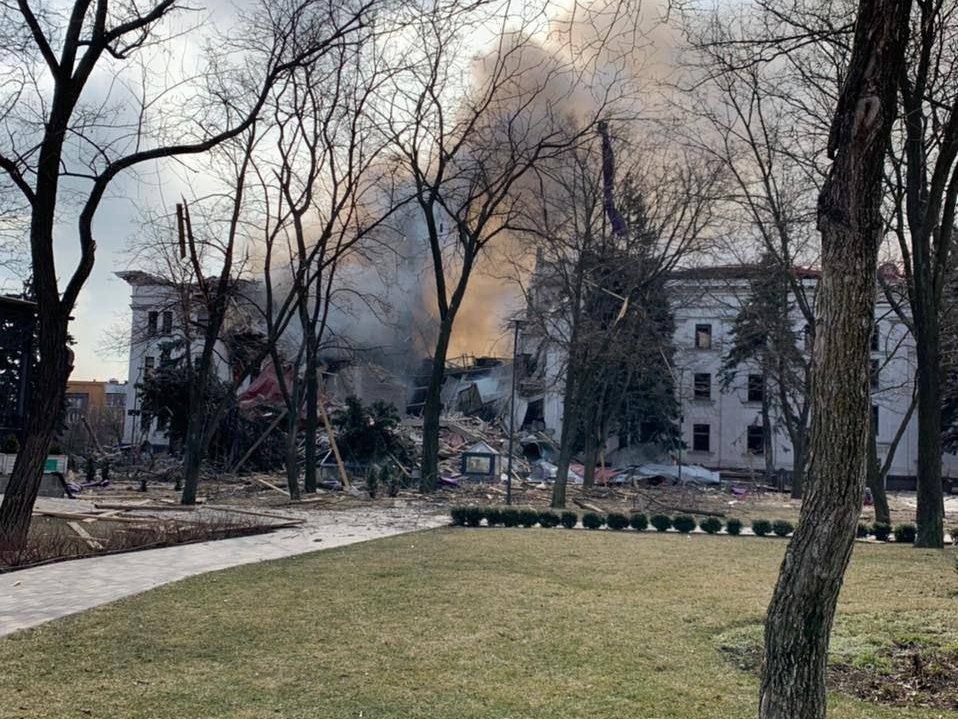
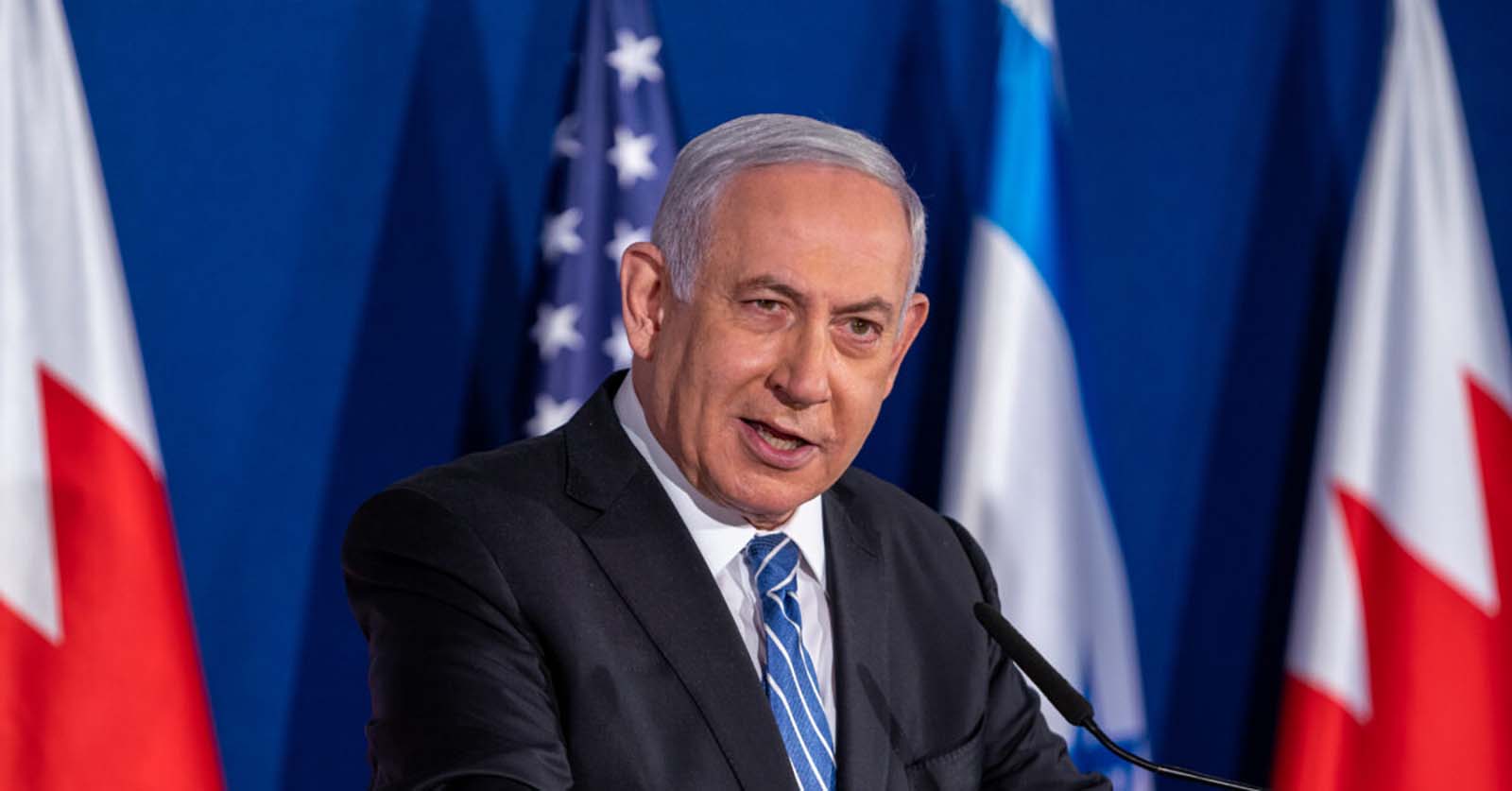
Marius Bales and Max Mutschler argue that precision weapons do not protect civilians. Indeed, in autocratic systems, they can make civilian suffering more targeted. In eroding democracies such as Israel and the US, weakening checks on executive power may also loosen military restraint Read more
Taylan Utku Düzgün
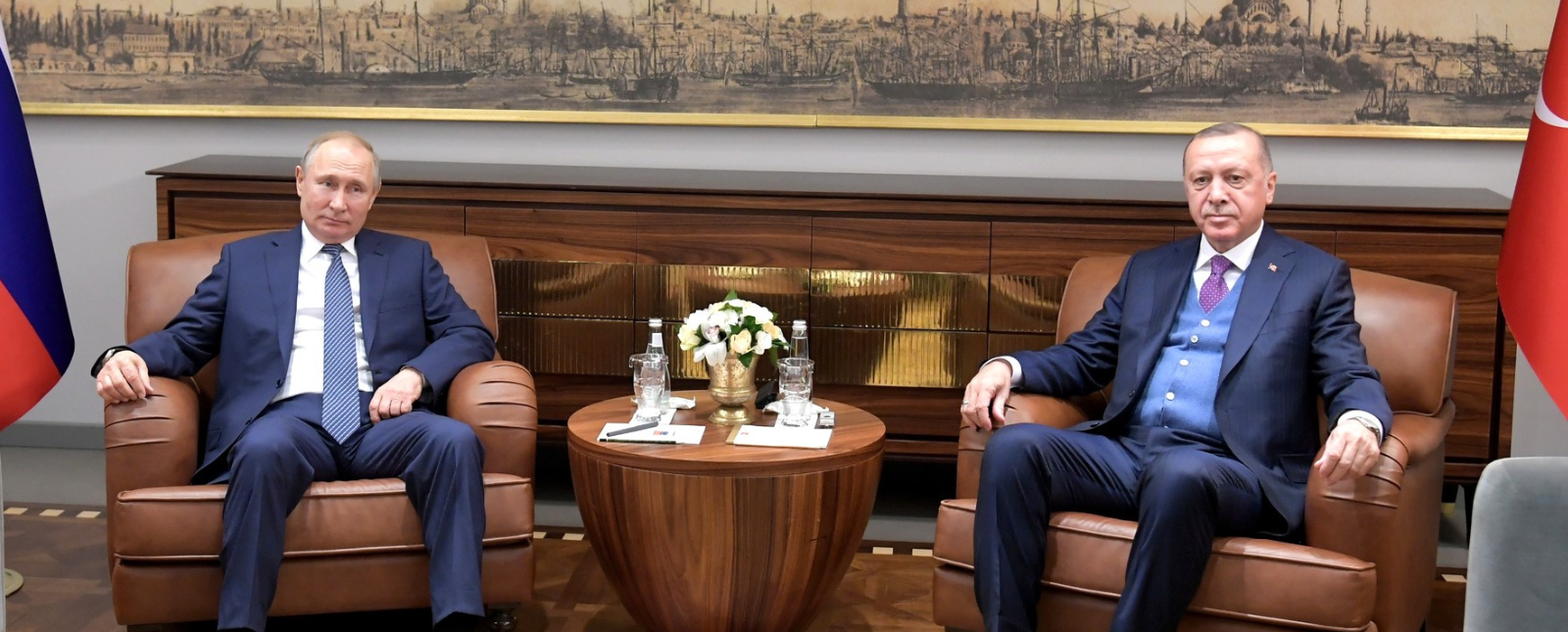
Taylan Düzgün argues that Turkish–Russian coordination in Syria has never reflected a true strategic alliance. Instead, both sides have developed limited forms of cooperation to contain escalation while pursuing fundamentally incompatible goals. The Syrian conflict shows how rivalry and coordination increasingly coexist in contemporary international politics Read more
Osman Bahadir Dinçer
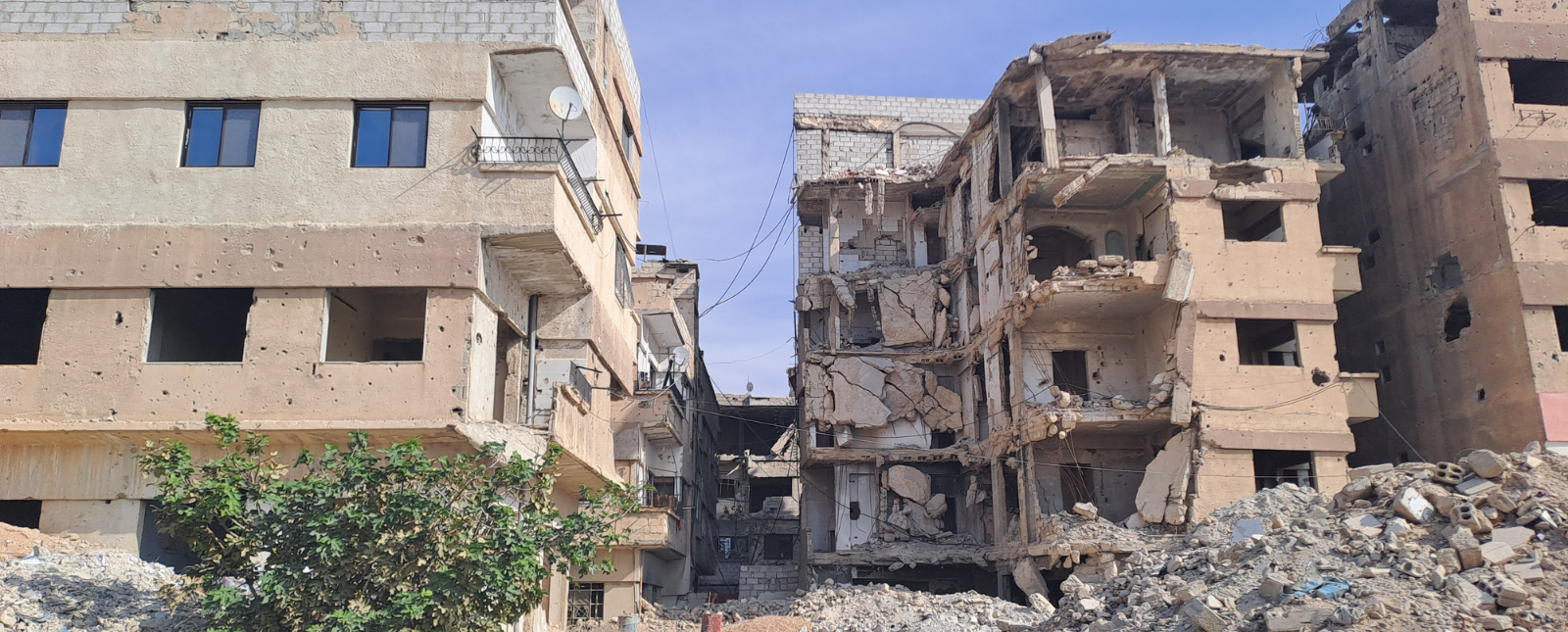
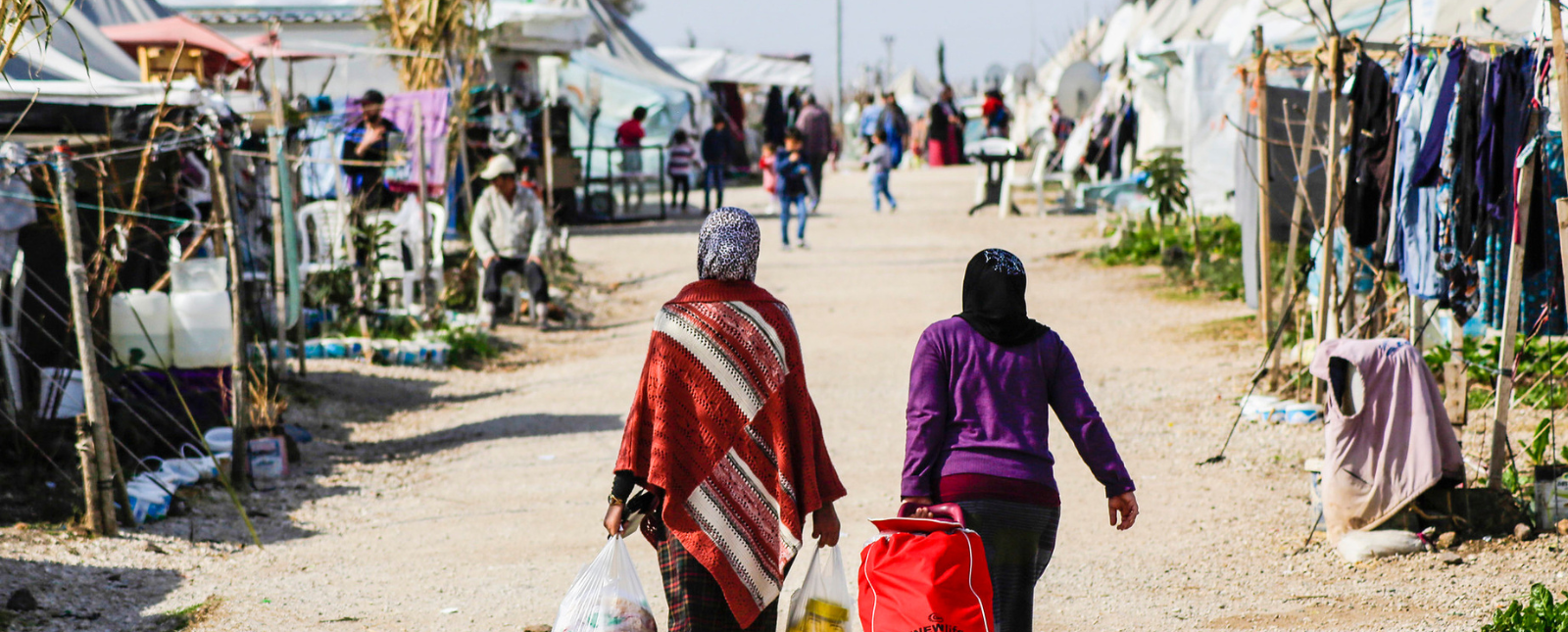
Osman Bahadir Dinçer and Zeynep Sahin-Mencütek argue that Syria is not ready for large-scale refugee return. Drawing on interviews with returnees, they show how economic collapse, weak institutions, and social fragmentation undermine reintegration. Policy debates, they say, must move beyond rhetoric to reflect realities on the ground Read more
Nadeem Ahmed Moonakal
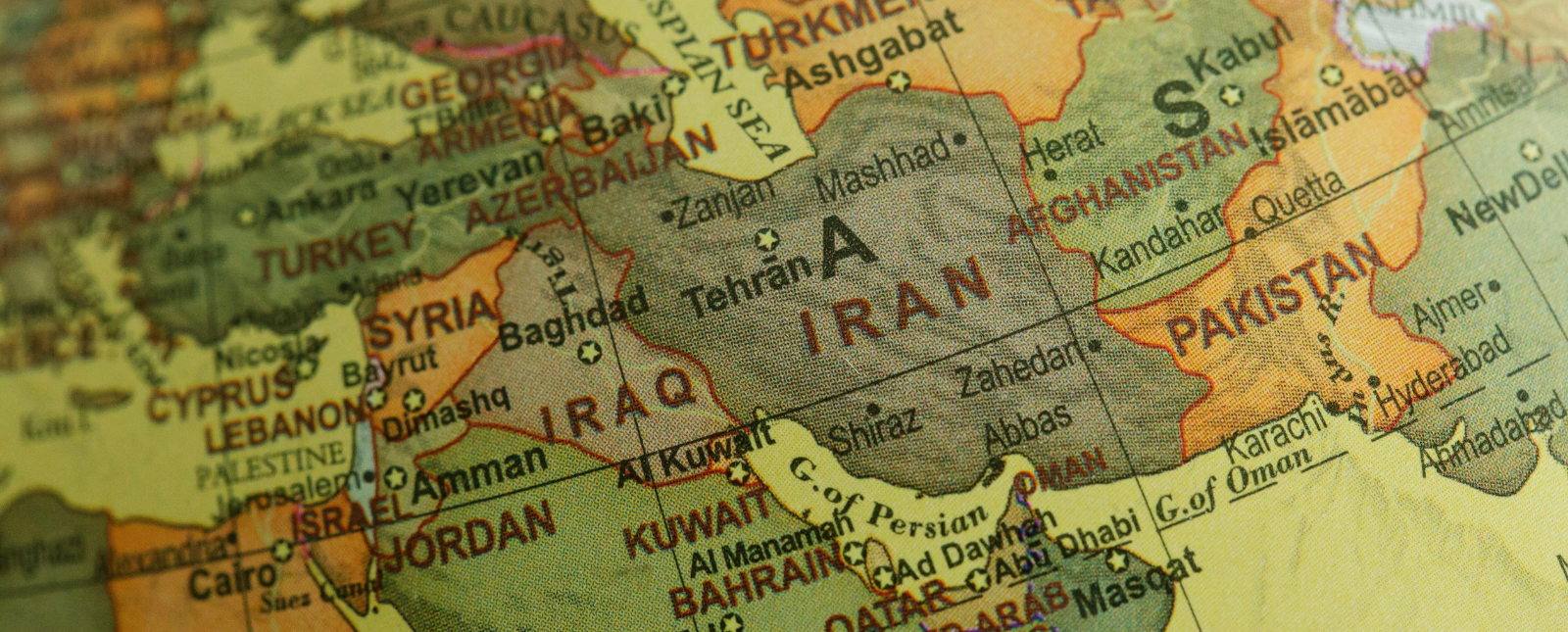
The latest escalation of conflict in the Middle East reflects significant shifts in regional geopolitics. Nadeem Ahmed Moonakal explains how unfolding events carry serious global economic implications, as each actor pursues divergent goals Read more
Nadeem Ahmed Moonakal
The Middle East is entering a phase of recalibration. As Gulf powers prioritise stability and de-escalation, says Nadeem Ahmed Moonakal, they are also positioning themselves to play a leading role in global AI, which is likely to have a profound influence on the regional geopolitical landscape Read more
Süleyman Güngör
Once seen as brothers in faith, Syrians are now at the centre of Türkiye's sharpest debate: return. Economic hardship, social fatigue, and Europe’s moral outsourcing have turned an act of solidarity into a question of justice, identity, and survival. Süleyman Güngör brings this human dilemma to the forefront — where Realpolitik, economics, security, and morality collide Read more
Andrea Novellis
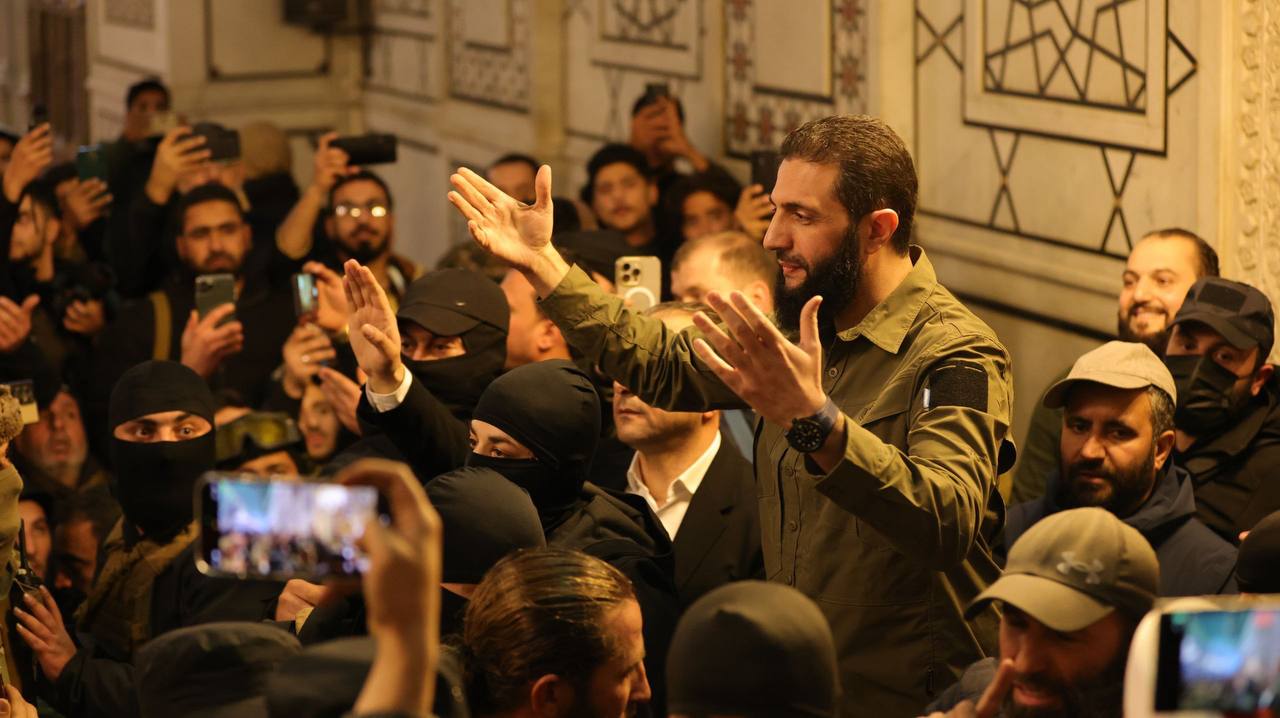
Analyses of Syria's new government focus on sectarianism. But this obscures the logic behind its dual policy of co-optation and brutality. Andrea Novellis has developed a new framework to explain this seeming contradiction. Here, he reveals how the logic of post-conflict consolidation drives the strategic use of both approaches Read more
Nadeem Ahmed Moonakal
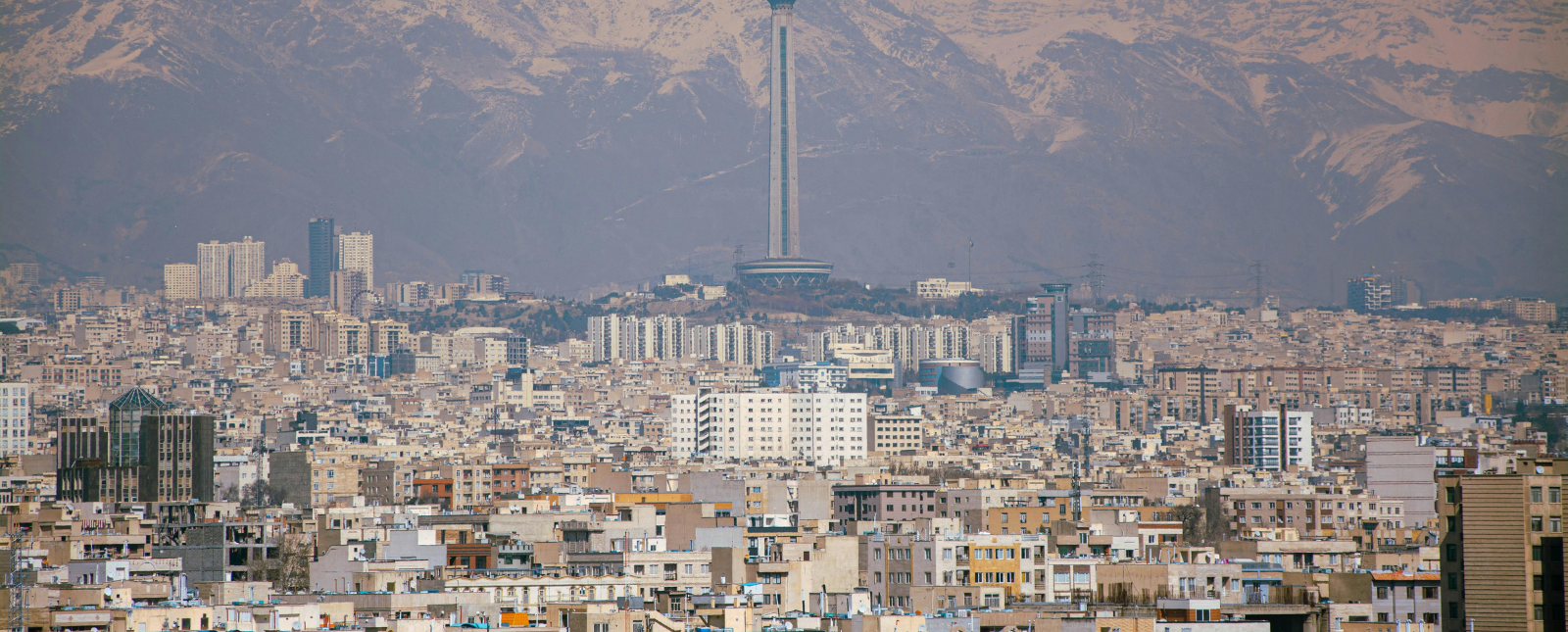
The security situation in the Middle East reflects the hard realities of power struggle and the implications of the quest for regional hegemony. Nadeem Ahmed Moonakal shows how Israel is exploiting instability to entrench dominance, while Iran’s projected restraint masks deep vulnerabilities. With the US’ ambiguous approach adding to tensions, the space for long-term stability is shrinking Read more
We use necessary cookies to make our site work. We'd also like to set analytics cookies that help us make improvements by measuring how you use the site. These will be set only if you accept.
▼
Strictly Necessary Cookies
Necessary cookies enable core functionality such as security, network management, and accessibility. You may disable these by changing your browser settings, but this may affect how the website functions.
▼
Analytics Cookies
Google Analytics
We'd like to set Google Analytics cookies to help us improve our website by collecting and reporting information on how you use it. The cookies collect information in a way that does not directly identify anyone. For more information on how these cookies work please see our Privacy Notice.