Fulvio Attinà
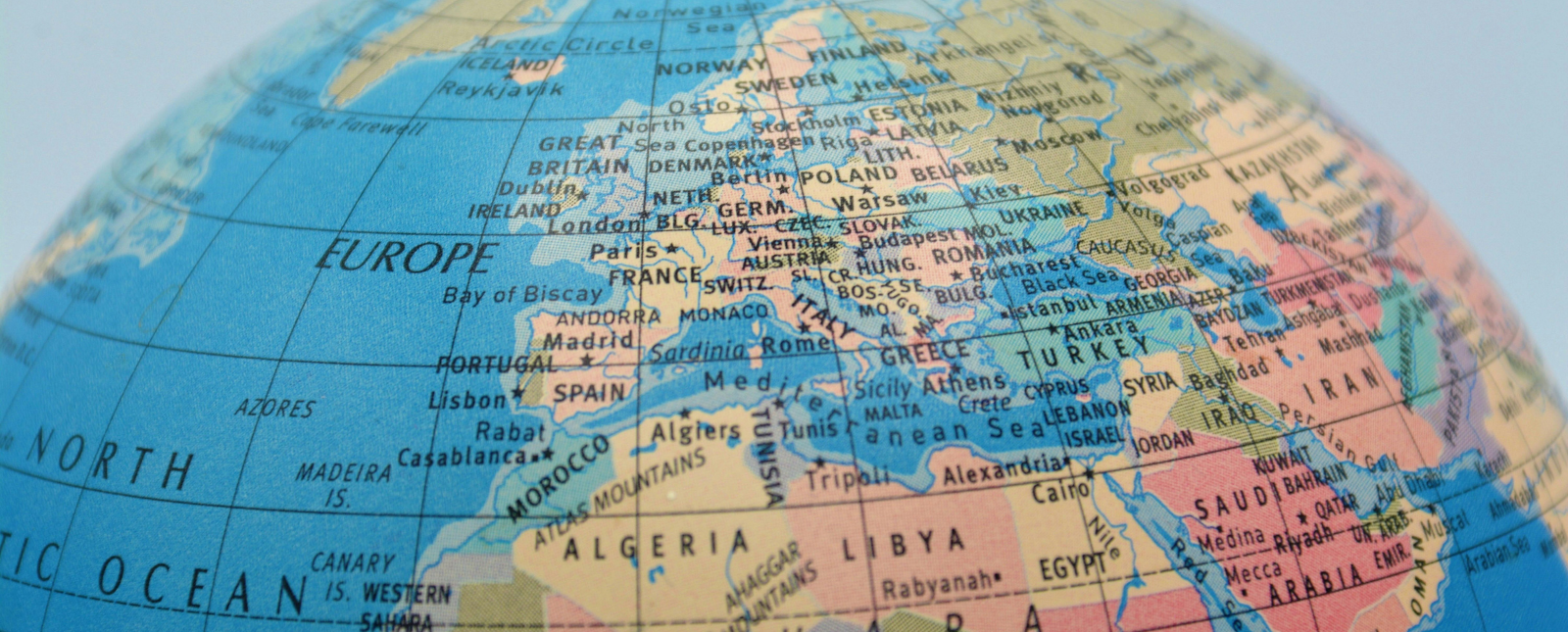
Why do regime-change wars re-emerge when global order is under strain? As multilateral institutions lose effectiveness and legitimacy, Fulvio Attinà argues that states are increasingly turning to unilateral or coalition-based force. Interventions such as those in Iraq, Libya, Ukraine, and Iran reflect not isolated crises, but a deeper process of coalition reconfiguration during systemic transition Read more
Endre Borbáth
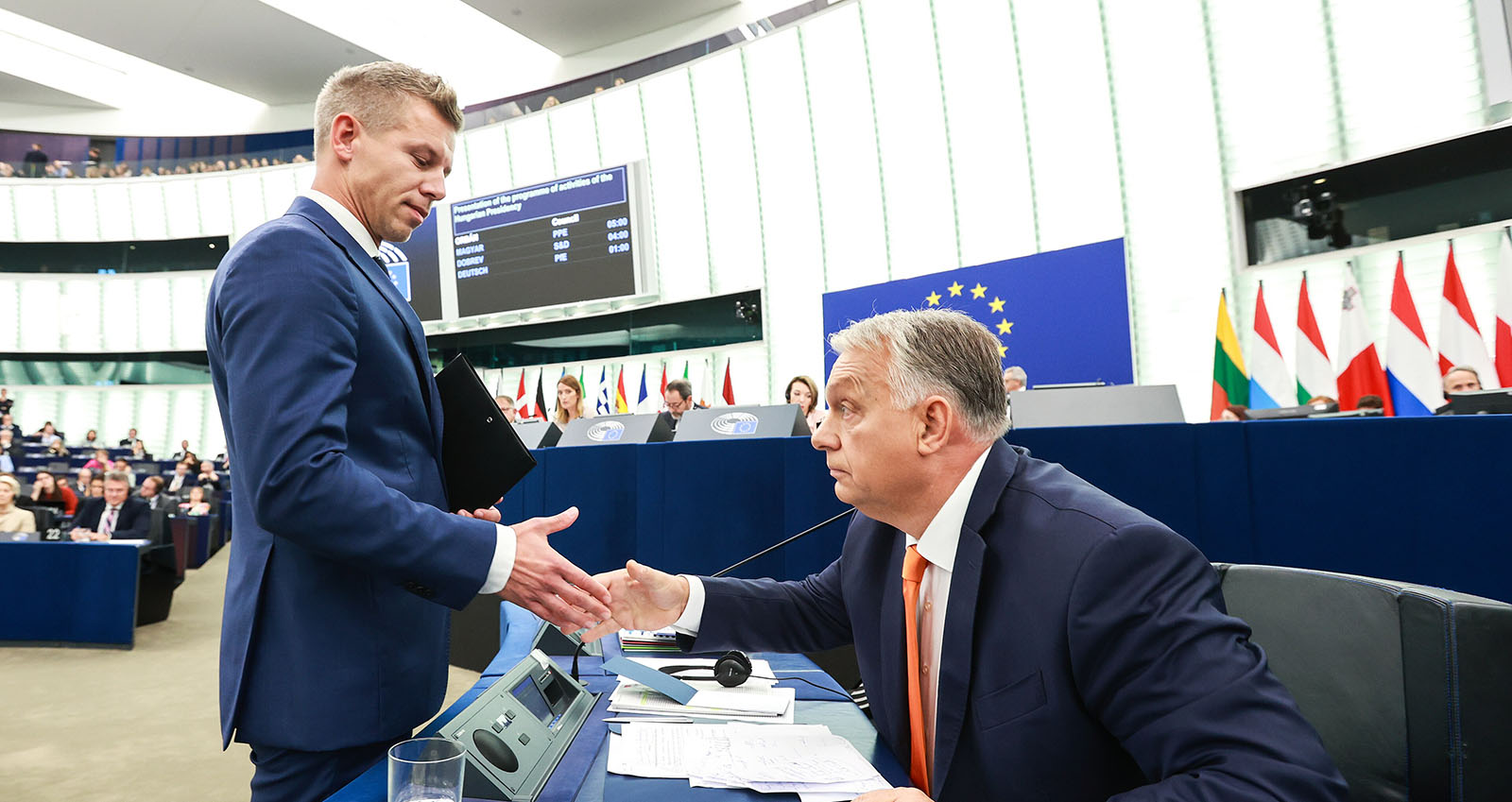
Endre Borbáth argues that Tisza’s breakthrough in Hungary was not simply the product of anti-incumbent anger or Péter Magyar’s personal appeal. It rested on a combination of cross-cutting grievances, participatory organisation, and intensive campaigning that turned a new party into a credible vehicle for regime change Read more
Tim Pires Alves
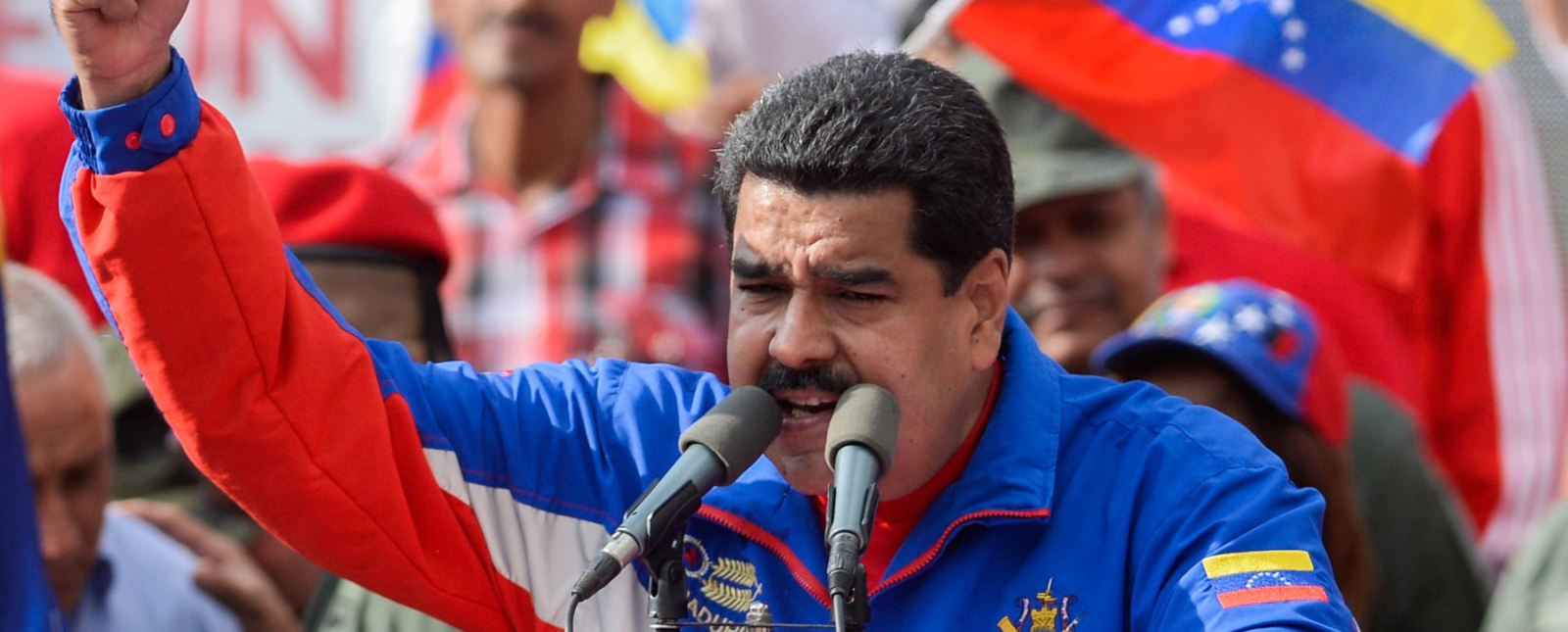
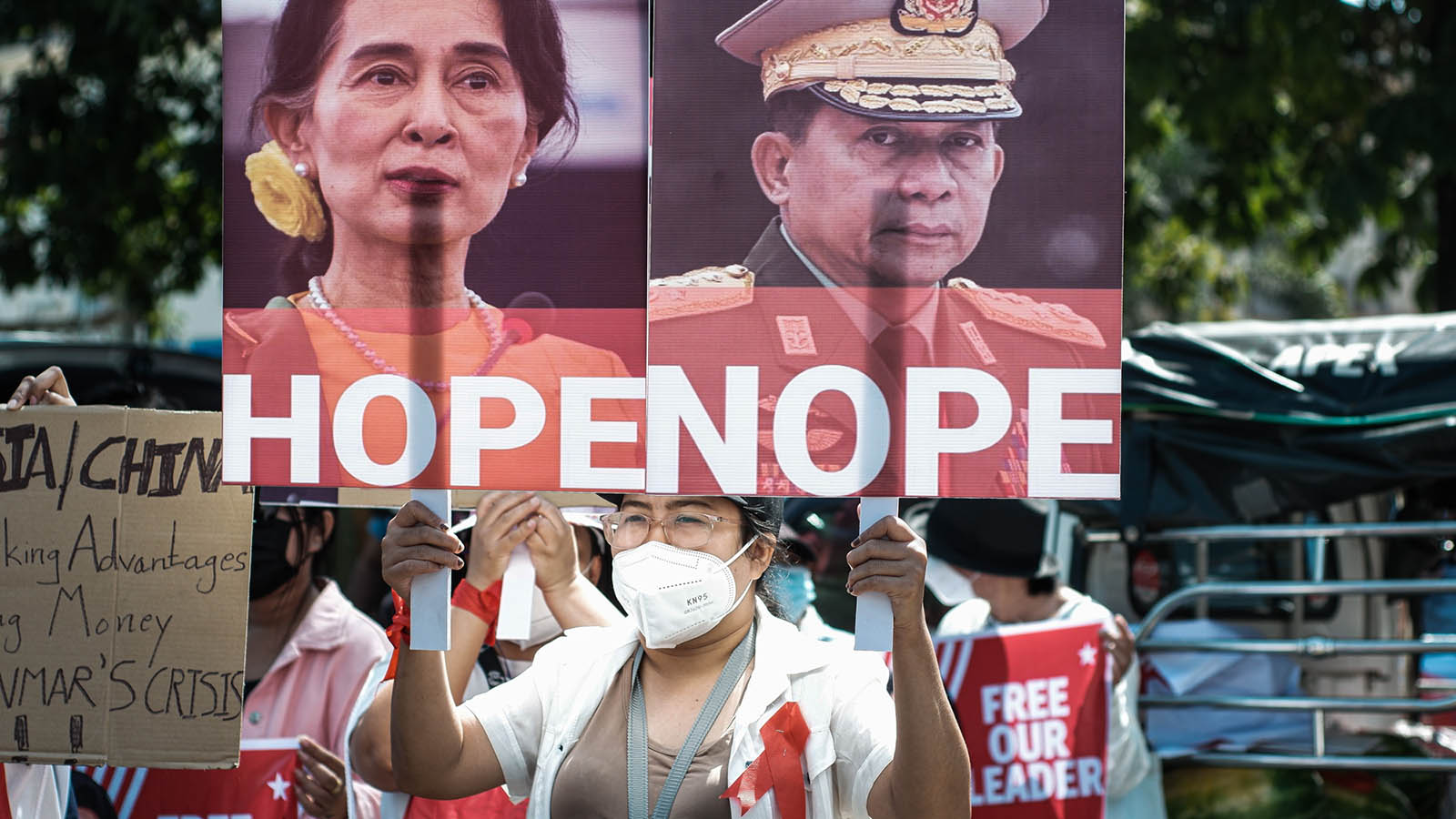
In January 2026, many believed Venezuela to be on the brink of democratic transition. Recent political developments, however, have tempered any such optimism. So, have transformative efforts come to an end, or did they ever truly begin? Tim Pires Alves outlines a possible long-term trajectory for Venezuela toward a dysfunctional democracy shaped by economic dependence and opportunism Read more
Williamkery Gaddam
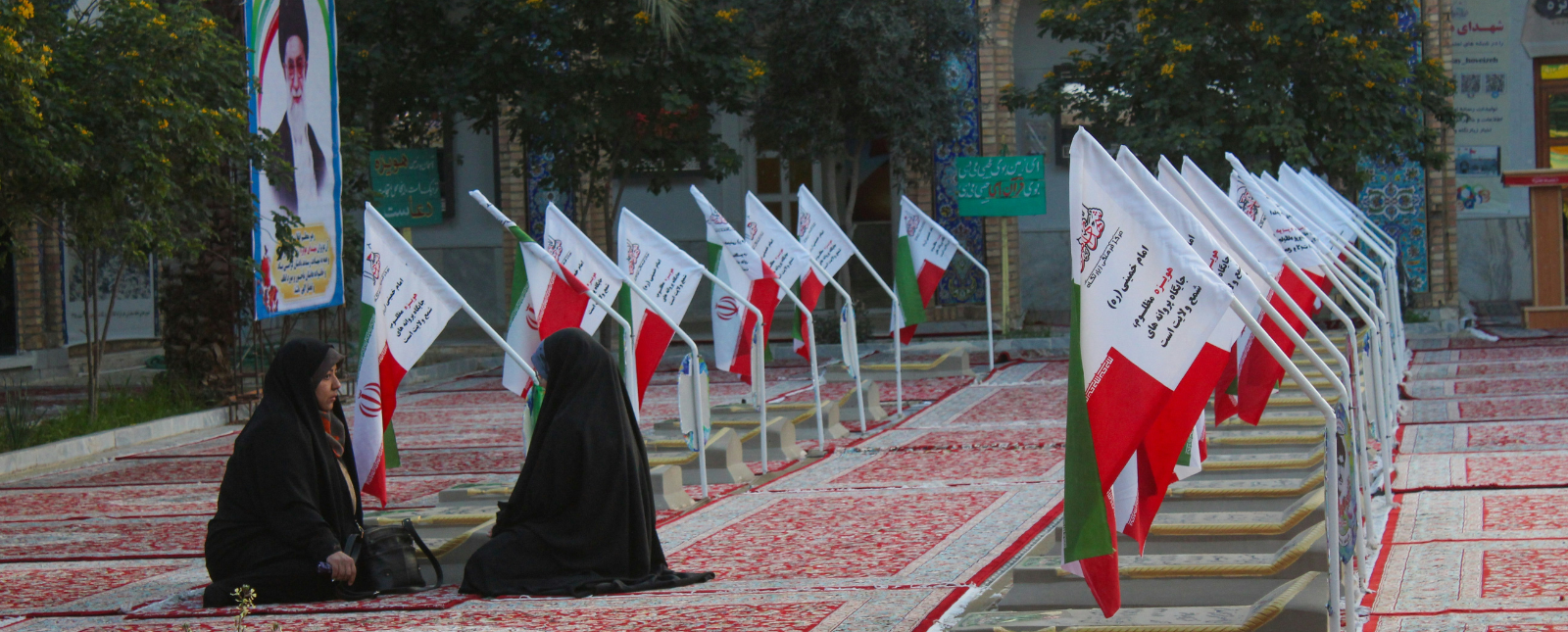
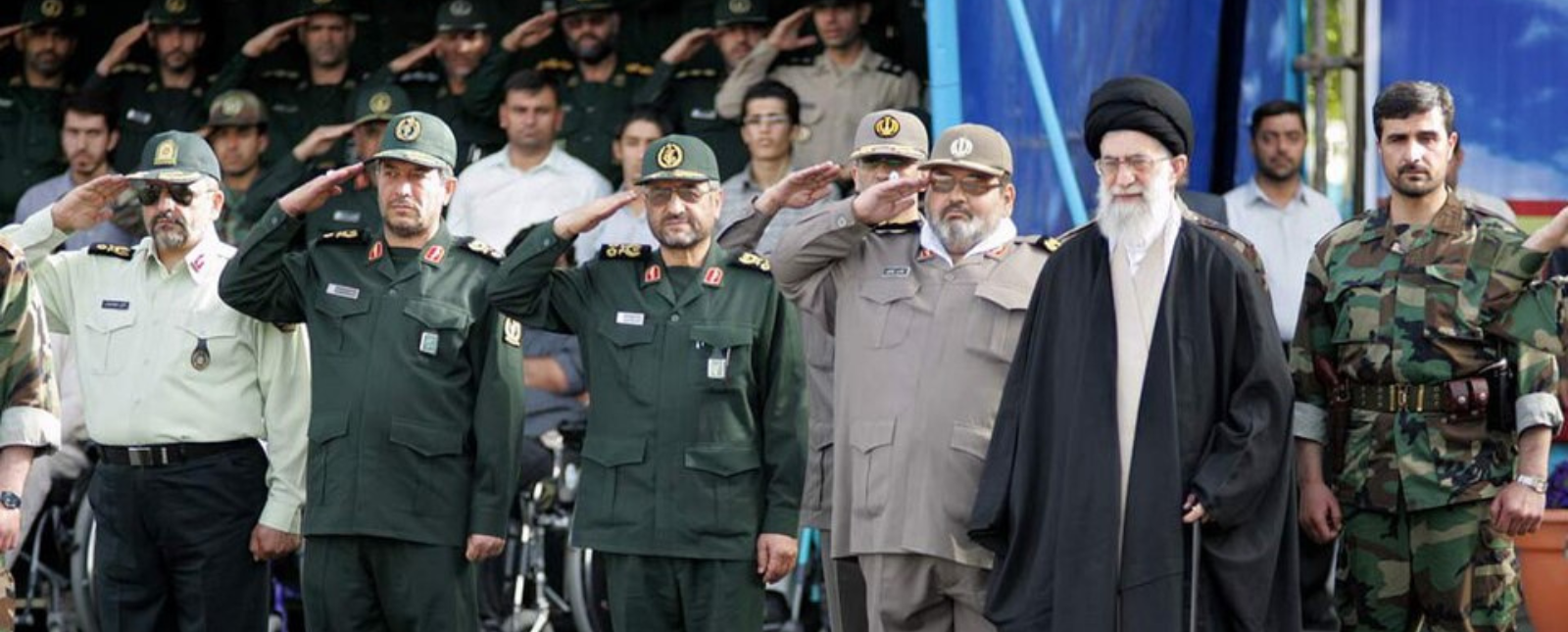
Predictions of regime collapse in Iran often misunderstand the Islamic Republic’s internal mechanics, says Williamkery Gaddam. Authority is not centralised but distributed among clerical bodies, security organisations, and political institutions. This enables the regime to manage elite competition and absorb external shocks, making externally driven transformation far harder than many observers assume Read more
Cristian Pîrvulescu
The attack on Iran by Israel and the US can be seen as an attempt to force regime change. Yet, says Cristian Pîrvulescu, authoritarian regimes rarely collapse when leaders fall. Systems built around institutions often survive because they reproduce power through structures that organise coercion and coordinate elites Read more
Hager Ali
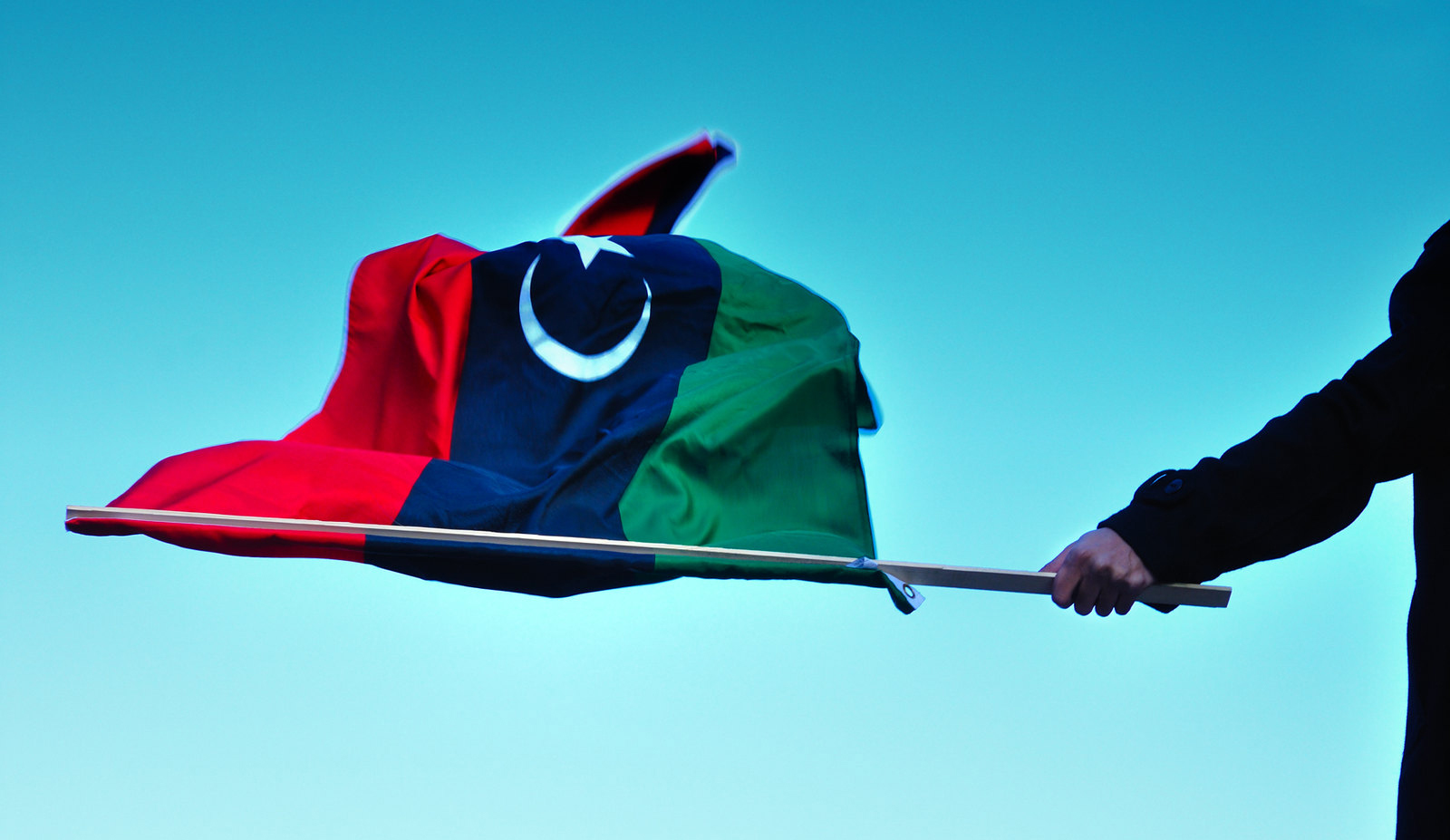
Only a few months remain before elections in Libya. But Western policymakers are focusing on election preparations and the withdrawal of foreign mercenaries, to the neglect of other pressing matters. Hager Ali argues that unless Libya tackles its political and military problems, elections may prove little more than a sticking plaster on a bullet wound Read more
Jun Koga Sudduth
Does the creation of nominally democratic institutions help dictators stay in power by reducing the risk of coups d’etat? Jun Koga Sudduth analyses and categorises different types of coup, and their effects. In so doing, she confounds the conventional wisdom that democratic institutions reduce the likelihood of dictators being overthrown Read more
The Loop
Cutting-edge analysis showcasing the work of the political science discipline at its best.
We use necessary cookies to make our site work. We'd also like to set analytics cookies that help us make improvements by measuring how you use the site. These will be set only if you accept.
▼
Strictly Necessary Cookies
Necessary cookies enable core functionality such as security, network management, and accessibility. You may disable these by changing your browser settings, but this may affect how the website functions.
▼
Analytics Cookies
Google Analytics
We'd like to set Google Analytics cookies to help us improve our website by collecting and reporting information on how you use it. The cookies collect information in a way that does not directly identify anyone. For more information on how these cookies work please see our Privacy Notice.