Iris B. Segers
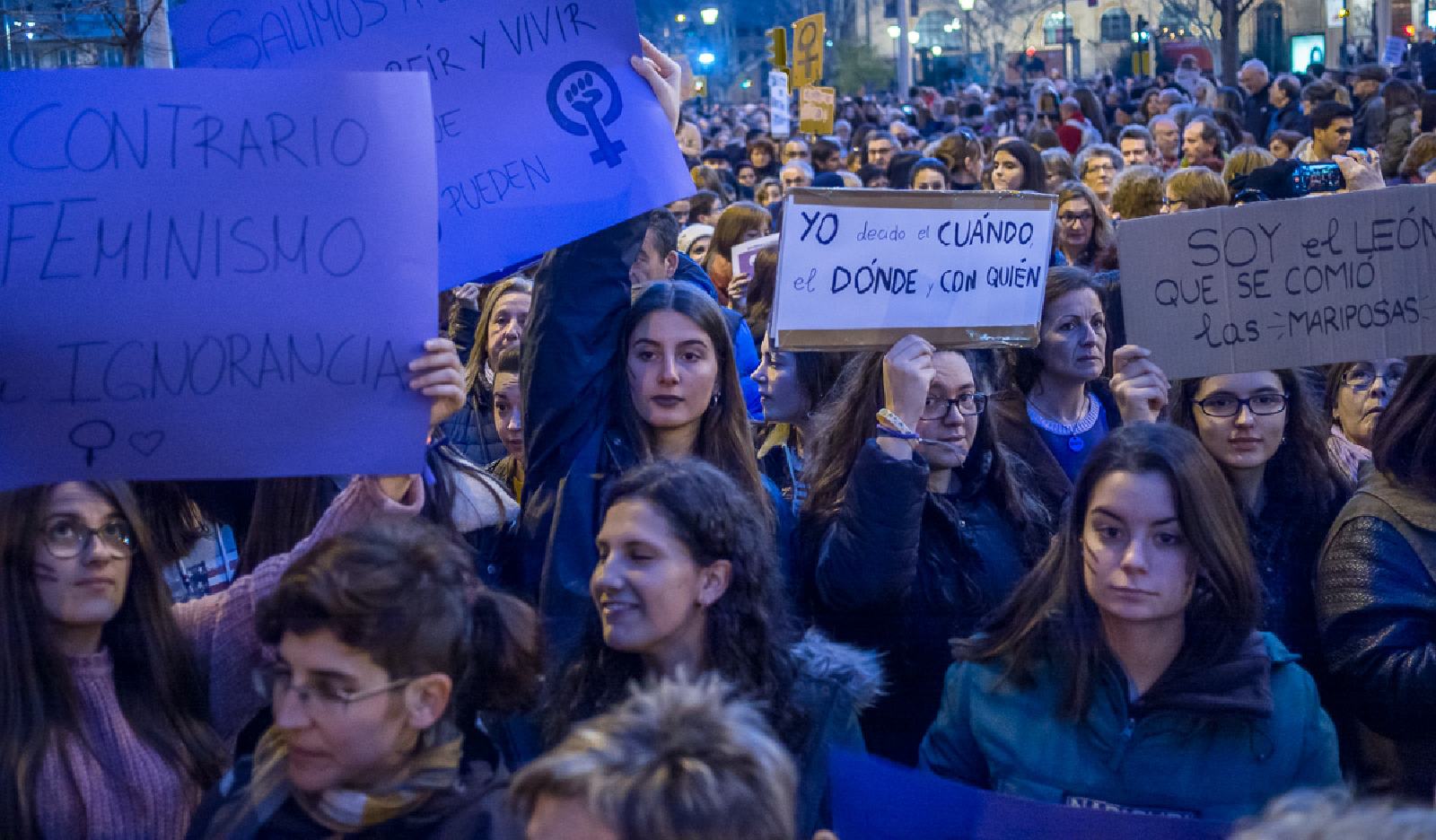
Far-right politicians around the world have mastered the art of epistemic warfare, posing a serious threat to academic freedom. Iris B. Segers reflects on the challenges of feminist resistance to a bizarre political reality rife with lies Read more
Antonio Campati
Antonio Campati, Martino Mazzoleni, and Andrea Scavo find, based on survey evidence, that Italians do not perceive an authoritarian risk in the far-right government led by Giorgia Meloni. However, they also discover a generational difference in attitudes towards democracy that may constitute concern for the future Read more
Eva Anduiza
Eva Anduiza and Guillem Rico argue that sexist attitudinal backlash is partially responsible for the rise of the Spanish radical populist right. The electoral consequences of changes in sexist attitudes seem to be related more to heightened feminist mobilisation than to the increasing visibility and normalisation of the radical right Read more
Niels Nyholt
Niels Nyholt argues that voters’ everyday experiences with political decisions can substantiate populist parties' anti-elitist arguments. When mainstream politicians accommodate changes in settlement patterns by merging schools and hospitals, some communities are left without nearby services. Here, right-wing populist parties offer an electoral outlet for residents feeling left behind Read more
Michal Grahn
Far-right parties are growing increasingly hostile towards LGBTQ rights. In the forthcoming European Parliament elections, such parties are expected to gain significant ground. Michal Grahn shows that non-straight voters might, through mobilisation, help keep far-right forces at bay Read more
Jan Philipp Thomeczek
Jan Philipp Thomeczek argues that European left-wing populist parties become more moderate as a consequence of their participation in government. Here, he draws on recent examples from Spain, Greece and Germany. Read more
Donatella Bonansinga
Is populism ‘emotional’ and mainstream politics ‘rational’? Donatella Bonansinga argues that the divide between rationality and emotionality is rooted in cultural misperceptions, and all politics can be ‘emotional’. Populism is peculiarly emotional, because it taps in to very specific affective states, with key differences between left and right Read more
Diogo Vieira Ferreira
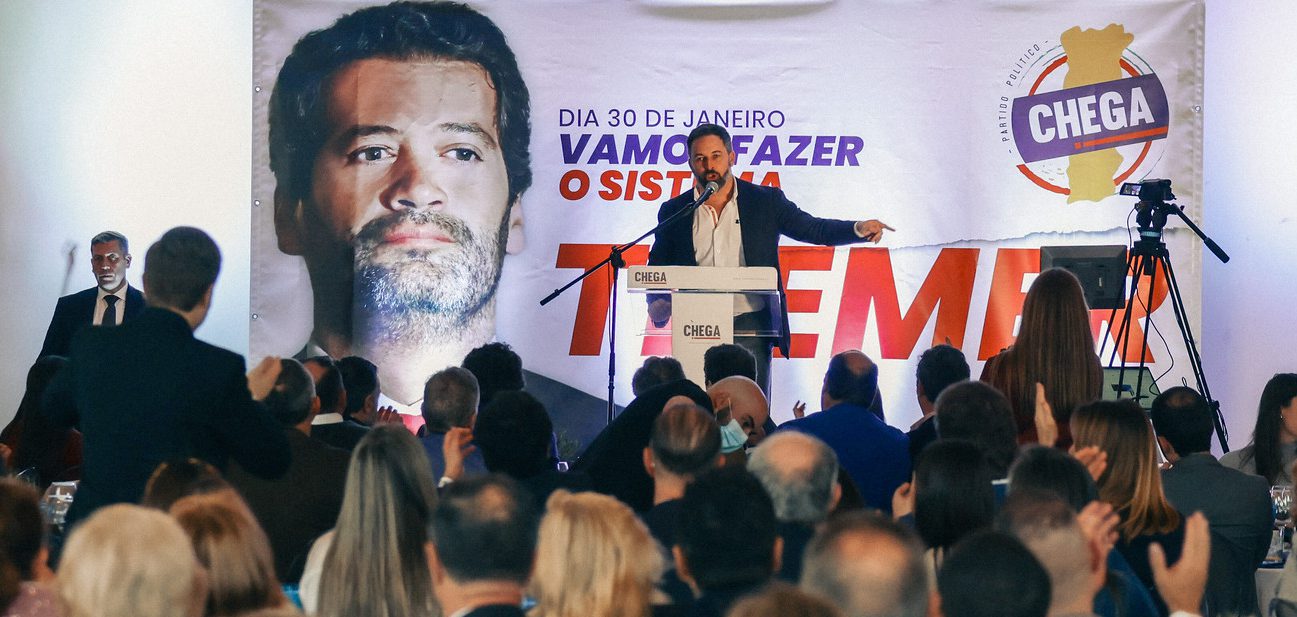
The radical-right Chega party enjoyed a sharp rise in support during Portugal's recent parliamentary elections. With European elections coming up in June, Diogo Vieira Ferreira warns that support for Chega is likely to grow yet further Read more
We use necessary cookies to make our site work. We'd also like to set analytics cookies that help us make improvements by measuring how you use the site. These will be set only if you accept.
▼
Strictly Necessary Cookies
Necessary cookies enable core functionality such as security, network management, and accessibility. You may disable these by changing your browser settings, but this may affect how the website functions.
▼
Analytics Cookies
Google Analytics
We'd like to set Google Analytics cookies to help us improve our website by collecting and reporting information on how you use it. The cookies collect information in a way that does not directly identify anyone. For more information on how these cookies work please see our Privacy Notice.