Fred Paxton
Independent local lists are often seen as a sign of democratic community organisation. More than that, write Fred Paxton and Eliška Drápalová, their rise may actually limit the success of populist parties among voters disenchanted with mainstream politics Read more
Sebastian Jäckle
Few moments captured the volatility of transatlantic relations better than the explosive Oval Office meeting between Donald Trump and Volodymyr Zelenskyy on 28 February 2025. Sebastian Jäckle, Ronald Schleehauf, Judith Reinbold and Marius Fröhle studied its impact on German public opinion using a natural experiment based on an online survey Read more
Ruben Van Severen
Ruben Van Severen shows why politically cynical citizens often praise the idea of referendums, but are not necessarily enthusiastic when they take place. Drawing on research in Flanders, he shows how poor topic choice can turn a tool meant to reconnect disillusioned citizens into one that risks widening the gap Read more
Andreas Goldberg
Voters often choose parties that share similar positions to them on certain issues. Andreas Goldberg and Jonas Lefevere argue that this behaviour is more prevalent among voters with more extreme issue positions. So, better understanding the role of policy issues in electoral competition requires considering voters’ positional extremity Read more
Zarina Mukasheva
The EU has a grand vision for democracy across the globe, and Central Asia is no exception. However, writes Zarina Mukasheva, the EU’s strategy to promote democracy in the region has so far failed to deliver. Read more
Joakim Kreutz
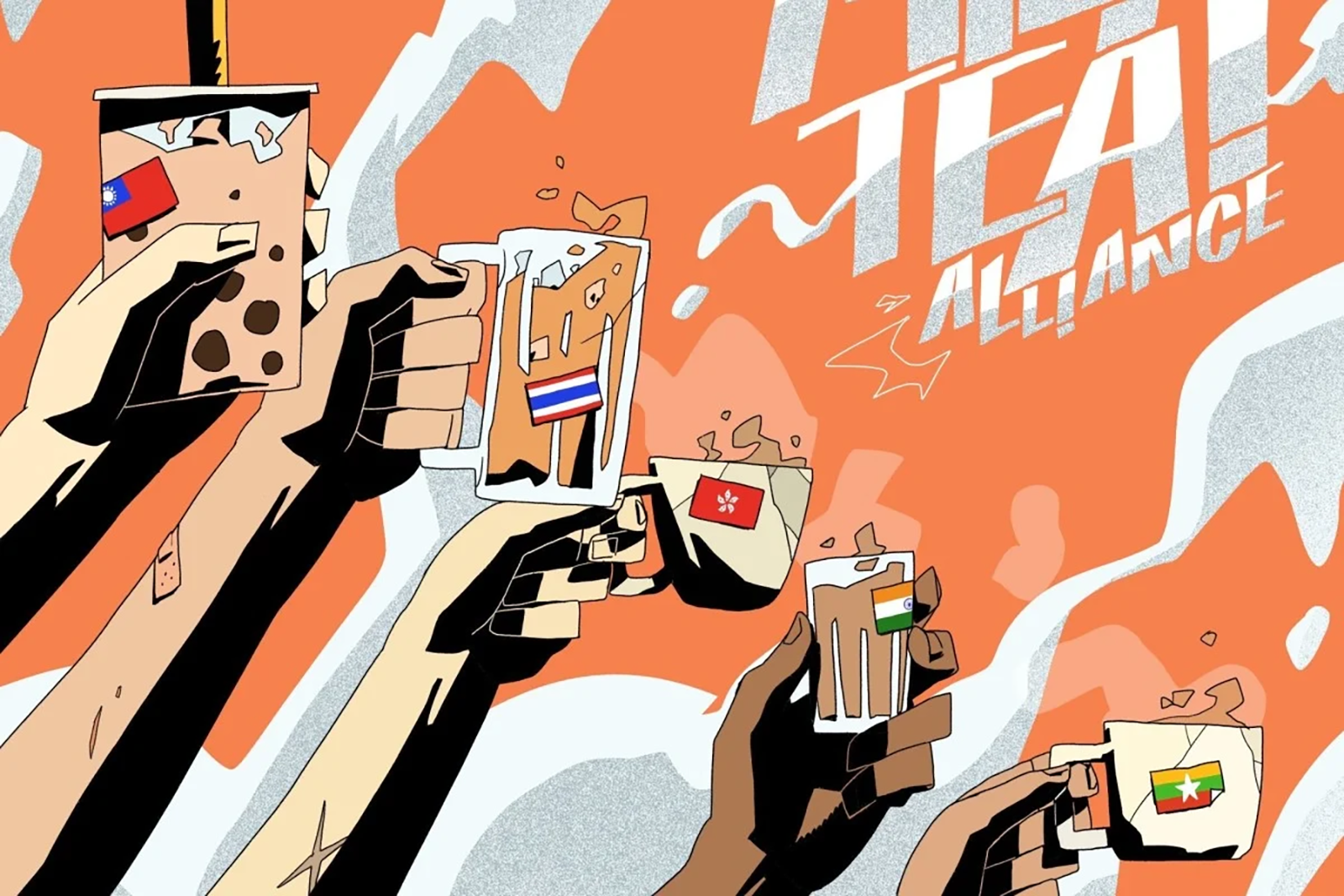
In an increasingly globalised and digital world, national borders are no longer constraints on political mobilisation, argue Joakim Kreutz and Anthi Antonia Makrogianni. Thailand's 2020 #MilkTeaAlliance protests show how shared identities created in online communities can form in reaction to online repression Read more
José Javier Olivas Osuna
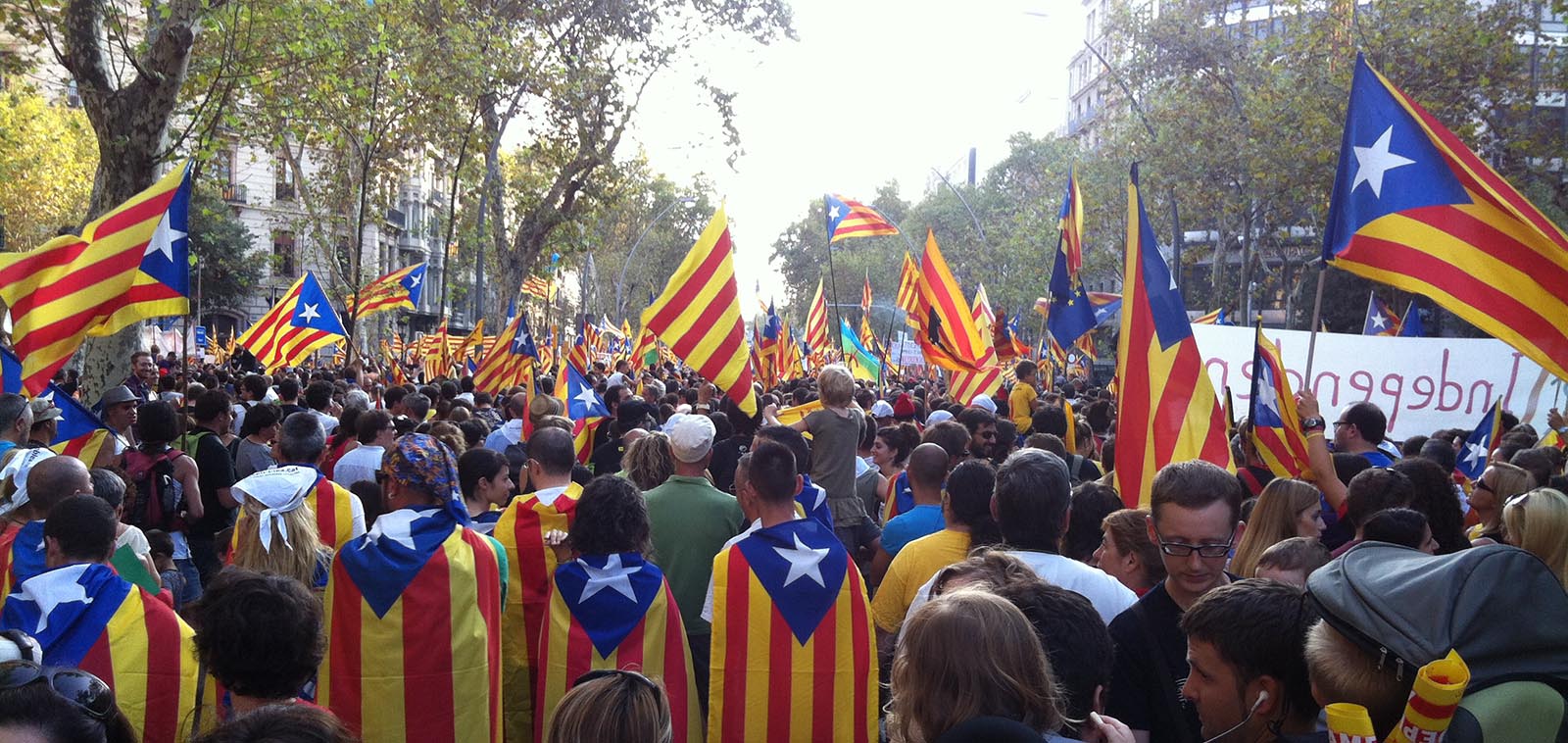
Political struggles, such as the Catalan secessionist movement, alter and shape the meaning of political concepts, writes José Javier Olivas Osuna Read more
Sabine Volk
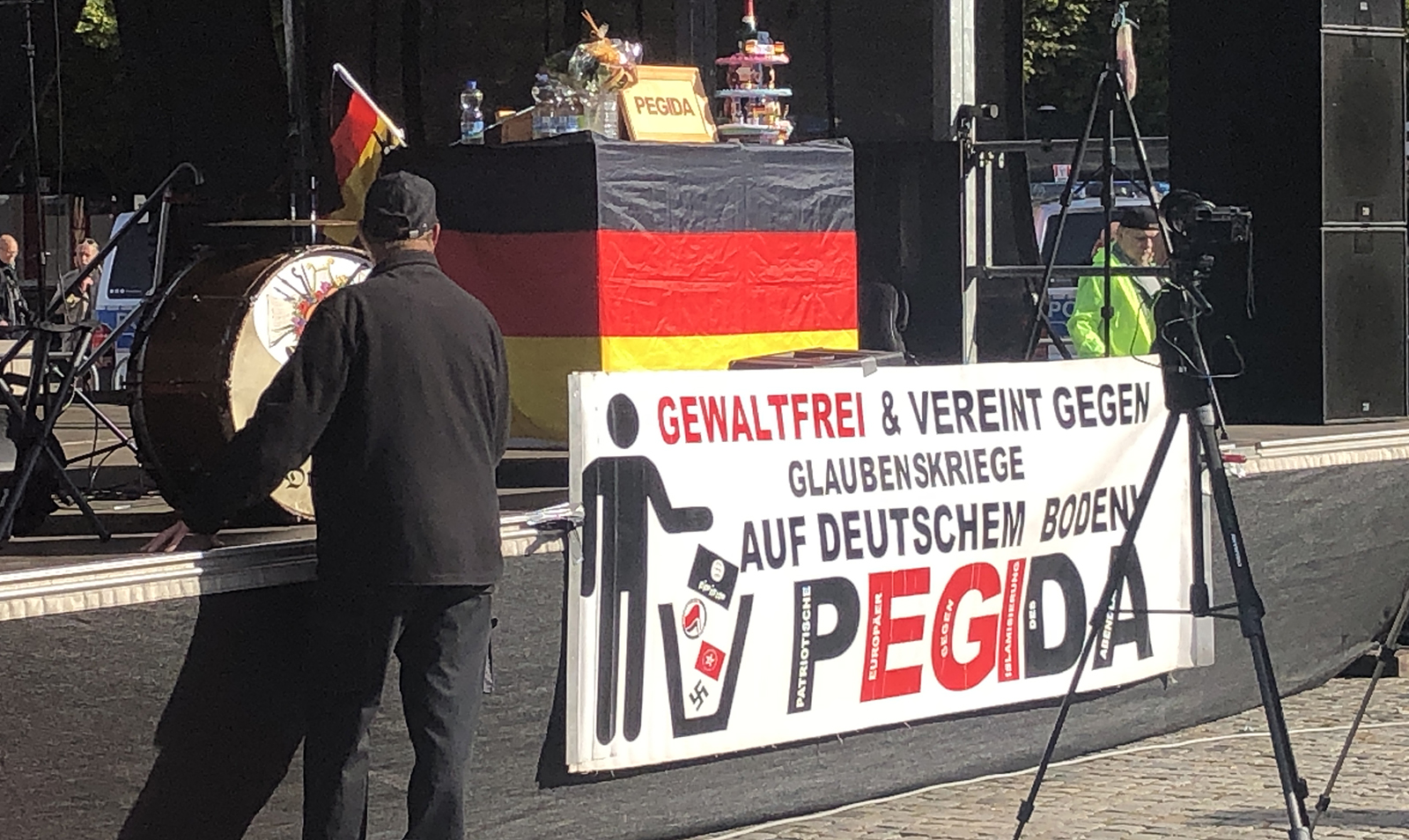
Germany’s largest far-right protest movement, PEGIDA, this month celebrates eight years of mobilisation and protest activity. Its survival, argues Sabine Volk, is a puzzle not explained by social movement theory. She explores an overlooked explanatory factor: PEGIDA's repetitive protest ritual Read more
We use cookies to ensure that we give you the best experience on our website. If you continue to use this site we will assume that you are happy with it.