Philipp Noetges
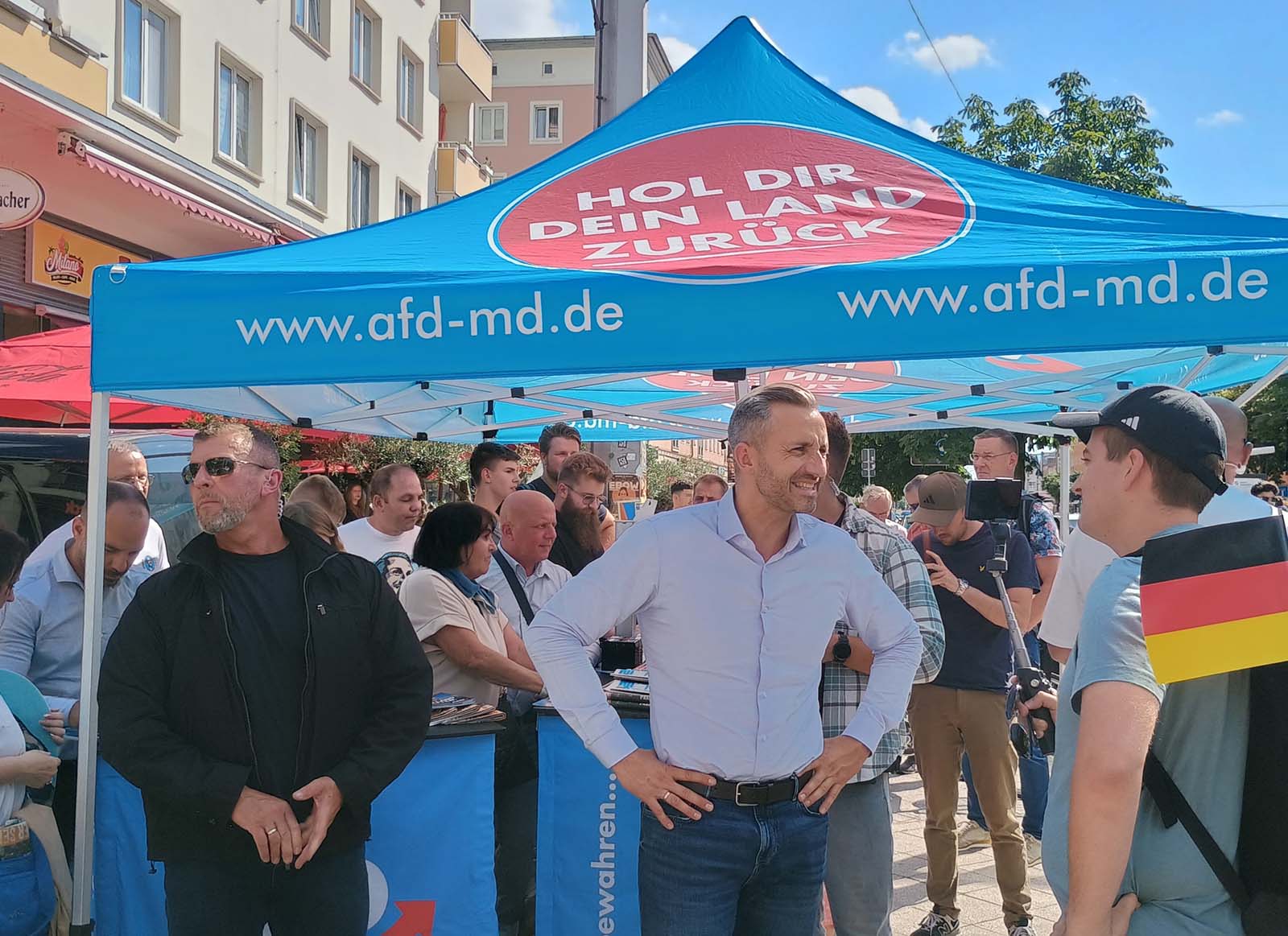
Philipp Noetges argues that Sachsen-Anhalt's record vote for the far-right AfD party is less about German exceptionalism than a widening gap between what policy now requires and what any electorate can realistically evaluate: a gap populism exploits faster than evidence-based politics can close On 6 September 2026, Sachsen-Anhalt handed Alternative für Deutschland (AfD) its strongest […] Read more
Vladyslav Butenko
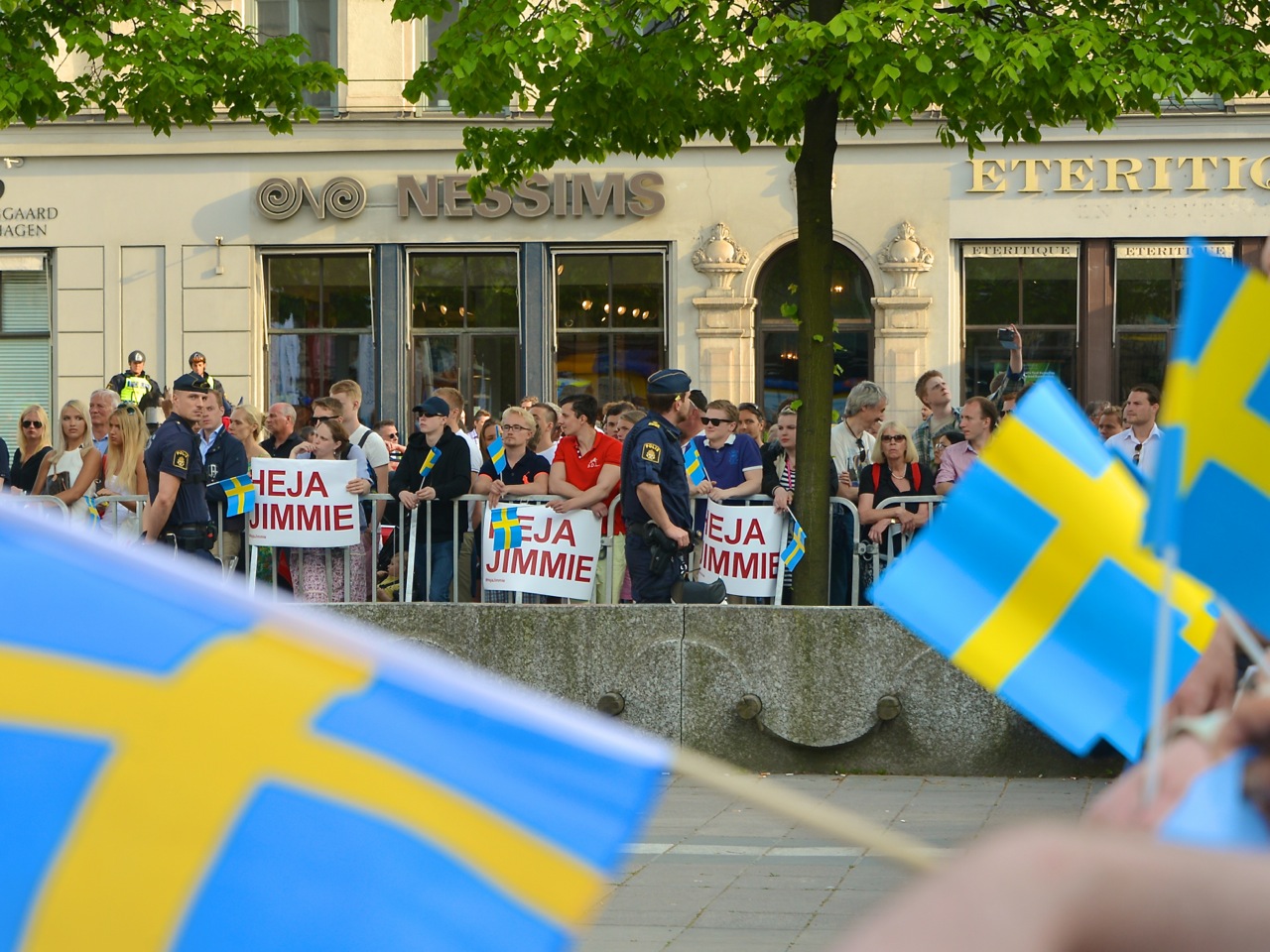
Vladyslav Butenko argues that the results of the 2026 Swedish general election – a narrow-margin win for the 'red-green' bloc – signals not so much a retreat of the far right as how completely its policy agenda has already won. The real challenge for the centre-left now is to turn its razor-thin majority into a new political course Read more
Vera Tika
Vera Tika argues that Europe’s populist radical right no longer operates only through parties and elections. Its growing influence lies in its ability to shape migration policy, public discourse, digital communication, and the democratic mainstream itself. Now, the populist radical right shapes the very logic through which democratic systems govern, define threats, manage borders, construct belonging, and normalise exclusion Read more
Giada Pasquettaz
Giada Pasquettaz argues that although Trump is indeed a populist, he is a distinct species within the category, and should be treated accordingly. Unlike other populist leaders, Trump does not seek to reshape multilateralism from within. Instead, he rejects it altogether Read more
John Ryan
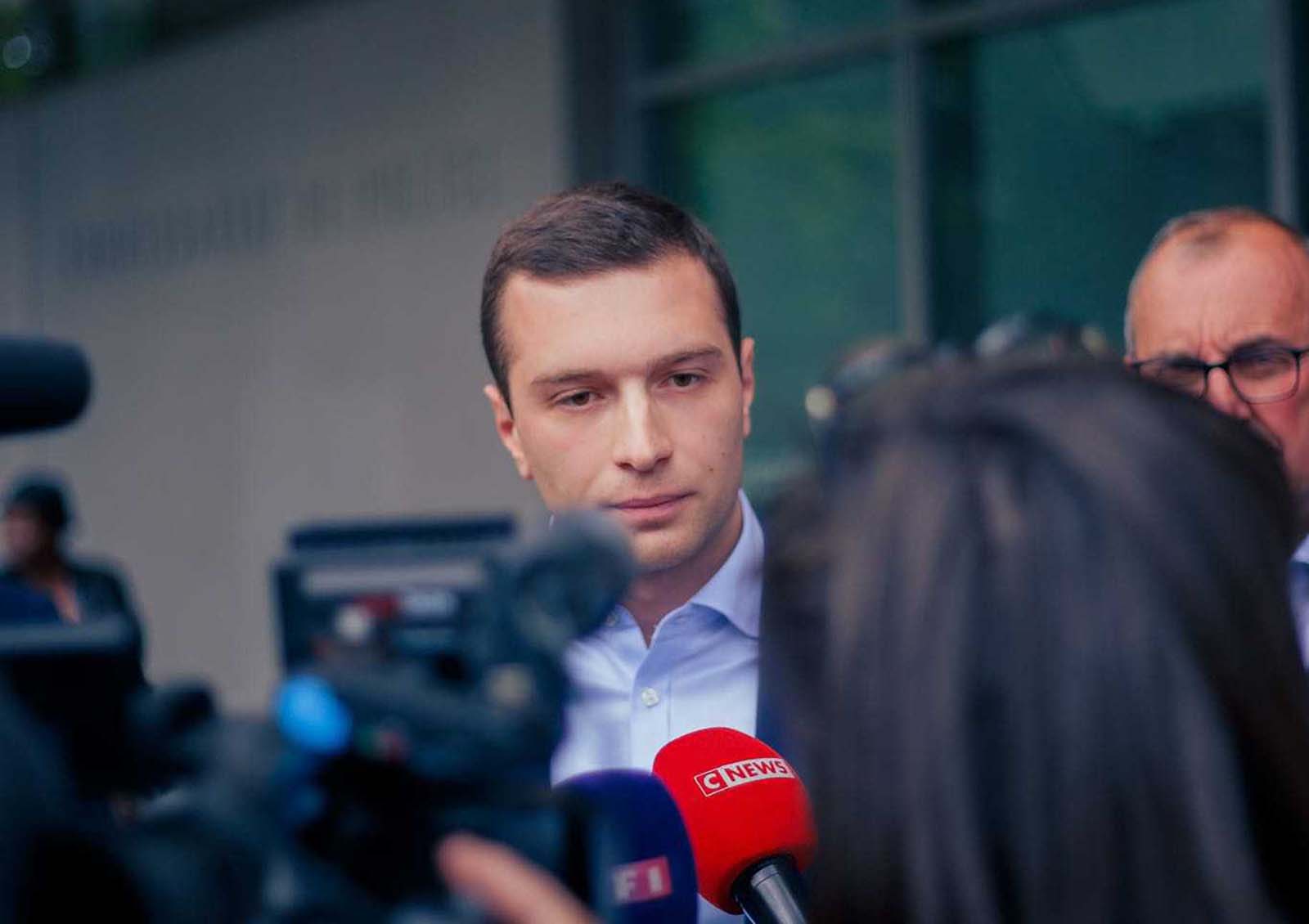
A Jordan Bardella presidency would represent the most significant reconfiguration of executive power since the Fifth Republic’s founding. Even without a radical policy rupture, the symbolic impact on democratic norms and institutional trust would be profound, including significant risks for the EU, argues John Ryan Read more
Nelson Santos
Nelson Santos, Sofia Serra-Silva, and Tiago Silva analysed voting patterns in Portugal’s parliament. They found that the legislative behaviour of populist radical-right Chega contradicts the party’s anti-system rhetoric. Meanwhile, conflict has reached unprecedented levels in what was historically a consensual parliament Read more
Ugur Tekiner
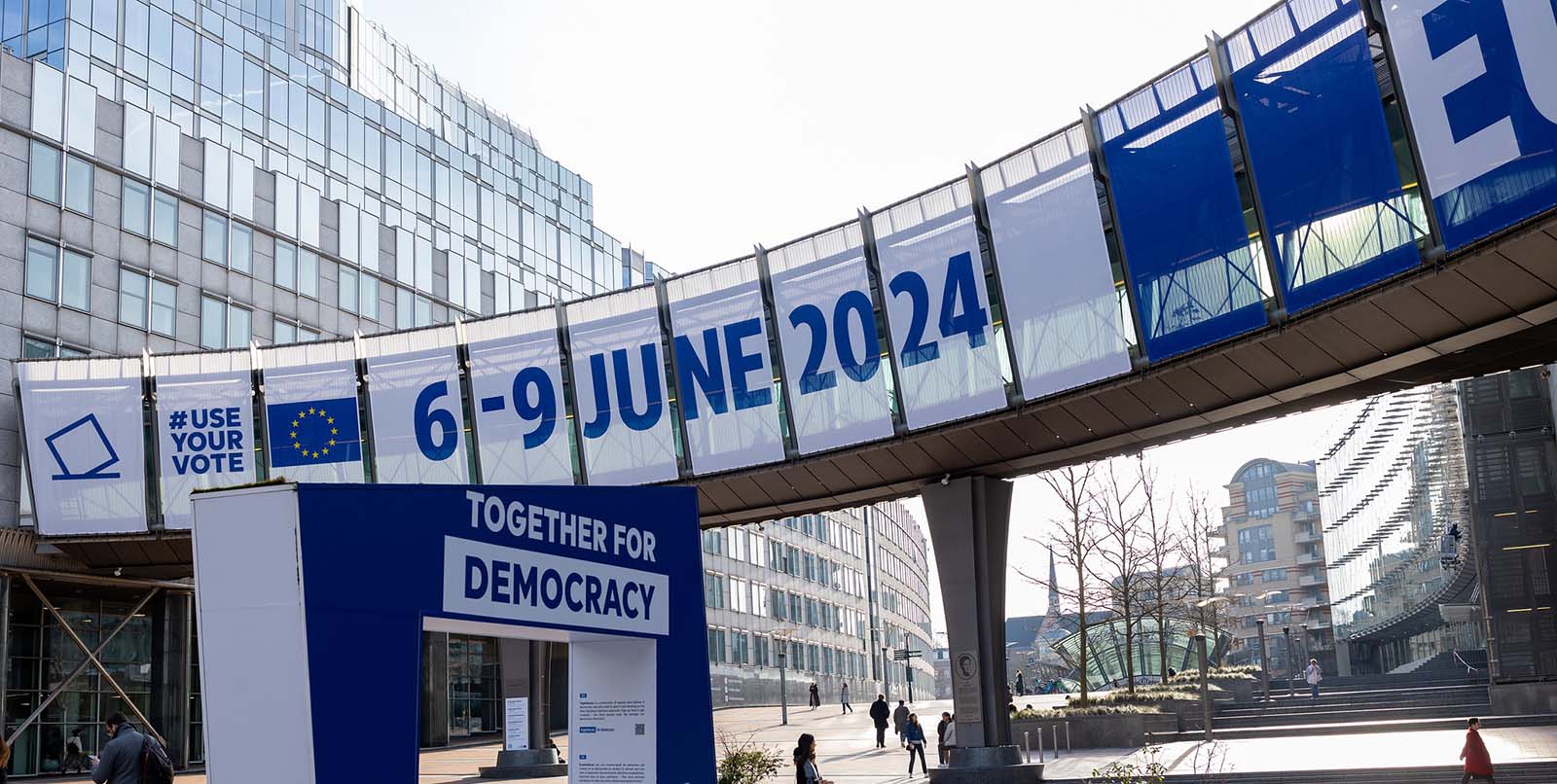
European elections are traditionally seen as less significant than national elections. But Ugur Tekiner argues that the recent challenges facing the EU force us to rethink this classification. Recent European elections accurately reflect the national political mood in Member States, and reveal the growing polarisation around Europe Read more
Federico Taddei
Linguistic precision matters, but the term 'hard right' isn’t the real threat to clarity. Federico Taddei argues that the real problem lies in how journalists and scholars misuse or oversimplify the categories political science has worked long and hard to define Read more
We use necessary cookies to make our site work. We'd also like to set analytics cookies that help us make improvements by measuring how you use the site. These will be set only if you accept.
▼
Strictly Necessary Cookies
Necessary cookies enable core functionality such as security, network management, and accessibility. You may disable these by changing your browser settings, but this may affect how the website functions.
▼
Analytics Cookies
Google Analytics
We'd like to set Google Analytics cookies to help us improve our website by collecting and reporting information on how you use it. The cookies collect information in a way that does not directly identify anyone. For more information on how these cookies work please see our Privacy Notice.