Frederik Stevens
We often consider business groups to be the dominant lobbying force in Brussels. But, based on his latest research, Frederik Stevens shows the opposite: citizen groups are more likely to influence what gets on, or stays off, the EU’s agenda. And when they attract media attention, their influence clearly outweighs that of business interests Read more
Federico Taddei
Linguistic precision matters, but the term 'hard right' isn’t the real threat to clarity. Federico Taddei argues that the real problem lies in how journalists and scholars misuse or oversimplify the categories political science has worked long and hard to define Read more
Mimi Mihăilescu
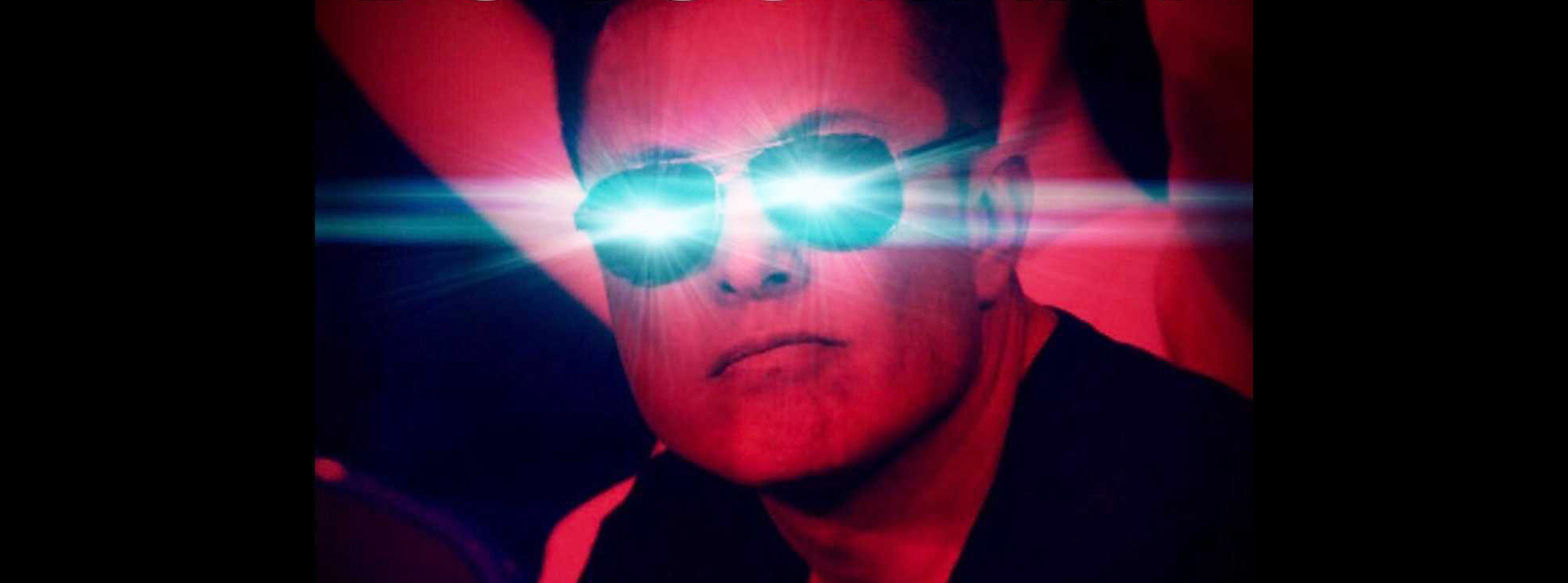
Online memes have evolved from satirical messages to powerful ideological tools. Recently, the far-right 'Dark MAGA' movement has harnessed memes for political messaging and identity-building. Mimi Mihăilescu describes how Elon Musk has emerged as an anti-establishment symbol: revered, weaponised, and transformed within these radicalised online communities. Read more
Jacob Wentz
Jacob Wentz analyses populist rhetoric and communication strategies in the election campaigns of Donald Trump and Giorgia Meloni. Both leaders adopt similar approaches, criticising traditional media, personalising politics, and using language that marginalises immigrants and the LGBTQ+ community. We should not, he argues, underestimate the power of their rhetoric. Read more
William Allen
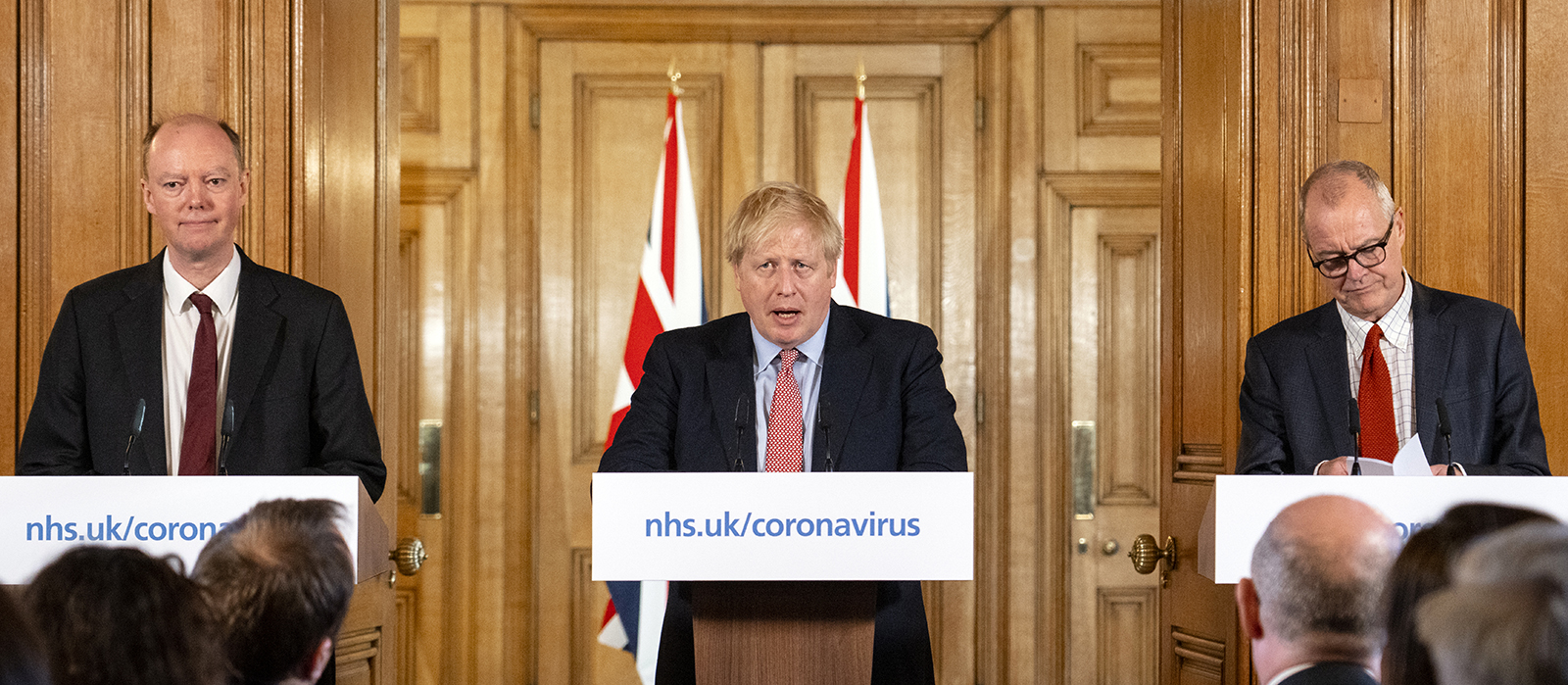
During the first wave of Covid-19, the UK government showed a chart plotting the country's mortalities against other high-income countries. They kept on showing it, until it revealed the UK to be the worst in Europe, at which point the slide disappeared. William Allen and Kristoffer Ahlstrom-Vij argue that visual comparisons are an important lever through which politicians and media can change public perceptions Read more
Clara Juarez Miro
Supporters of populist parties endorse rhetoric that antagonises the press, yet they are also avid consumers of news. Clara Juarez Miro explores populist supporters' paradoxical relationship with journalism. Her research shows how central are emotion and social identities to populist supporters’ worldviews – and this shapes their perspectives on journalism Read more
José Javier Olivas Osuna
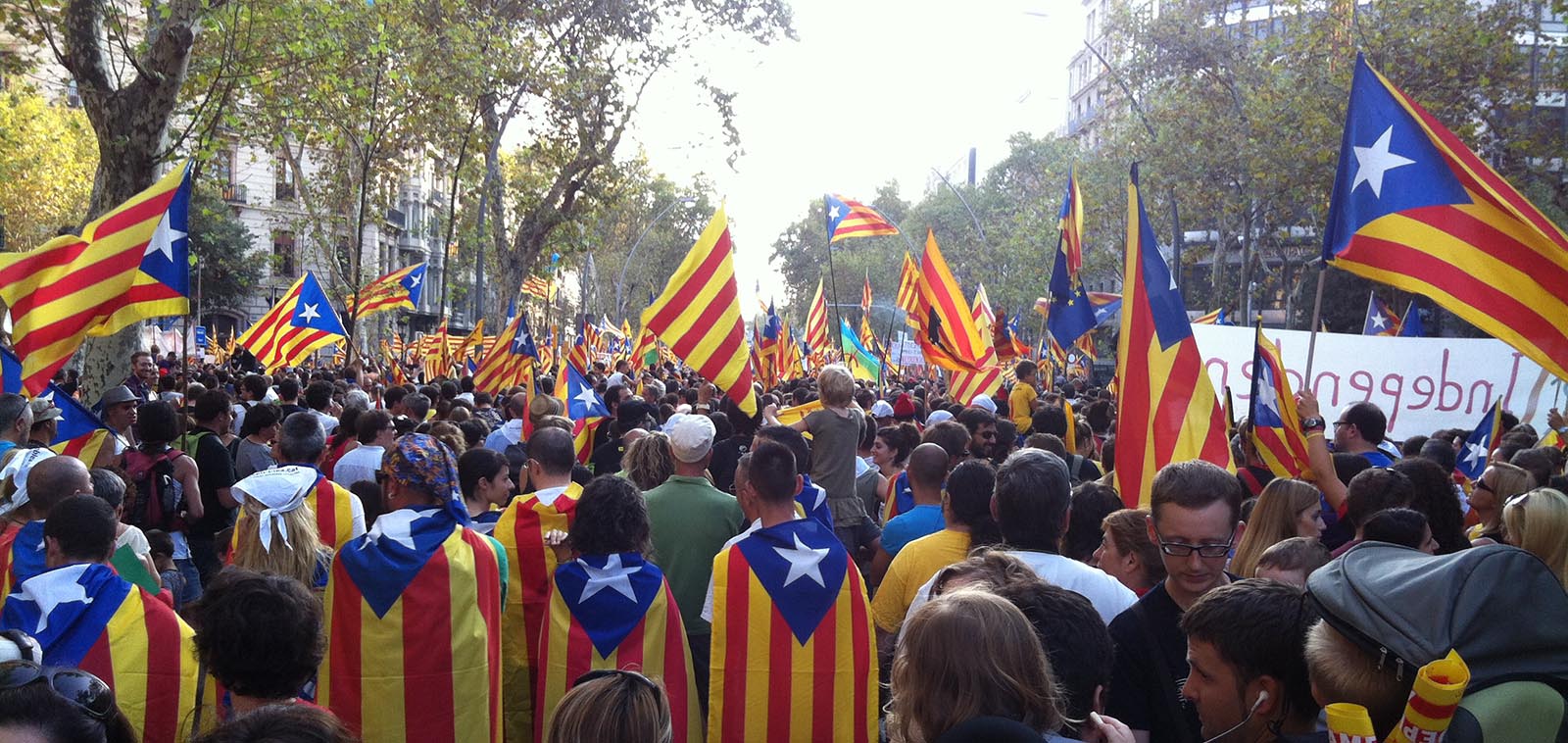
Political struggles, such as the Catalan secessionist movement, alter and shape the meaning of political concepts, writes José Javier Olivas Osuna Read more
Werner Krause
Werner Krause and Christina Gahn argue that we need to pay more attention to how the media communicates the results of opinion polls to the public. Reporting methodological details, such as margins of error, can alter citizens’ vote choices on election day. This has important implications for elections around the globe Read more
We use necessary cookies to make our site work. We'd also like to set analytics cookies that help us make improvements by measuring how you use the site. These will be set only if you accept.
▼
Strictly Necessary Cookies
Necessary cookies enable core functionality such as security, network management, and accessibility. You may disable these by changing your browser settings, but this may affect how the website functions.
▼
Analytics Cookies
Google Analytics
We'd like to set Google Analytics cookies to help us improve our website by collecting and reporting information on how you use it. The cookies collect information in a way that does not directly identify anyone. For more information on how these cookies work please see our Privacy Notice.