Hakkı Taş
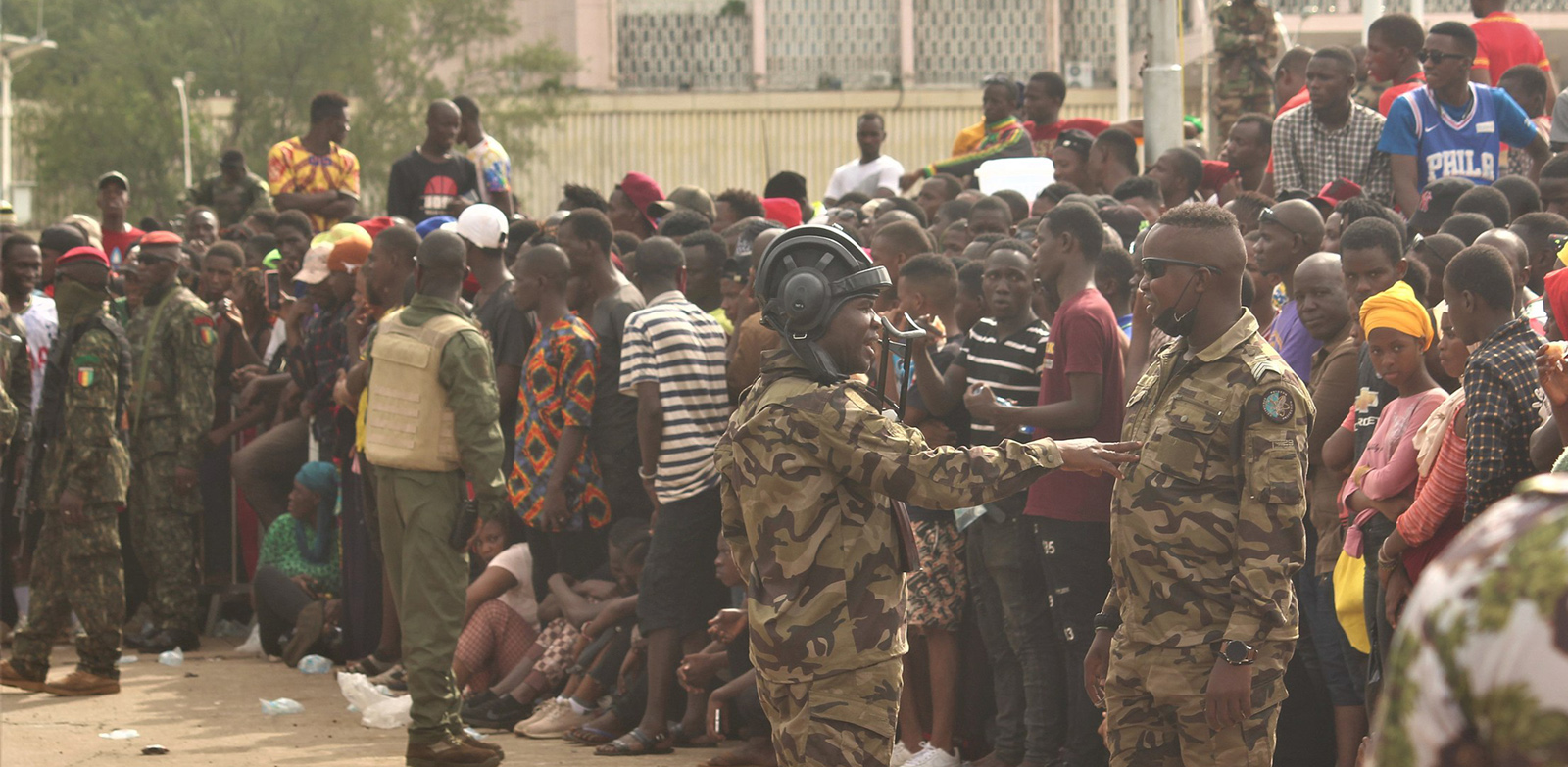
Recent data indicates that countries led by more populist leaders are less likely to have a military with veto power. Hakkı Taş explores the populist centralisation of power that fosters control over the military, and the impact on civilian oversight Read more
Collins Molua Ikome
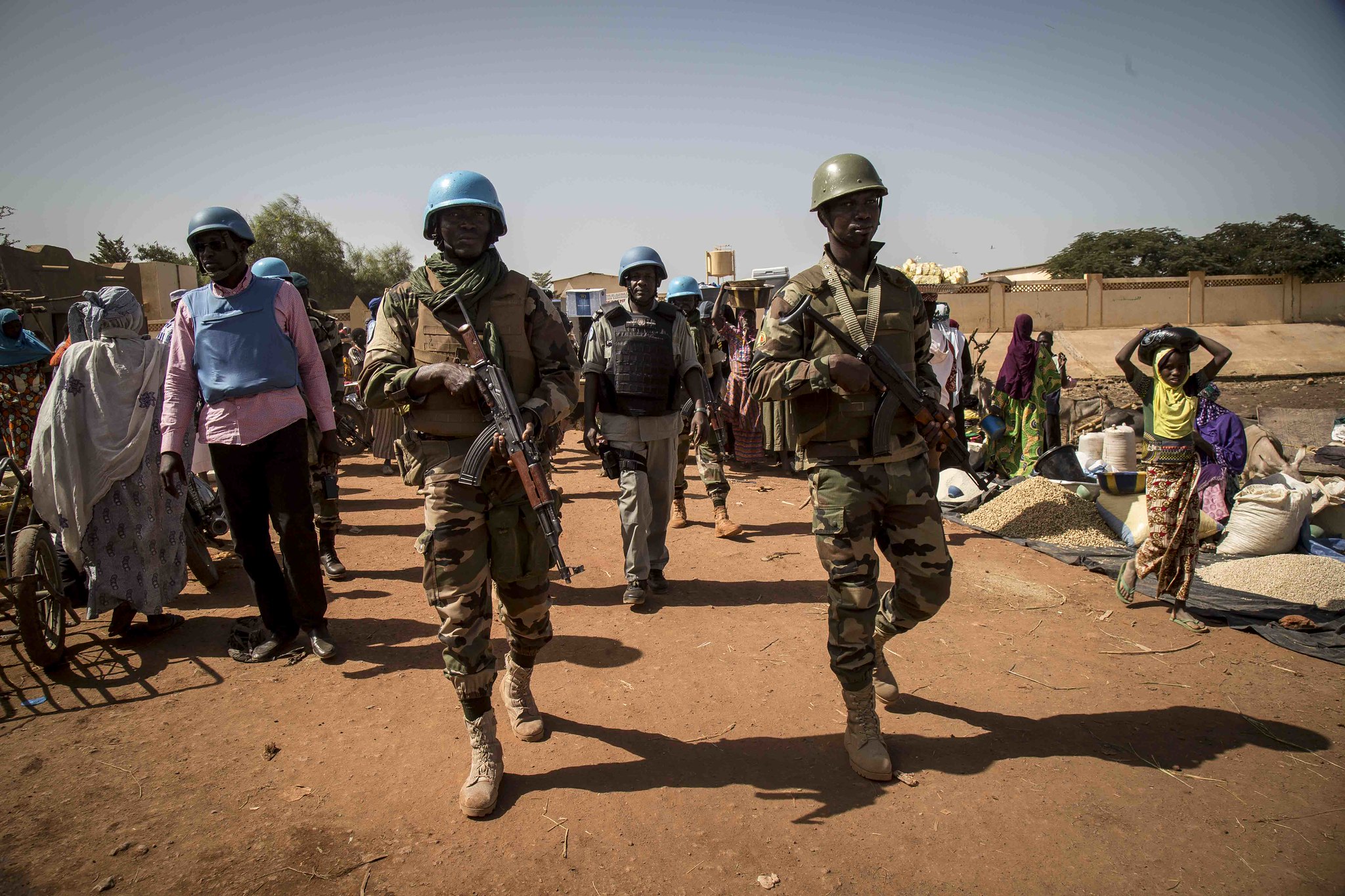
Collins Molua and Gift Mwonzora argue that the decision by Mali, Niger, and Burkina Faso to leave the Economic Community of West African States was a rash one, which may risk legitimising further coups. What's more, deteriorating diplomatic relations between these countries and the West could have knock-on effects for regional peace and security Read more
Reuben Twinomujuni
Why has West Africa experienced so many military coups over the past couple of years? Reuben Twinomujuni and Hannah Muzee say the inadequacies of the African Union are only part of the problem. They argue that the phenomenon is also to the result of internal and external forces that impede united African action Read more
Jonathan Powell
Observers were quick to call the events on 8 January in Brazil a coup attempt. But Jonathan Powell and Salah Ben Hammou caution against conflating coup advocacy with coup attempts. Authoritarianism scholars should also note that usage of the term 'coup' has historically varied Read more
Thareeat Laohabut
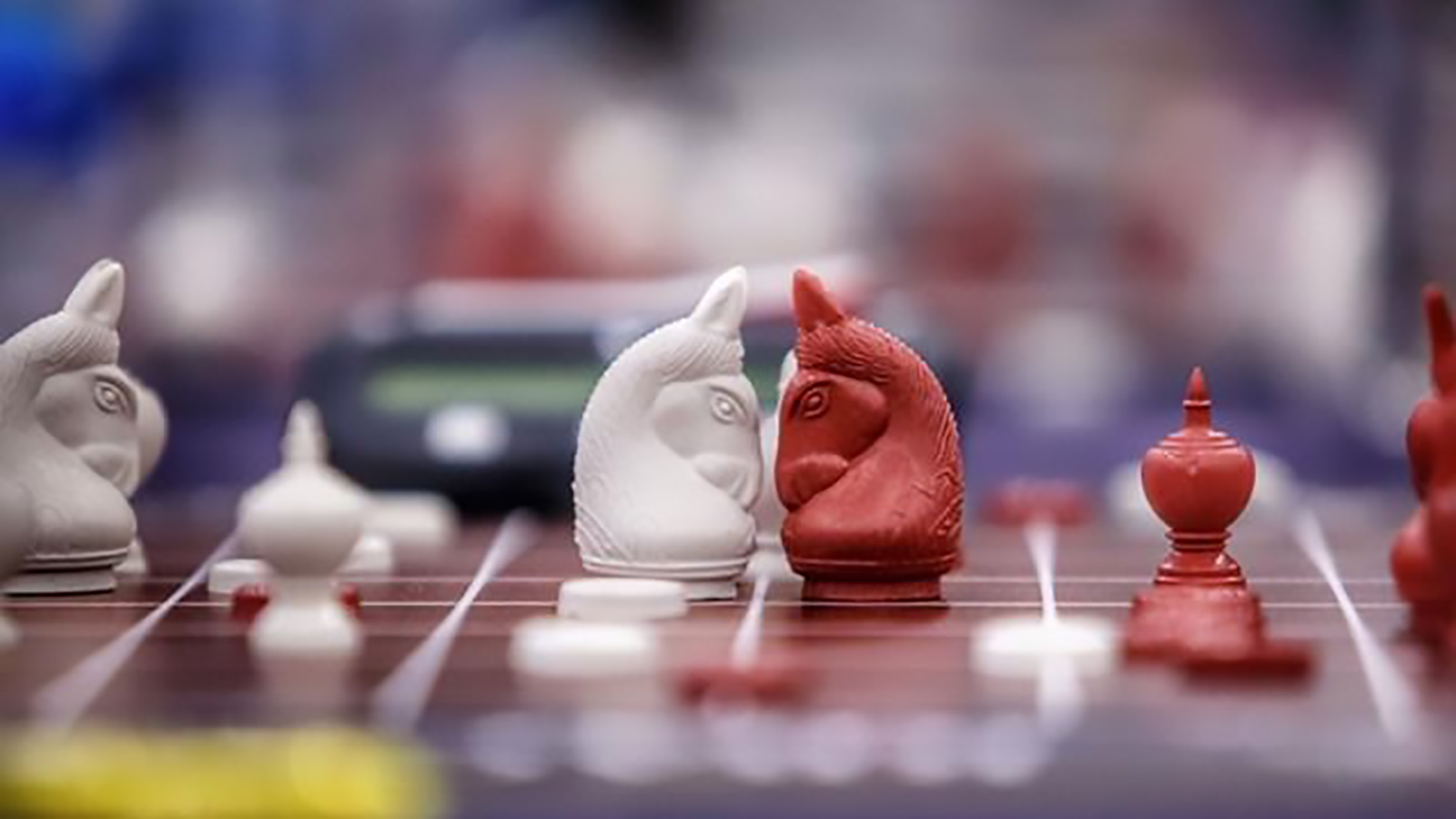
The fashion for seeing all authoritarian regimes through the lens of ‘democratic backsliding’ or ‘autocratisation’ has overshadowed our understanding of the strategies of classic authoritarians. Thareerat Laohabut uses the case of Thailand to illustrate this problem, showing how civil-millitary relations supporting the regime have been inadequately understood Read more
The Loop
Cutting-edge analysis showcasing the work of the political science discipline at its best.
We use necessary cookies to make our site work. We'd also like to set analytics cookies that help us make improvements by measuring how you use the site. These will be set only if you accept.
▼
Strictly Necessary Cookies
Necessary cookies enable core functionality such as security, network management, and accessibility. You may disable these by changing your browser settings, but this may affect how the website functions.
▼
Analytics Cookies
Google Analytics
We'd like to set Google Analytics cookies to help us improve our website by collecting and reporting information on how you use it. The cookies collect information in a way that does not directly identify anyone. For more information on how these cookies work please see our Privacy Notice.