Jan Nathrath
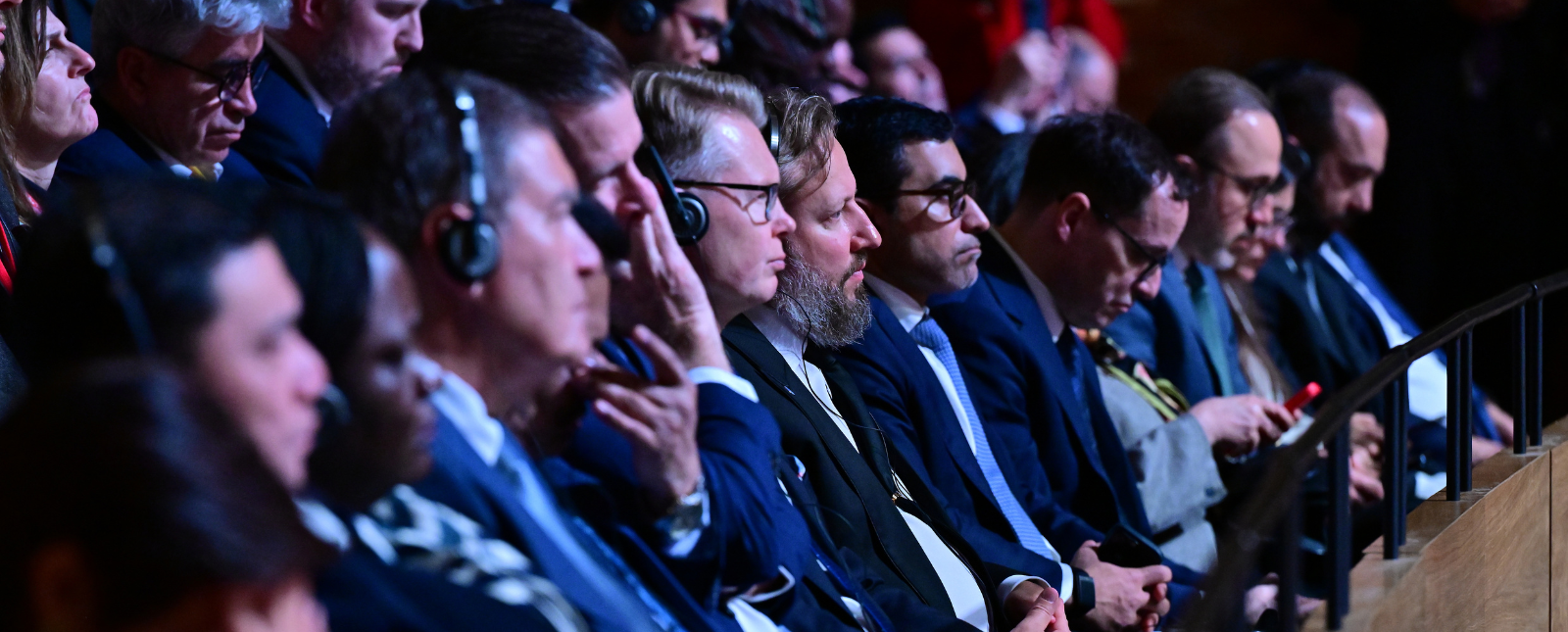
Nuclear energy is back at the centre of politics, but that doesn't guarantee a nuclear revival. Jan Nathrath shows why political enthusiasm alone cannot deliver new reactors and how geopolitical competition is reshaping access to international nuclear cooperation. For many Western newcomer states, the near-term prospects for nuclear deployment depend on whether alternative vendors can demonstrate reliable project delivery Read more
Adam Kola
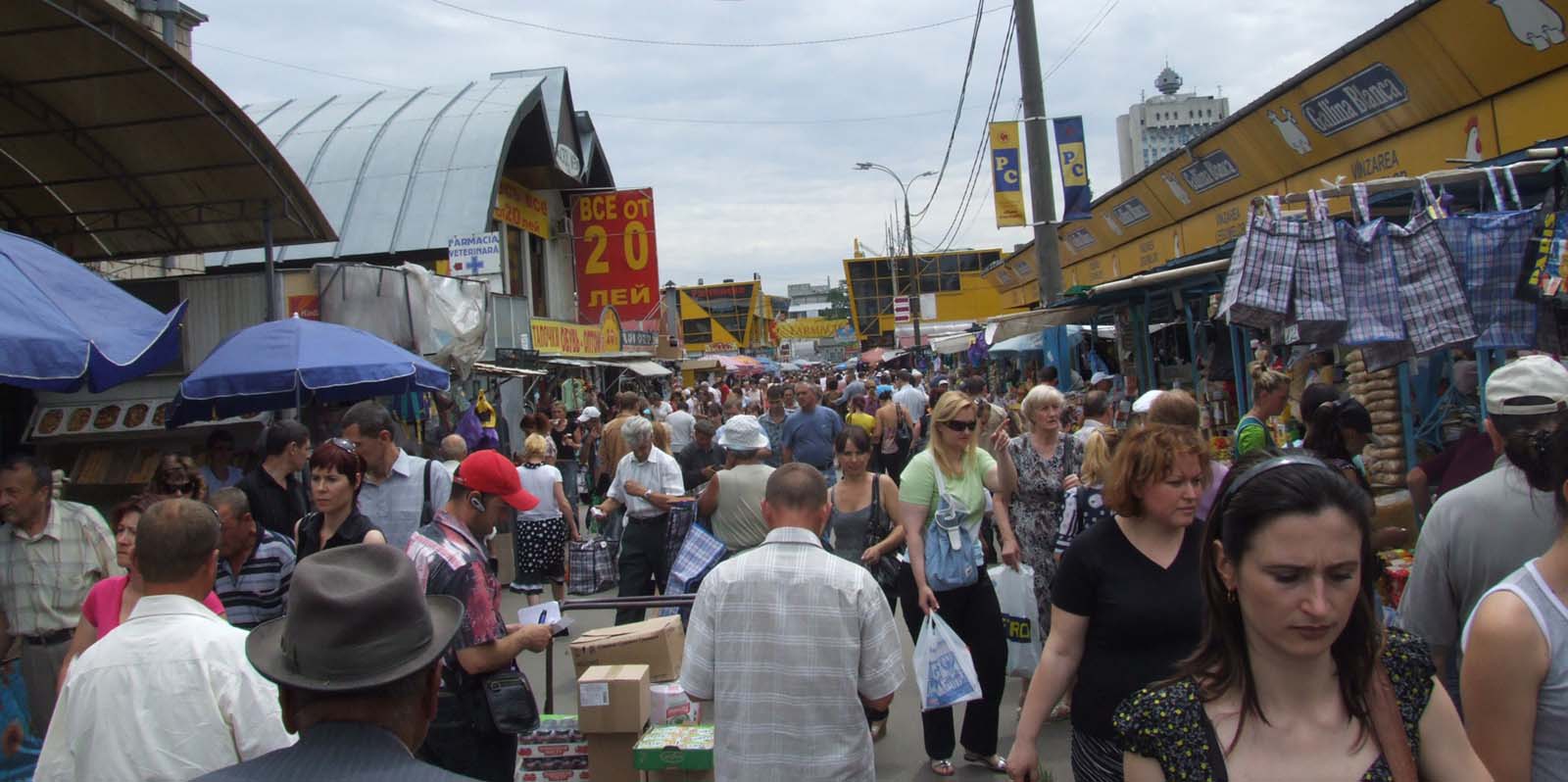
EU institutions, policymakers and many expert debates often frame enlargement as a test for candidate countries. Adam Kola argues that it is equally a test for the European Union. The accession of Ukraine, Moldova and the Western Balkans will also reshape the EU by forcing it to reform and redefine itself Read more
Martino Comelli
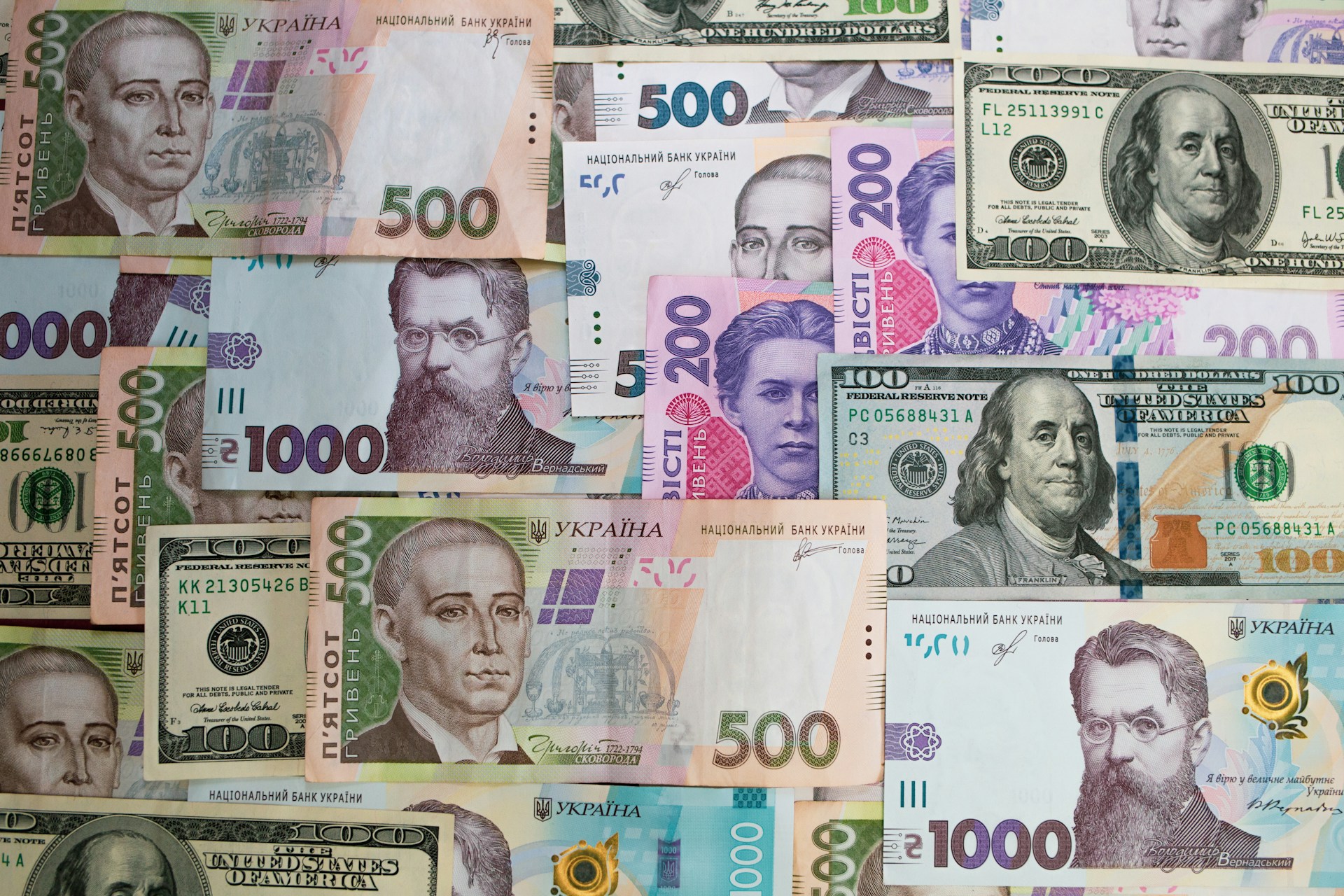
Advanced economies did not simply abandon capital controls after the 1944 Bretton Woods Agreement. Martino Comelli and Pedro Perfeito Da Silva show that welfare states quietly took over their job. Countries that protect workers can afford open financial borders. Countries that spend mainly on pensioners still police the movement of money Read more
Sabine Volk
In countries across Europe, Pride events celebrating LGBTQI visibility face threats of violence. This, warns Sabine Volk reveals the transnationalisation of far-right activism and the mainstreaming of trans-hostile discourse. Democratic states, she says, are failing to protect marginalised communities Read more
Oana-Cosmina Mihalache
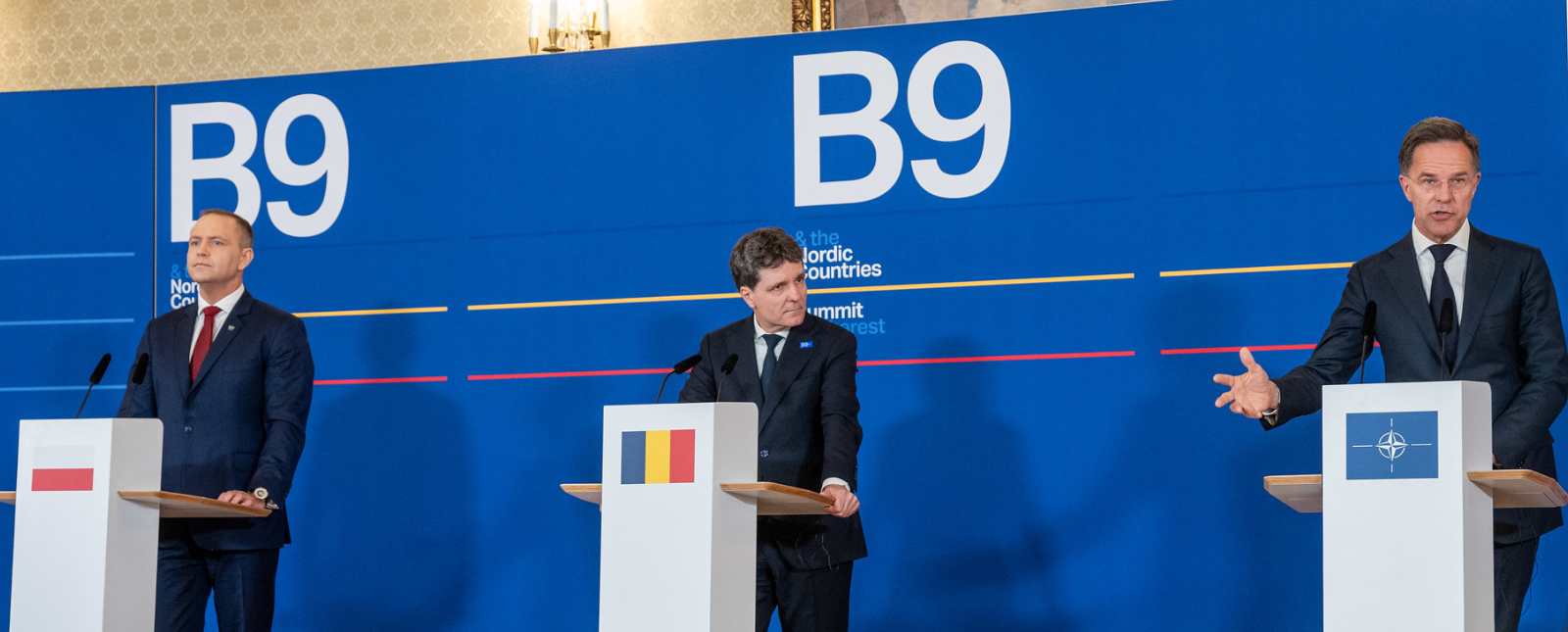
On 13 May 2026, Bucharest hosted the Summit of the Bucharest Nine (B9) and the Nordic countries. Oana-Cosmina Mihalache argues that the reunion’s outcome was indicative of the format’s role in the architecture of European defence cooperation Read more
Marta Kołczyńska
Political trust can shape the trajectory of democracy writes Marta Kołczyńska, but its effects are conditional, uneven, and increases in trust may sometimes even be conducive to democratic decline rather than renewal Read more
Marco Improta
Who benefits from feminism, and who loses from it? Marco Improta and Elisabetta Mannoni reveal an ideological gap between young men and women across Europe. This gap – strong in the UK, but absent in Norway – may relate to perceptions of the 'winners and losers' of feminism Read more
Tyyne Karjalainen
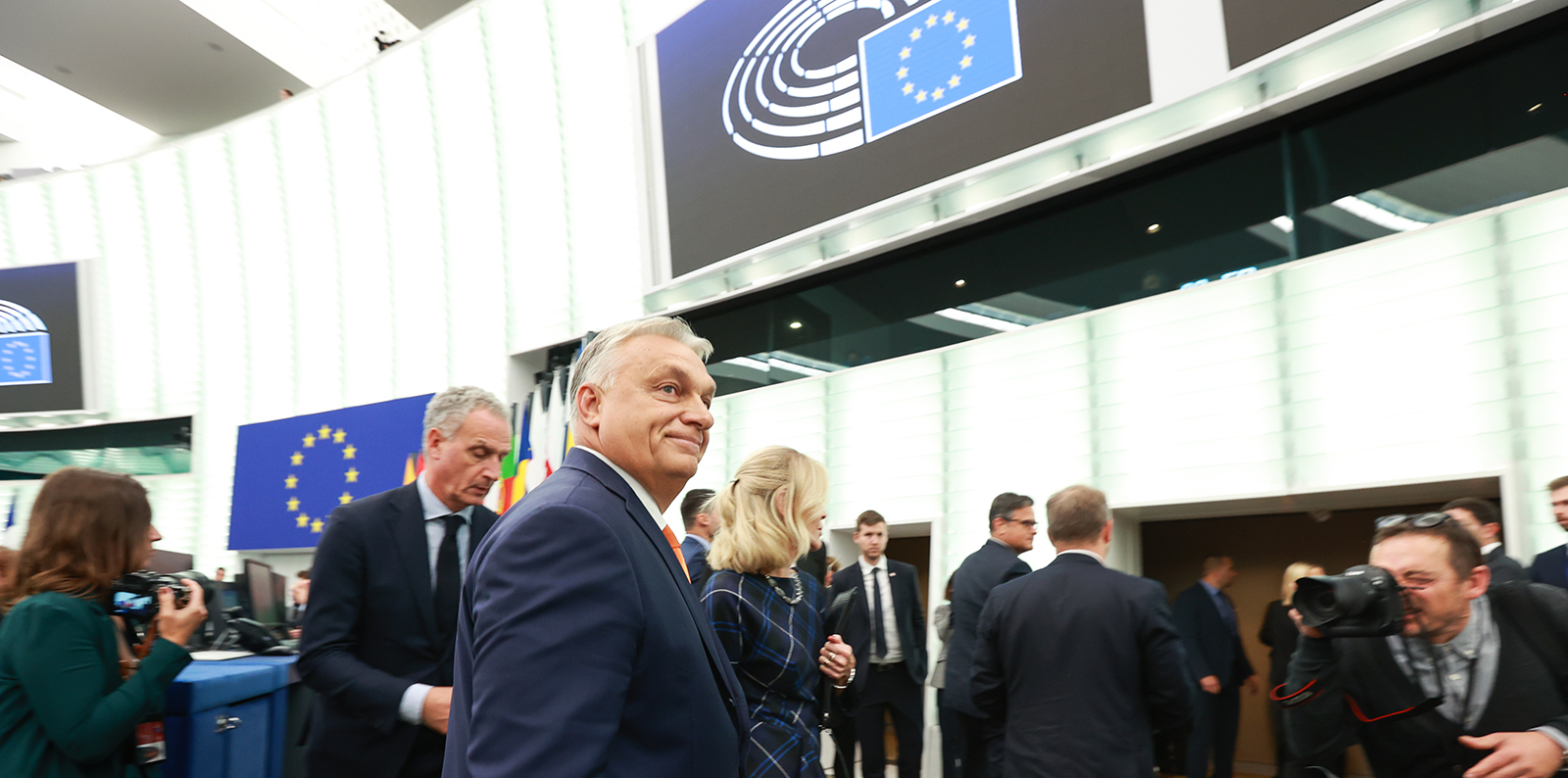
Hungary’s blocking behaviour risks derailing Ukraine’s fragile pro-European momentum. If not addressed, it could fuel Euroscepticism, embolden authoritarian spoilers, and hollow out the EU’s enlargement promise. Tyyne Karjalainen explores what options are on the table to restore credibility to the accession process Read more
We use necessary cookies to make our site work. We'd also like to set analytics cookies that help us make improvements by measuring how you use the site. These will be set only if you accept.
▼
Strictly Necessary Cookies
Necessary cookies enable core functionality such as security, network management, and accessibility. You may disable these by changing your browser settings, but this may affect how the website functions.
▼
Analytics Cookies
Google Analytics
We'd like to set Google Analytics cookies to help us improve our website by collecting and reporting information on how you use it. The cookies collect information in a way that does not directly identify anyone. For more information on how these cookies work please see our Privacy Notice.