Carolina Guerrero Valencia
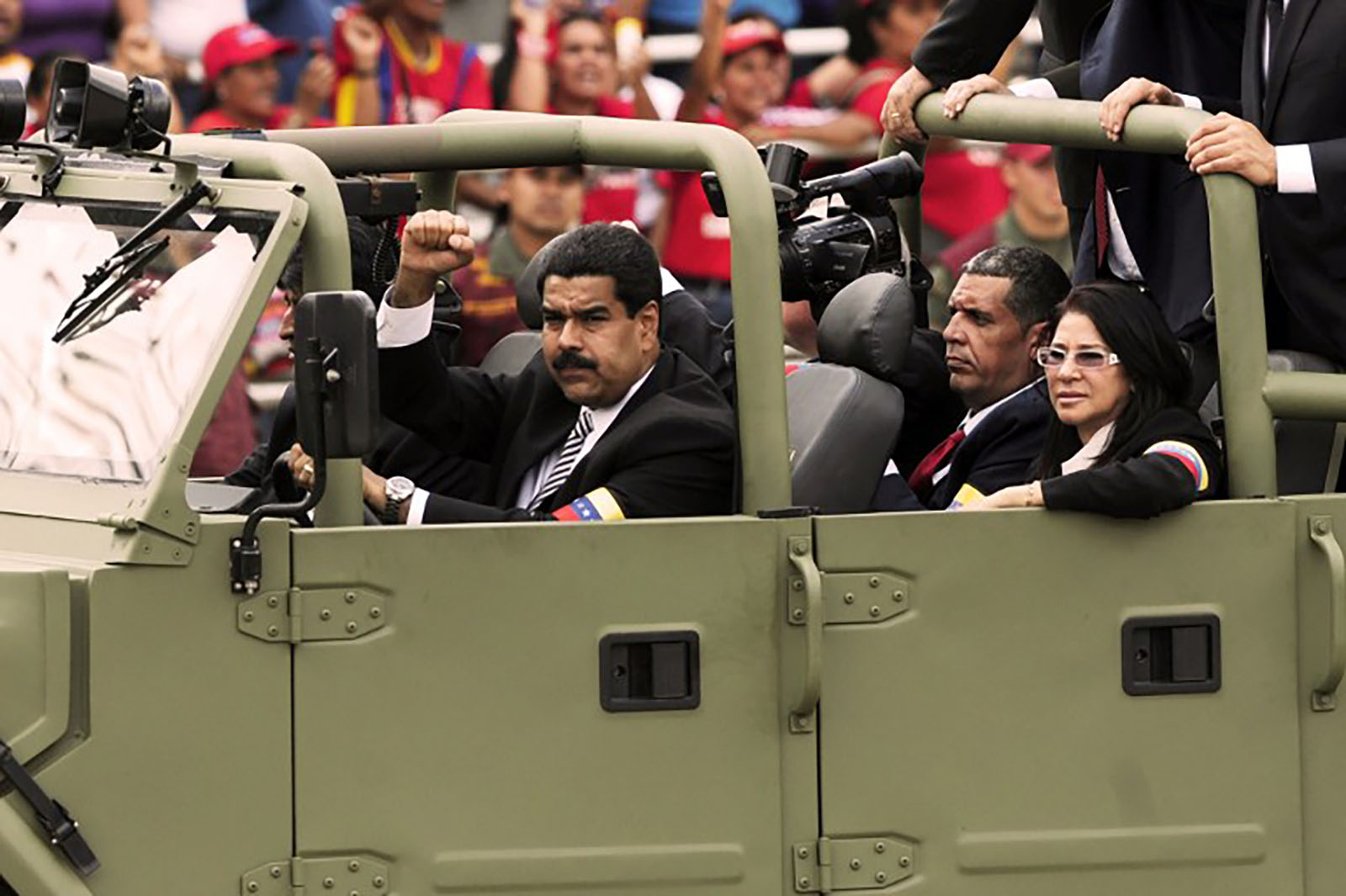
First ladies in Latin America are more than ceremonial figures. They influence public policy, advance political careers, and build power within the core of the executive branch – without a formal mandate, or accountability. Carolina Guerrero Valencia shows why ignoring them means misreading presidential power itself Read more
Alberto Ruiz-Méndez
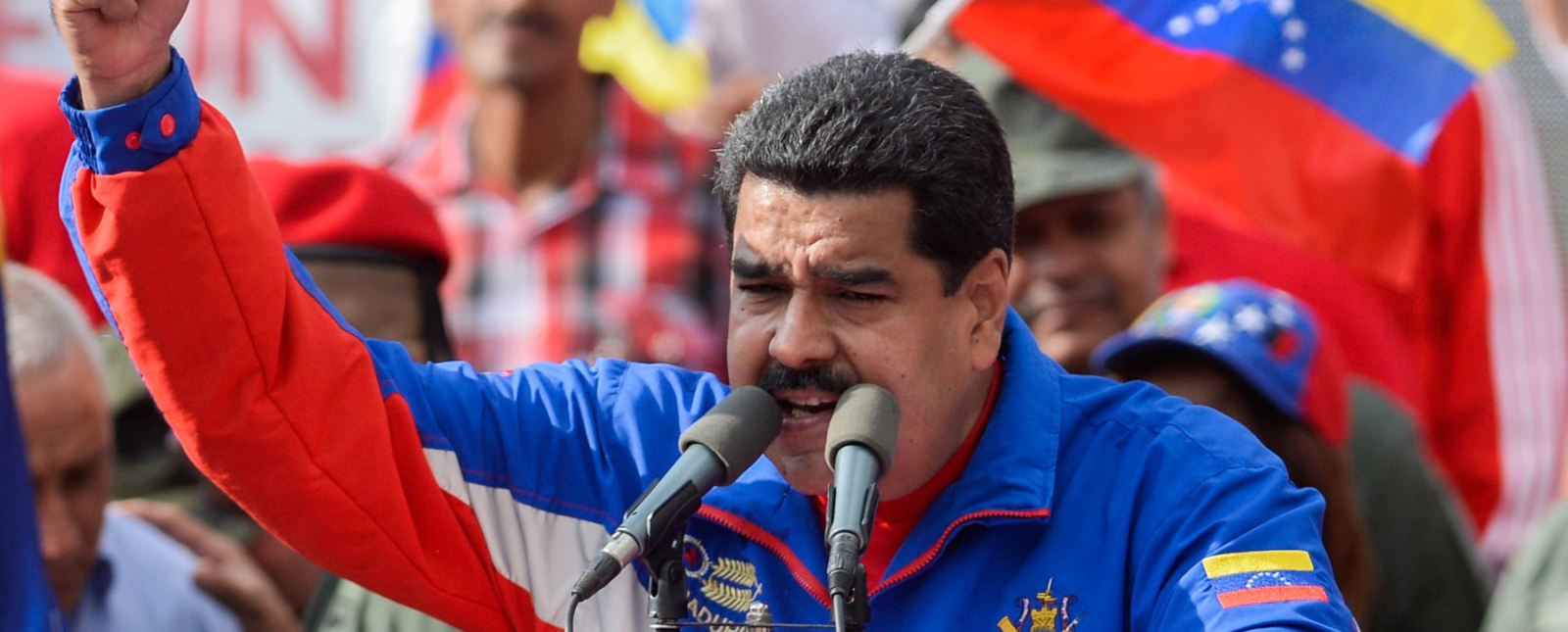
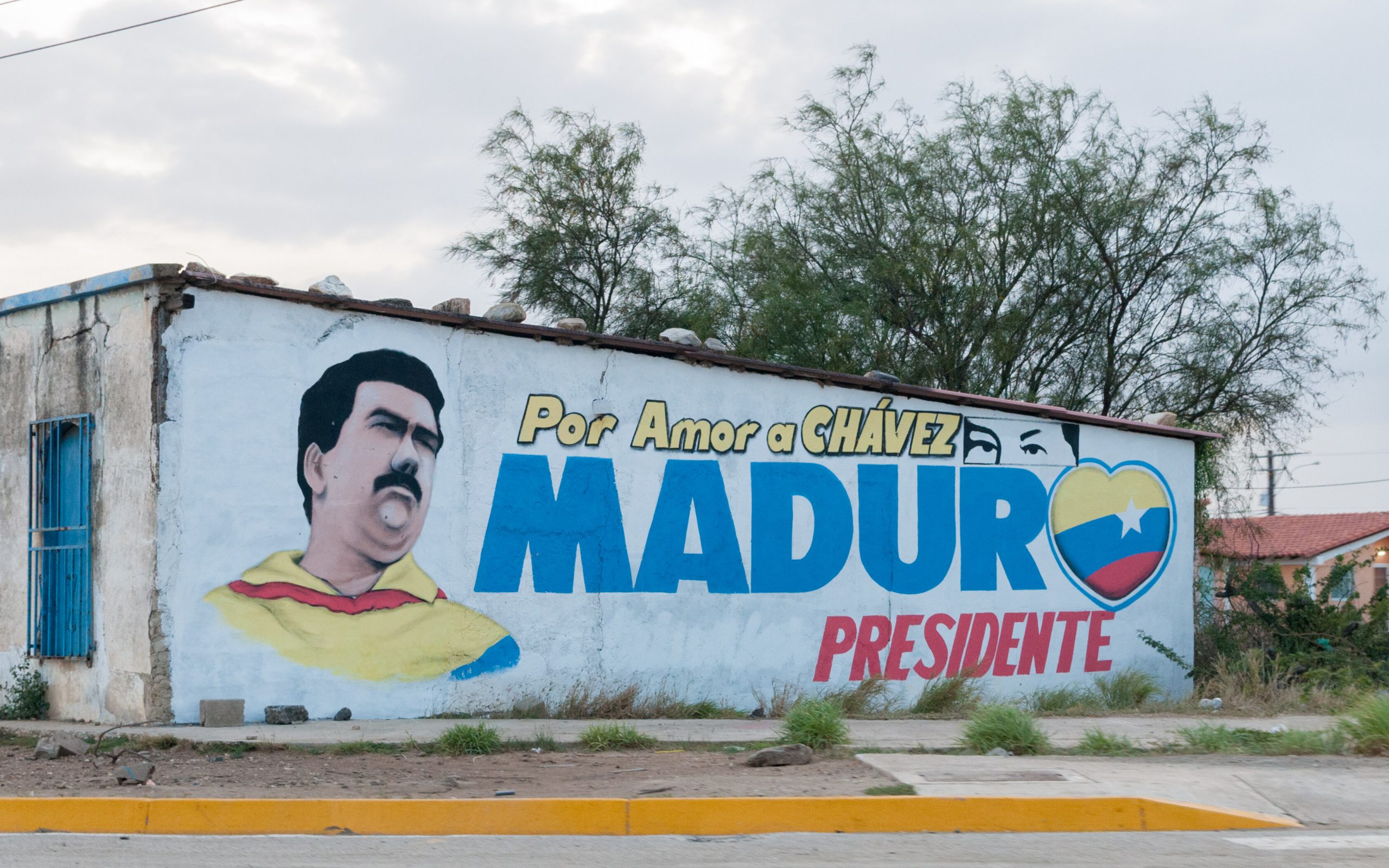
With Nicolás Maduro’s political weakening and the electoral victories of conservative parties in several Latin American countries, Alberto Ruiz-Méndez asks whether these developments signal the end of the wild years of populism. Here, he examines what the Latin American experience reveals about its limits Read more
Tim Pires Alves
In January 2026, many believed Venezuela to be on the brink of democratic transition. Recent political developments, however, have tempered any such optimism. So, have transformative efforts come to an end, or did they ever truly begin? Tim Pires Alves outlines a possible long-term trajectory for Venezuela toward a dysfunctional democracy shaped by economic dependence and opportunism Read more
Vasabjit Banerjee
On 3 January 2026, US military invaded Venezuela, capturing and removing president Nicolás Maduro. But Vasabjit Banerjee and María Isabel Puerta Riera caution that beyond the ousting of Maduro, the Trump administration doesn't appear to have a plan for sustaining a democratic regime Read more
Ruairidh Brown
The US capture and extraction of Venezuelan leader Nicolás Maduro on 3 January 2026 was an act without precedent. But Ruairidh Brown argues that recent events in Caracas were only the second Act in an unfolding post-exceptionalist world order Read more
Hakkı Taş
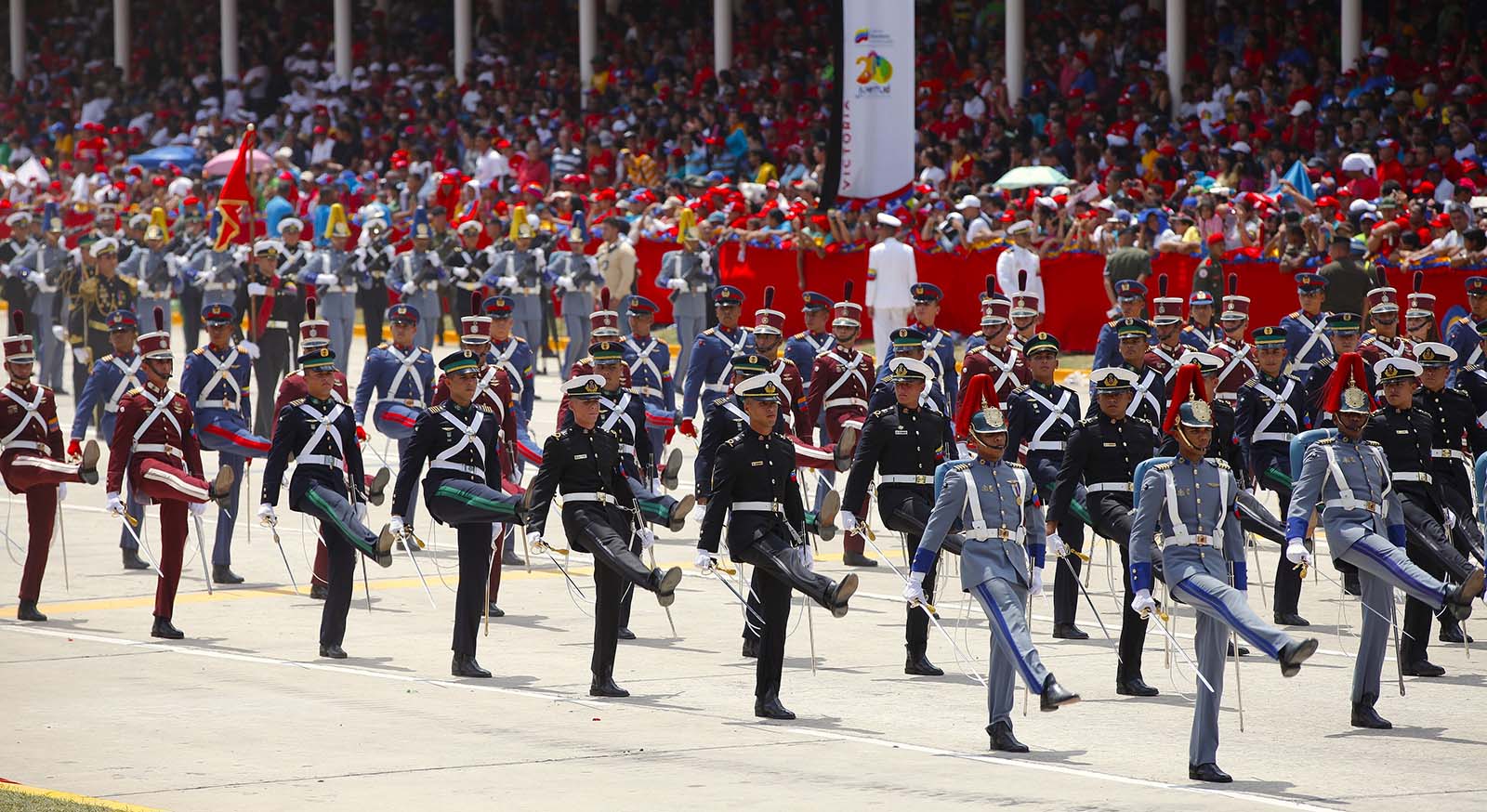
Recent data indicates that countries led by more populist leaders are less likely to have a military with veto power. Hakkı Taş explores the populist centralisation of power that fosters control over the military, and the impact on civilian oversight Read more
Kristian Vrede Skaaning Frederiksen
Citizens of young democracies sanction governments for violating democratic principles. However, as Kristian Vrede Skaaning Frederiksen finds, in new research based on data from 43 countries, citizens of old democracies do not. Given recent attacks on democracy across the world, the insights are important for policymakers as well as citizens Read more
The Loop
Cutting-edge analysis showcasing the work of the political science discipline at its best.
We use necessary cookies to make our site work. We'd also like to set analytics cookies that help us make improvements by measuring how you use the site. These will be set only if you accept.
▼
Strictly Necessary Cookies
Necessary cookies enable core functionality such as security, network management, and accessibility. You may disable these by changing your browser settings, but this may affect how the website functions.
▼
Analytics Cookies
Google Analytics
We'd like to set Google Analytics cookies to help us improve our website by collecting and reporting information on how you use it. The cookies collect information in a way that does not directly identify anyone. For more information on how these cookies work please see our Privacy Notice.