Azher Hameed Qamar
In the run-up to Sweden's 2026 election, far-right parties treated the hijab as proof that migrants neither belong nor can be assimilated. Azher Hameed Qamar argues that this debate reveals a democratic tension. Does equality demand sameness? Or does it protect participation despite cultural differences Read more
Koen Slootmaeckers
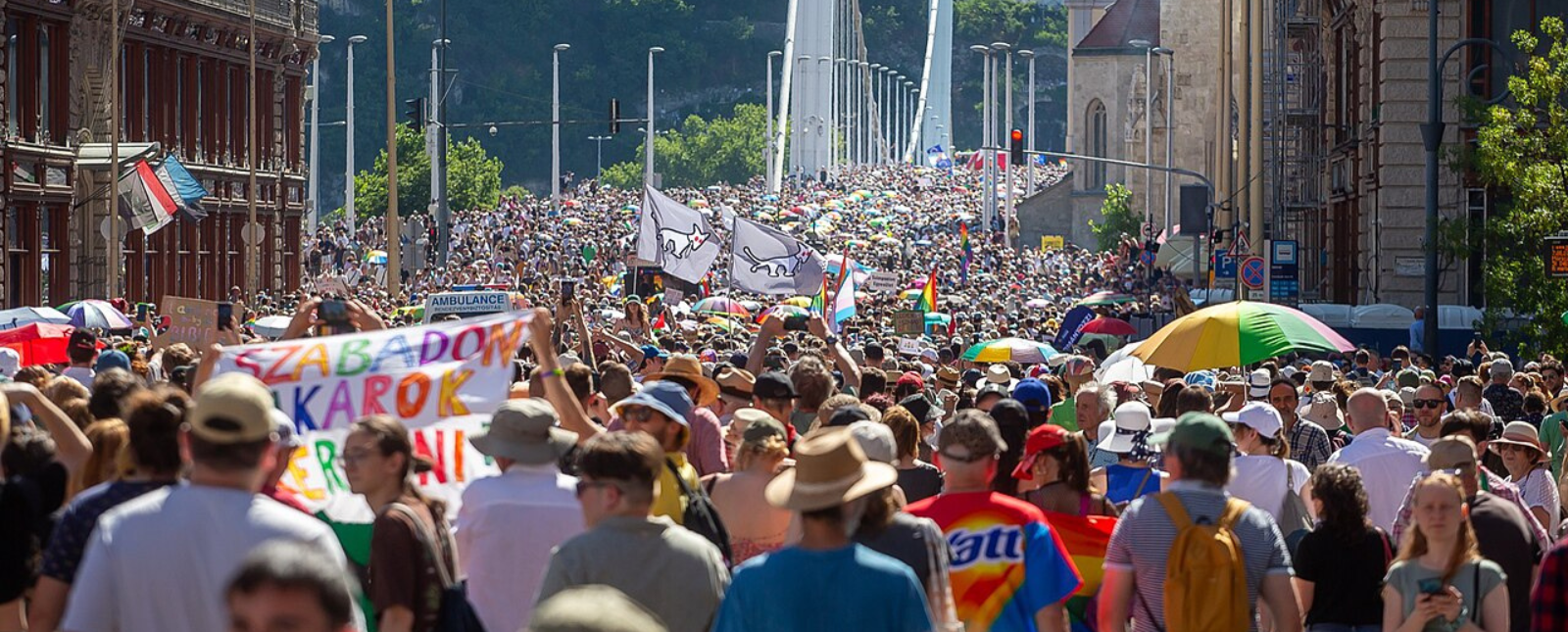
On 21 April 2026 the European Court of Justice delivered a landmark ruling, arguing that Hungary’s anti-LGBTQ+ law, in dehumanising LGBTIQ+ people, is incompatible with EU values. Koen Slootmaeckers analyses the Court’s ruling and its wider implications beyond Hungary Read more
Eban Raymond
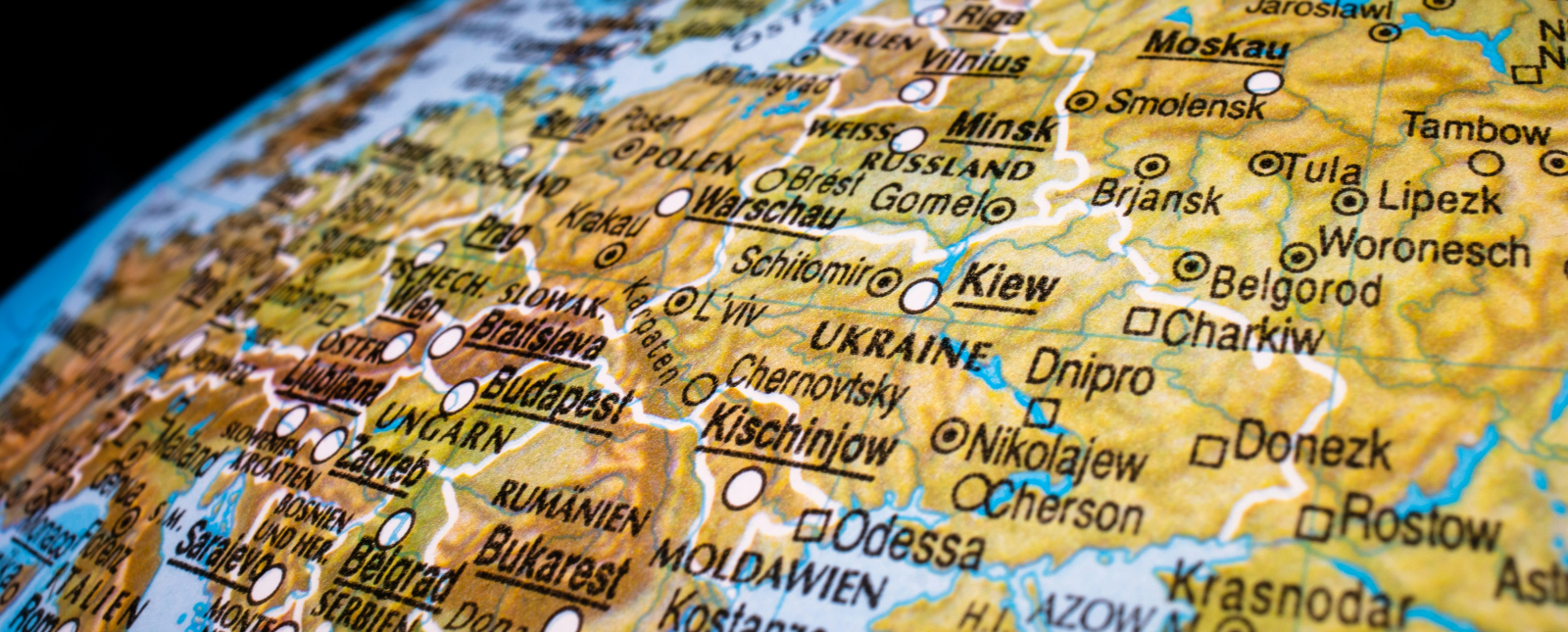
Since 2014, Russian society has become increasingly reliant on militaristic forms of self-expression. Eban Raymond argues that Russian national identity is beset by a lack of security and depends on defining itself in opposition to Ukraine, perpetuating armed aggression and making a durable peace a distant dream Read more
Sibei Sun
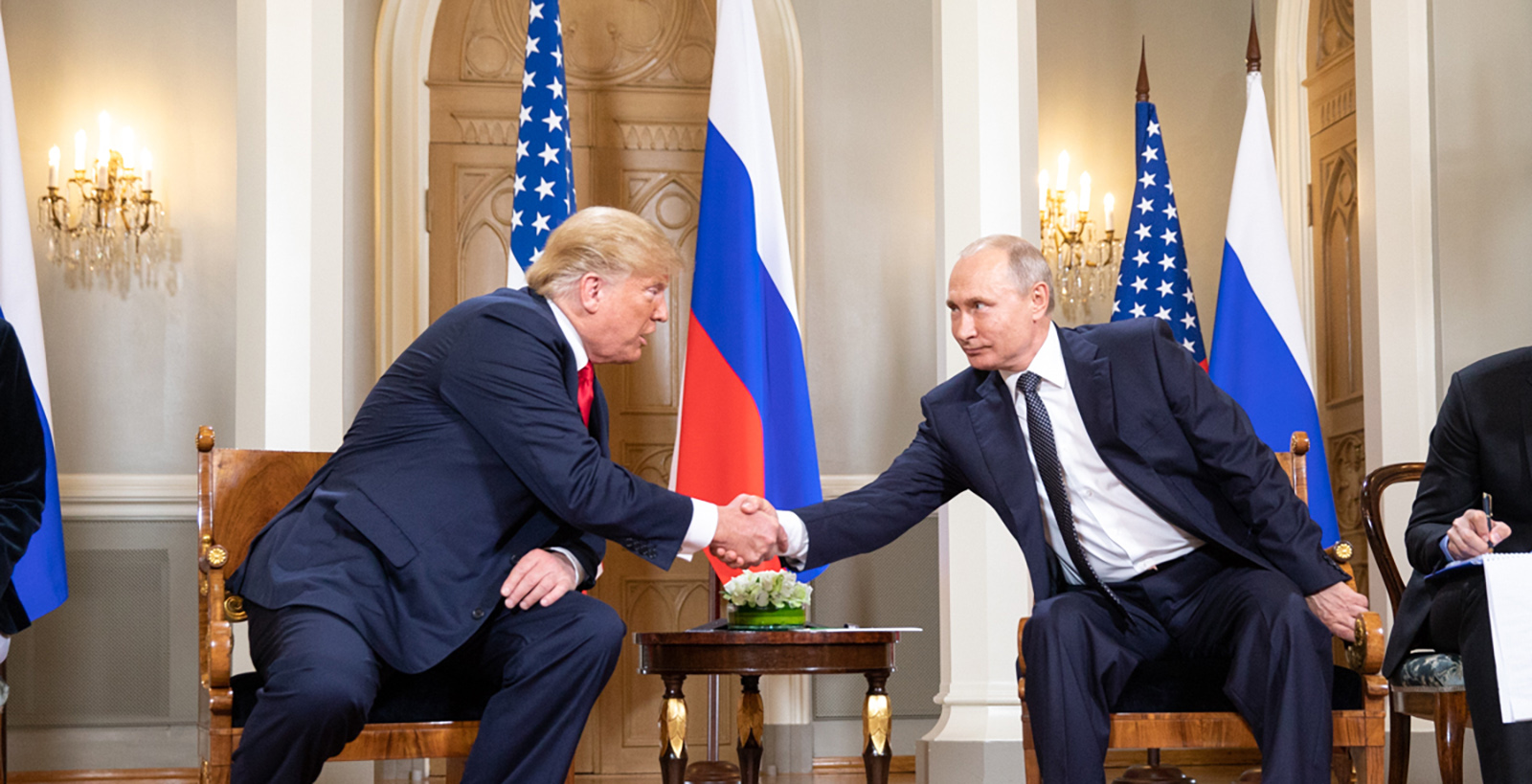
The Trump administration is advancing an illiberal Atlanticism that reimagines the West in manners similar to how Putin imagines Eurasia. Sibei Sun dissects the uncanny parallels between the two geopolitical doctrines and what it all means for future transatlantic relations Read more
Alexander Kondakov
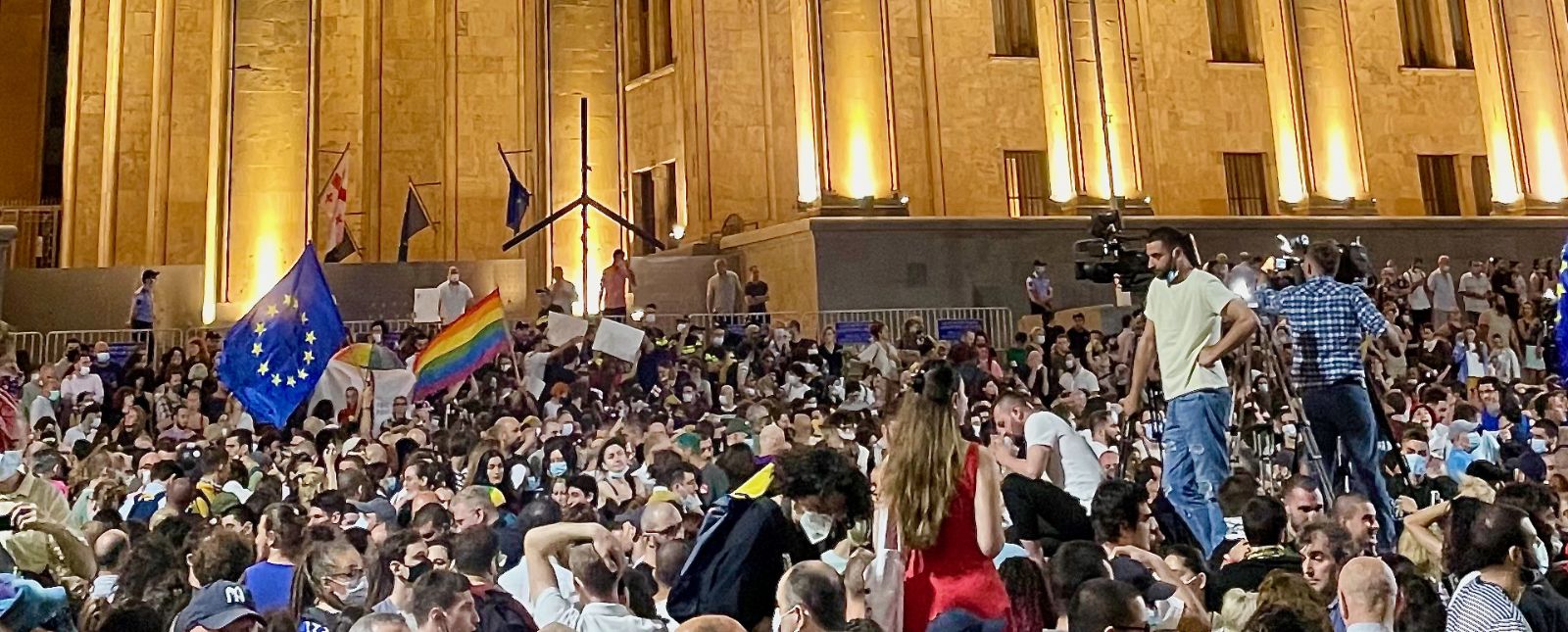
In 2024, Georgia adopted a new legal framework that mirrors Russia’s ‘gay propaganda’ ban. Alexander Kondakov and Sandro Tabatadze explore how this law blends Russian-inspired anti-gender policies with homegrown political logic. It is reshaping Georgia’s identity and challenging its Western ties, while raising broader implications for global authoritarian movements Read more
Süleyman Güngör
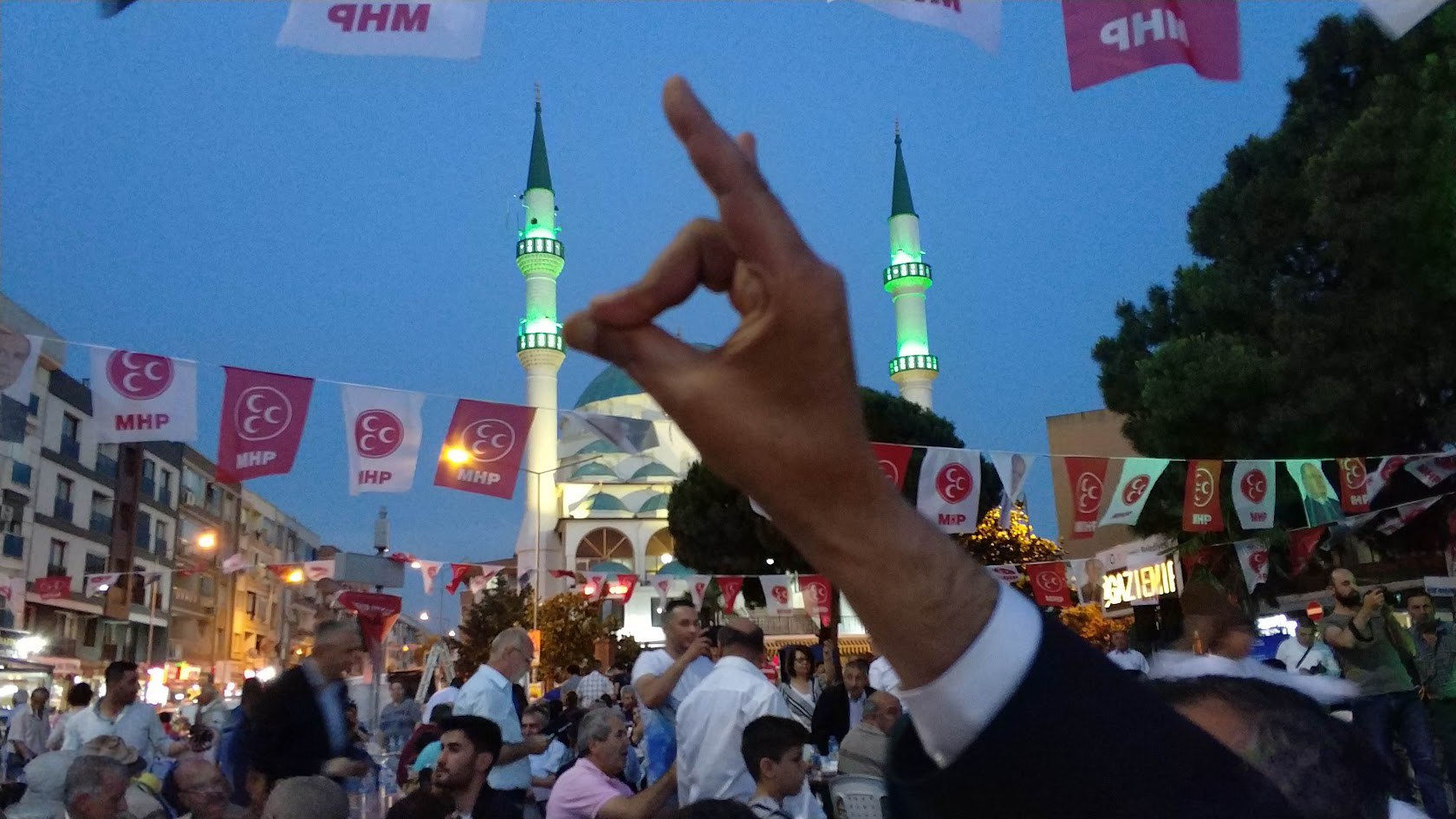
What is seen as a symbol of pride in one country may be viewed as a provocation in another. Reflecting on the recent controversy over a footballer’s hand gesture linked to Turkish nationalism, Süleyman Güngör explores how physical expressions of cultural identity triggered international tensions Read more
Odelia Oshri
How do national stories shape voting behaviour? Odelia Oshri, Eran Amsalem, and Shaul Shenhav reveal that voters who view their nation through an exclusionary lens are more likely to support populist radical-right parties, especially those marginalised in society. Their findings highlight the powerful role of national narratives in driving political polarisation. Read more
The Loop
Cutting-edge analysis showcasing the work of the political science discipline at its best.
We use necessary cookies to make our site work. We'd also like to set analytics cookies that help us make improvements by measuring how you use the site. These will be set only if you accept.
▼
Strictly Necessary Cookies
Necessary cookies enable core functionality such as security, network management, and accessibility. You may disable these by changing your browser settings, but this may affect how the website functions.
▼
Analytics Cookies
Google Analytics
We'd like to set Google Analytics cookies to help us improve our website by collecting and reporting information on how you use it. The cookies collect information in a way that does not directly identify anyone. For more information on how these cookies work please see our Privacy Notice.