Matthew K. Gichohi
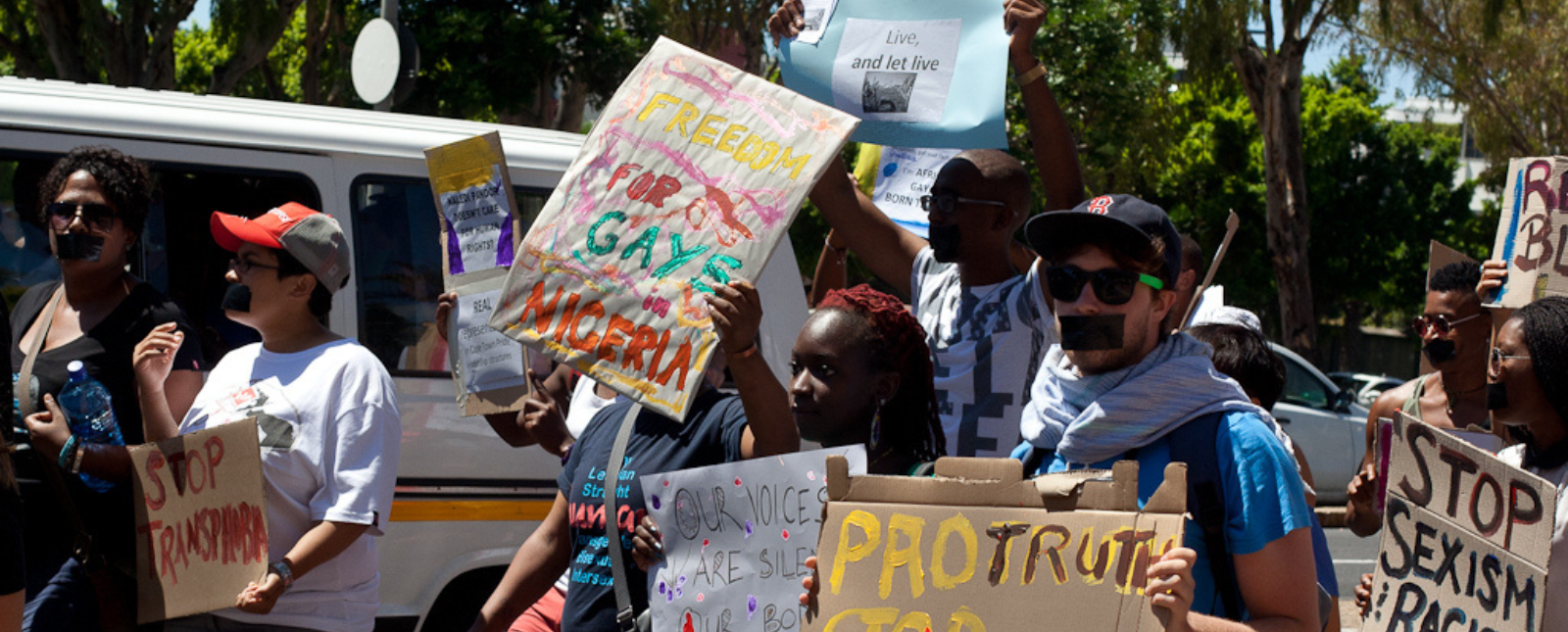
Nigerian queer activists have achieved a High Court ruling declaring parts of the country's Same-Sex Marriage (Prohibition) Act unconstitutional. Yet registrars, banks, police, and landlords are refusing to honour the ruling, reducing it to a mere 'victory on paper'. Matthew K. Gichohi, Ayodele Sogunro, and Liv Tønnessen argue that queer rights are eroded through bureaucracy, not legislation Read more
Romain Biesemans
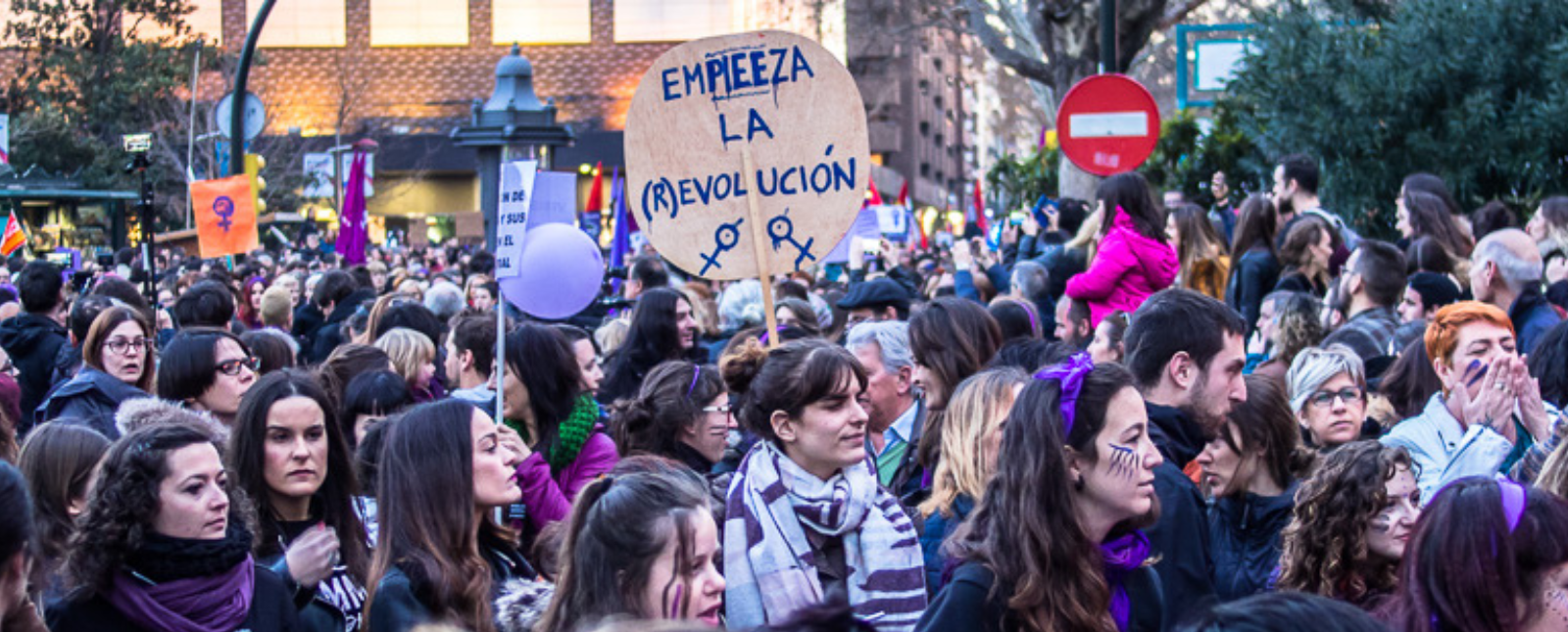
Reactionary gender politics are not the preserve only of the far right. Through a comparison between Belgium and Spain, Romain Biesemans and Archibald Gustin show how conservative and far-right parties converge in their opposition to gender equality Read more
Rylan Verlooy
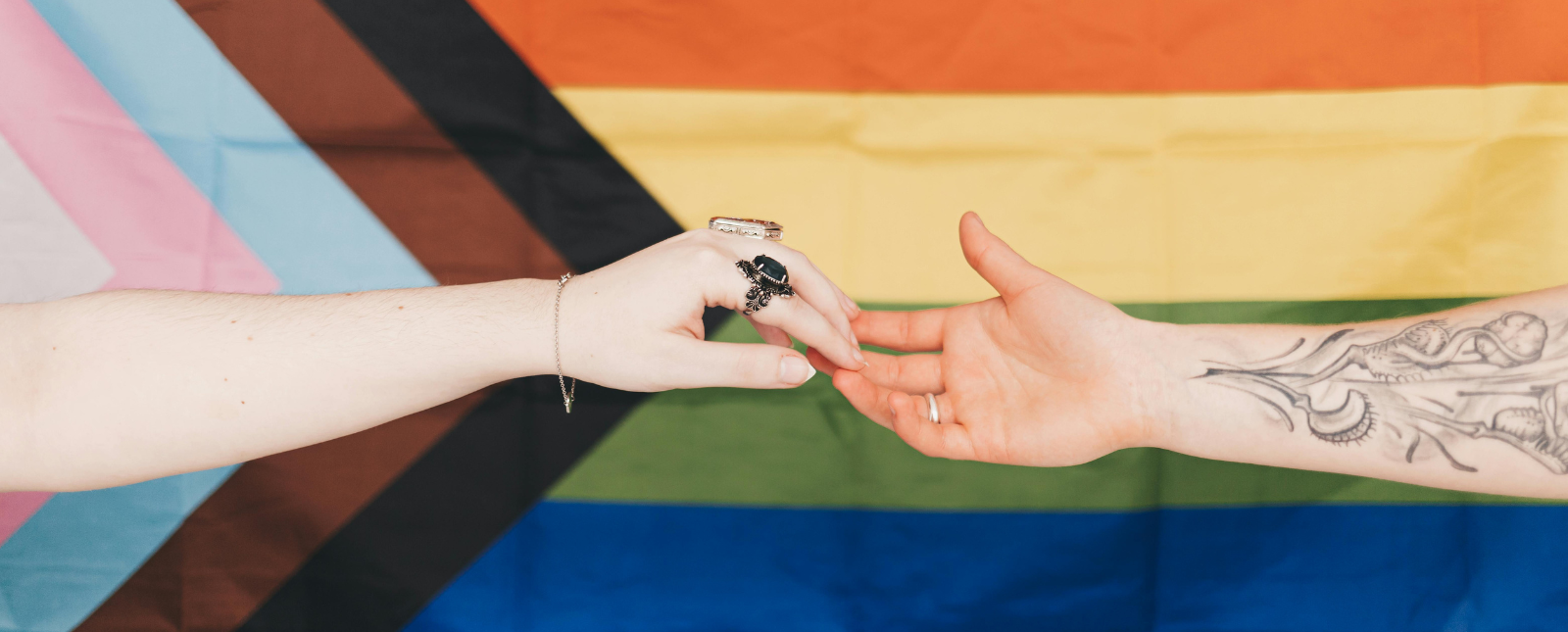
Belgium often prides itself on being an LGBTQ-friendly country, yet anti-trans activists hide their transphobia behind superficial pro-trans statements. Rylan Verlooy explores how this paradox affects trans people’s activism. Here, he shows how resistance takes the form of everyday acts of educating others, strengthening community spaces, and caring for trans lives Read more
Koen Slootmaeckers
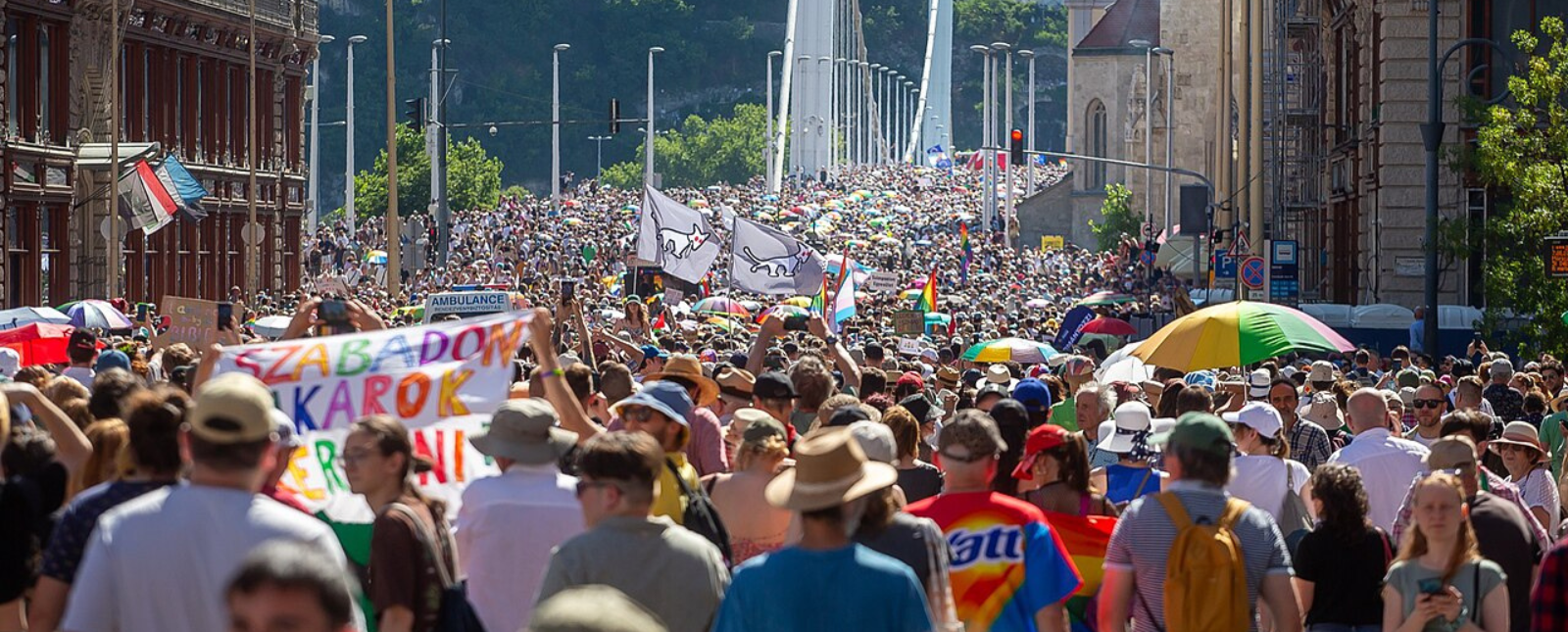
On 21 April 2026 the European Court of Justice delivered a landmark ruling, arguing that Hungary’s anti-LGBTQ+ law, in dehumanising LGBTIQ+ people, is incompatible with EU values. Koen Slootmaeckers analyses the Court’s ruling and its wider implications beyond Hungary Read more
Susana Galán
Theoretical frameworks dominating the study of anti-gender politics both enable and constrain our understanding of the phenomenon. Susana Galán and Tutku Ayhan argue that the existing frameworks are not helpful for studying anti-gender politics in the Southwest Asia and North Africa (SWANA) region. Here, the authors explain why, suggesting alternatives Read more
Klaudia Koxha
Gender equality is a fundamental EU value and a condition for the accession of new members. Yet political parties in Western Balkan candidate countries rarely prioritise it. Klaudia Koxha explains why: parties respond when Brussels and voters agree, but go quiet when their positions clash, especially on LGBTQ+ rights Read more
Selina Mabrouki
Populist leaders don’t just claim to represent the people – they embody them. Through strongman toughness or maternal guardianship, populists model idealised versions of a nation’s citizens, and they naturalise exclusion. Selina Mabrouki shows how contemporary populist leaders exploit gendered role models as tools of emotional persuasion Read more
Paloma Caravantes González
To kickstart a new round of blogs in the Gendering Democracy series, Paloma Caravantes, Laura Eigenmann and Francesca Feo recap the discussion so far, explaining why we need to keep gender at the centre of research on the politics of our time – and where we should go next Read more
We use necessary cookies to make our site work. We'd also like to set analytics cookies that help us make improvements by measuring how you use the site. These will be set only if you accept.
▼
Strictly Necessary Cookies
Necessary cookies enable core functionality such as security, network management, and accessibility. You may disable these by changing your browser settings, but this may affect how the website functions.
▼
Analytics Cookies
Google Analytics
We'd like to set Google Analytics cookies to help us improve our website by collecting and reporting information on how you use it. The cookies collect information in a way that does not directly identify anyone. For more information on how these cookies work please see our Privacy Notice.