Anna Khan
On 10 February 2026, Russia began throttling the instant-messaging service Telegram, later announcing its full blocking from 1 April. This, says Anna Khan, is no routine act of digital sovereignty. For years, Telegram was a central conduit for the Kremlin's propaganda. Restricting it signals not strength, but an attempt to contain the regime's decentralised nationalist momentum Read more
Olga Vlasova
In Russia, it is becoming increasingly difficult to get a reliable connection to YouTube, as the Kremlin seeks to limit access to global content. Newer platforms like the Russian Rutube offer only limited content, leaving users feeling disconnected. But is this strategy truly beneficial for the Kremlin? Olga Vlasova considers whether it might have deeper political motives. Read more
Simone Rinaldi
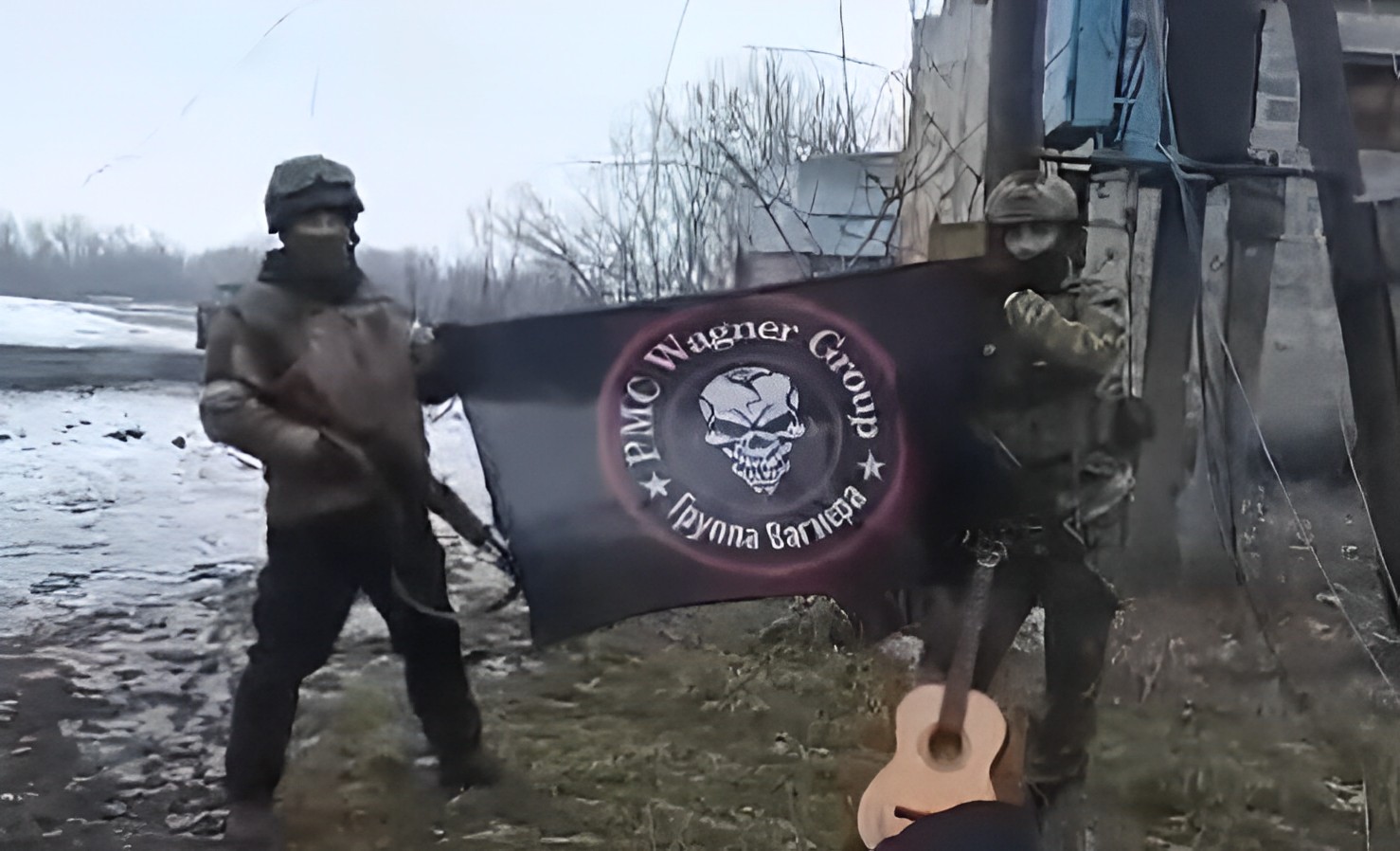
The history of private military activity goes back centuries, but modern-day Private Military Companies are a complex and controversial phenomenon in the global security landscape. Simone Rinaldi and Daniela Irrera argue that their role, and the implications of their use, raise significant challenges for the actors who employ them Read more
Alexandr Burilkov
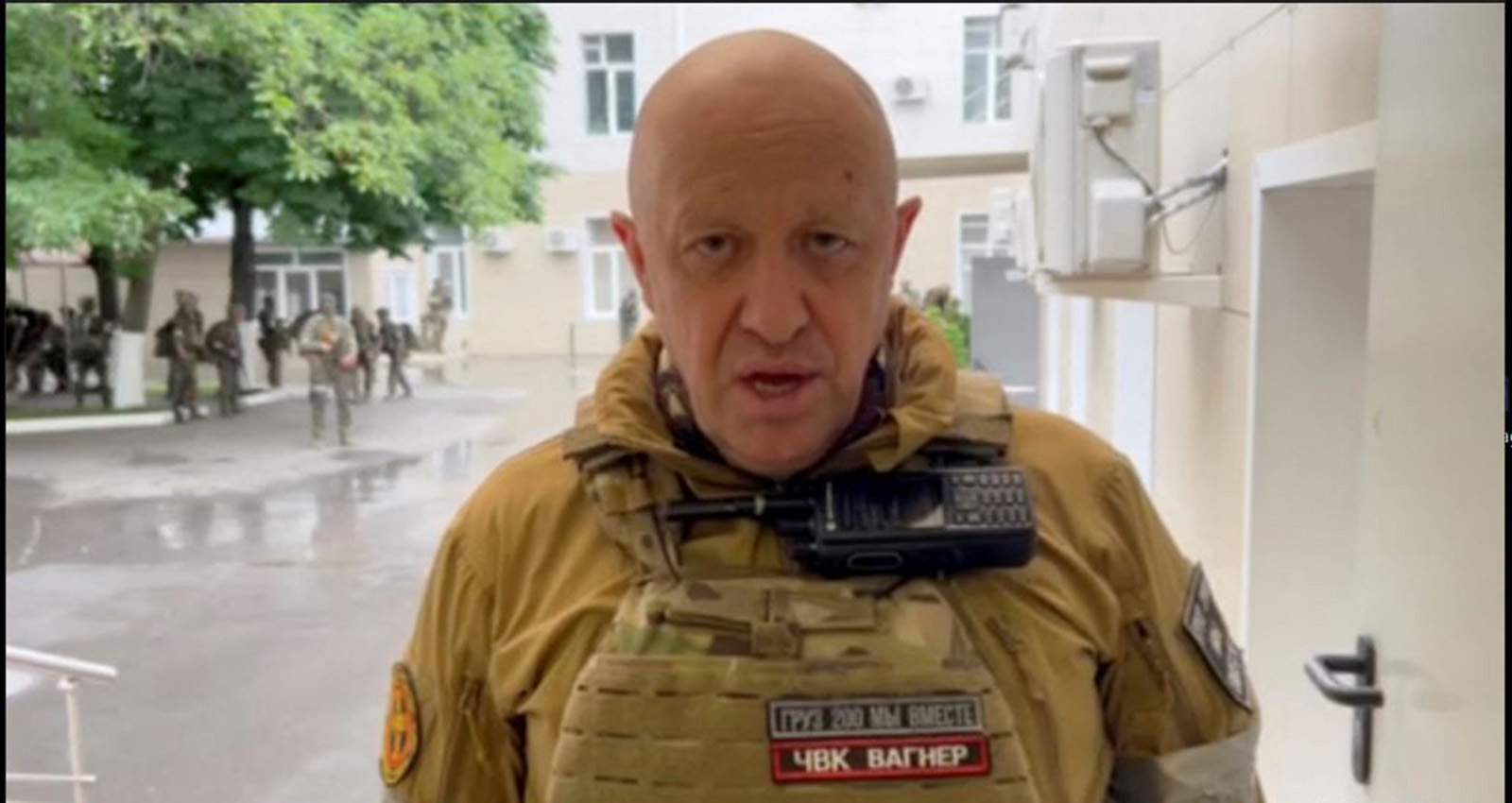
The recent mutiny of the Wagner PMC, orchestrated by Yevgeny Prigozhin, was the most serious instance of Russian internal conflict since the beginning of the Ukraine war. Alexandr Burilkov assesses whether its swift resolution reveals a regime that has survived the test unchanged, or whether it has been further weakened Read more
Nikola Mikovic
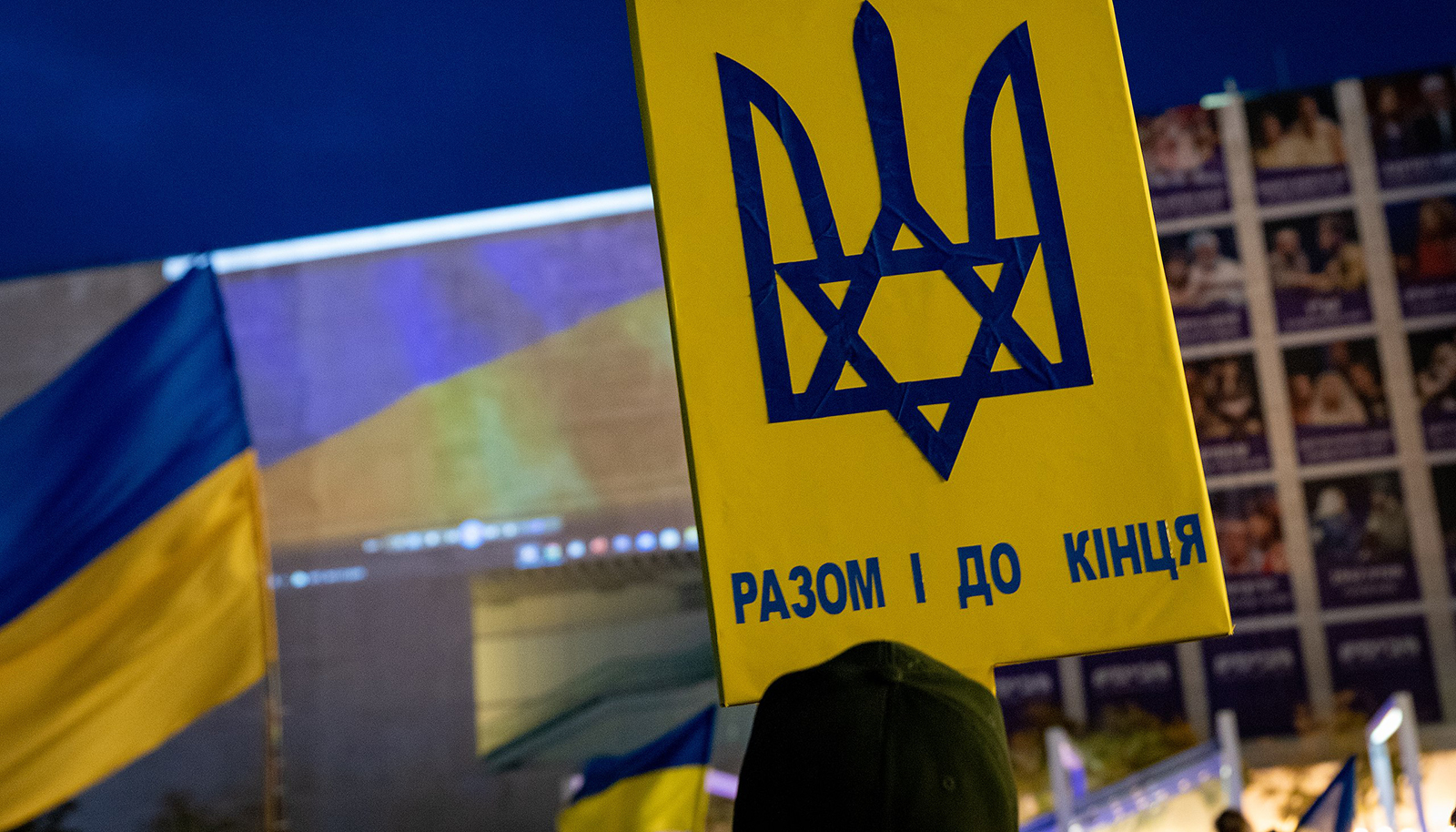
Russian drone and missile strikes on Ukrainian critical energy infrastructure have forced Kyiv to ask Israel for help. According to Nikola Mikovic, the Jewish State could eventually start providing weapons to Ukraine, although Israeli officials will unlikely publicly confirm it Read more
Alexandr Burilkov
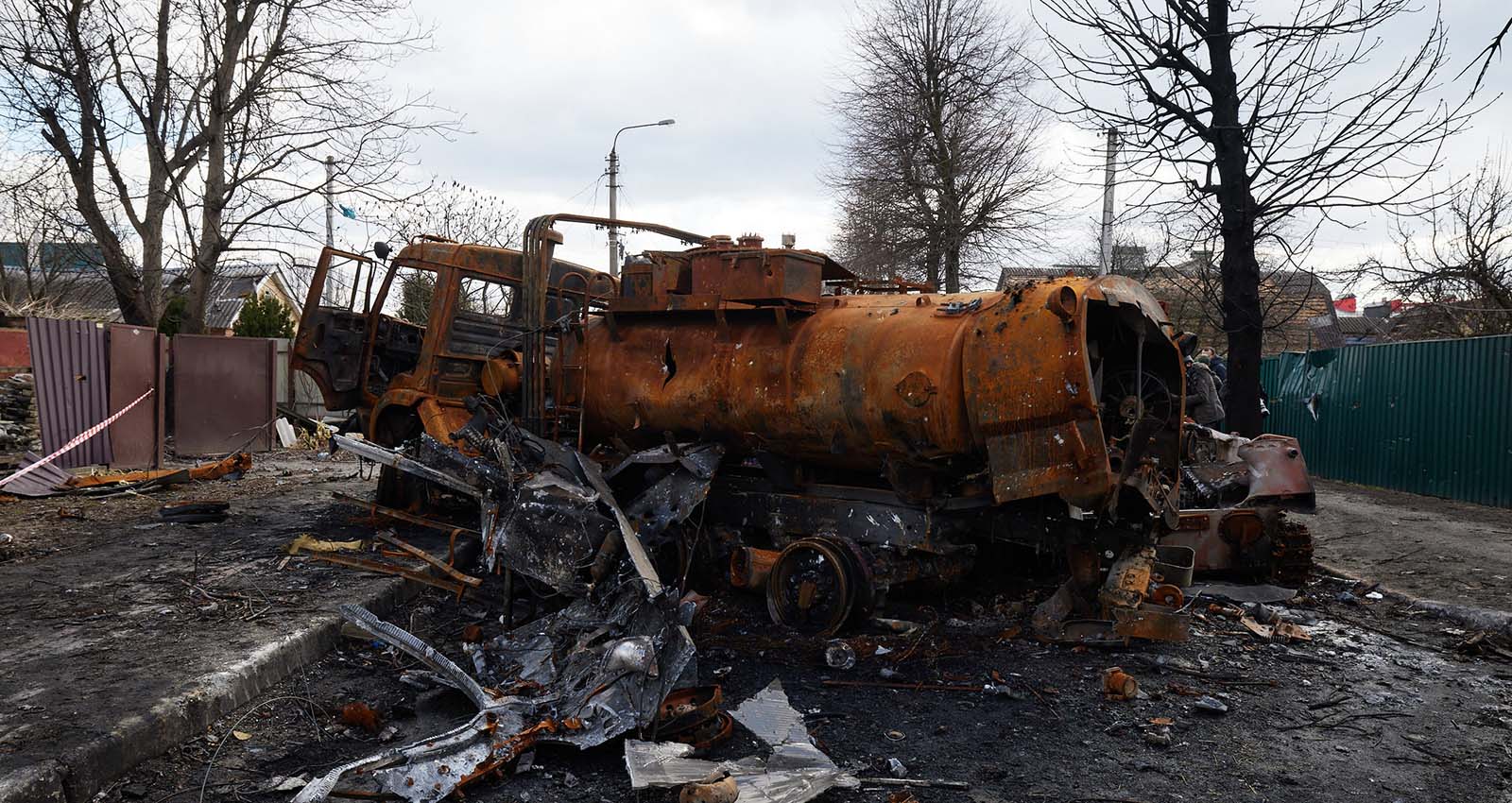
With the Russian invasion of Ukraine reduced to a protracted battle for the Donbas, discontent grows in Russian military and ultranationalist circles. This could lead to the formation of paramilitary groups aiming for a Russia of the revolutionary right, says Alexandr Burilkov Read more
The Loop
Cutting-edge analysis showcasing the work of the political science discipline at its best.
We use necessary cookies to make our site work. We'd also like to set analytics cookies that help us make improvements by measuring how you use the site. These will be set only if you accept.
▼
Strictly Necessary Cookies
Necessary cookies enable core functionality such as security, network management, and accessibility. You may disable these by changing your browser settings, but this may affect how the website functions.
▼
Analytics Cookies
Google Analytics
We'd like to set Google Analytics cookies to help us improve our website by collecting and reporting information on how you use it. The cookies collect information in a way that does not directly identify anyone. For more information on how these cookies work please see our Privacy Notice.