Ezgi Tüztürk
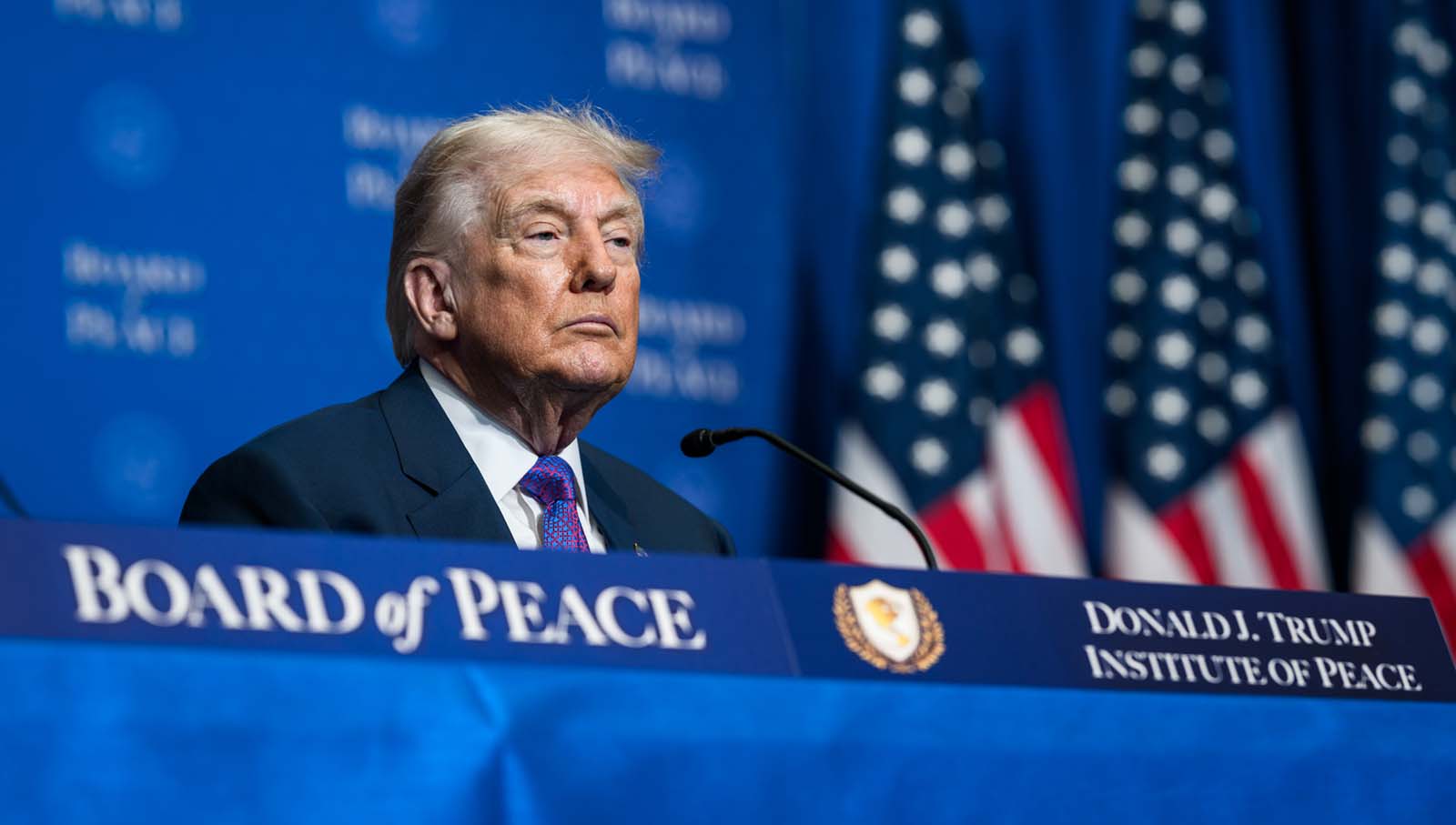
The membership of Kosovo and Albania on Trump's Board of Peace reveals a growing tension between these countries' reliance on Washington and their EU accession. As EU-US relations become increasingly strained, both countries face difficult choices over political alignment. This, warns Ezgi Tüztürk, risks sending conflicting signals to the EU Read more
Miruna Butnaru-Troncotă
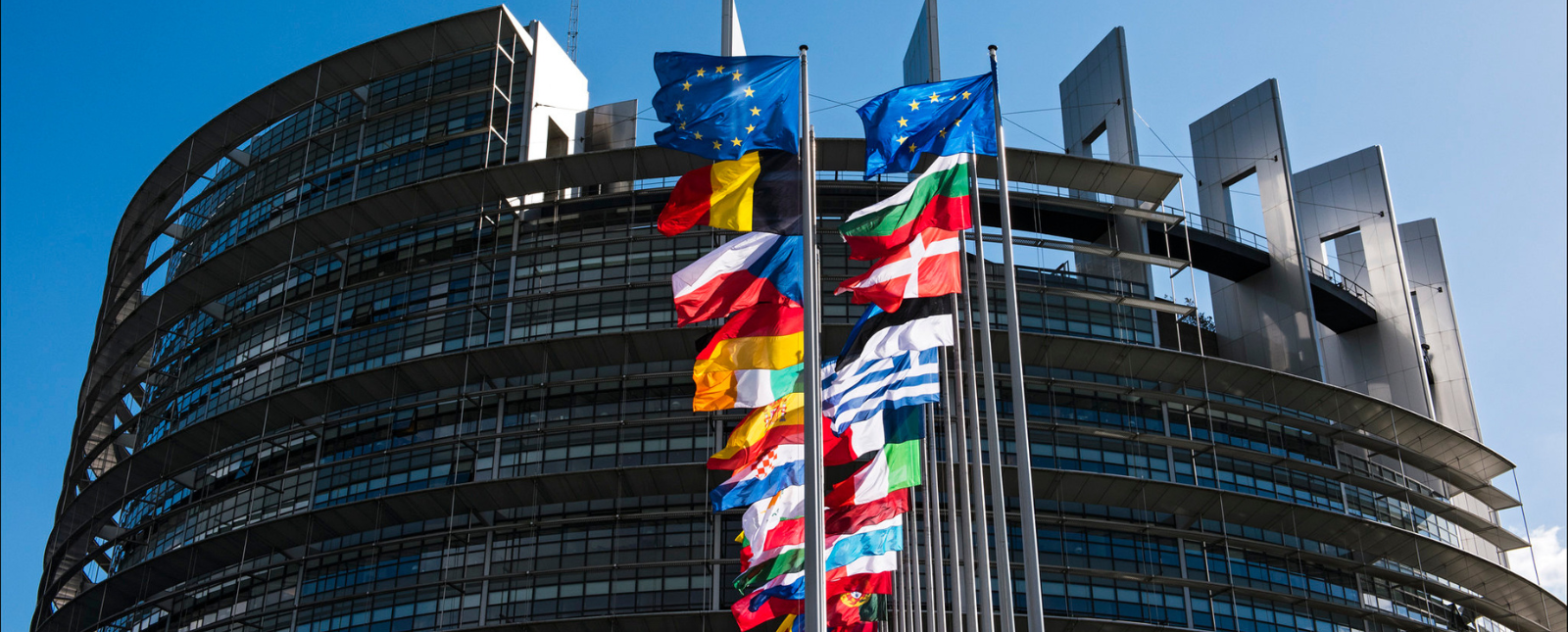
Russia’s full-scale invasion of Ukraine forced the EU to revive its enlargement agenda, but growing politicisation risks sidelining the Western Balkans yet again. Miruna Butnaru Troncotă argues that the EU's future credibility and cohesion hinge on treating Western Balkan integration just as urgently as Eastern enlargement Read more
Zeynep Şahin Mencütek
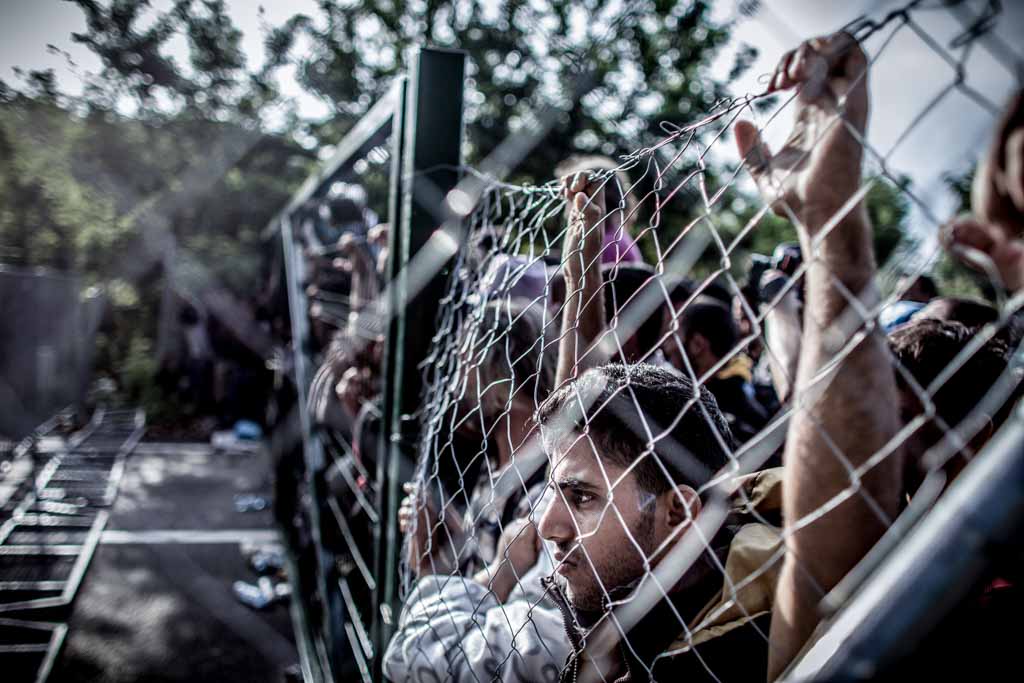
The European Commission has proposed a new system for returning third-country nationals staying illegally in the EU: sending them to designated holding areas before deportation. Zeynep Şahin Mencütek and Soner Barthoma explain why its plan will not work Read more
Magdalena König
Enlargement’s symbolic revival after Russia’s full-scale invasion of Ukraine risks repeating past failures. Magdalena König warns that without credible timelines and reform momentum, the EU may trap candidates — old and new — in an ‘eternal waiting room’. Frustration, backsliding, and geopolitical drift are likely unless promises are matched by progress Read more
Milica Uvalić
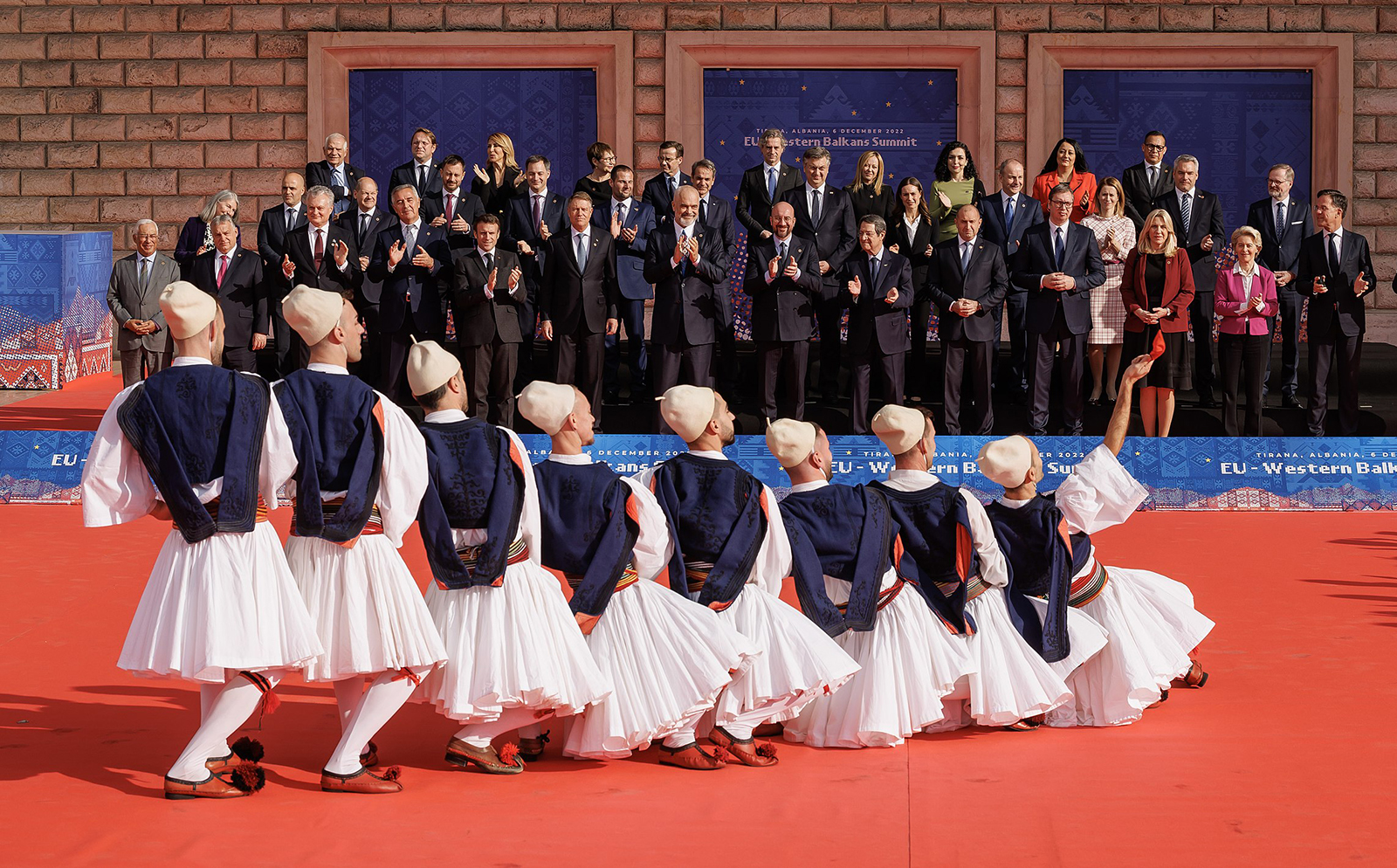
The EU and the Western Balkan countries view enlargement differently. Milica Uvalić argues that despite renewed EU engagement since Russia's full-scale invasion of Ukraine, misperceptions persist, hindering Western Balkan countries’ accession. Bridging these misunderstandings is crucial to revitalising the process and aligning expectations for a shared European future Read more
Maria Giulia Amadio Viceré
EU enlargement could address collective action problems and stabilise its neighbourhood, but stalled accession processes may make full membership unlikely. Maria Giulia Amadio Viceré and Matteo Bonomi suggest that partial integration — engaging candidate countries in EU policies without membership — will remain the EU's main strategy for managing internal and regional crises Read more
Dušan Spasojević
Using the example of the Serbian Progressive Party, Dušan Spasojević shows how populism can be driven by blurred ideological standpoints. At the same time, it can occupy a centrist position in the party system and enter the political mainstream Read more
Lena Surzhko-Harned
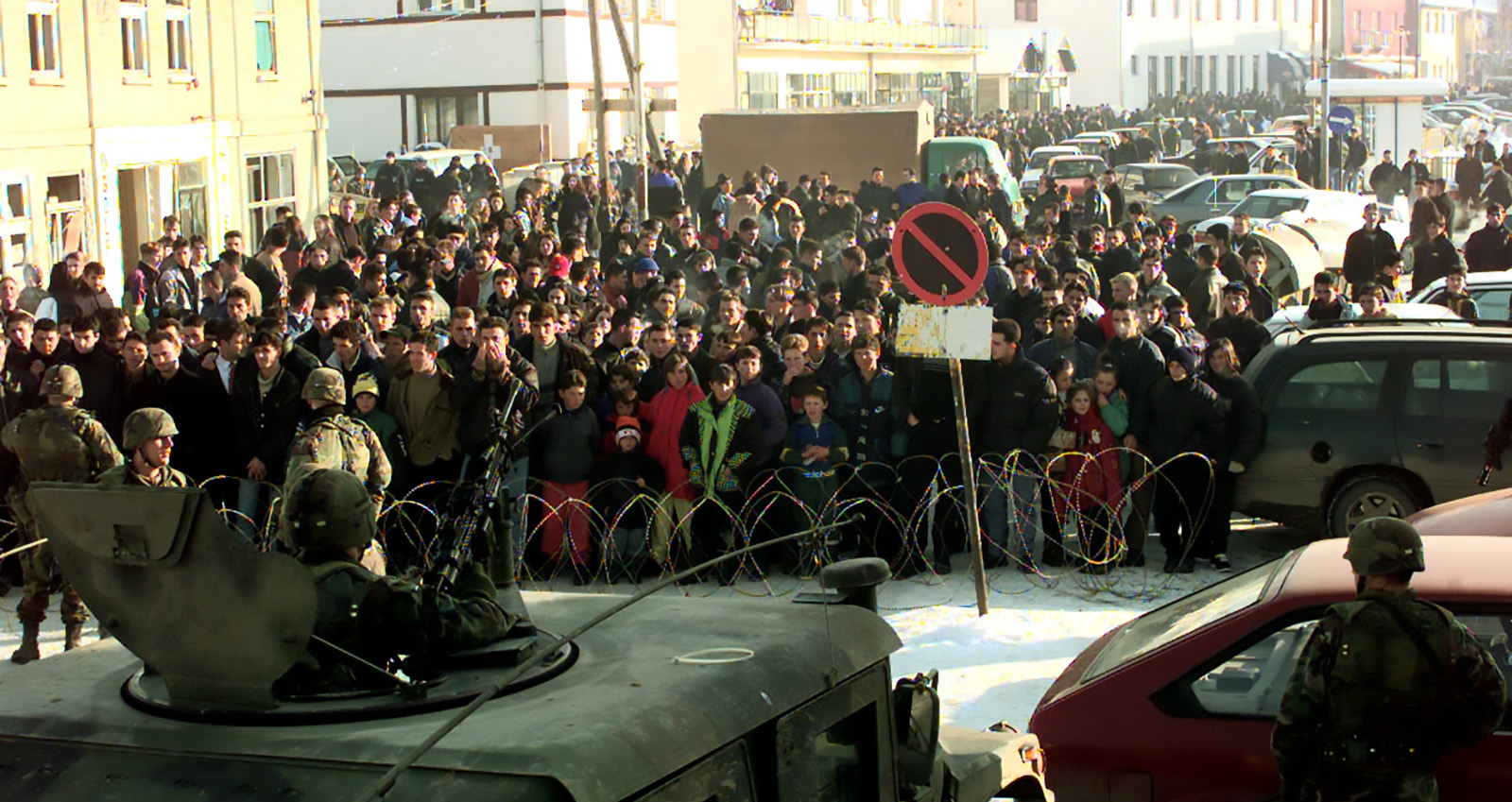
The Kosovo war helped consolidate the Responsibility to Protect norm. But Lena Surzhko-Harned and Jiří Nykodým argue that it also created the 'Kosovo precedent' used to undermine international law. Russia has often exploited this narrative to justify its current war in Ukraine Read more
We use necessary cookies to make our site work. We'd also like to set analytics cookies that help us make improvements by measuring how you use the site. These will be set only if you accept.
▼
Strictly Necessary Cookies
Necessary cookies enable core functionality such as security, network management, and accessibility. You may disable these by changing your browser settings, but this may affect how the website functions.
▼
Analytics Cookies
Google Analytics
We'd like to set Google Analytics cookies to help us improve our website by collecting and reporting information on how you use it. The cookies collect information in a way that does not directly identify anyone. For more information on how these cookies work please see our Privacy Notice.