Luca Manucci
A fascist zeitgeist has replaced the populist one. Luca Manucci explains how, to attract voters, the contemporary far right exploits a widespread saudade for the authoritarian past. The firewall has fallen, the stigma has gone, and the Iberian countries are no longer ‘exceptional’ Read more
Vera Tika
Sweden's election defeated the Tidö bloc and blocked the Sweden Democrats' route into government. Yet the restrictive political settlement they helped construct may endure. Vera Tika argues that far-right normalisation is not automatically reversed by electoral defeat: once institutionalised, illiberal change can acquire a political life of its own Read more
Haktan Ural
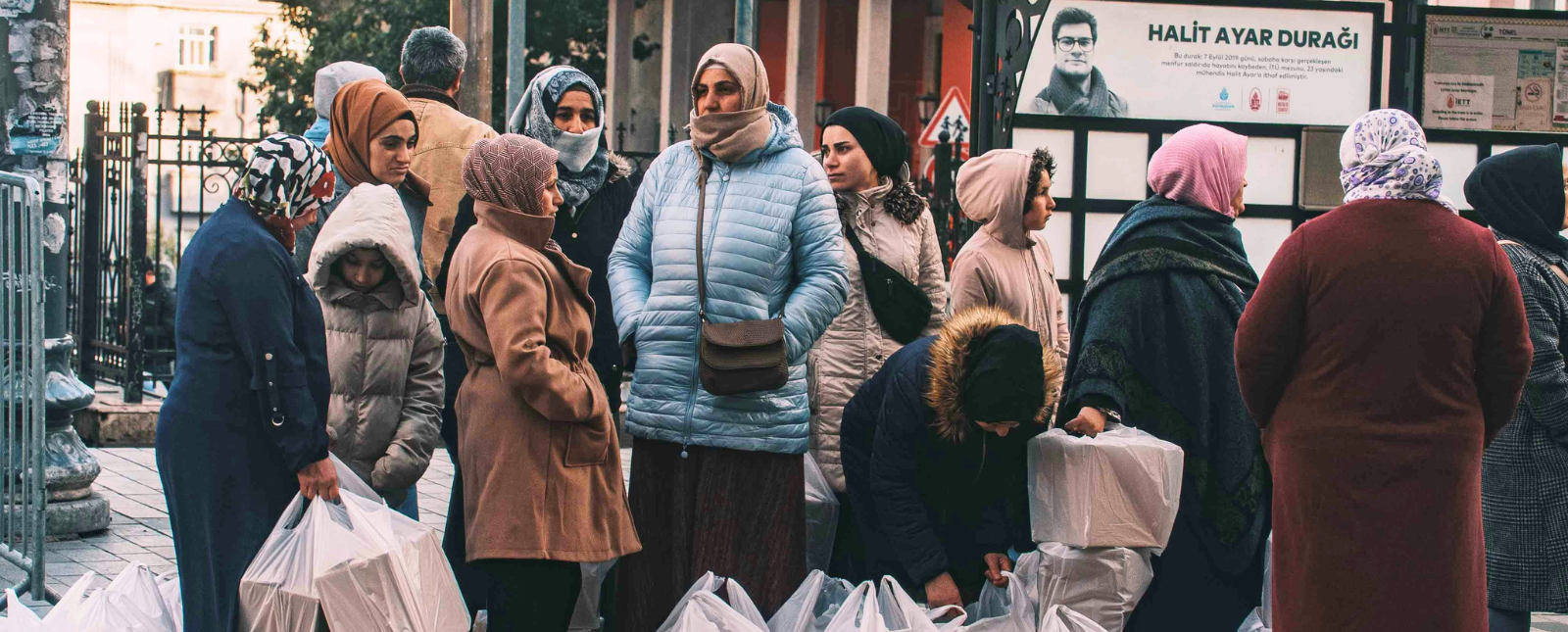
Haktan Ural draws on social media posts from Türkiye's anti-alimony campaigns to show how a currency crash and years of economic insecurity fuelled rage against gender equality. When progressive politics failed to answer economic pain, anti-gender movements stepped in Read more
David Pimenta
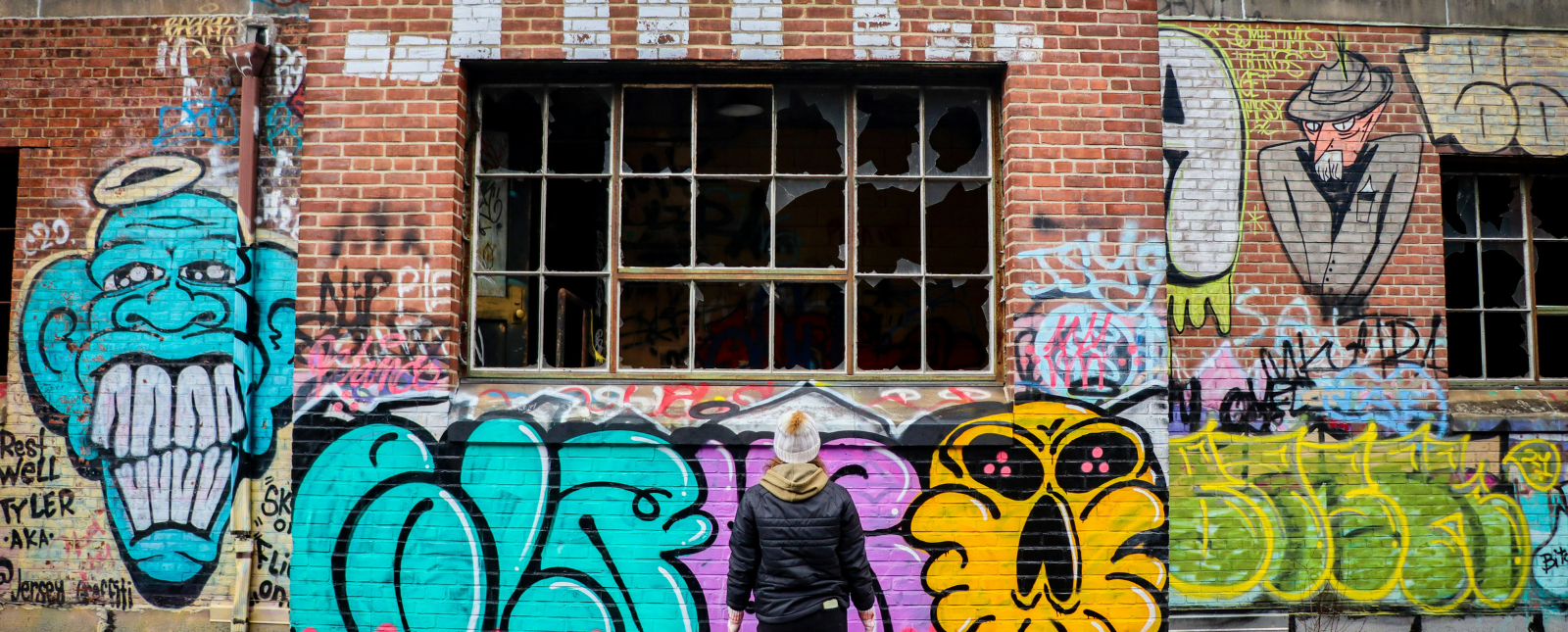
David Pimenta argues that the logic behind the 'broken windows' theory – that visible disorder encourages crime – is still with us. Today, however, it has been transformed and absorbed into contemporary illiberal populism, where cultural breakdown plays a central role in mobilising support and reshaping debates about authority and liberal democracy Read more
Philipp Lutscher
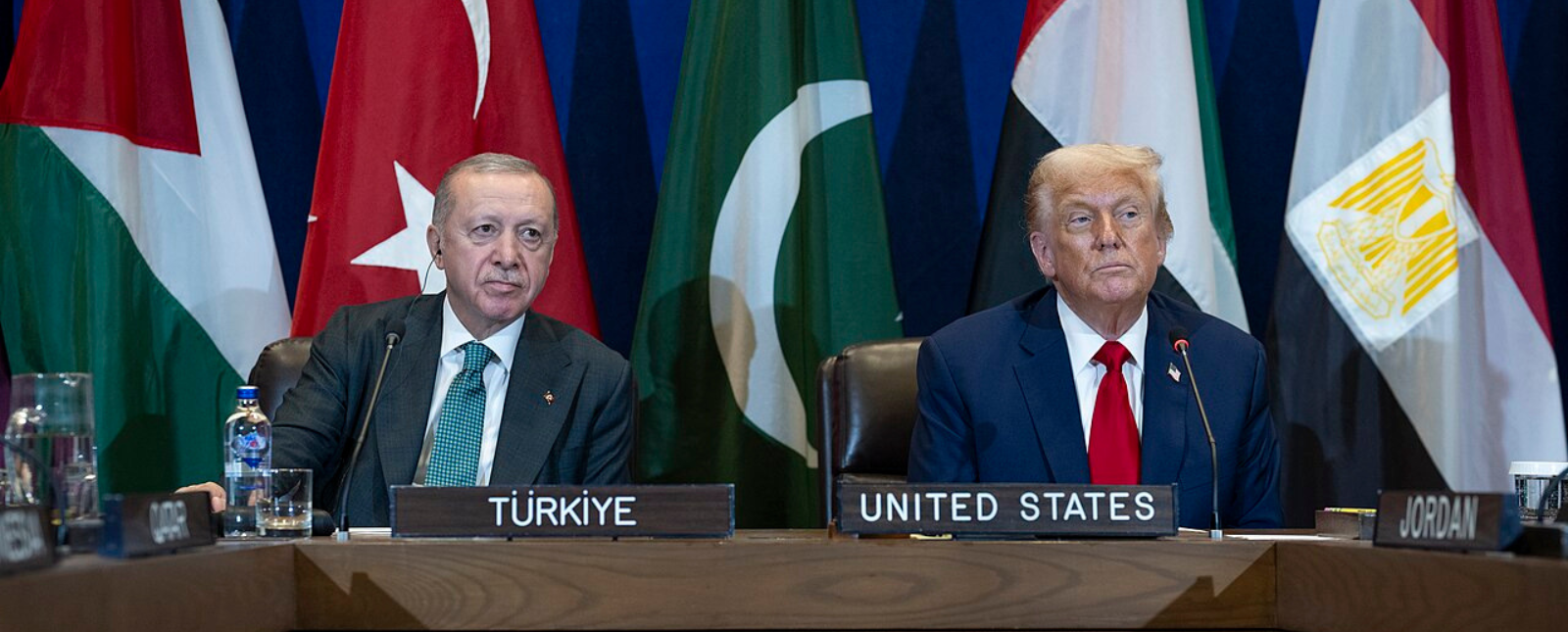
Philipp Lutscher, Jonas Bergan Dræge, Carl Henrik Knutsen and Karsten Donnay draw on three survey experiments across Venezuela, Turkey and the United States to show that visual strongman propaganda can deter opposition movements and mobilise supporters. Its effectiveness, however, depends on regime type and political context Read more
Vera Tika
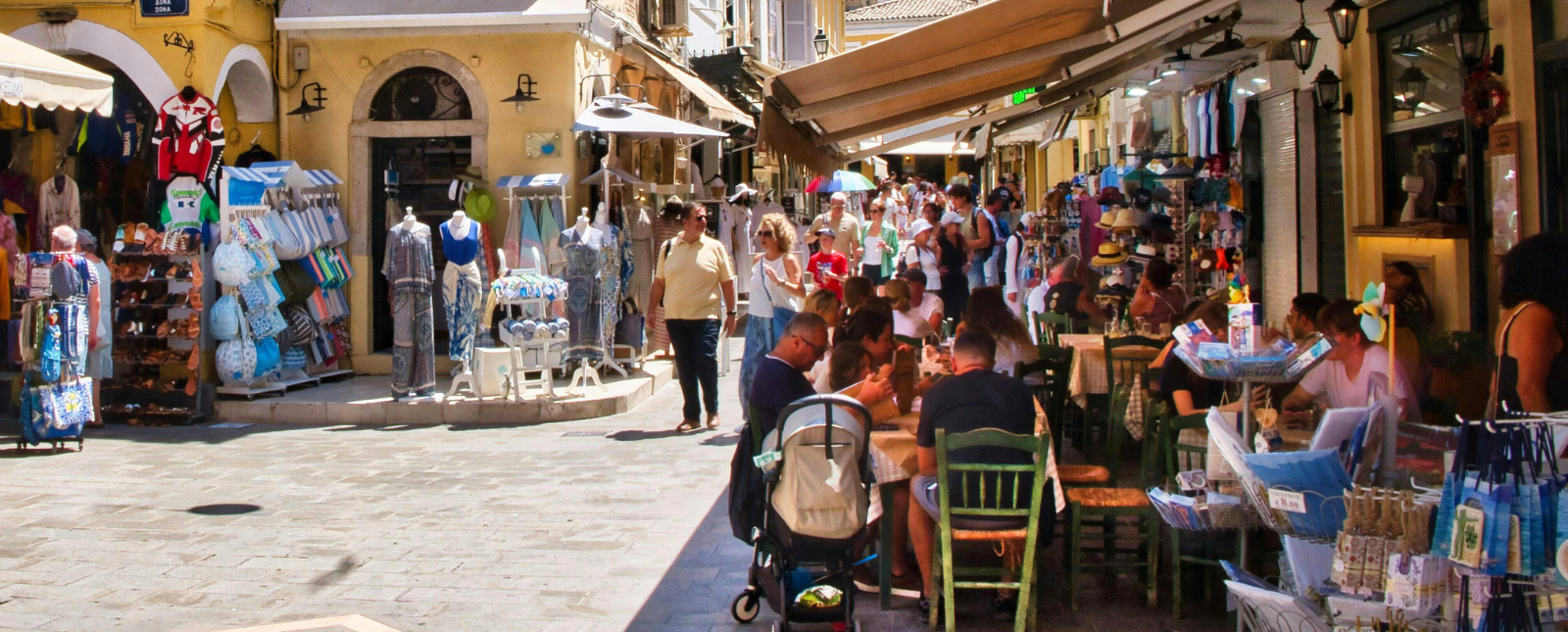
Vera Tika argues that contemporary illiberalism rarely arrives through dramatic democratic rupture. Instead, it advances quietly through routine governance and administrative practices that normalise exclusion. Examining Greece’s regulation of civil society, she shows how democratic erosion can occur incrementally — through law, procedure, and bureaucratic control Read more
Paul D. Kenny
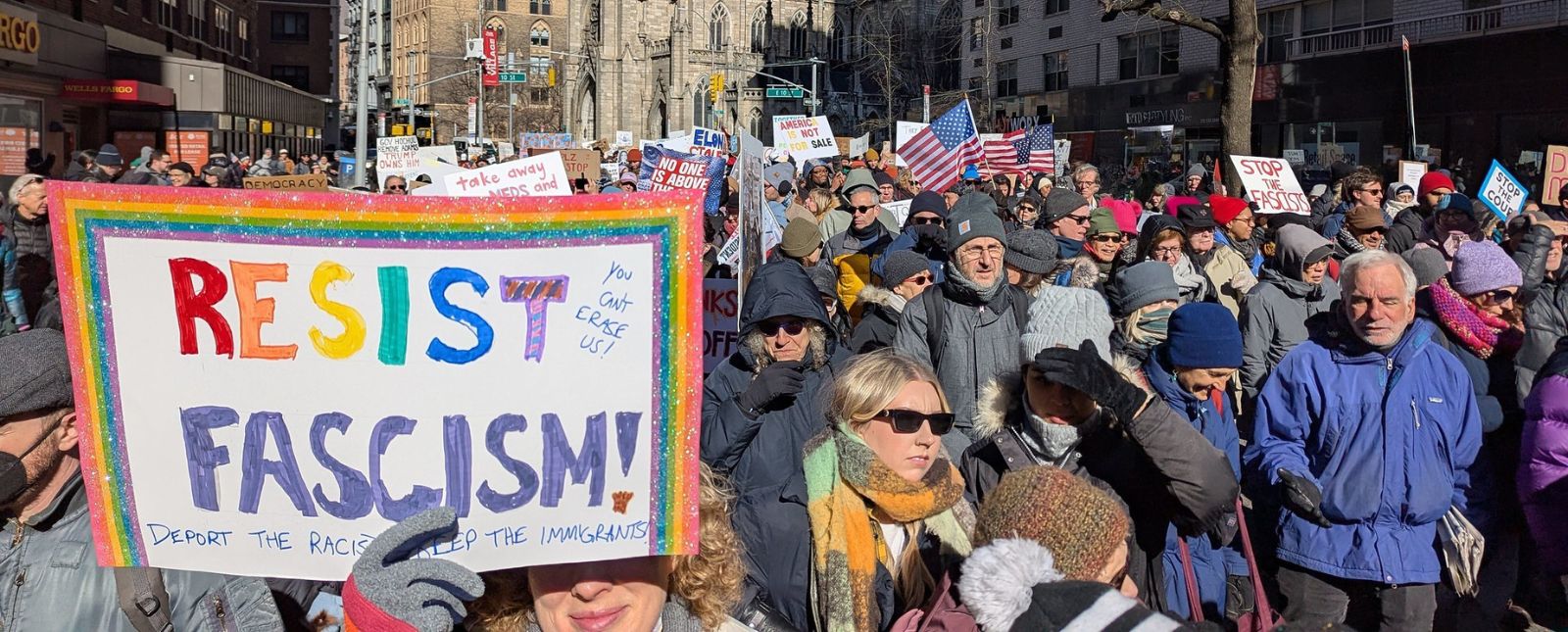
People are talking more and more about fascism, and often confusing it with populism. Paul D. Kenny argues that we need to understand how fascism stands out. It has never been just a matter of words or beliefs. It is a leader-centred cult that uses violence to eliminate opposition Read more
Gabriela-Elena Plăpămaru
Amid rising illiberalism, Romanian democratic institutions face growing pressure. Gabriela Plăpămaru reveals how the traditional right tried to undermine Romania’s education sector — and how progressives responded with institutional resilience Read more
We use necessary cookies to make our site work. We'd also like to set analytics cookies that help us make improvements by measuring how you use the site. These will be set only if you accept.
▼
Strictly Necessary Cookies
Necessary cookies enable core functionality such as security, network management, and accessibility. You may disable these by changing your browser settings, but this may affect how the website functions.
▼
Analytics Cookies
Google Analytics
We'd like to set Google Analytics cookies to help us improve our website by collecting and reporting information on how you use it. The cookies collect information in a way that does not directly identify anyone. For more information on how these cookies work please see our Privacy Notice.