Maike Bernhard-Rump
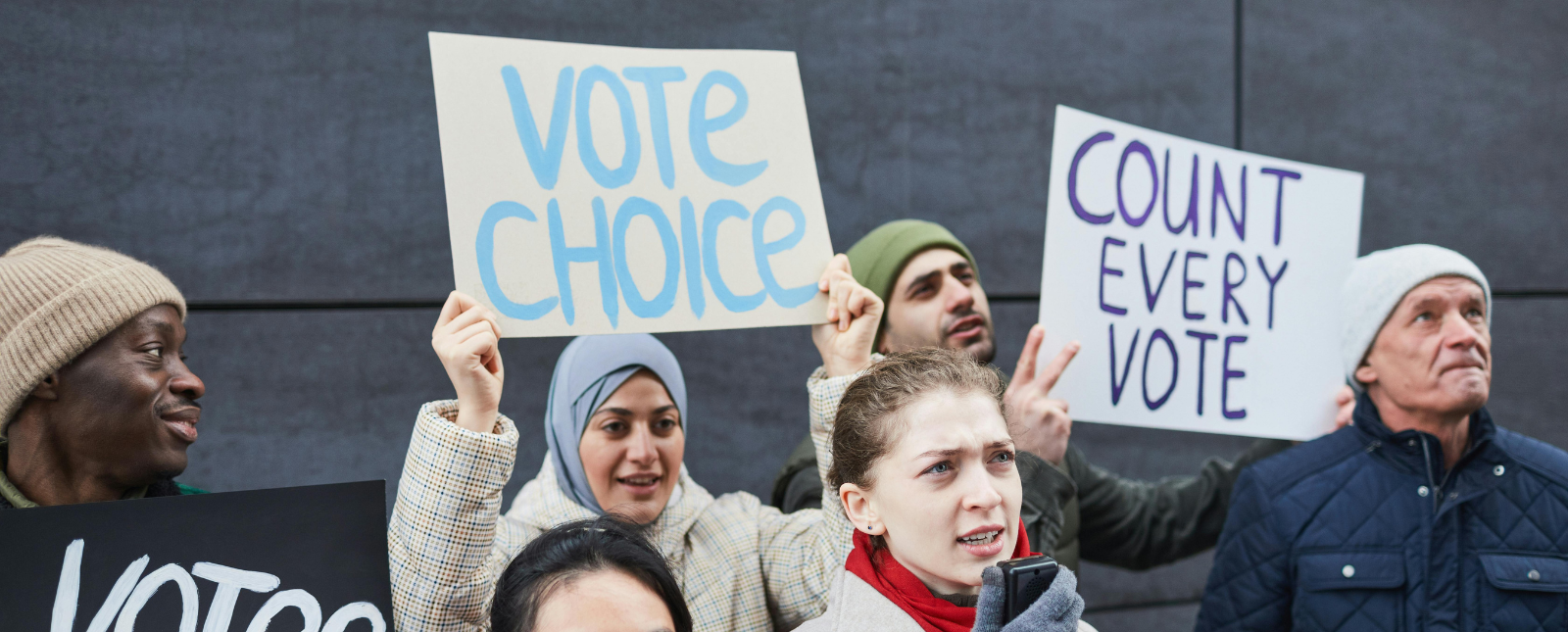
Maike Bernhard-Rump argues that citizens’ trust in elections is shaped less by actual risks than by how they imagine them. Drawing on evidence from Germany and Austria, she shows why perceptions of voting security — not digital threats — play a decisive role in shaping electoral confidence Read more
Dominika Remžová
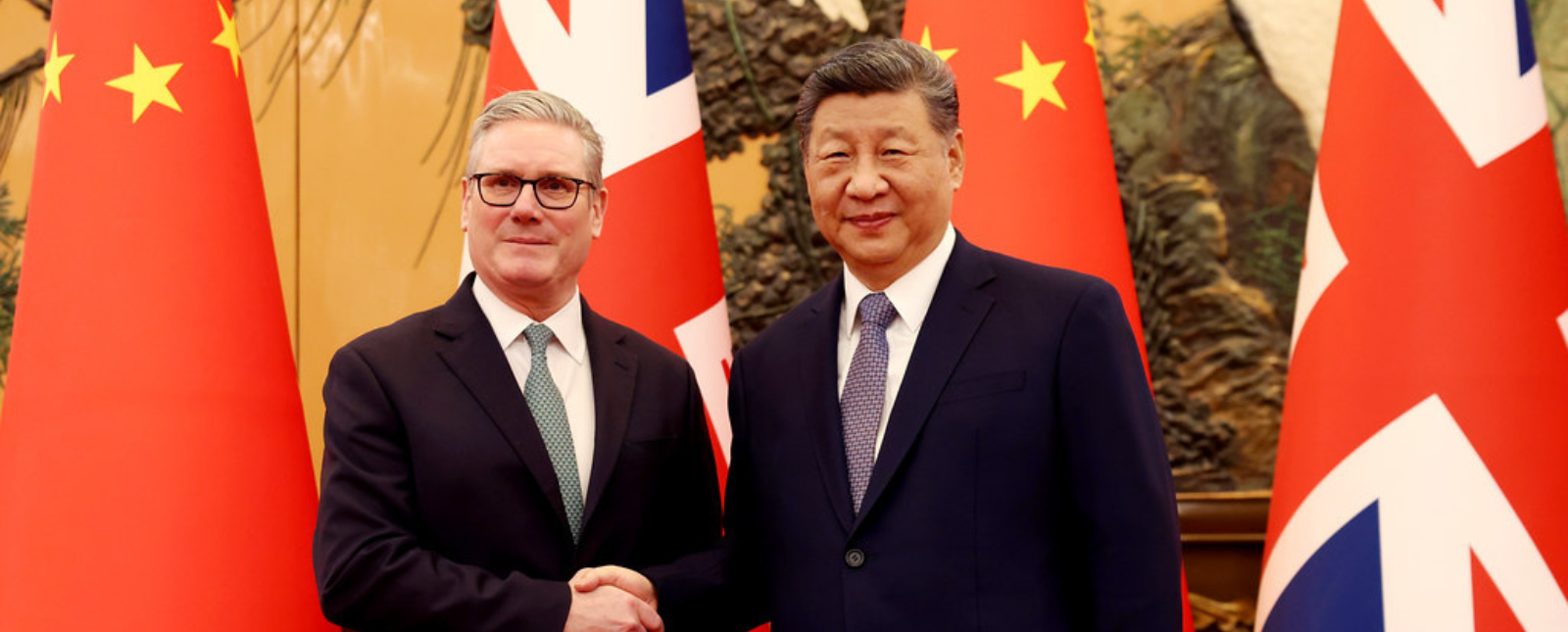
Donald Trump’s forthcoming visit to Beijing in May follows trips by Canada’s Mark Carney, the UK’s Keir Starmer, and Germany’s Friedrich Merz. The agreements reached, says Dominika Remžová, reflect not only the interests of political elites but also how economic structures shape each country’s China policy Read more
Maya Ikene
The EU's ambition to strengthen defence cooperation is exposing new tensions at the heart of EU leadership. Maya Ikene argues that the Future Combat Air System reveals the limits of the Franco-German 'engine' of European integration and why future European defence initiatives may require broader coalitions beyond Paris and Berlin Read more
Shamsoddin Shariati
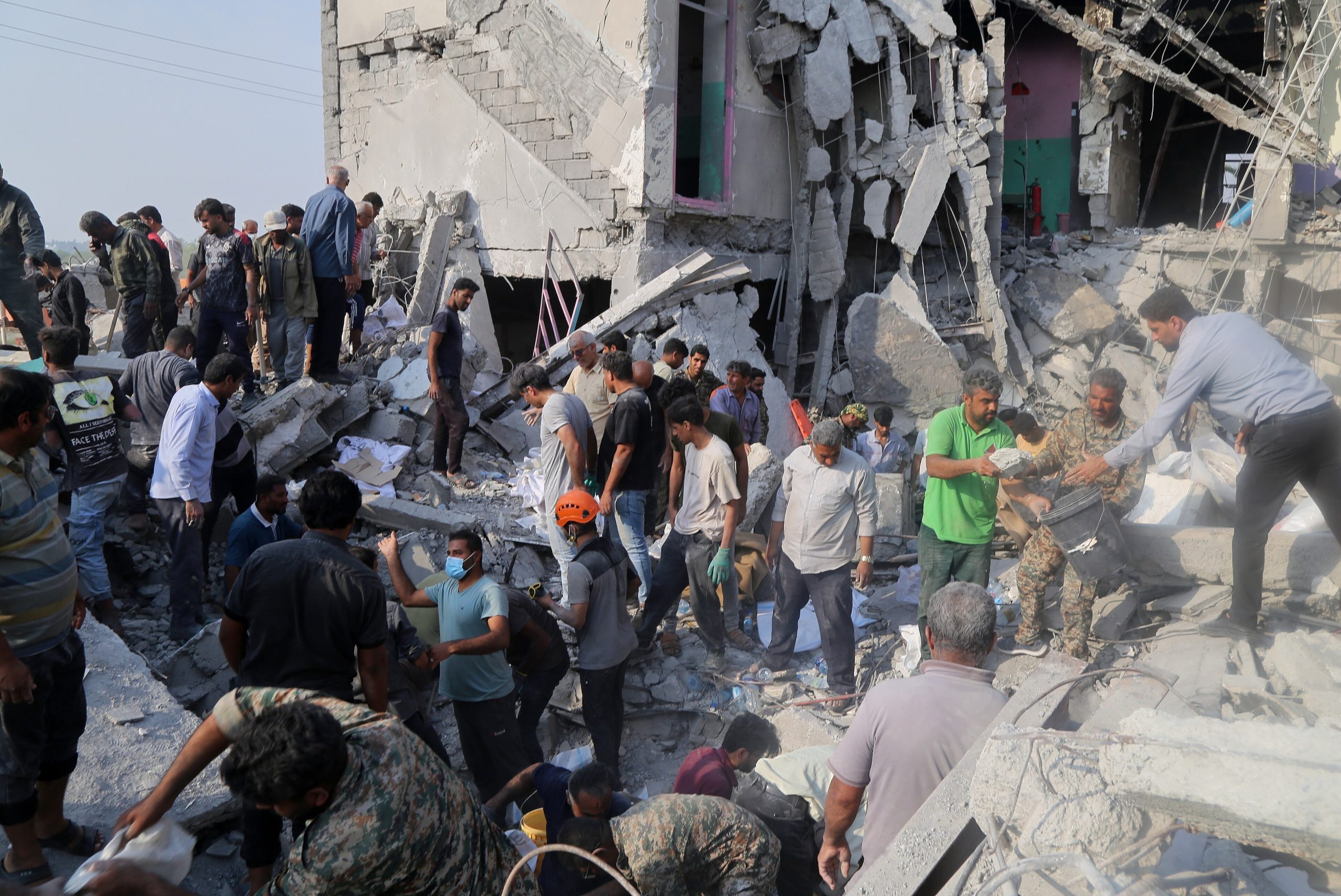
Europe’s support for the US-Israeli war on Iran, in the hope of securing American backing for Ukraine, is a strategic mistake, argues Shamsoddin Shariati. Rather than buying goodwill in Washington, European leaders are undermining their own security, credibility, and strategic autonomy Read more
Henning Schäckelhoff
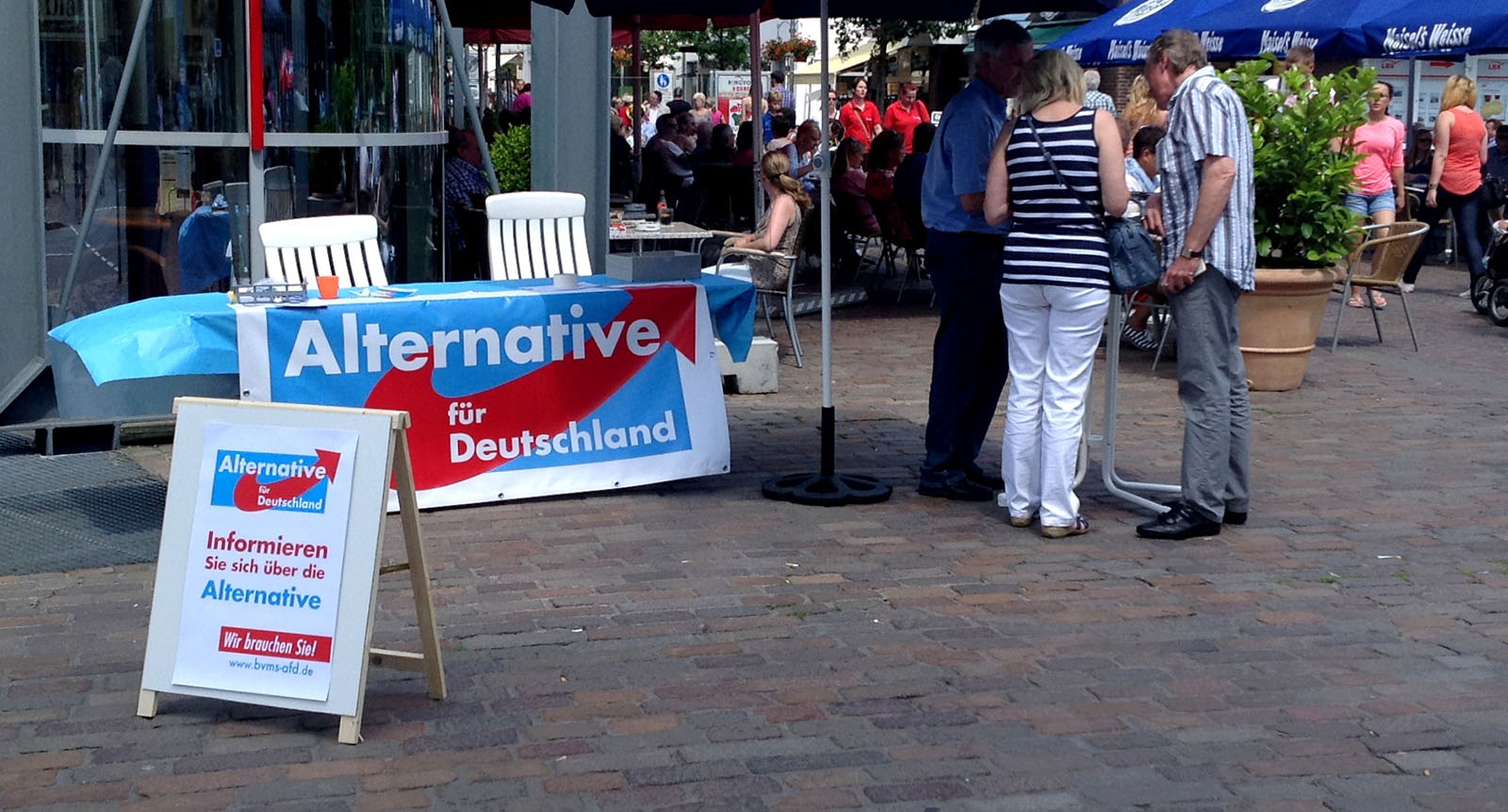
Germany’s domestic intelligence agency is supposed to defend democracy from extremist threats. But new statistical evidence suggests that branches of the far-right party Alternative für Deutschland are most likely to be labelled extremist in regions where the party is electorally strongest. This pattern, says Henning Schäckelhoff, raises a difficult question: is militant democracy protecting the constitution – or shaping political competition? Read more
Lisa Brünig
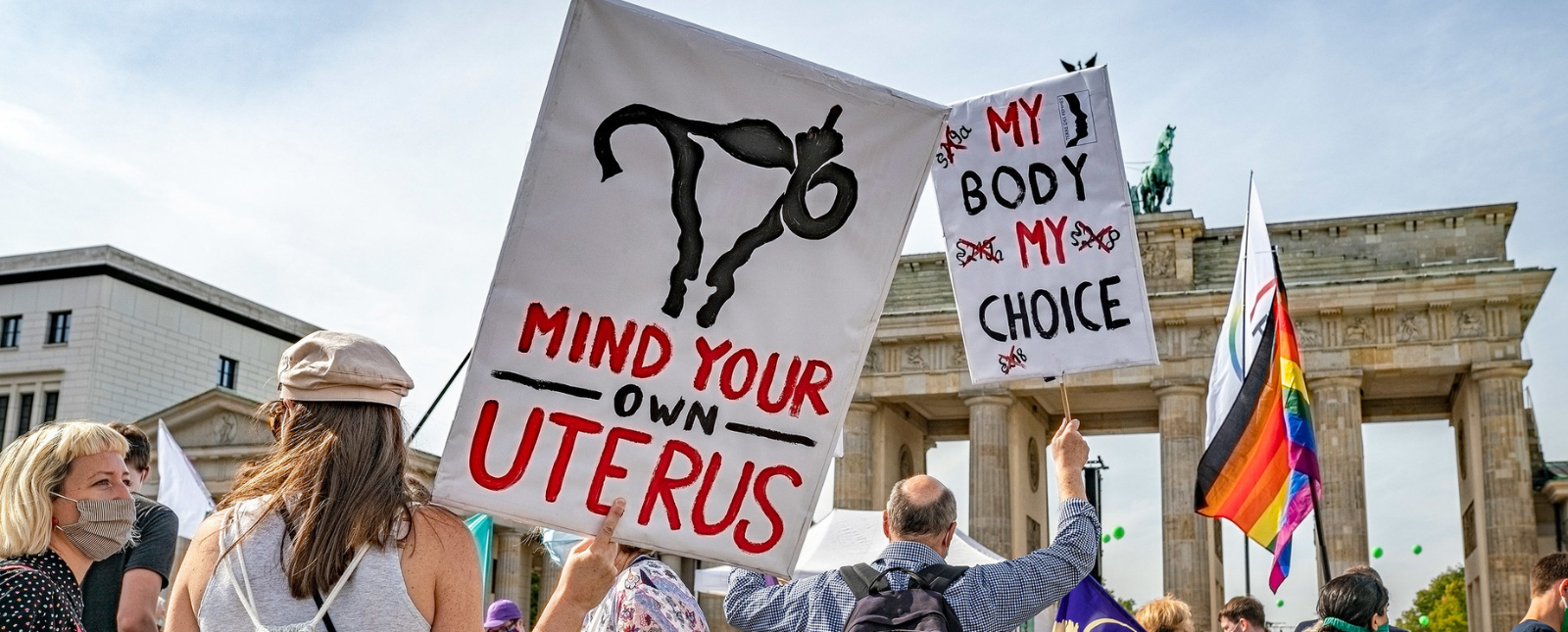
Germany recently passed incremental liberalisations to its abortion law. Yet access to abortion remains under threat, and far-right and conservative forces blocked its partial legalisation. Lisa Brünig explains how the erosion of reproductive rights in Germany is symptomatic of broader democratic backsliding Read more
Jana Belschner
Jana Belschner analysed 875,000 Twitter exchanges during Germany's 2021 election. Here, she reveals complex patterns in online toxicity between citizens and elites. Politicians’ behaviour matters, but identity markers also shape experiences of digital political toxicity Read more
Marco Improta
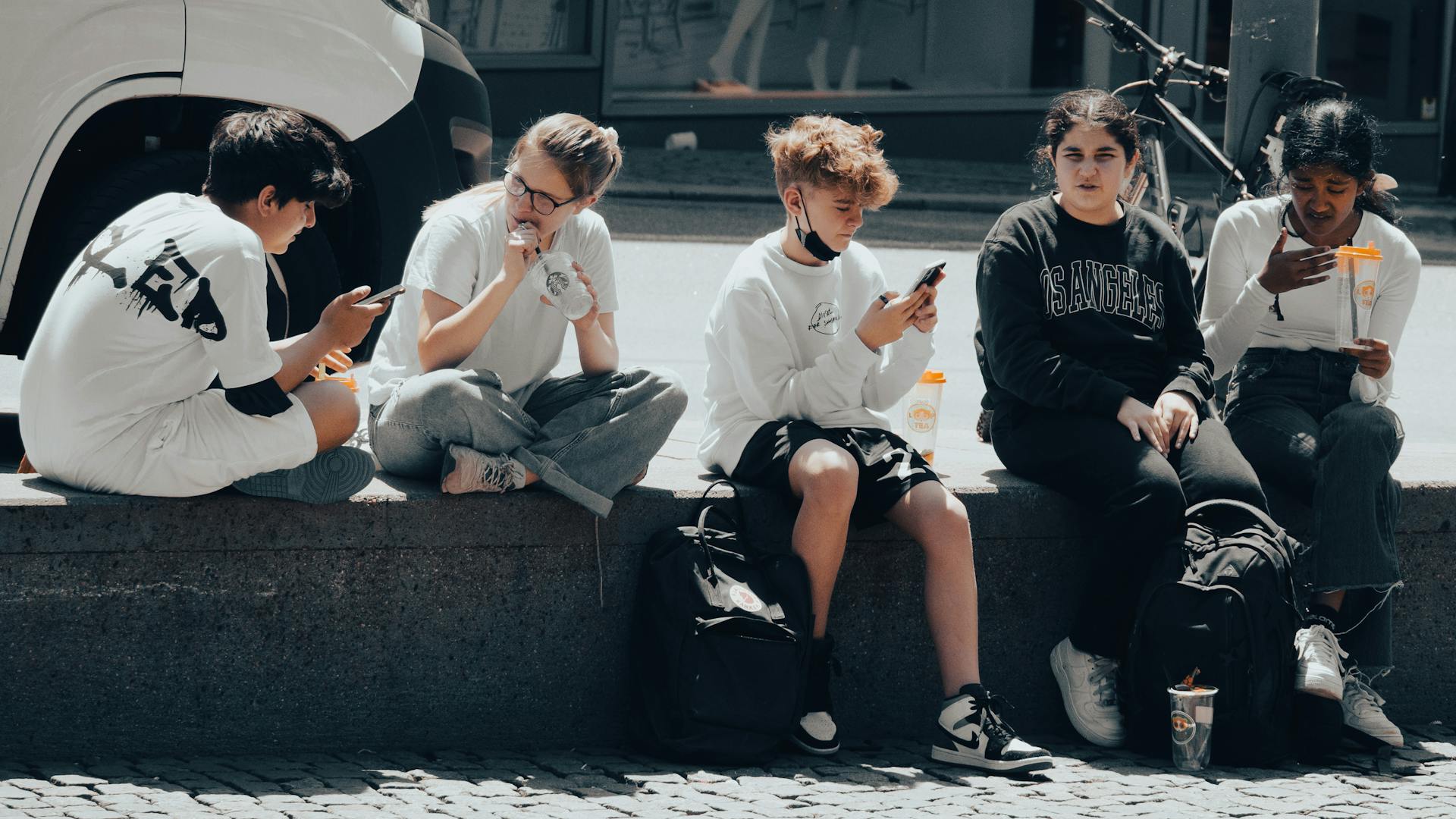
Who benefits from feminism, and who loses from it? Marco Improta and Elisabetta Mannoni reveal an ideological gap between young men and women across Europe. This gap – strong in the UK, but absent in Norway – may relate to perceptions of the 'winners and losers' of feminism Read more
We use necessary cookies to make our site work. We'd also like to set analytics cookies that help us make improvements by measuring how you use the site. These will be set only if you accept.
▼
Strictly Necessary Cookies
Necessary cookies enable core functionality such as security, network management, and accessibility. You may disable these by changing your browser settings, but this may affect how the website functions.
▼
Analytics Cookies
Google Analytics
We'd like to set Google Analytics cookies to help us improve our website by collecting and reporting information on how you use it. The cookies collect information in a way that does not directly identify anyone. For more information on how these cookies work please see our Privacy Notice.