Meray Maddah
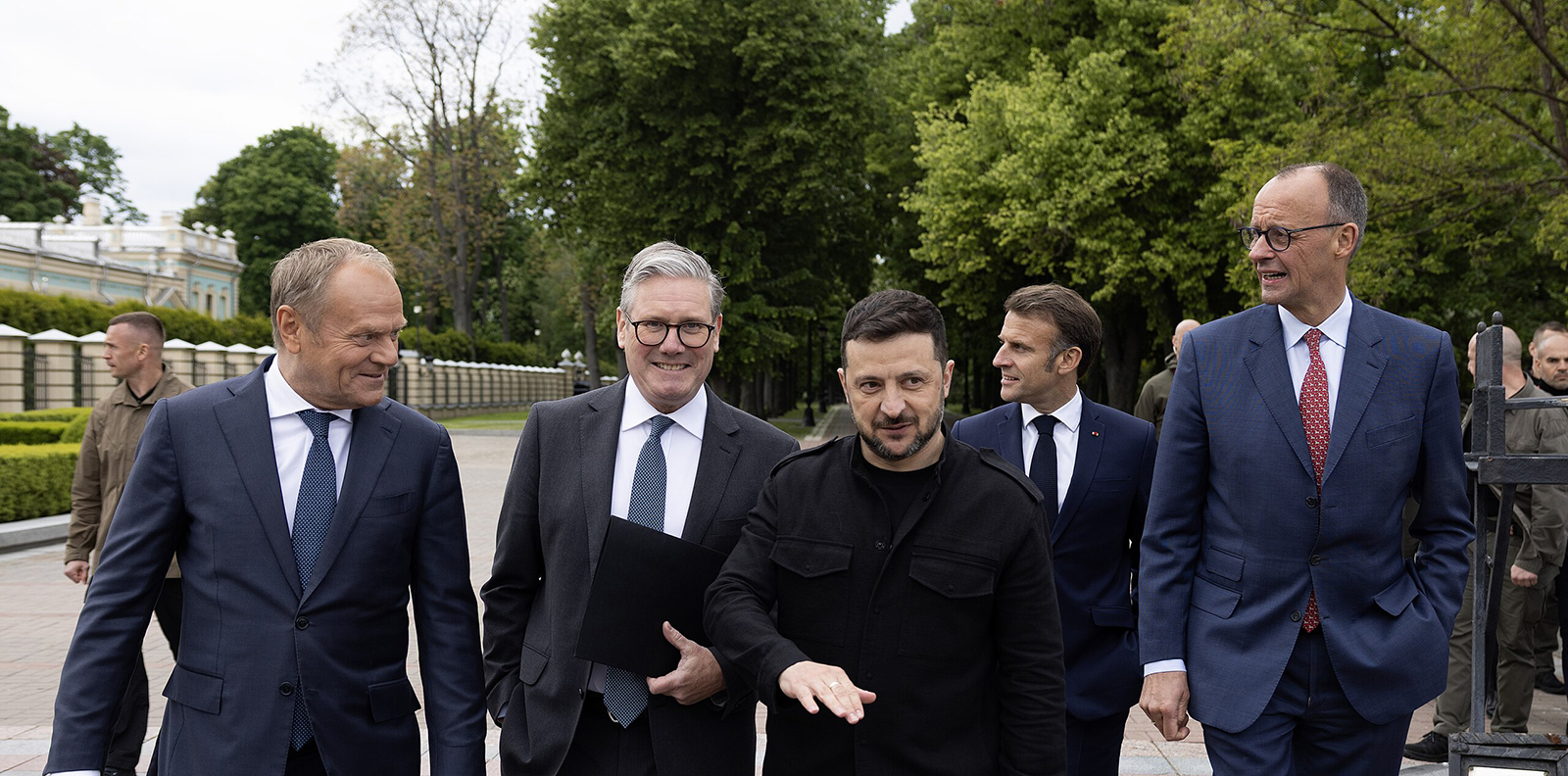
World leaders' first foreign trips reveal more than diplomatic protocol. They are carefully crafted political stories. Meray Maddah and Max Heermann analyse inaugural diplomatic journeys to uncover stability and change in global networks from Europe’s deep political integration to Trump’s break from traditional allies and Netanyahu’s pivot to Jordan Read more
Marius Ghincea
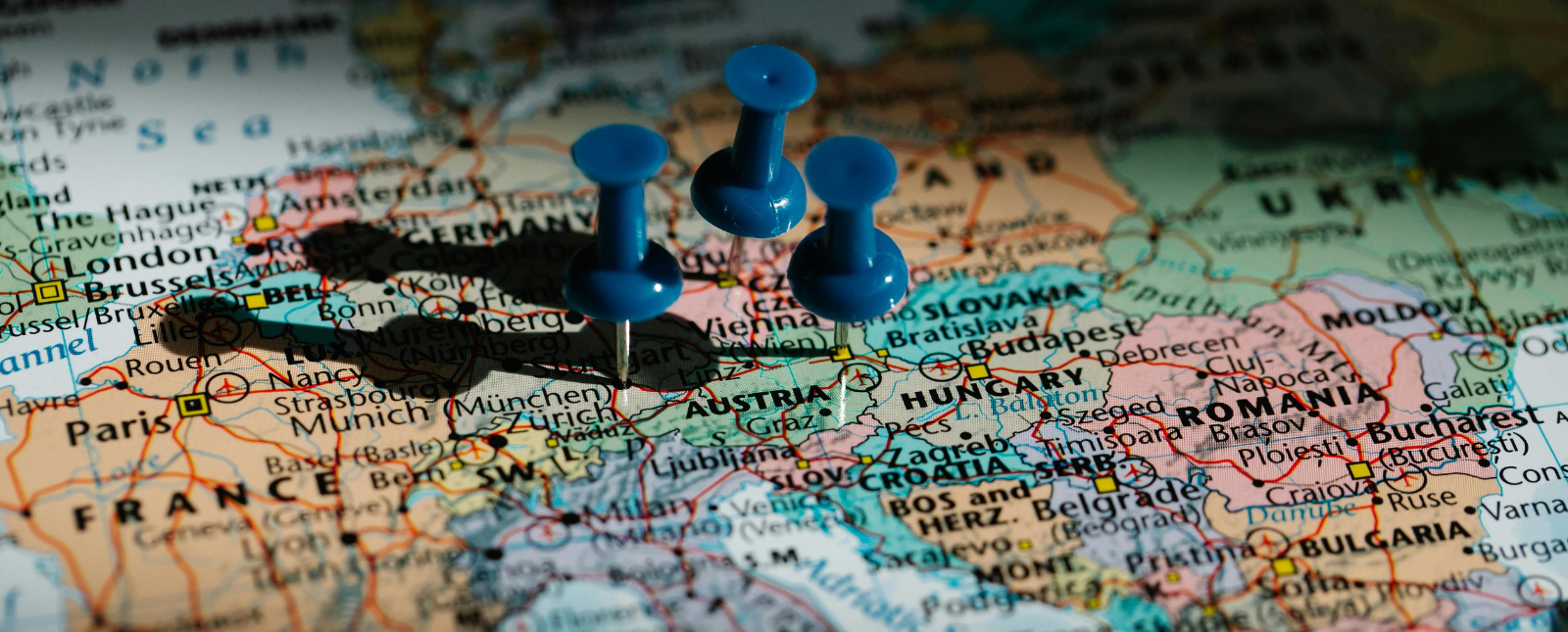
What motivates EU enlargement? Marius Ghincea and Laurențiu Pleșca argue that the Union’s approach has evolved through three overlapping logics — transformation, stabilisation, and demarcation. By unpacking how these priorities have shifted over time, they offer a more nuanced understanding of enlargement in a changing geopolitical context Read more
James F. Downes
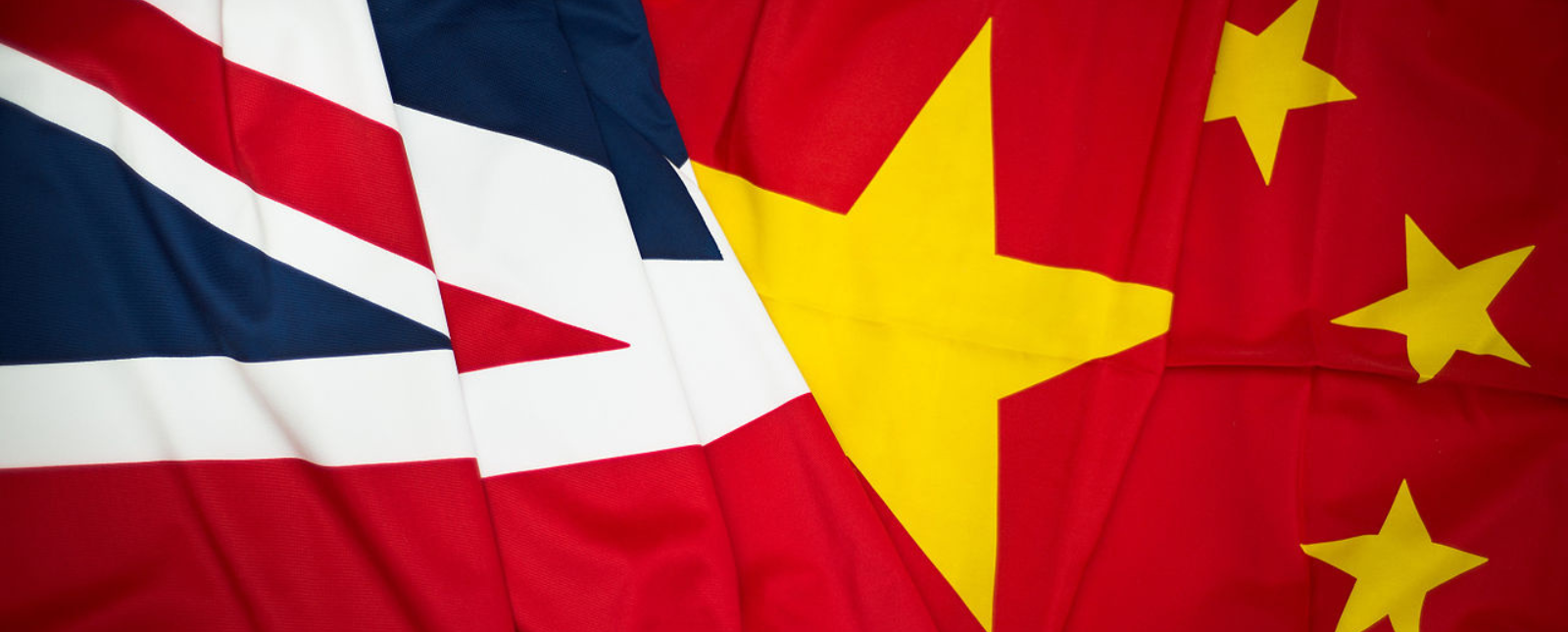
Political parties frame the UK’s British National (Overseas) visa scheme as historical humanitarian responsibility towards Hong Kong in the context of UK-China relations. But is that really the case? James F. Downes and Kenneth Lai analysed parliamentary speeches from 2019 to 2023. Their findings suggest the UK government uses BNO visas as a geopolitical tool Read more
Dmytro Panchuk
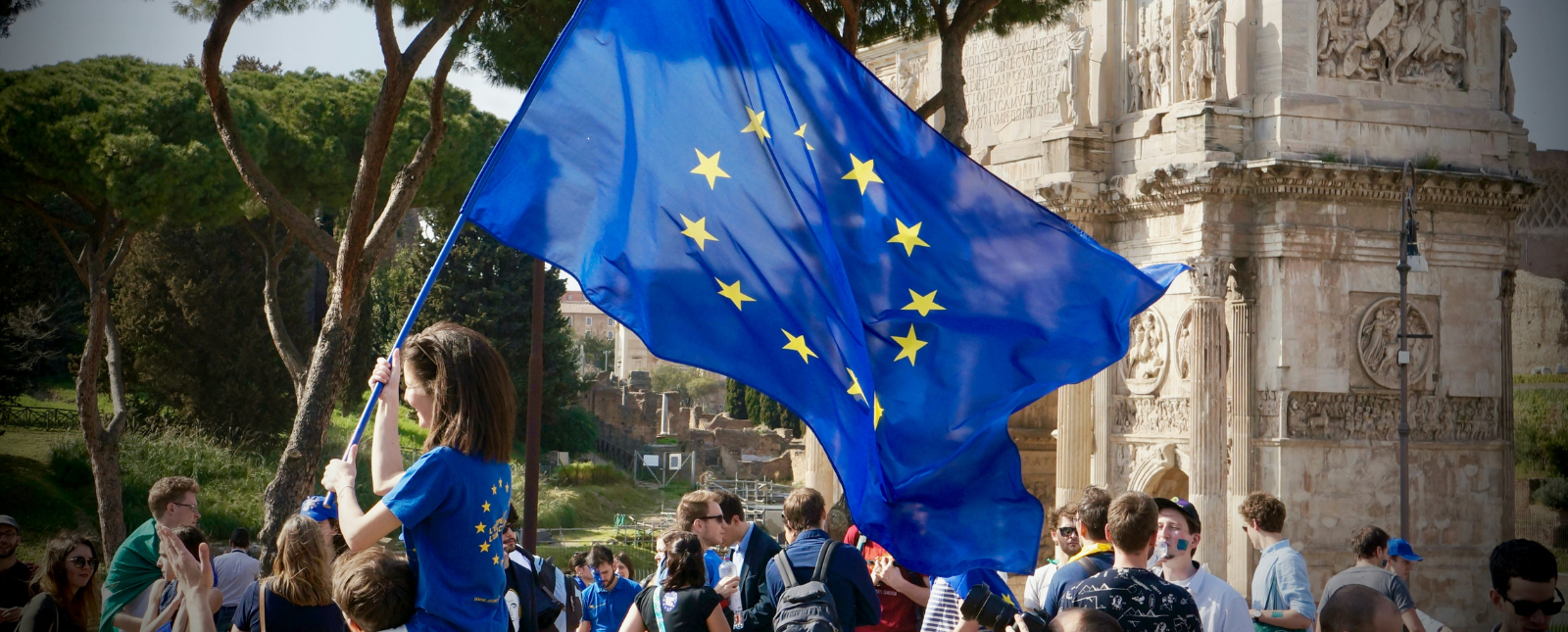
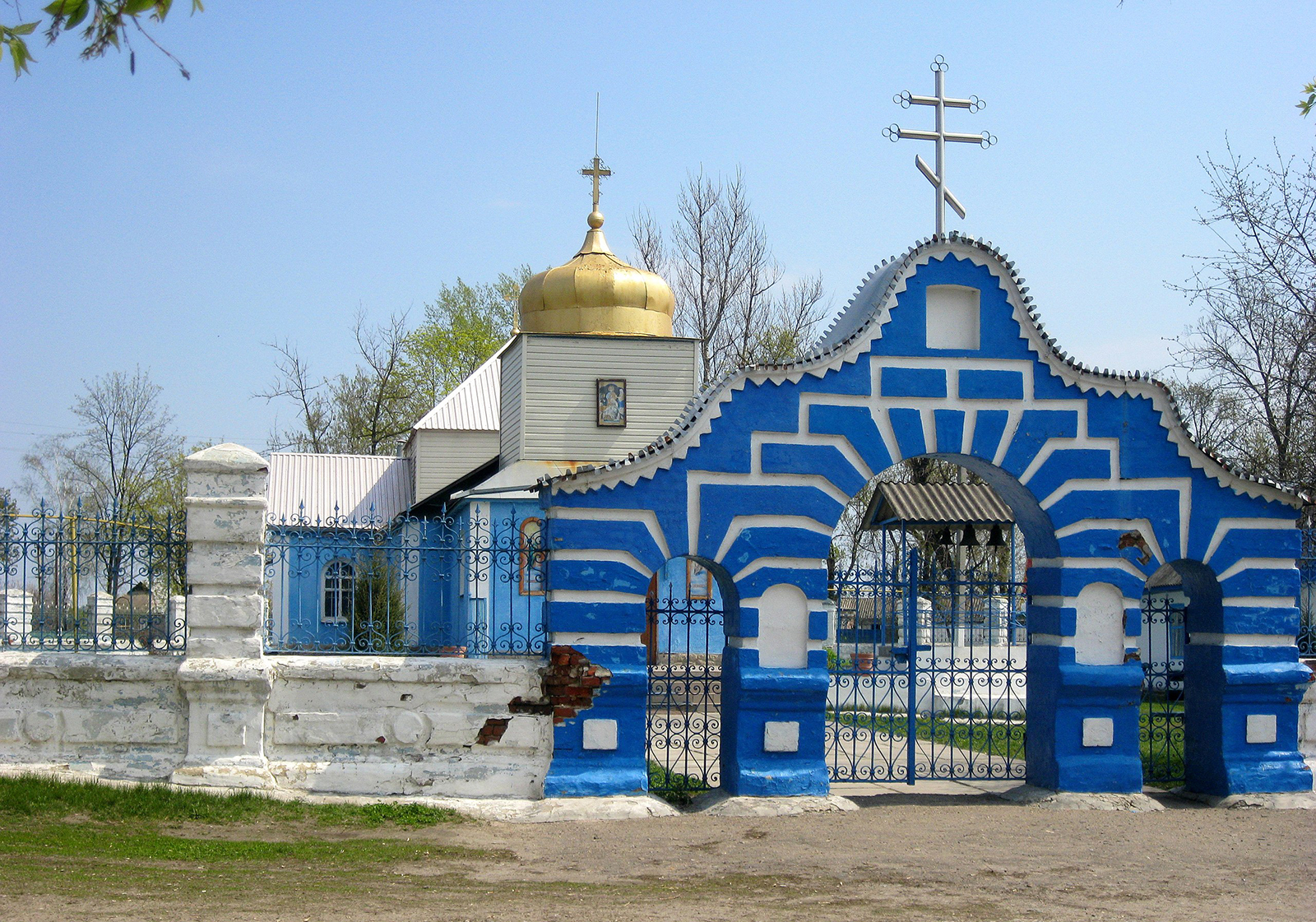
Russian aggression in Ukraine triggered a surge in support for EU enlargement — but public goodwill is beginning to fade. Dmytro Panchuk argues that this moment of elite-public alignment is rare and fragile. To seize it, EU leaders must act decisively before war fatigue and populist rhetoric erode the case for widening Read more
Süleyman Güngör
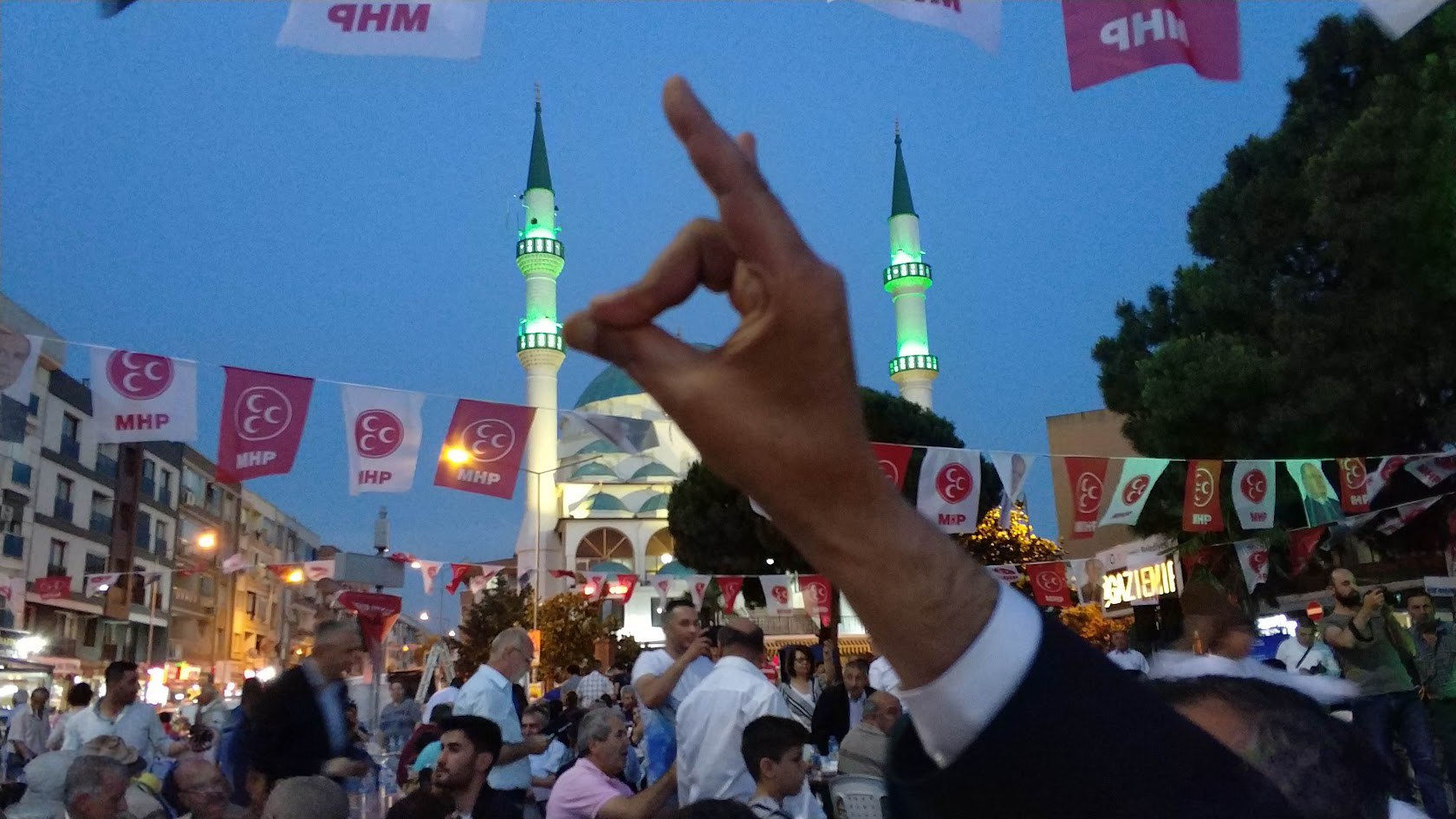
What is seen as a symbol of pride in one country may be viewed as a provocation in another. Reflecting on the recent controversy over a footballer’s hand gesture linked to Turkish nationalism, Süleyman Güngör explores how physical expressions of cultural identity triggered international tensions Read more
Valentina Cassar
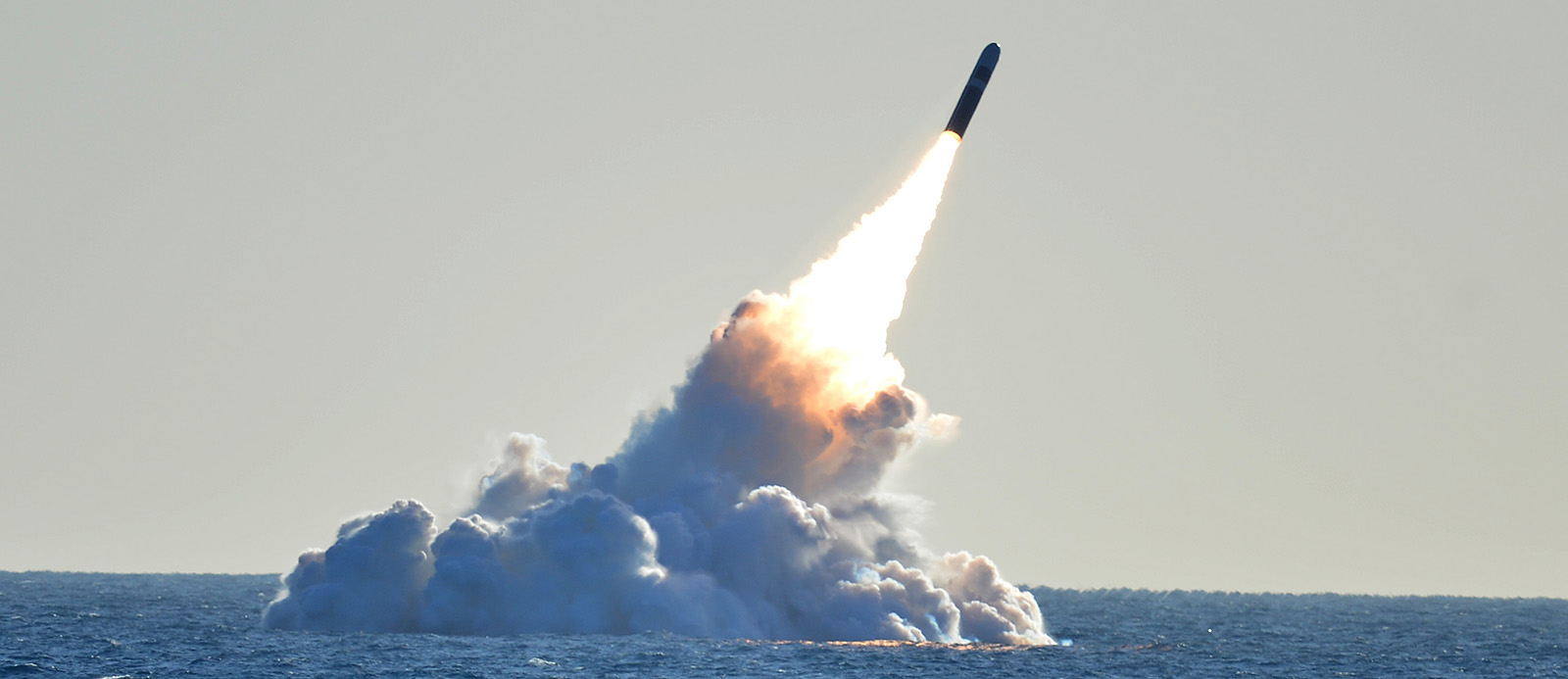
Valentina Cassar examines the motivations for US-Russian diplomacy and arms control in a rapidly evolving geopolitical landscape. What role do these countries' nuclear postures play in sustaining their international primacy? China, certainly, will play a key part, while the outcomes will influence all states in the broader nuclear order Read more
Antoaneta L. Dimitrova
EU enlargement to Ukraine is a strategic necessity, but cannot rest on geopolitics alone. To avoid backlash, the EU must confront policy dilemmas openly, from rule of law to agriculture, and offer realistic compromises. Antoaneta Dimitrova argues that public support depends on political leaders’ ability to offer a credible narrative to counter negative publicity Read more
Mahmoud Javadi
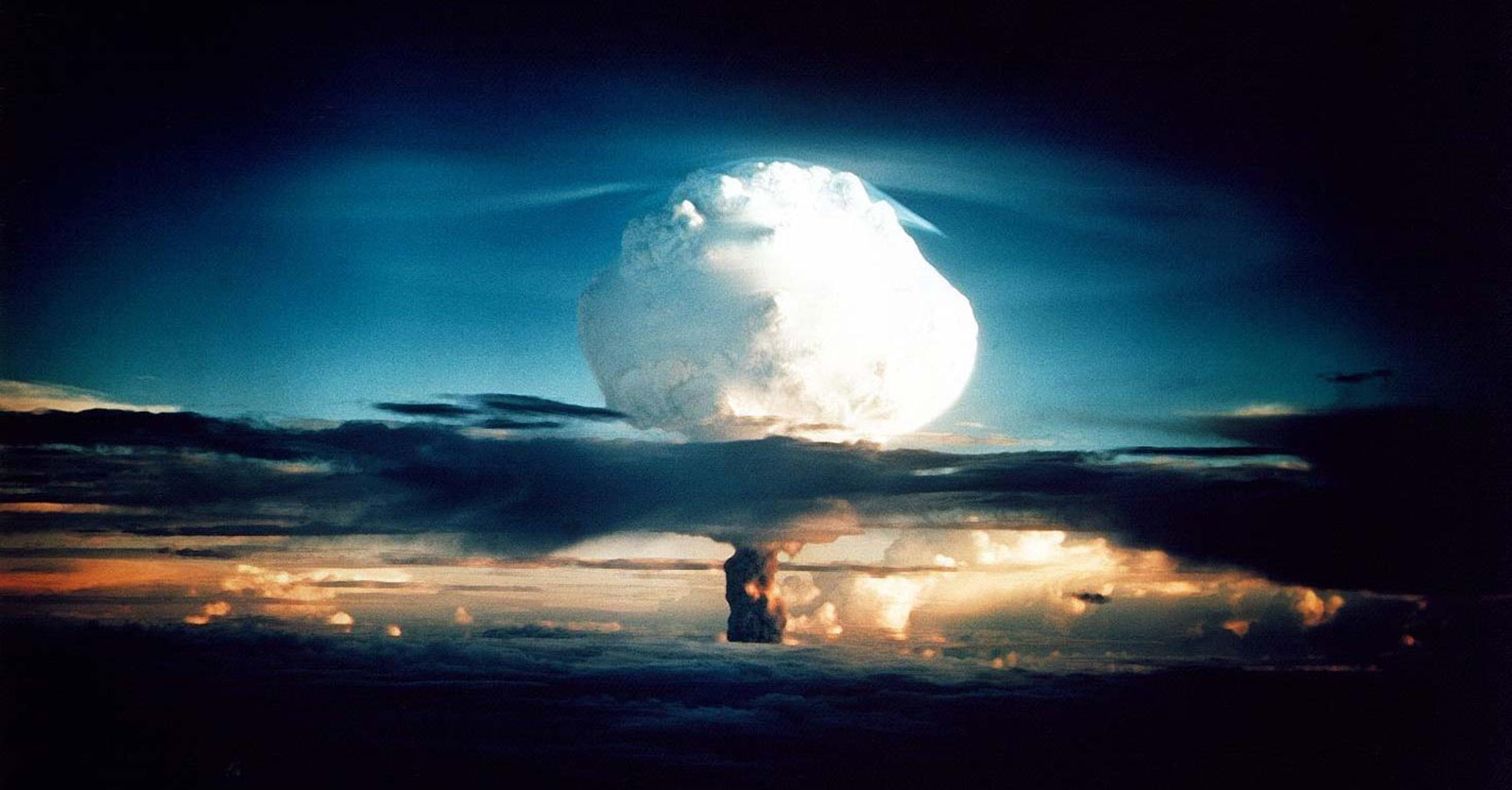
Mahmoud Javadi examines the paradox of nuclear politics as peacekeepers and existential threats. Exploring disarmament efforts, technological disruptions and global rivalries, he reimagines pathways beyond this precarious balance, towards lasting stability Read more
We use necessary cookies to make our site work. We'd also like to set analytics cookies that help us make improvements by measuring how you use the site. These will be set only if you accept.
▼
Strictly Necessary Cookies
Necessary cookies enable core functionality such as security, network management, and accessibility. You may disable these by changing your browser settings, but this may affect how the website functions.
▼
Analytics Cookies
Google Analytics
We'd like to set Google Analytics cookies to help us improve our website by collecting and reporting information on how you use it. The cookies collect information in a way that does not directly identify anyone. For more information on how these cookies work please see our Privacy Notice.