Ilker Kalin
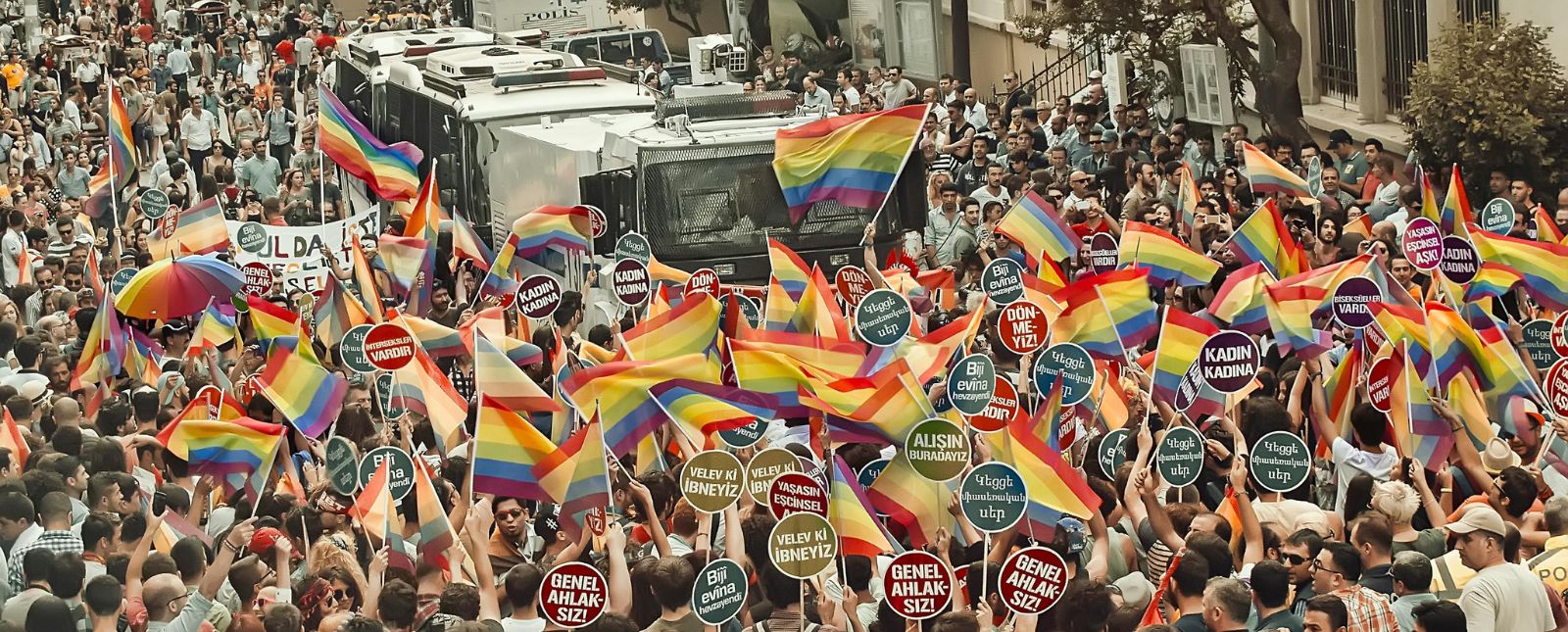
Gender and sexual minorities are not just increasingly targeted by the state in Turkey – they are isolated by opposition groups that purport to champion democratic values. Ilker Kalin argues that the isolation of LGBTQ+ activists weakens democracy, and plays into the hands of repression Read more
Tomasz Gola
In the EU's most homophobic country, Poznań stands out as a beacon of queer acceptance and activism. Polish native Tomasz Gola explores the ways this city has become queer-friendly, highlighting the role of local NGOs, cultural receptivity, and proactive governance in its transformation Read more
Michal Grahn
Far-right parties are growing increasingly hostile towards LGBTQ rights. In the forthcoming European Parliament elections, such parties are expected to gain significant ground. Michal Grahn shows that non-straight voters might, through mobilisation, help keep far-right forces at bay Read more
Susanne Reinhardt
Despite their shared antigenderism, populist radical-right parties’ contestation of gender and sexual equality forms a continuum rather than being homogenous across countries. Susanne Reinhardt, Annett Heft, and Elena Pavan argue that varieties of antigenderism are best understood through a party’s societal context, ideology, and voter expectations Read more
Anukriti Dixit
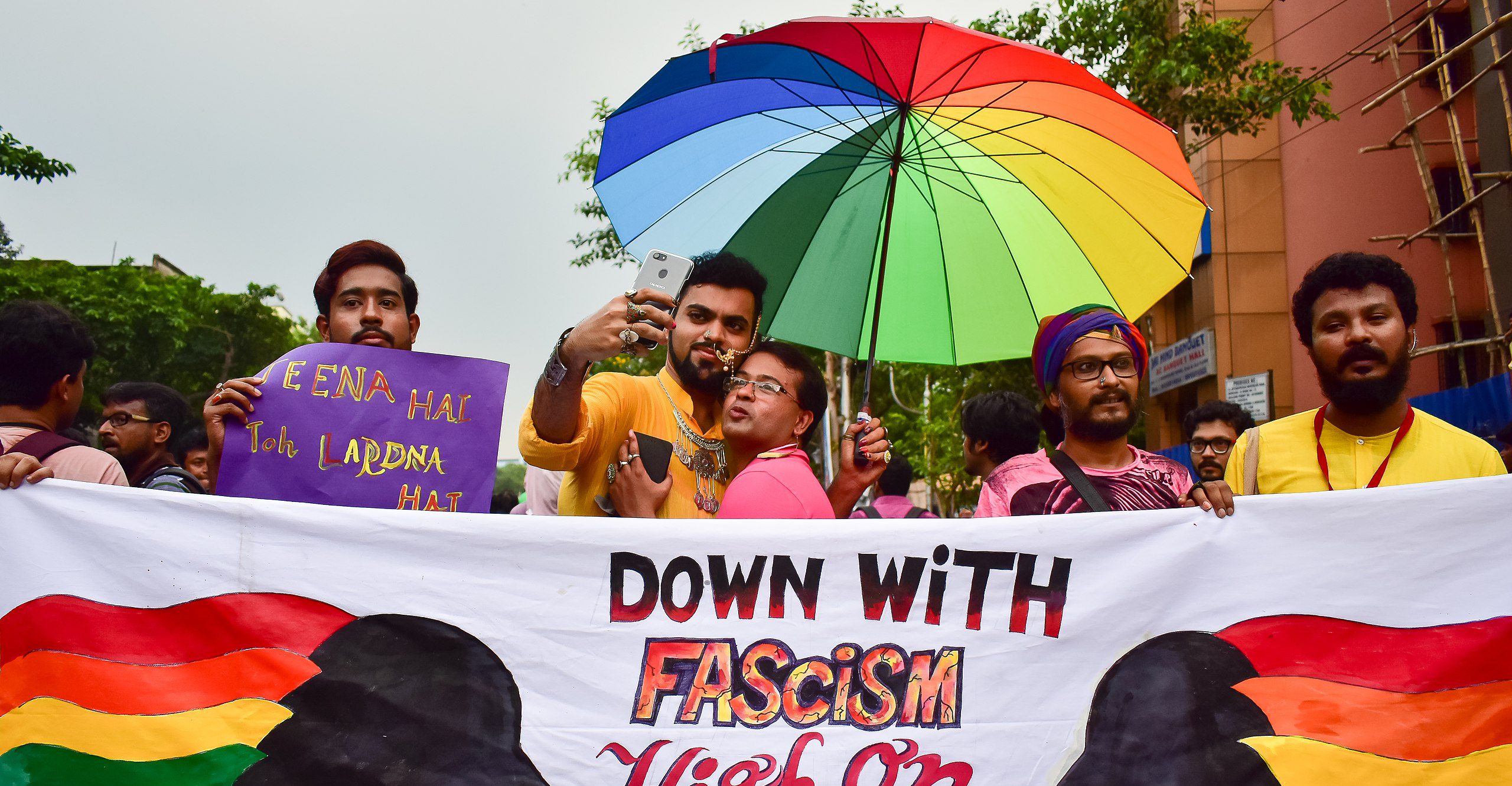
The family is the first gatekeeper of conservative regimes. Now, more than ever, such regimes are gaining political mileage in the global North and global South. Anukriti Dixit explores the violence of heteronormativity and its related fundamentalist ideals through two social phenomena: the recent rise of ‘honour killing’ of queer persons in India and the rise of violence against queer and trans people in Switzerland Read more
Maja Gergorić
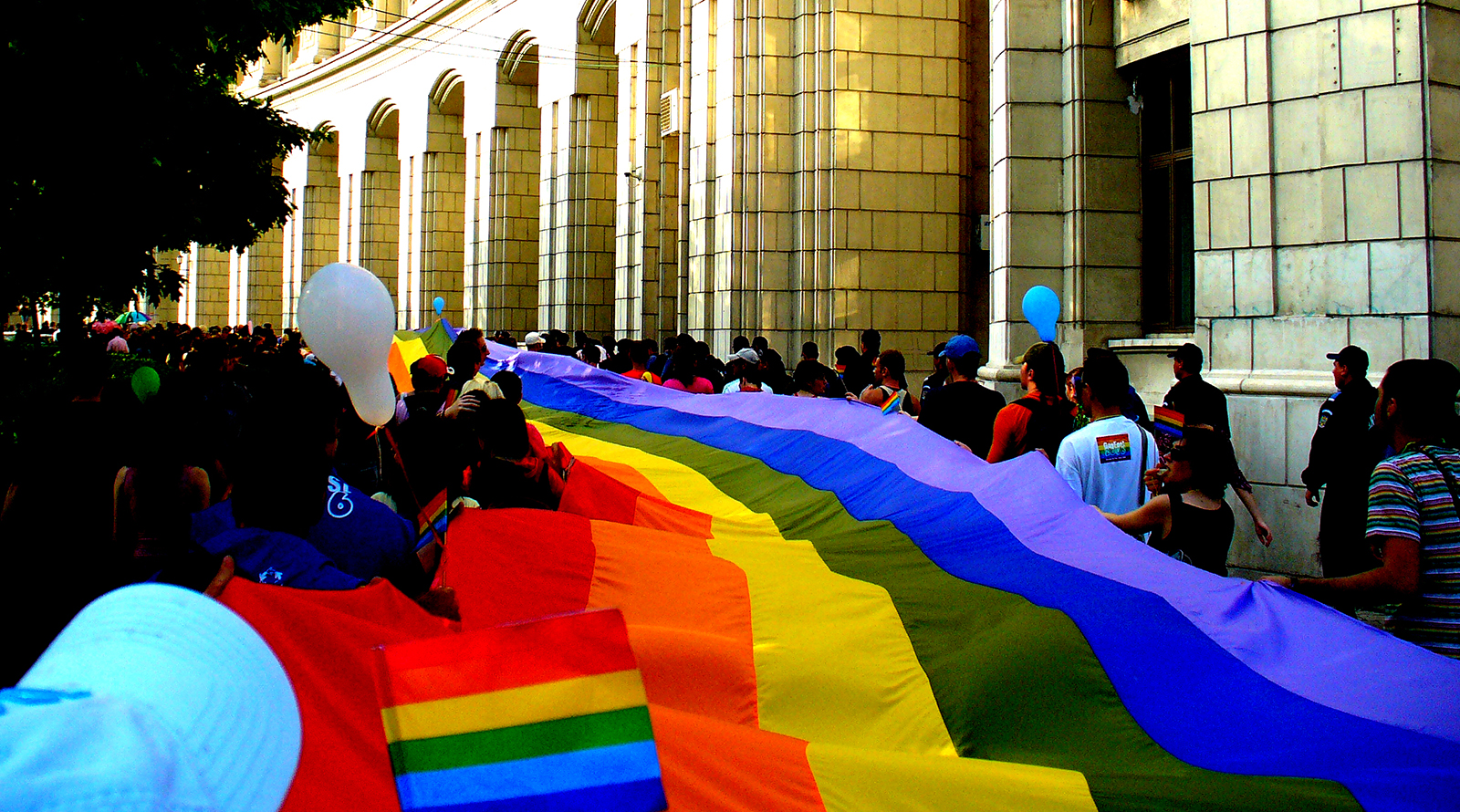
Planning for forthcoming Pride months, LGBTI activists are aware of growing opposition to their cause. Yet, writes Maja Gergorić, anti-LGBTI rhetoric and policy meet with a strong and united LGBTI movement in Eastern European countries Read more
The Loop
Cutting-edge analysis showcasing the work of the political science discipline at its best.
We use necessary cookies to make our site work. We'd also like to set analytics cookies that help us make improvements by measuring how you use the site. These will be set only if you accept.
▼
Strictly Necessary Cookies
Necessary cookies enable core functionality such as security, network management, and accessibility. You may disable these by changing your browser settings, but this may affect how the website functions.
▼
Analytics Cookies
Google Analytics
We'd like to set Google Analytics cookies to help us improve our website by collecting and reporting information on how you use it. The cookies collect information in a way that does not directly identify anyone. For more information on how these cookies work please see our Privacy Notice.