Kirk Hawkins
Populism is a chronic condition rather than a recent phenomenon writes Kirk Hawkins. When we recognise the historical roots of populism, we can manage this challenge to liberal democracy Read more
Maurits Meijers
Maurits Meijers and Andrej Zaslove address the ‘myth’ that populist beliefs among citizens are harmful for liberal democracy. Using insights from recent research, they argue that highly populist citizens are not more likely than other citizens to reject the principles of liberal democracy Read more
Eliška Drápalová
The study of populism has typically focused on national-level politics, leaving subnational politics lost in the shuffle. Eliška Drápalová argues that underestimating the importance of the sub-national level limits our understanding of the impact that populist movements have – and misses the fascinating developments happening below the national surface Read more
Gijs Lambrechts
As the intersection between the crisis of representative democracy and the climate crisis grows bigger, Gijs Lambrechts argues that climate action will soon take centre stage in the discourse of the populist radical right Read more
Leonardo Puleo
Labelling populist far right parties as fascist is misleading, write Leonardo Puleo and Gianluca Piccolino. Vague accusations of fascism gloss over the genuine threats the radical right poses to democracy Read more
Robert A. Huber
Populism is often considered to be high among parties with strong anti-immigration positions or Euroscepticism. Robert A. Huber, Michael Jankowski and Christina-Marie Juen argue that not the general left-right position of parties affects their level of populism but that collectivist positions on the parties’ salient issue dimension are crucial Read more
Marcel Lewandowsky
Marcel Lewandowsky argues that much research on populism suffers from that a contextual blind spot: it overlooks the broad variety of illiberal attitudes of which populism is only one variant. Here, he calls for more research on this ‘invisible coalition’ of illiberal attitudes Read more
Proma Raychaudhury
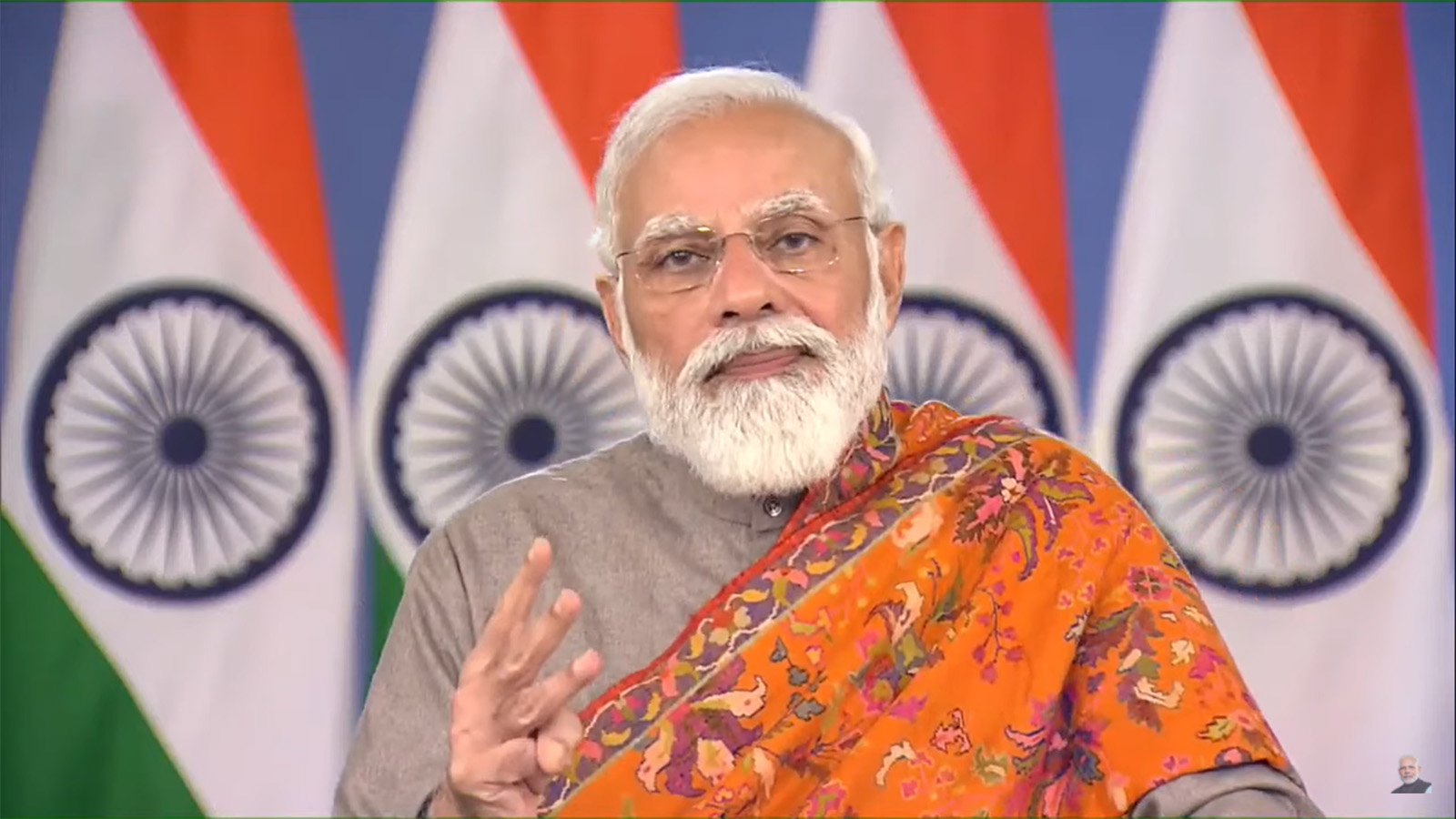
Focusing on Narendra Modi’s populist leadership in India, Proma Ray Chaudhury argues that displays of vulnerability by strongman populist leaders can offer insights into the resilience of populist regimes Read more
We use necessary cookies to make our site work. We'd also like to set analytics cookies that help us make improvements by measuring how you use the site. These will be set only if you accept.
▼
Strictly Necessary Cookies
Necessary cookies enable core functionality such as security, network management, and accessibility. You may disable these by changing your browser settings, but this may affect how the website functions.
▼
Analytics Cookies
Google Analytics
We'd like to set Google Analytics cookies to help us improve our website by collecting and reporting information on how you use it. The cookies collect information in a way that does not directly identify anyone. For more information on how these cookies work please see our Privacy Notice.