Murat Aktaş
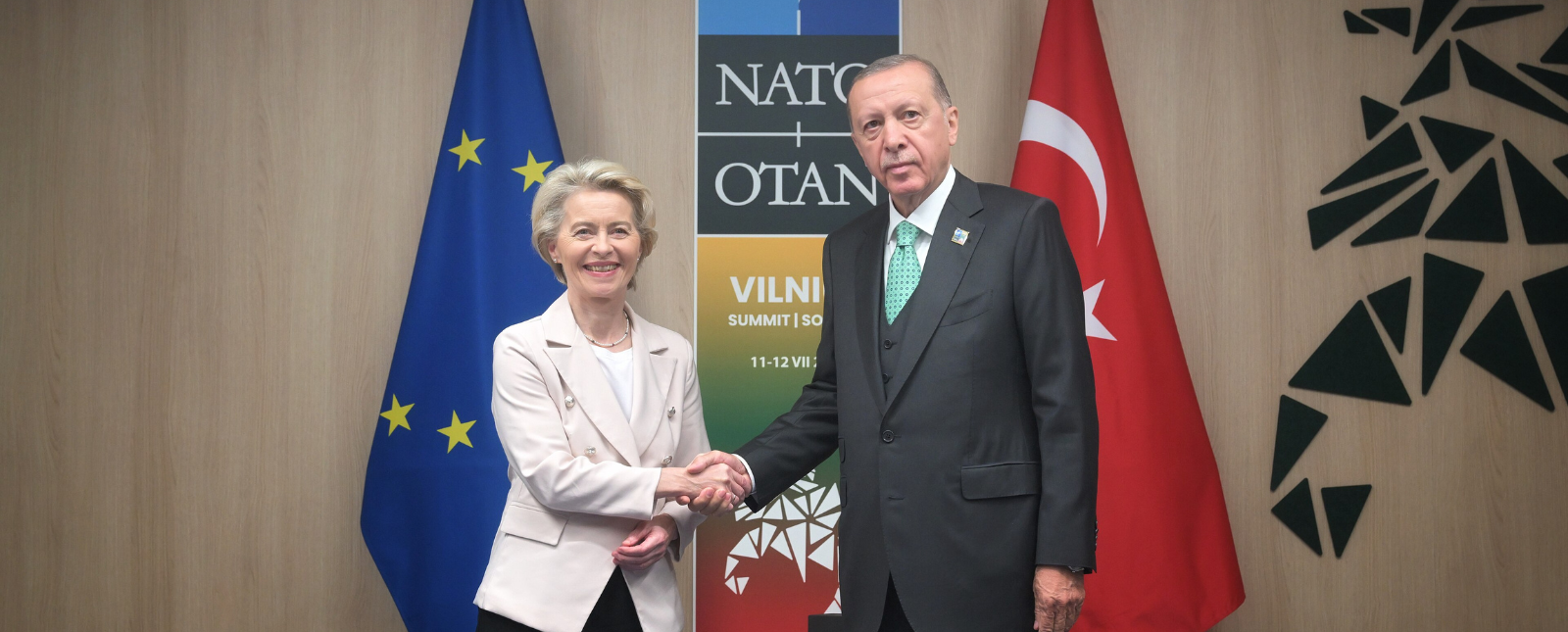
Ursula von der Leyen’s move to group Türkiye with Russia and China jeopardises the EU’s new security architecture. Murat Aktaş warns that treating an official EU candidate and ally as an 'excluded partner' is a strategic miscalculation. This deepening crack between rhetoric and reality creates an ontological crisis, threatening the credibility of the enlargement policy Read more
Ann-Kathrin Reinl
Ann-Kathrin Reinl argues that welfare security is the quiet hinge of public support for EU enlargement. Credible guarantees on national benefits blunt fears about costs and migration. If we reassure citizens on welfare, support for a larger EU holds Read more
Ivan Nagornyak
Staged integration is gaining traction to revitalise EU enlargement without lowering standards. Drawing on Ukraine’s experience, Ivan Nagornyak and Mariia Shalamberidze examine expert models and propose a structured, fair, and security-conscious approach Read more
Victoria Portnaya
In Ukraine, politics is deeply polarised, and elections have long reflected regional divides. Around the world, the internet has transformed political engagement, and digital access may be playing an increasingly important role in Ukrainian politics. Victoria Portnaya speculates on the effects of internet speed on voters’ electoral preferences Read more
Maria Giulia Amadio Viceré
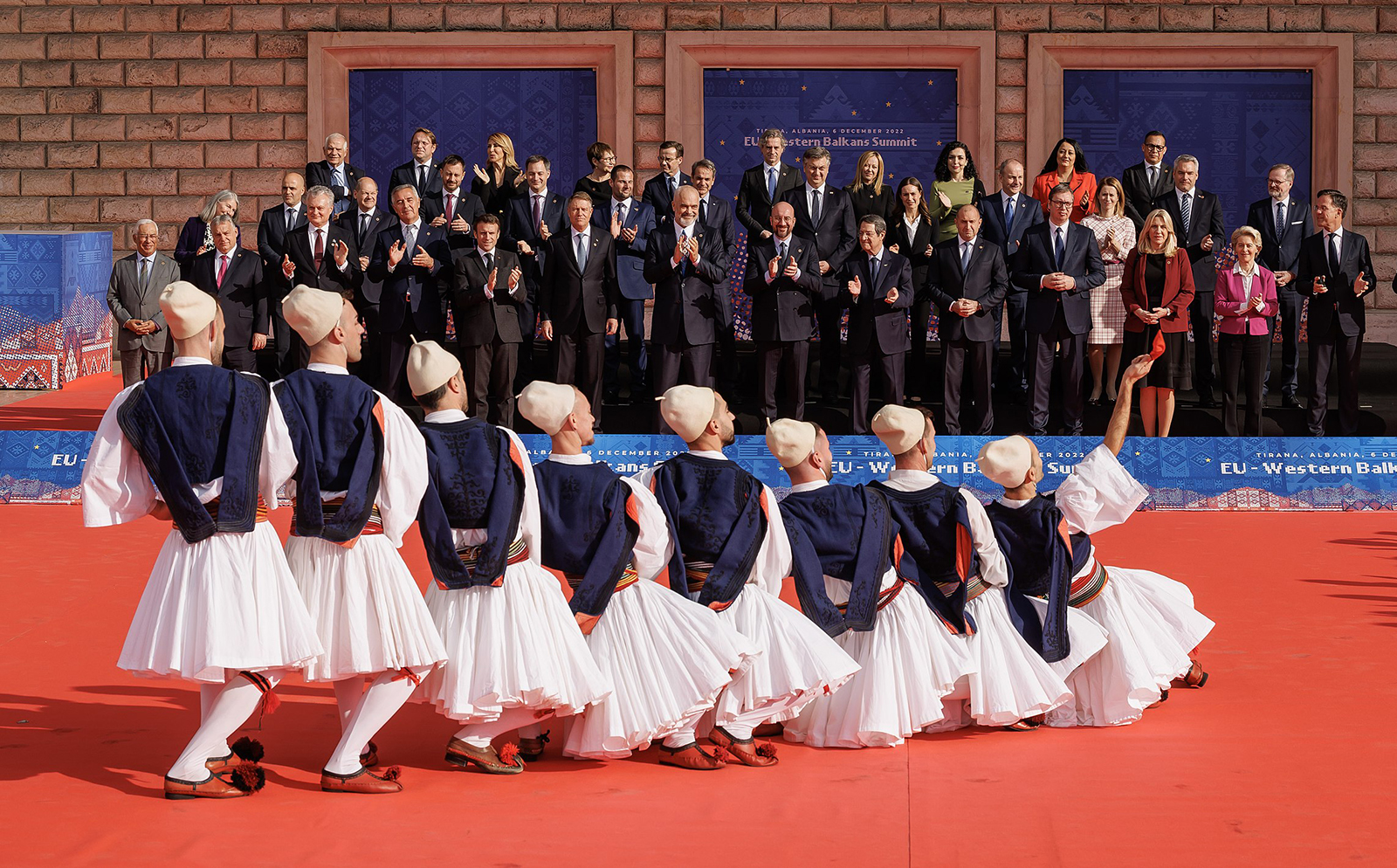
EU enlargement could address collective action problems and stabilise its neighbourhood, but stalled accession processes may make full membership unlikely. Maria Giulia Amadio Viceré and Matteo Bonomi suggest that partial integration — engaging candidate countries in EU policies without membership — will remain the EU's main strategy for managing internal and regional crises Read more
Francesco Foti
The West is failing to invest against Russian encroachment in Georgia, choosing instead to break relations. Francesco Foti argues that Western disengagement will prove a serious obstacle to Georgia realigning with the West. Read more
Aida Halilovic
Aida Halilovic argues that the EU’s empowerment of the European Border and Coast Guard Agency (Frontex) is controversial. Frontex straddles overlapping administrative and political dimensions, and makes decisions on matters that sit between the public goods of liberty and security, where democratic deliberation might be needed. Read more
Lucy Kinski
National politicians in Europe represent their own citizens, but they also consider the concerns of fellow European citizens when making decisions on EU politics, writes Lucy Kinski. Many do not believe that a national focus will solve our common problems, and neither should we Read more
The Loop
Cutting-edge analysis showcasing the work of the political science discipline at its best.
We use necessary cookies to make our site work. We'd also like to set analytics cookies that help us make improvements by measuring how you use the site. These will be set only if you accept.
▼
Strictly Necessary Cookies
Necessary cookies enable core functionality such as security, network management, and accessibility. You may disable these by changing your browser settings, but this may affect how the website functions.
▼
Analytics Cookies
Google Analytics
We'd like to set Google Analytics cookies to help us improve our website by collecting and reporting information on how you use it. The cookies collect information in a way that does not directly identify anyone. For more information on how these cookies work please see our Privacy Notice.