Titus Alexander
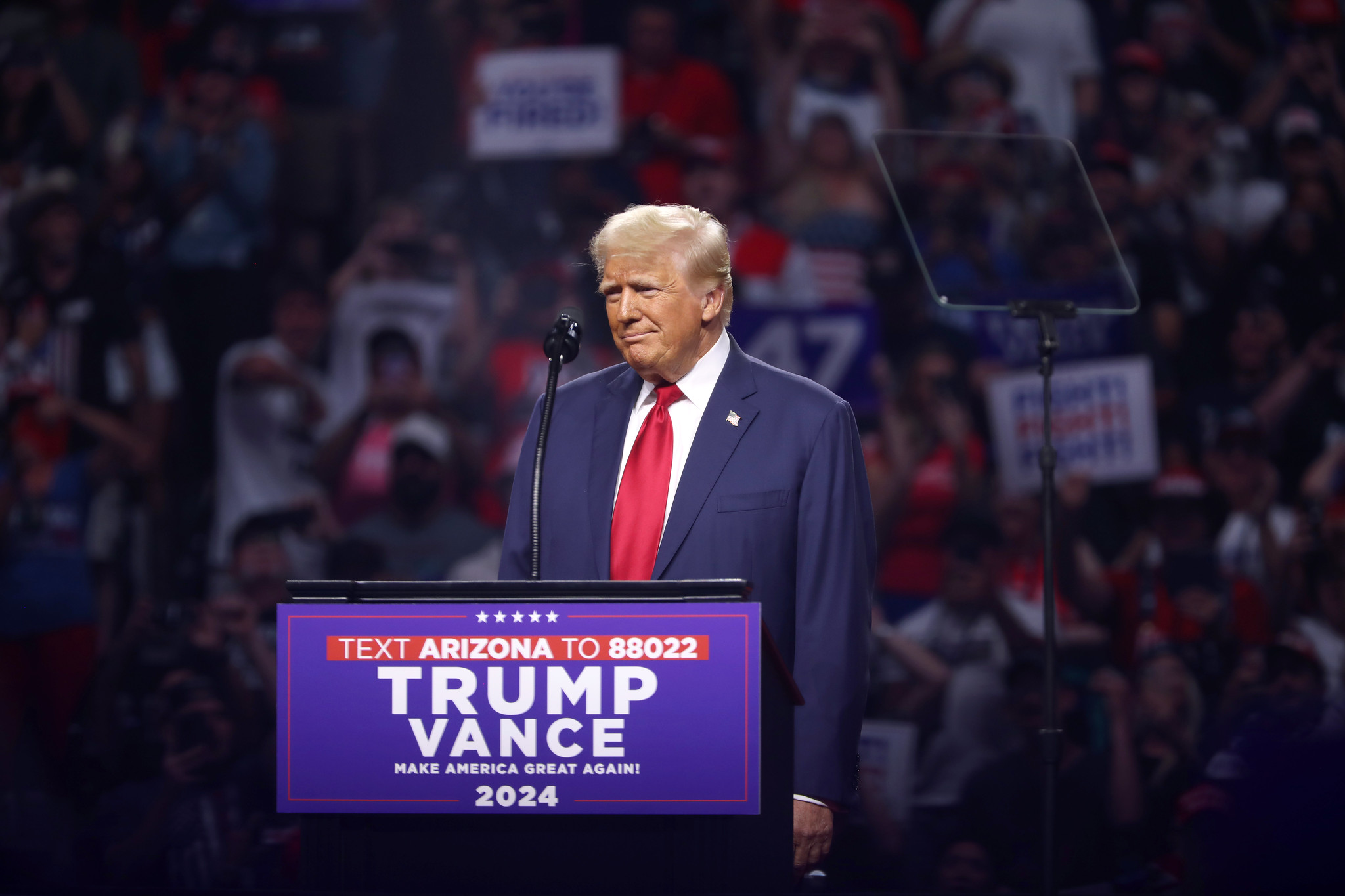
Trump may have scored a resounding win, but can he deliver the changes Americans voted for? Titus Alexander argues that the new political order challenges political science to help citizens make democracy work better. Read more
Ruairidh Brown
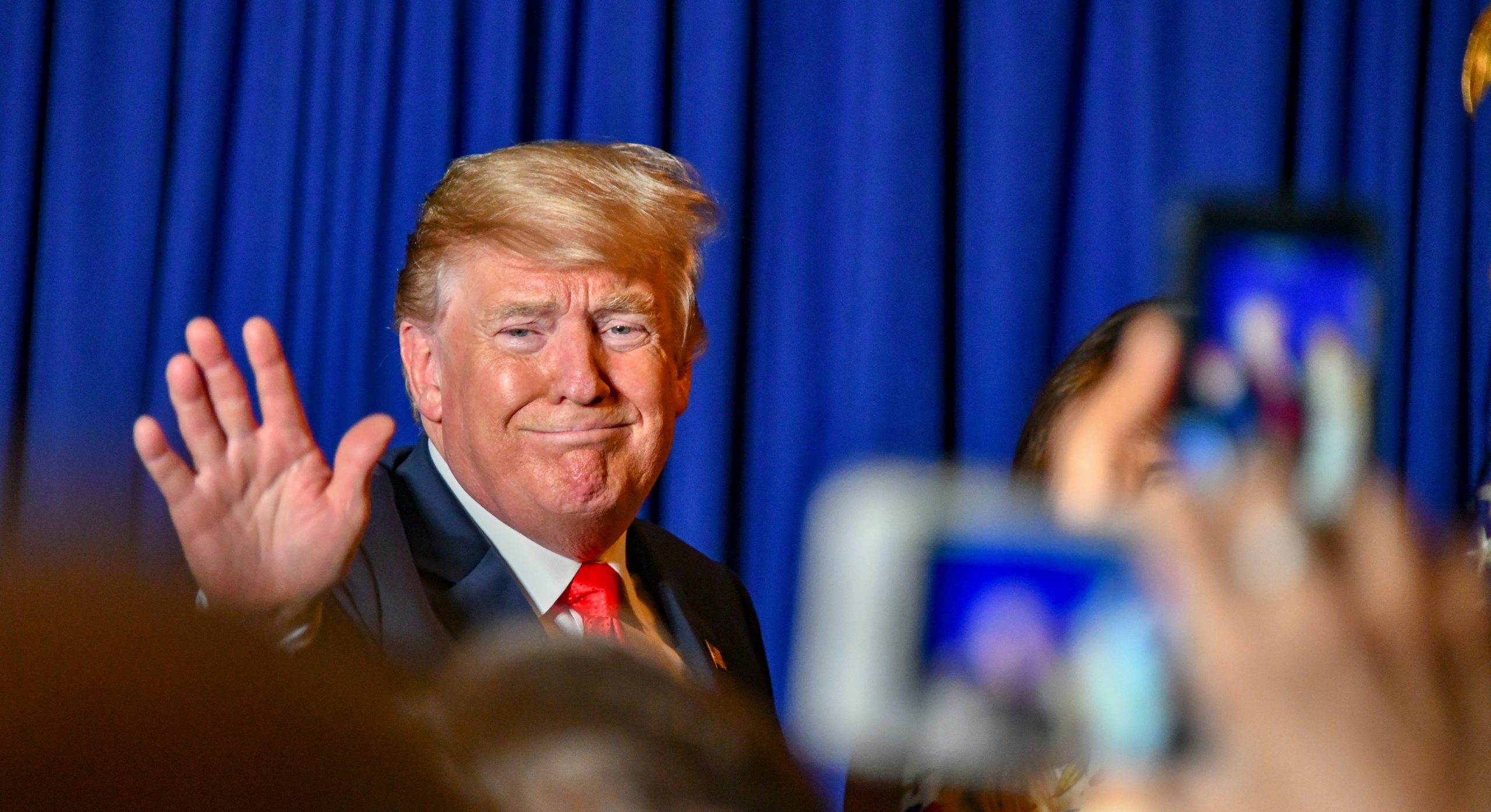
As Trump returns to the White House, what, exactly, is the ideology of Trumpism? Ruairidh Brown argues that Trump’s America First agenda is, at its core, Machiavellian Read more
Sanne van Oosten
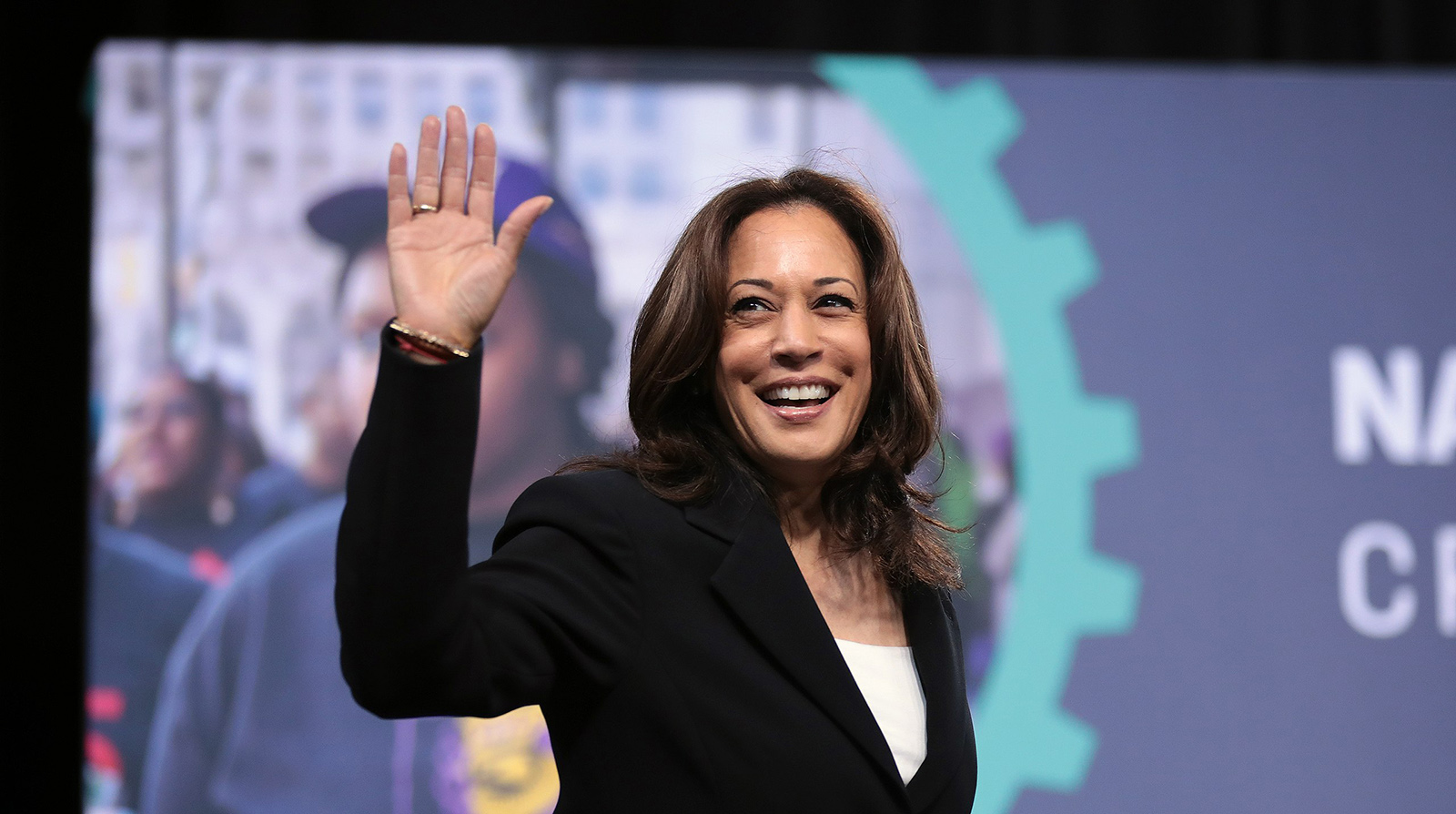
Stereotypes of race and gender didn’t seem to stick to Kamala Harris. But another kind did. Sanne van Oosten argues that in the run-up to the US election, the Trump campaign stereotyped Harris as an extreme leftist – a policy stereotype exacerbated by her race and gender Read more
Gülşen Doğan
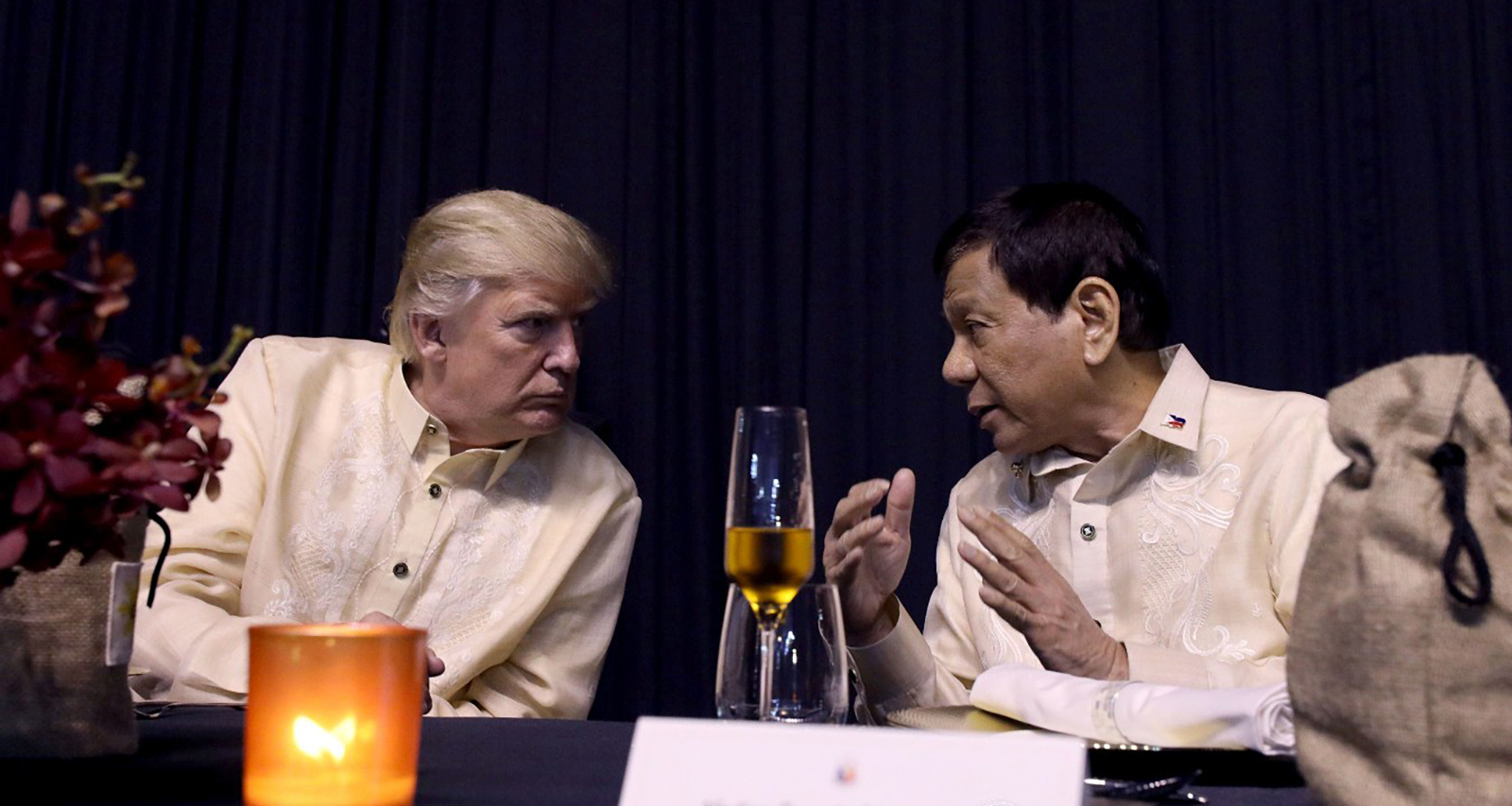
Gülşen Doğan describes how charismatic leadership, propaganda, and a commitment to stable governance are behind the rise of autocratic populists. Read more
Hans Asenbaum
Despite being the first Black woman to run for US President on a major party ticket, Kamala Harris’ identity plays no prominent role in public perception. Hans Asenbaum argues that Trump’s attempts to define Harris are failing because of her intersectionality and fluidity. Read more
Frédéric Strack
In the 2024 US presidential campaign, neither Kamala Harris nor Donald Trump are making religion an issue. Yet, argues Frédéric Strack, religion plays a significant role in differentiating the Republican and Democratic approaches to politics, as reflected in this summer’s Republican and Democratic National Conventions. Read more
Richard Johnson
Ahead of the first debate between presidential candidates Kamala Harris and Donald Trump, Richard Johnson explores whether the outcome will have any real impact on voting behaviour in the US on 5 November. Read more
Jacob Wentz
Jacob Wentz analyses populist rhetoric and communication strategies in the election campaigns of Donald Trump and Giorgia Meloni. Both leaders adopt similar approaches, criticising traditional media, personalising politics, and using language that marginalises immigrants and the LGBTQ+ community. We should not, he argues, underestimate the power of their rhetoric. Read more
We use necessary cookies to make our site work. We'd also like to set analytics cookies that help us make improvements by measuring how you use the site. These will be set only if you accept.
▼
Strictly Necessary Cookies
Necessary cookies enable core functionality such as security, network management, and accessibility. You may disable these by changing your browser settings, but this may affect how the website functions.
▼
Analytics Cookies
Google Analytics
We'd like to set Google Analytics cookies to help us improve our website by collecting and reporting information on how you use it. The cookies collect information in a way that does not directly identify anyone. For more information on how these cookies work please see our Privacy Notice.