Shreya Nautiyal
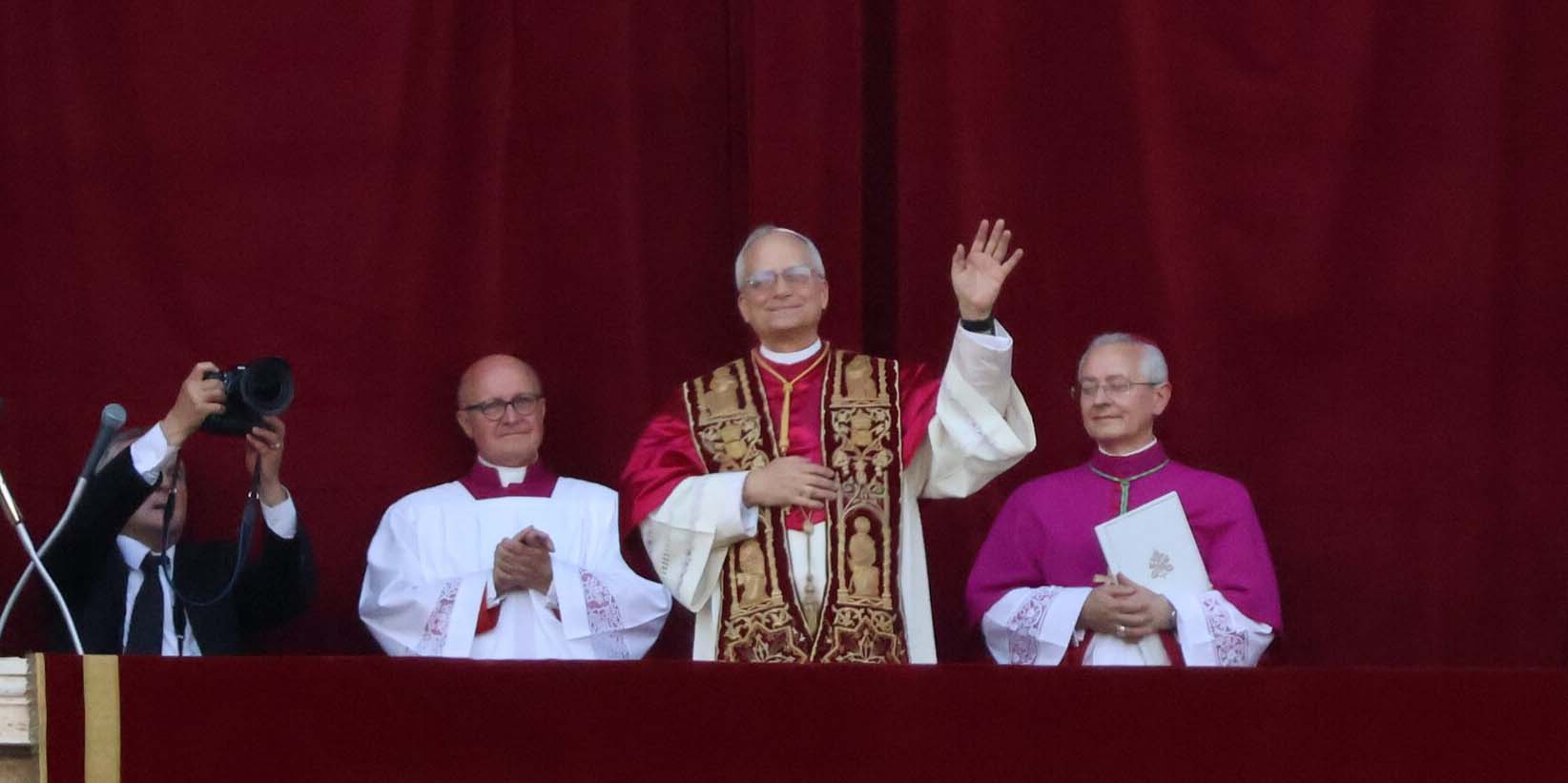
The Holy See has no army, no intelligence service and no counterterrorism capability. Yet, Shreya Nautiyal argues, Pope Leo XIV’s recent interventions in Nigeria and his push for stronger Christian–Muslim relations show how moral diplomacy can support preventive security and build social cohesion, even if it can’t replace traditional state tools Read more
Saima Afzal
US-Pakistan ties have repeatedly deepened during geopolitical crises and weakened when the emergency passed. Saima Afzal argues that the latest opening may prove more durable precisely because it is less ambitious: trade, technology, critical minerals and counterterrorism can each sustain cooperation without requiring grand strategic alignment Read more
Giulia Dal Bello
The 2024 Olympics marked a significant moment in the growing intrusion of AI surveillance into public life. Giulia Dal Bello, Sivan Hirsch-Hoefler and Daphna Canetti argue that, despite the security advantages, governments need to account for public perceptions of surveillance, as negative views may fuel collective action against state authority. Read more
Margherita Belgioioso
Using disaggregated data for England, Margherita Belgioioso, Christoph Dworschak, and Kristian Skrede Gleditsch show that community deprivation drives far-right violence. Their research reveals how deprivation fuels it, and how it may be possible to predict where such violence is likely, even when we cannot predict who may be carrying out attacks. They also suggest that efforts to reduce community deprivation can also help reduce political violence Read more
Sven Botha
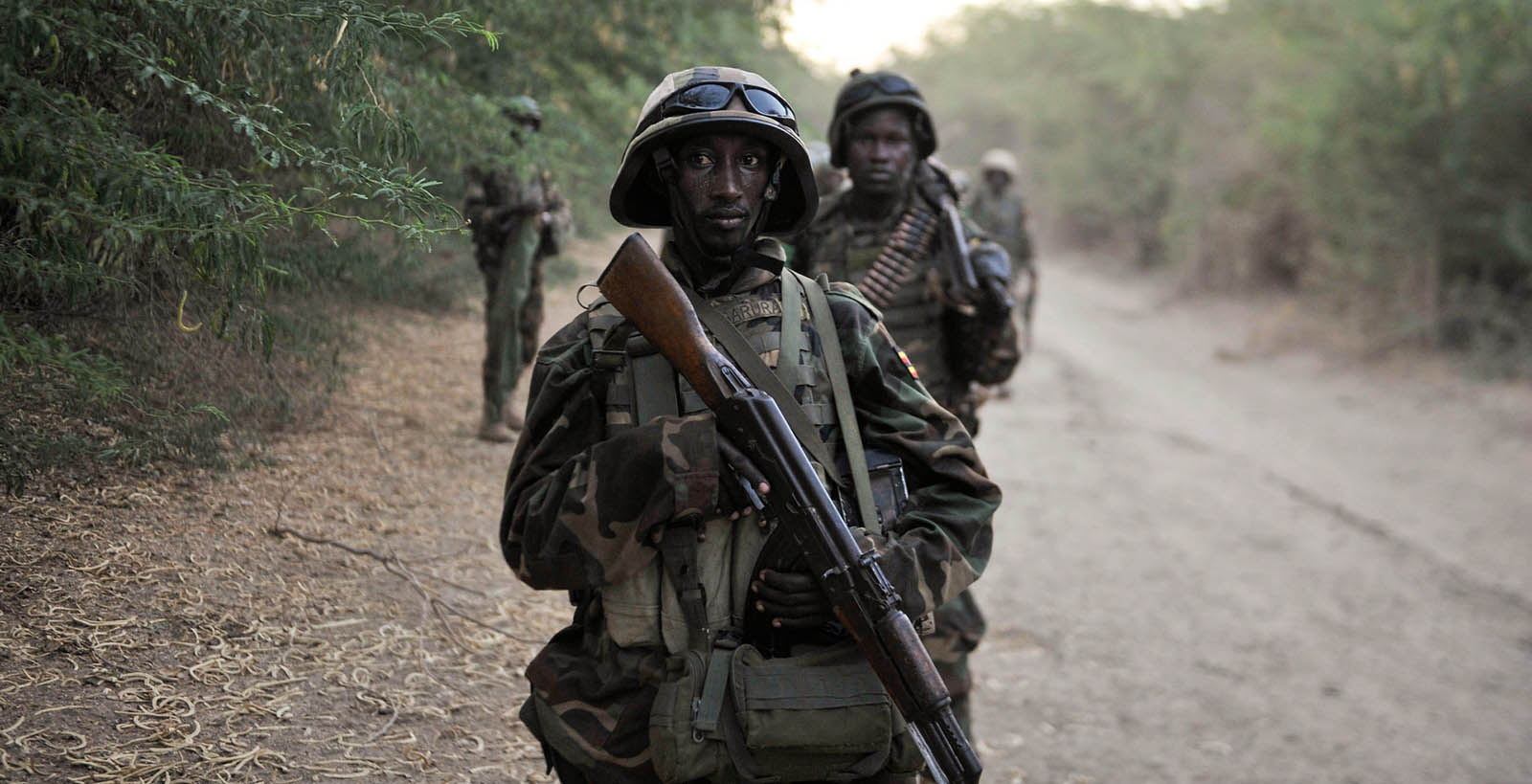
Scant counterterrorism initiatives in Africa have often been blamed on a lack of political will. But institutional capacity, technical competency, decolonisation struggles and pressure from national advocacy groups all play their part. As Africa’s terrorism worsens, Sven Botha and Suzy Graham suggest that peer-learning through peer review may prove fruitful Read more
The Loop
Cutting-edge analysis showcasing the work of the political science discipline at its best.
We use necessary cookies to make our site work. We'd also like to set analytics cookies that help us make improvements by measuring how you use the site. These will be set only if you accept.
▼
Strictly Necessary Cookies
Necessary cookies enable core functionality such as security, network management, and accessibility. You may disable these by changing your browser settings, but this may affect how the website functions.
▼
Analytics Cookies
Google Analytics
We'd like to set Google Analytics cookies to help us improve our website by collecting and reporting information on how you use it. The cookies collect information in a way that does not directly identify anyone. For more information on how these cookies work please see our Privacy Notice.