Joakim Kreutz
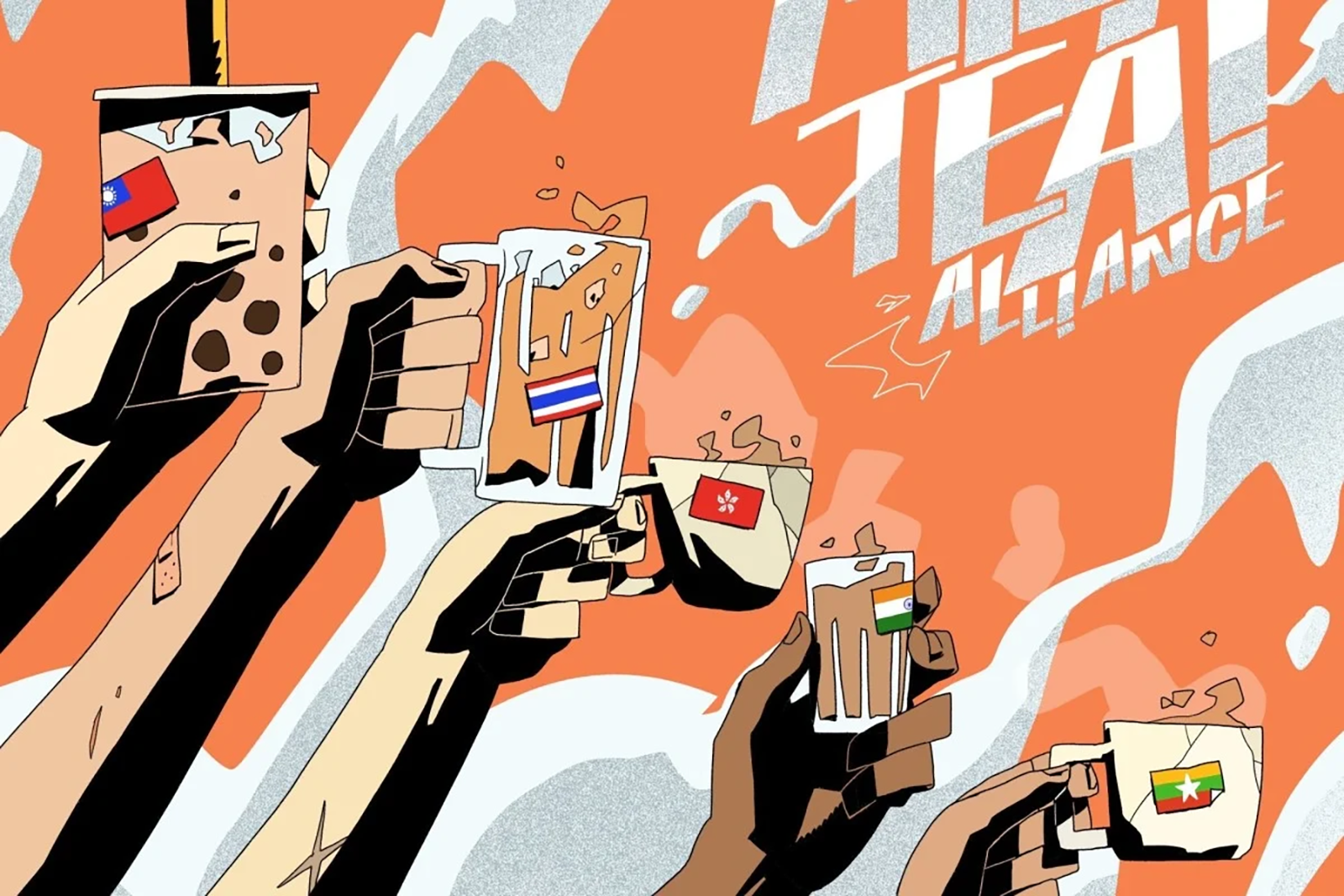
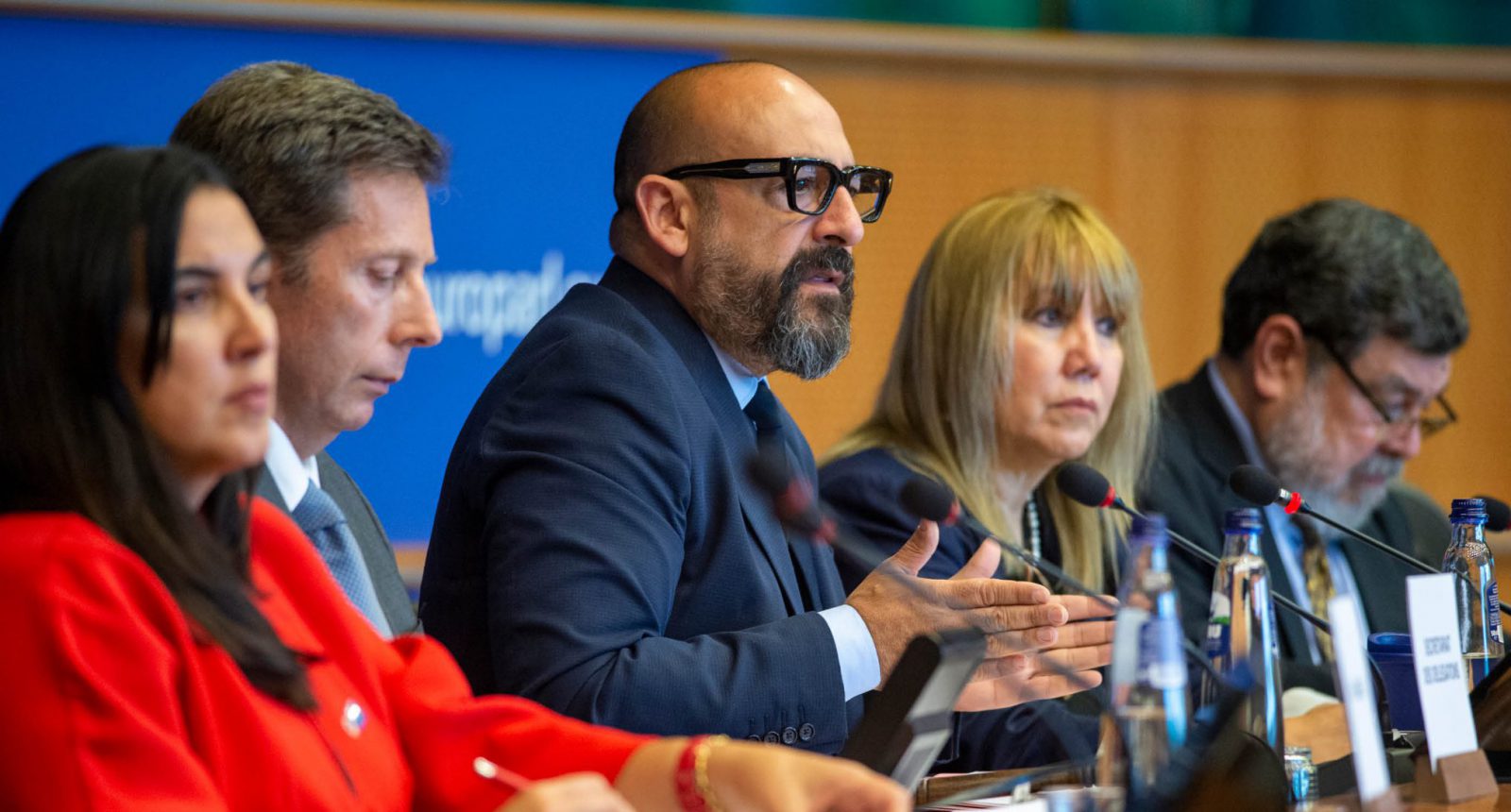
In an increasingly globalised and digital world, national borders are no longer constraints on political mobilisation, argue Joakim Kreutz and Anthi Antonia Makrogianni. Thailand's 2020 #MilkTeaAlliance protests show how shared identities created in online communities can form in reaction to online repression Read more
Bernardo Jurema
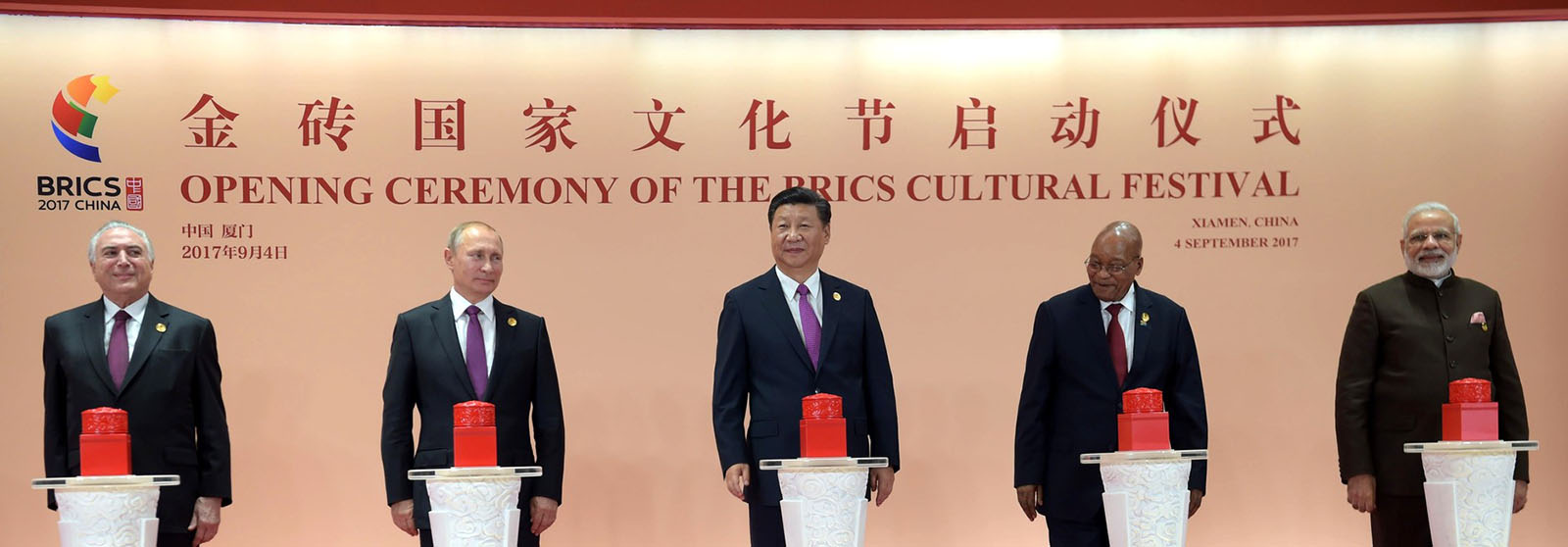
Bernardo Jurema places the recent BRICS expansion into appropriate historical context. It is, he argues, a project to de-westernise the world, opening up new possibilities, including de-colonialisation along the lines of previous historical attempts. It may not be everything that is needed, but it is a significant step forwards Read more
Francesco Foti
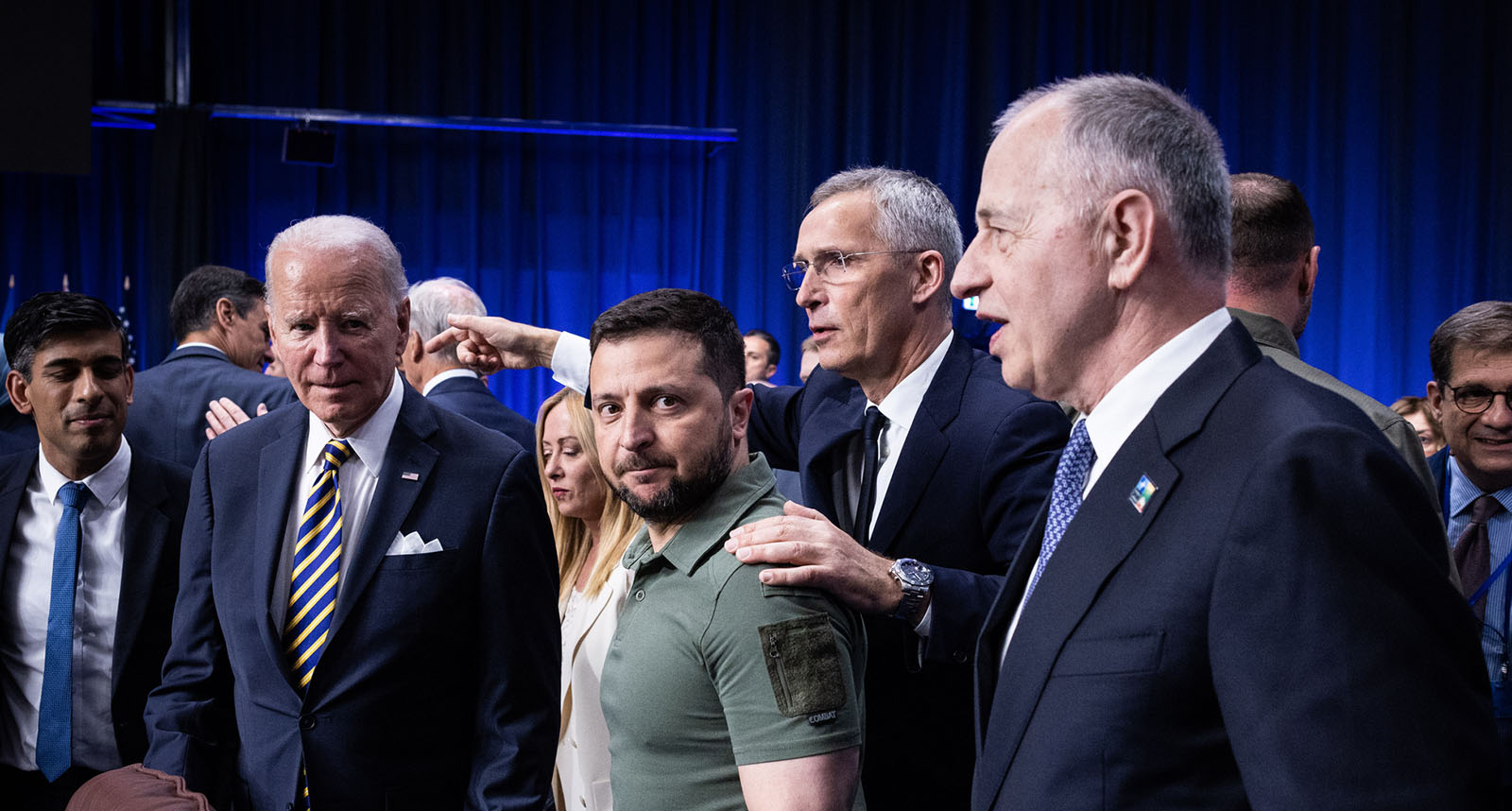
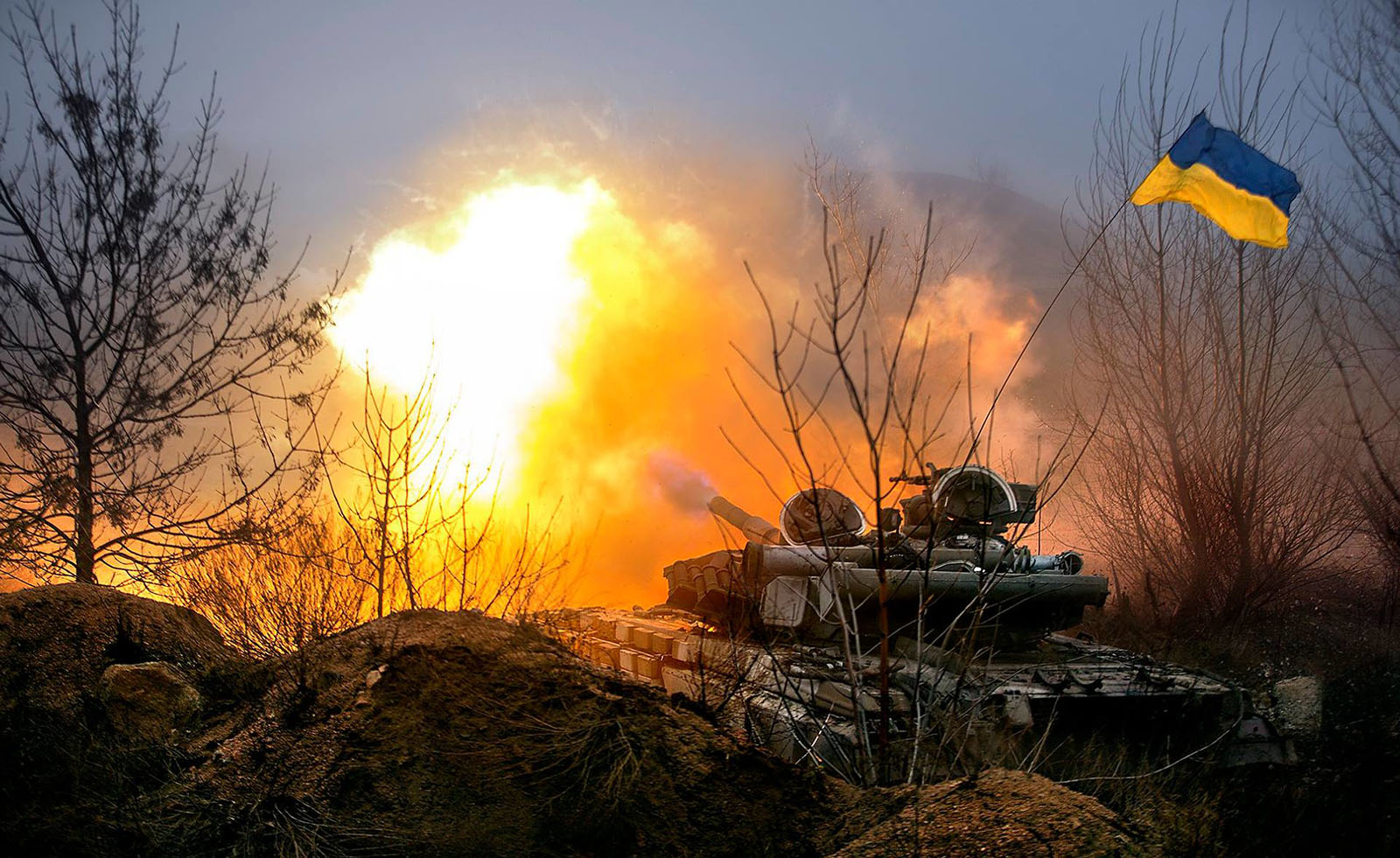
As the West tires of Russian hybrid warfare, Francesco Foti argues that NATO and the EU should learn from history. To avoid further damaging consequences, they must do all they can to maintain a forceful, non-compromising and united response Read more
Albrecht Rothacher
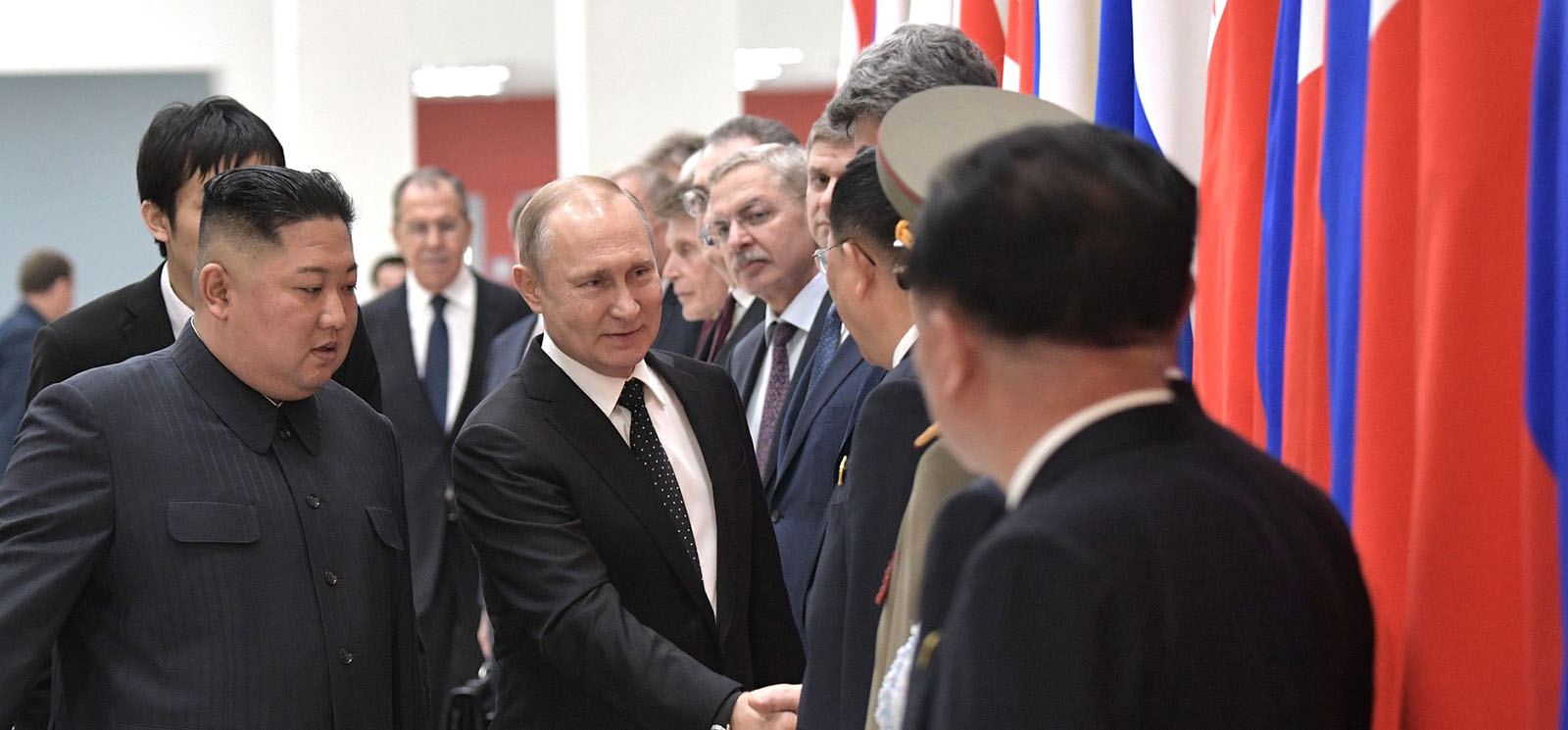
The ‘Axis of Evil’ coined by President George W. Bush is not so much redundant for Washington today as in need of descriptive expansion, argues Albrecht Rothacher. The threat of a new enlarged axis of evil is all the greater for the increasing neo-isolationism of the United States Read more
Albrecht Rothacher
Albrecht Rothacher argues that longstanding Western neglect and weakness in the face of rising aggression from authoritarian regimes threatens worldwide conflagration. Post-1991 dreams of a new international order have been definitively shattered – and the West’s current positions do nothing to reduce the risks Read more
Juan Cruz Díaz
Long-running negotiations between the European Union and Mercosur, aimed at forming an Association Agreement and liberalising trade, have faced numerous hurdles. As the December deadline for signature approaches, doubts loom over the pact’s future, write Juan Cruz Díaz and Carlos José Cruz Infante Read more
Max-Otto Baumann
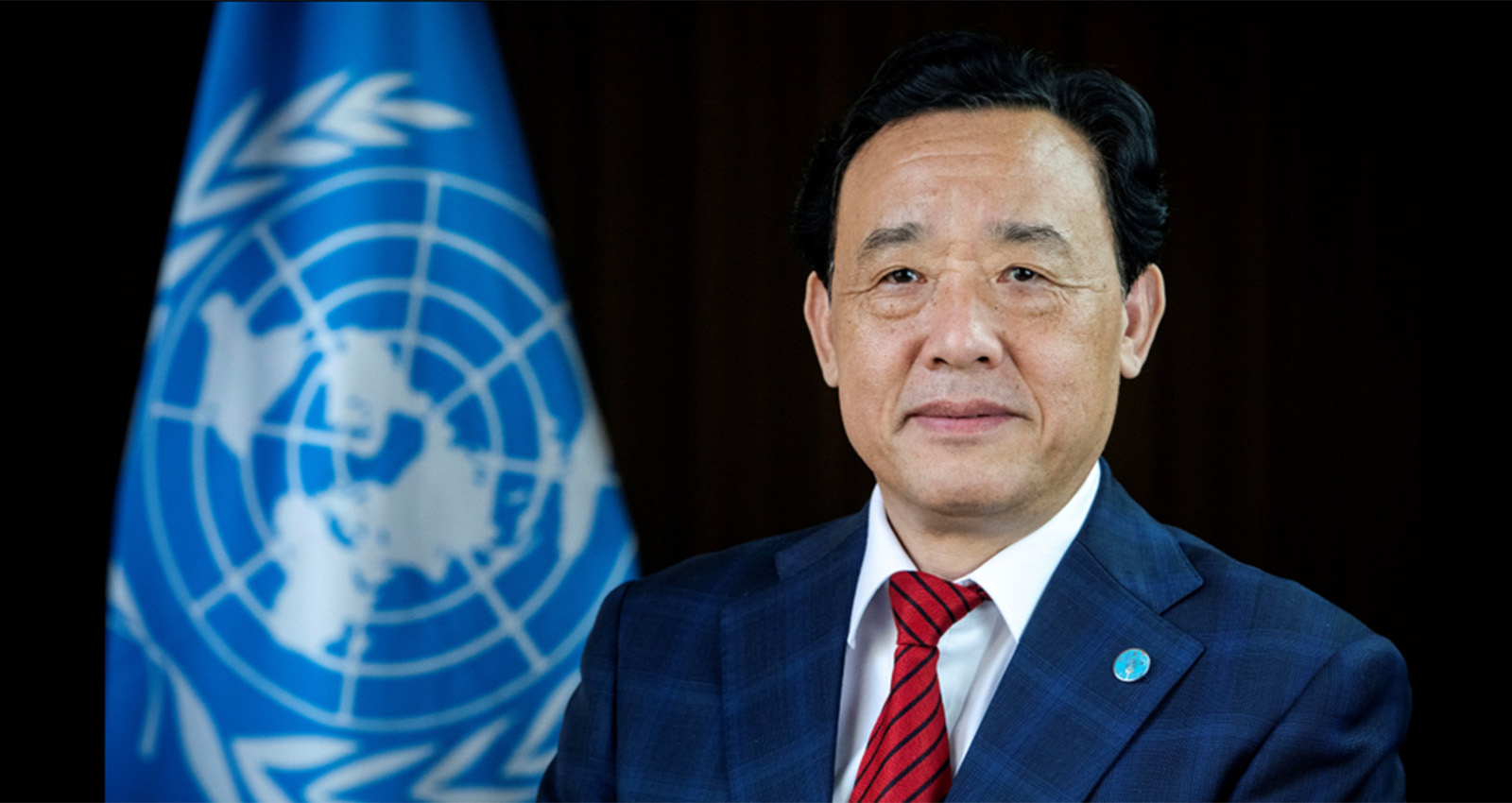
China’s presence in United Nations (UN) development work has expanded considerably. While this contributes to geopolitical rivalries with the West, Max-Otto Baumann and Sebastian Haug advocate examining the potential and risks of China’s take on the UN’s role, its cooperation priorities, and development philosophy Read more
Yuting Alina He
As gender becomes an increasingly heated issue in China, He Yuting and Ruairidh Brown explore how the ‘female boxer’ has become a key disciplinary image in this struggle – and how it can be contested Read more
We use necessary cookies to make our site work. We'd also like to set analytics cookies that help us make improvements by measuring how you use the site. These will be set only if you accept.
▼
Strictly Necessary Cookies
Necessary cookies enable core functionality such as security, network management, and accessibility. You may disable these by changing your browser settings, but this may affect how the website functions.
▼
Analytics Cookies
Google Analytics
We'd like to set Google Analytics cookies to help us improve our website by collecting and reporting information on how you use it. The cookies collect information in a way that does not directly identify anyone. For more information on how these cookies work please see our Privacy Notice.