Alexander Kossev
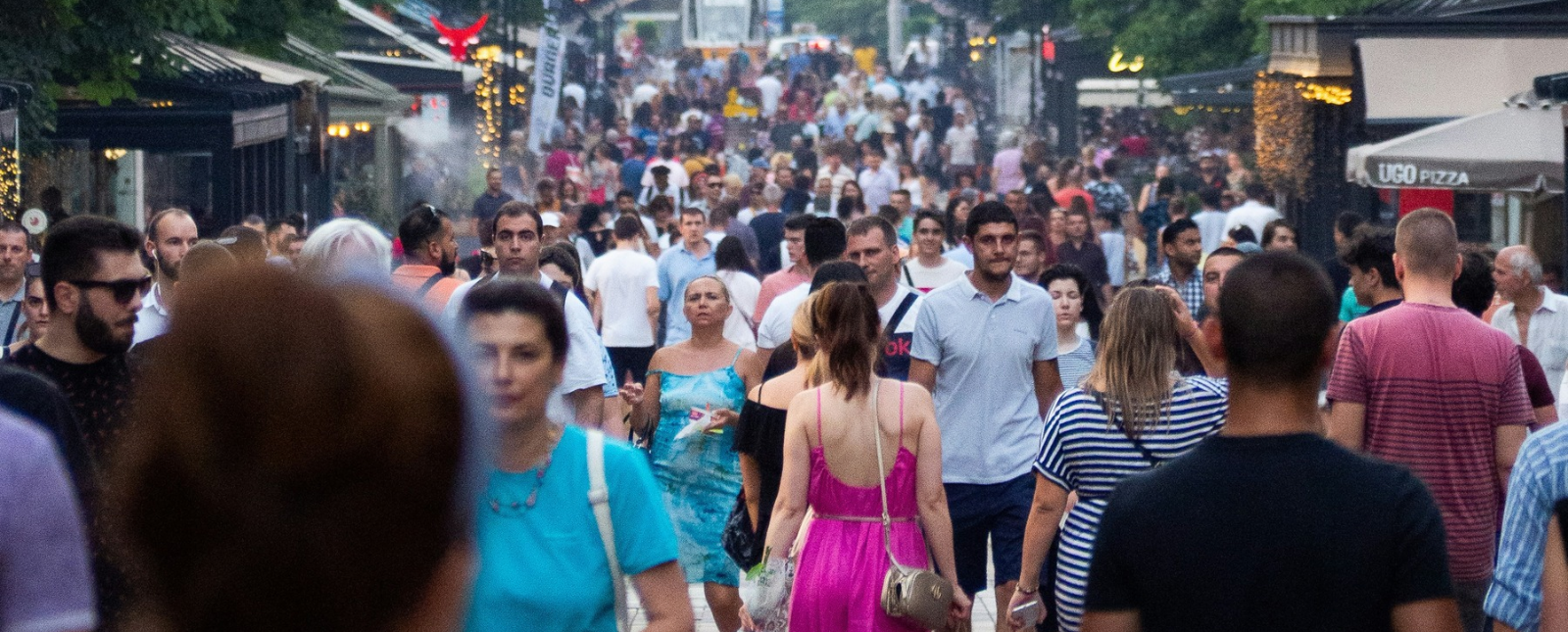
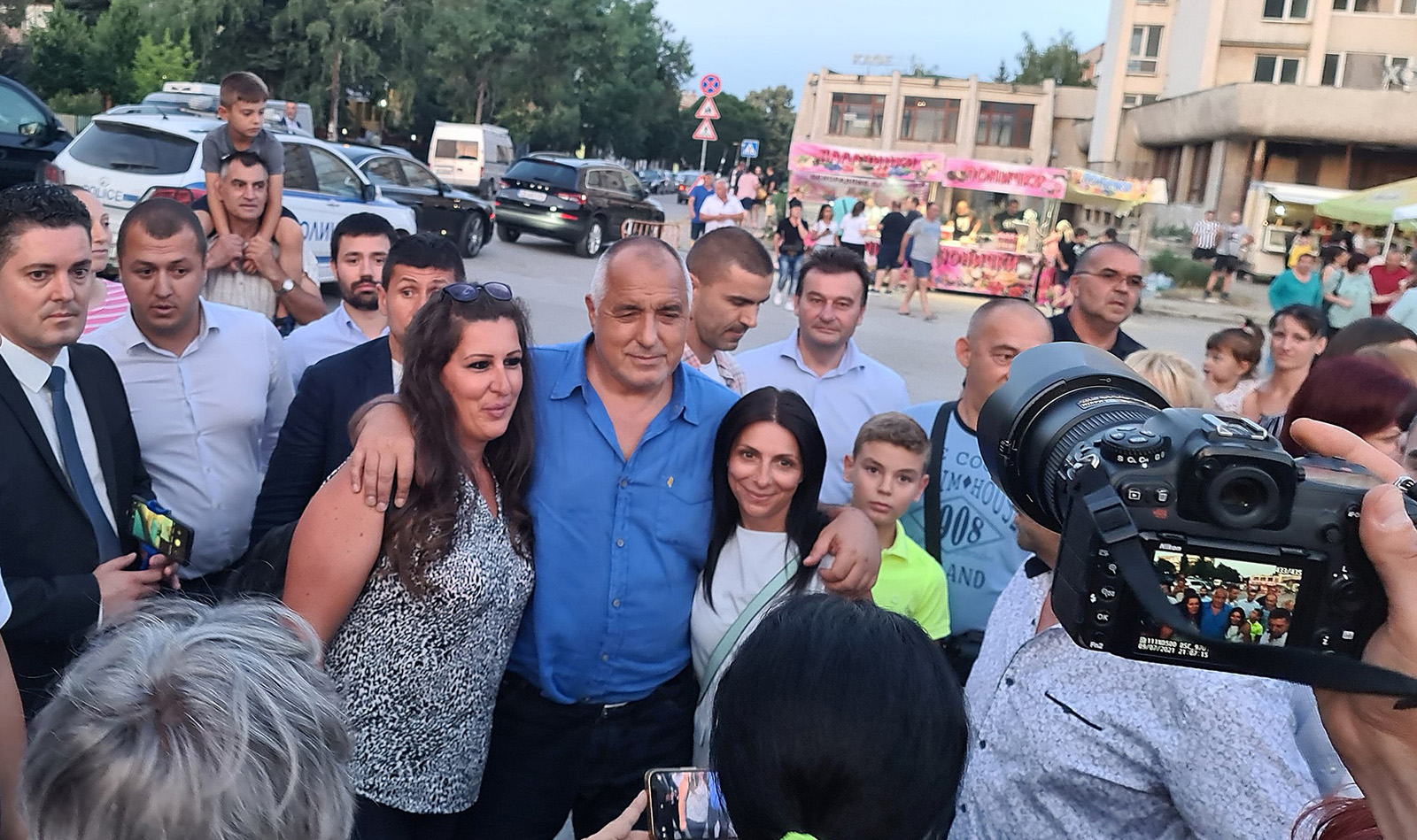
Support for European integration and satisfaction with the European Union are not the same thing. Alexander Kossev argues that Bulgaria reveals a politically important group of frustrated Europeans. They value integration but remain disappointed by its results – creating frustration that political parties can redirect towards very different visions of Europe Not every critic wants […] Read more
Oana-Cosmina Mihalache
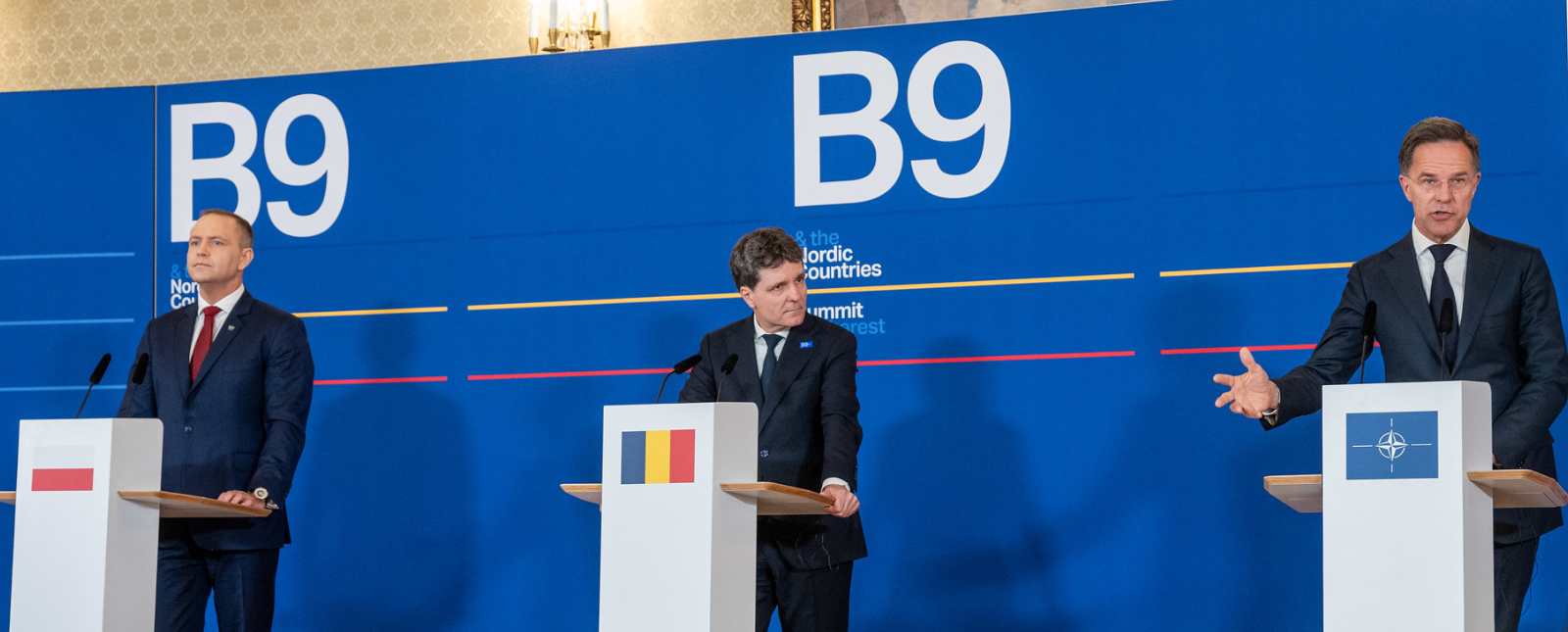
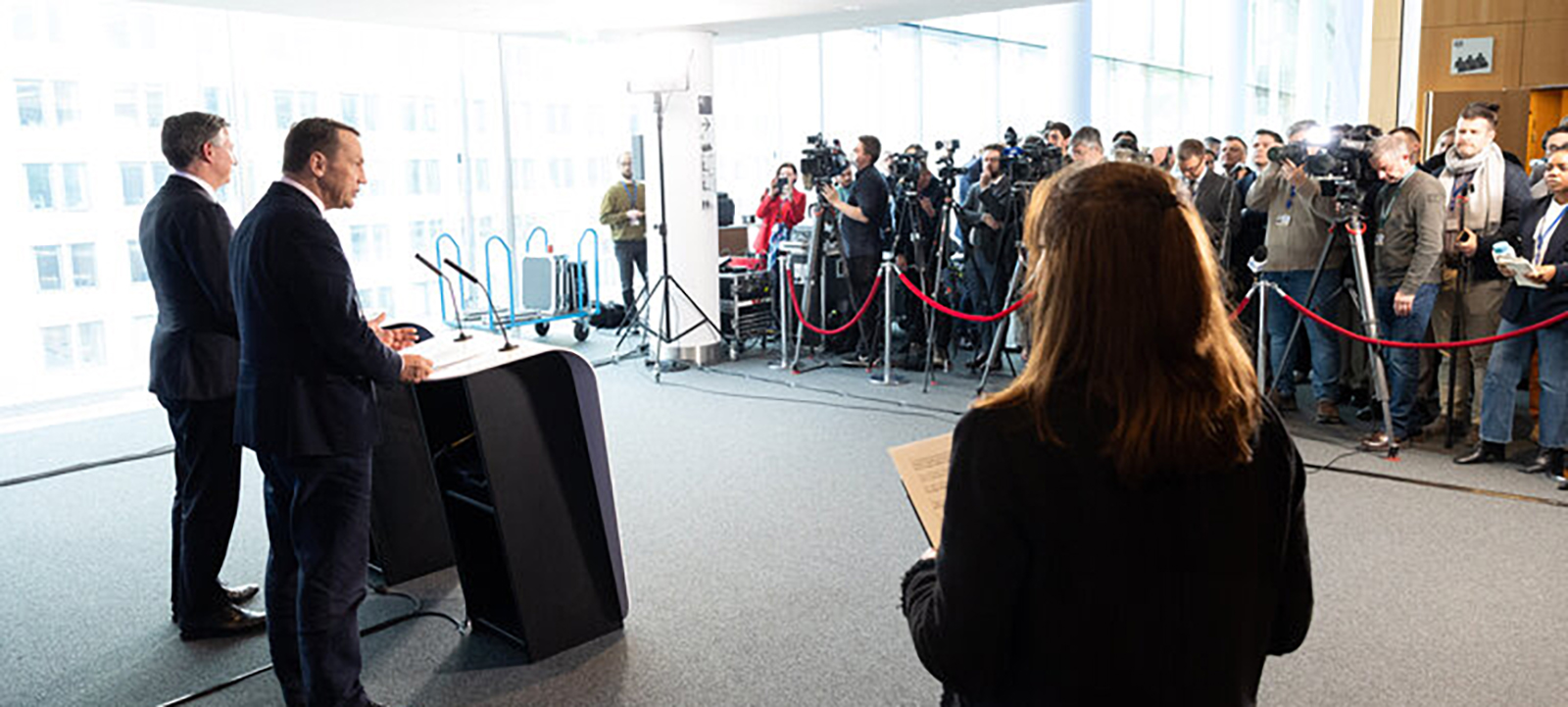
On 13 May 2026, Bucharest hosted the Summit of the Bucharest Nine (B9) and the Nordic countries. Oana-Cosmina Mihalache argues that the reunion’s outcome was indicative of the format’s role in the architecture of European defence cooperation Read more
Milen Lyubenov
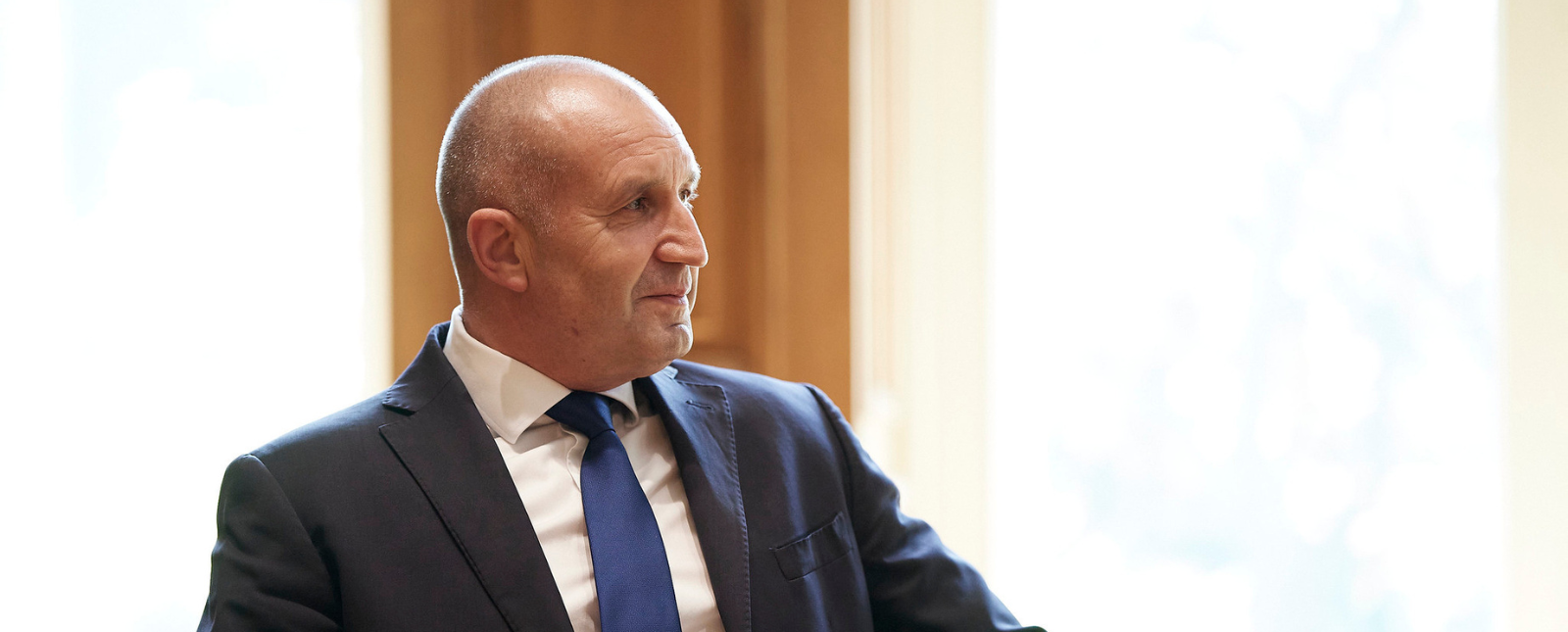
Milen Lyubenov and Dragomir Stoyanov argue that the Bulgarian parliamentary elections of April 2026 may well have resolved a five-year political crisis through a landslide victory for ex-President Rumen Radev’s new political formation, ‘Progressive Bulgaria’ Read more
Albrecht Rothacher
In 2026, Bulgaria will likely join the eurozone. On the surface, the economic indicators look good. But Albrecht Rothacher and Martin Bull argue that this may be another example of the will of Brussels triumphing over hard socioeconomic reality. Bulgarians, they warn, should brace themselves for a fiscal shock Read more
Beáta Bakó
Membership of the EU no longer guarantees access to its core benefits. With funding now tied to rule-of-law compliance, aspiring member states are subject to increasing scrutiny. Beáta Bakó examines how this shift reshapes accession prospects – and why candidate countries may find themselves caught in a new cycle of disillusionment Read more
Kaja Kaźmierska
The Lisbon Treaty appeared to restrict the powers of the presidency in external affairs. But it might also have made presidential powers more flexible. Kaja Kaźmierska describes how a reshuffling of leadership positions in the EU affected the role of the presidency Read more
Stefan Telle
Differentiated membership may offer a pragmatic path to EU enlargement, but it risks undermining unity in a multipolar world. Stefan Telle argues that without investment in centre-formation and shared political identity, the EU could drift into transactionalism, weakening its global voice and eroding the ideal of an ever-closer union Differentiated membership is gaining traction as […] Read more
Dragomir Stoyanov
Liberal democracy is backsliding in another EU member state. After more than a decade of GERB-party governance in Bulgaria – and the erosion of democracy and media freedom – the latest elections show how far the country is struggling to guarantee free and fair election process. Dragomir Stoyanov and Milen Lyubenov take a deep dive. Read more
We use necessary cookies to make our site work. We'd also like to set analytics cookies that help us make improvements by measuring how you use the site. These will be set only if you accept.
▼
Strictly Necessary Cookies
Necessary cookies enable core functionality such as security, network management, and accessibility. You may disable these by changing your browser settings, but this may affect how the website functions.
▼
Analytics Cookies
Google Analytics
We'd like to set Google Analytics cookies to help us improve our website by collecting and reporting information on how you use it. The cookies collect information in a way that does not directly identify anyone. For more information on how these cookies work please see our Privacy Notice.