Zoe Gueli
Zoe Gueli argues that in Italy, the anti-Brussels rhetoric of governing right-wing party Fratelli d’Italia survives not because Italians are Eurosceptic, but because its rhetoric functions as a domestic political tool – one that EU institutions are structurally unable to counter Read more
Flora Baumgartner
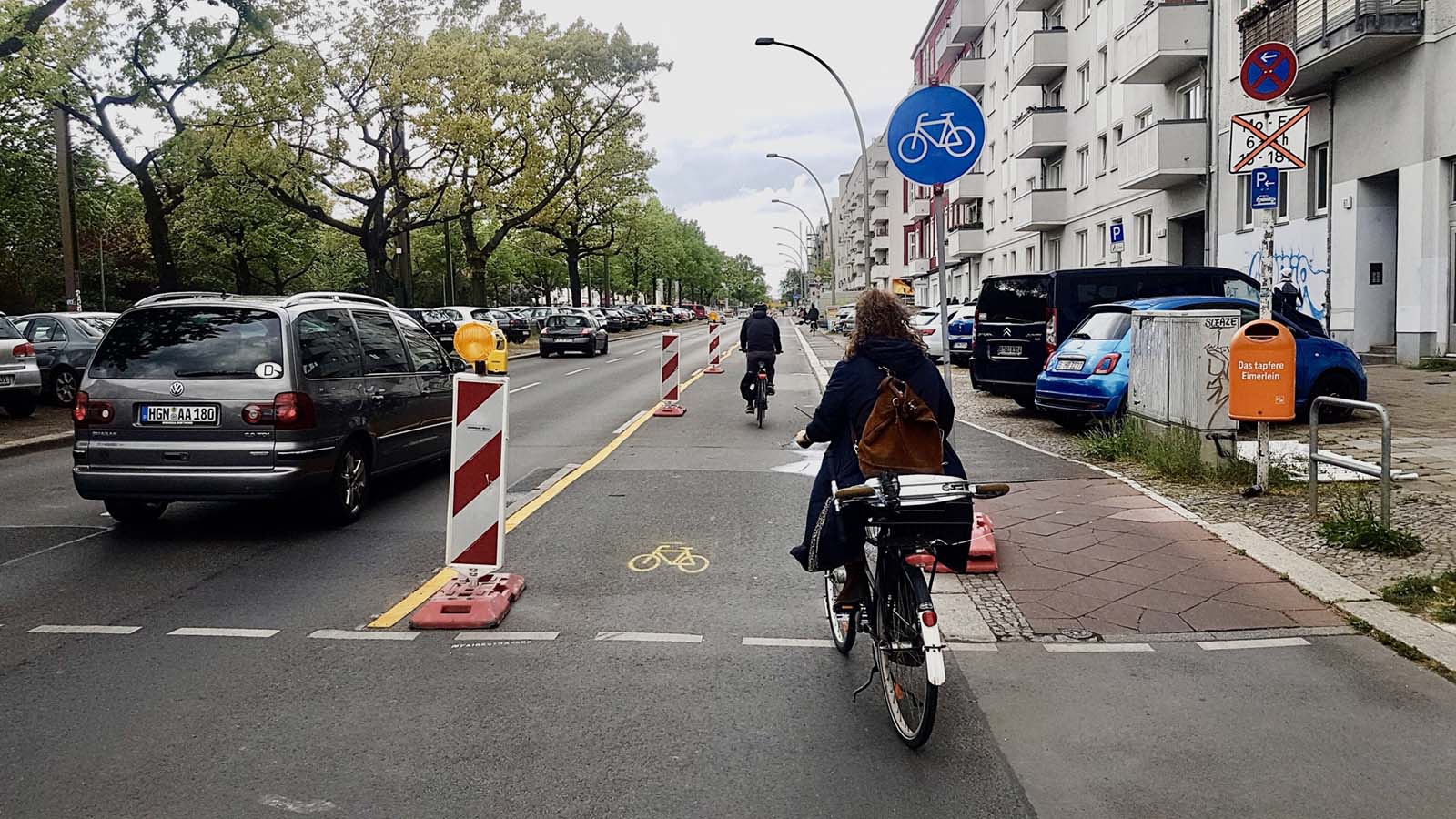
Opposition to sustainable transport projects is growing, because of distributive and identity grievances familiar from broader climate policy. Flora Baumgartner looks at how transport policies are contested locally, and how they act as glue for right-wing parties, locally and at a European level Read more
Mattia Zulianello
Mattia Zulianello introduces the PopulisTree, a new taxonomy and open-access dataset that maps the full diversity of populist parties across Europe over recent decades. Building upon and expanding the existing PopuList database, The PopulisTree helps scholars, journalists, and policymakers analyse one of the most important political phenomena of our times Read more
Francesco Vittonetto
Brought together by a shared ideology, converging around global events, and united in their support for radical-right leaders, populist audiences on social media are becoming increasingly global. Francesco Vittonetto discusses why we can now start talking about transnational populist publics Read more
Ugur Tekiner
European elections are traditionally seen as less significant than national elections. But Ugur Tekiner argues that the recent challenges facing the EU force us to rethink this classification. Recent European elections accurately reflect the national political mood in Member States, and reveal the growing polarisation around Europe Read more
Janina Heaphy
Italy’s new cross-border surrogacy ban is typical of the way democratic nations are adopting authoritarian measures to target citizens who travel abroad to circumvent restrictions at home. The new law targets LGBTQ+ families in particular. Janina Heaphy argues that Italy's actions reflect a global trend of transnational restrictions on personal freedoms and human rights. Read more
Antonio Campati
Antonio Campati, Martino Mazzoleni, and Andrea Scavo find, based on survey evidence, that Italians do not perceive an authoritarian risk in the far-right government led by Giorgia Meloni. However, they also discover a generational difference in attitudes towards democracy that may constitute concern for the future Read more
James F. Downes
James F. Downes argues that elections to the European Parliament will likely lead to record representation for populist far-right parties. Lack of unity and ideological divisions, however, will make it difficult for the far right to wield any real power Read more
We use necessary cookies to make our site work. We'd also like to set analytics cookies that help us make improvements by measuring how you use the site. These will be set only if you accept.
▼
Strictly Necessary Cookies
Necessary cookies enable core functionality such as security, network management, and accessibility. You may disable these by changing your browser settings, but this may affect how the website functions.
▼
Analytics Cookies
Google Analytics
We'd like to set Google Analytics cookies to help us improve our website by collecting and reporting information on how you use it. The cookies collect information in a way that does not directly identify anyone. For more information on how these cookies work please see our Privacy Notice.