Francesca Romana Ammaturo
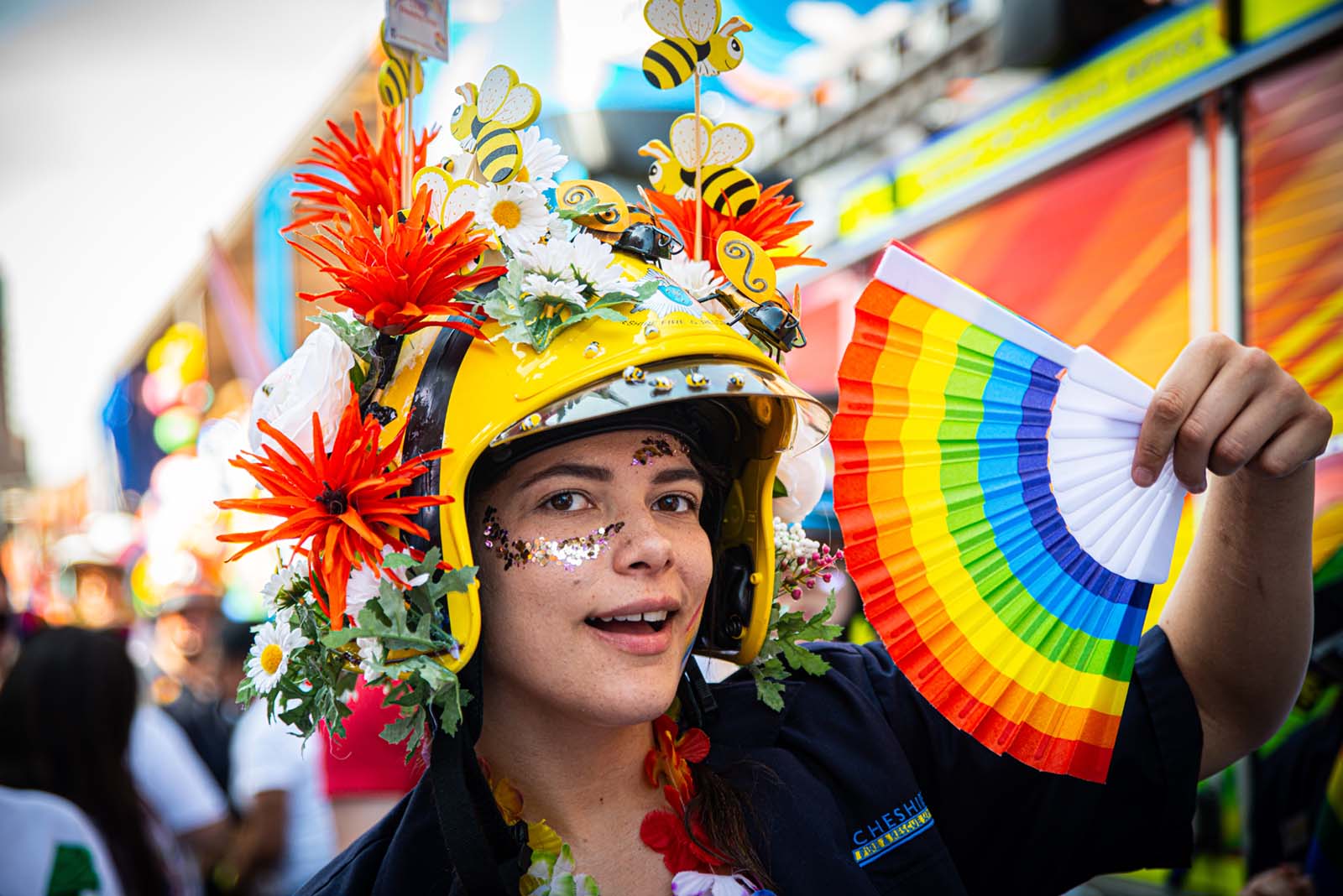
Amid the rise of far-right and anti-gender movements, and given growing internal conflicts and divisions, many LGBTQAI+ people worry about the future of Pride events. But Francesca Romana Ammaturo reveals that throughout its history, Pride has reflected many different visions of activism and community Read more
Romain Biesemans
Reactionary gender politics are not the preserve only of the far right. Through a comparison between Belgium and Spain, Romain Biesemans and Archibald Gustin show how conservative and far-right parties converge in their opposition to gender equality Read more
Koen Slootmaeckers
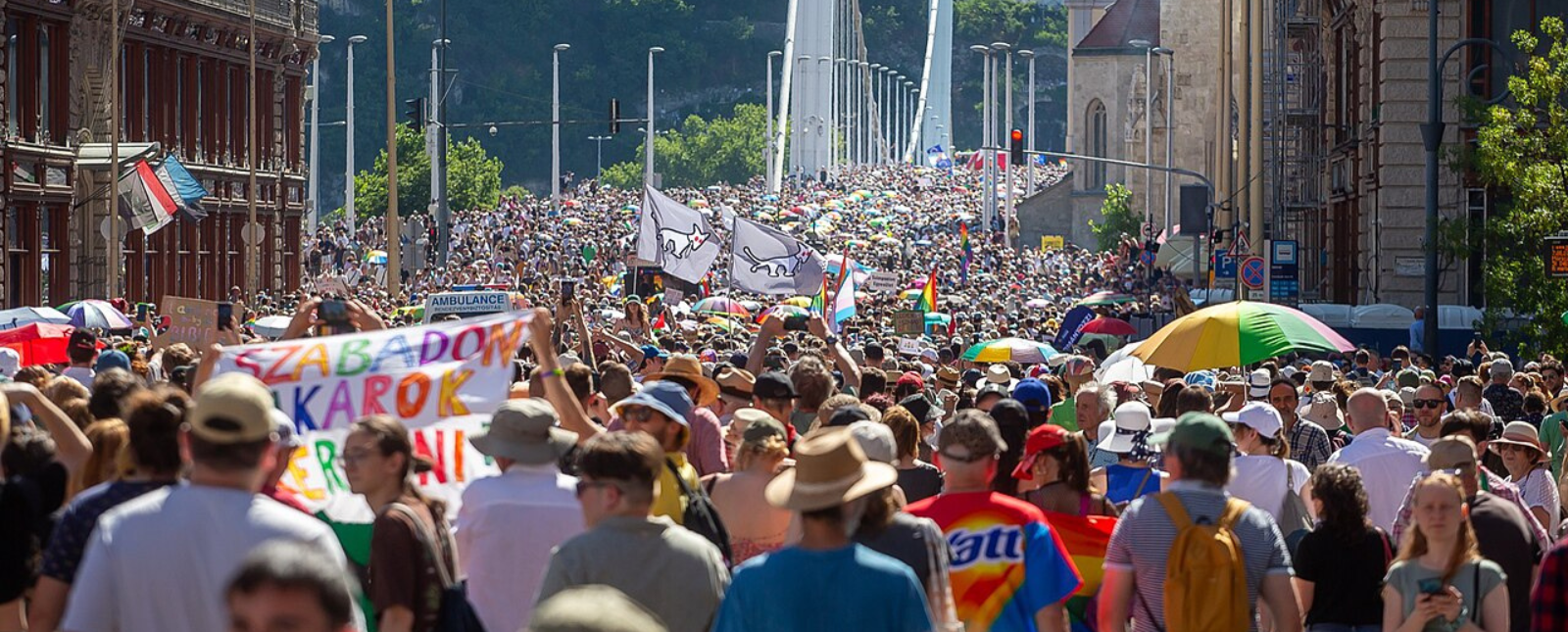
On 21 April 2026 the European Court of Justice delivered a landmark ruling, arguing that Hungary’s anti-LGBTQ+ law, in dehumanising LGBTIQ+ people, is incompatible with EU values. Koen Slootmaeckers analyses the Court’s ruling and its wider implications beyond Hungary Read more
Alexander Kondakov
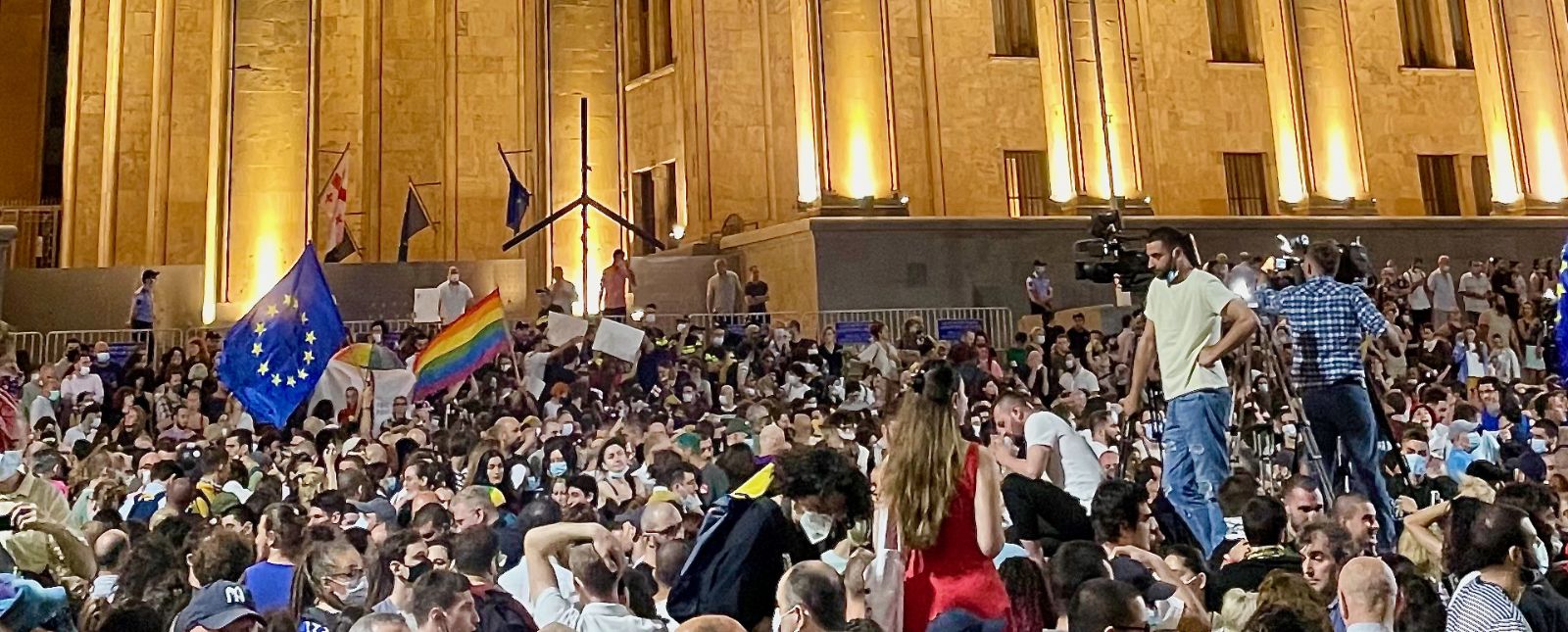
In 2024, Georgia adopted a new legal framework that mirrors Russia’s ‘gay propaganda’ ban. Alexander Kondakov and Sandro Tabatadze explore how this law blends Russian-inspired anti-gender policies with homegrown political logic. It is reshaping Georgia’s identity and challenging its Western ties, while raising broader implications for global authoritarian movements Read more
Robert Nordström
Has Japan really swung to the right? Robert Nordström explores how the collapse of one-party dominance has fuelled European-style populism — and opened the door to wider social change Read more
Adrianna Zabrzewska
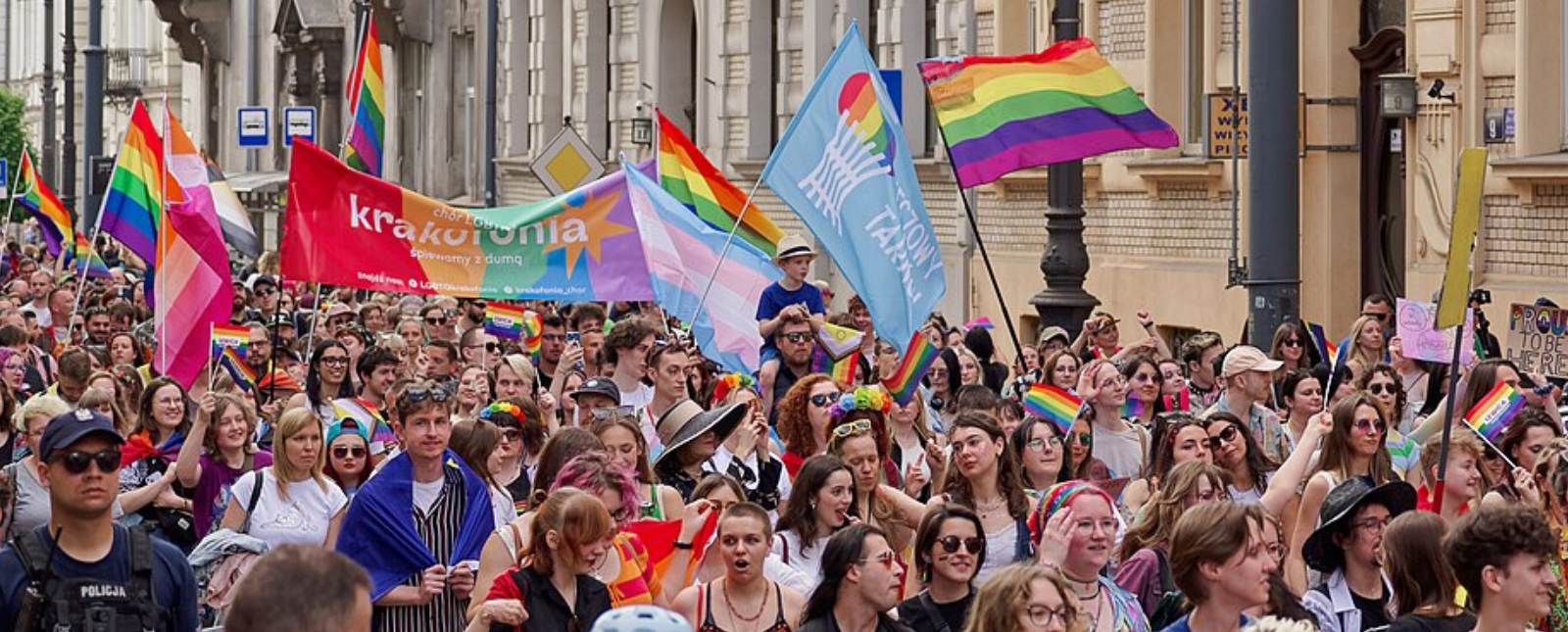
Adrianna Zabrzewska and Roberto Kulpa show that, despite populism's hostile political climate, limited funding, and tensions within the community, the pursuit of a liveable and joyful life for LGBTIQ+ individuals and cishet women in Poland is an unfolding project of resilience and resistance Read more
Didem Unal Abaday
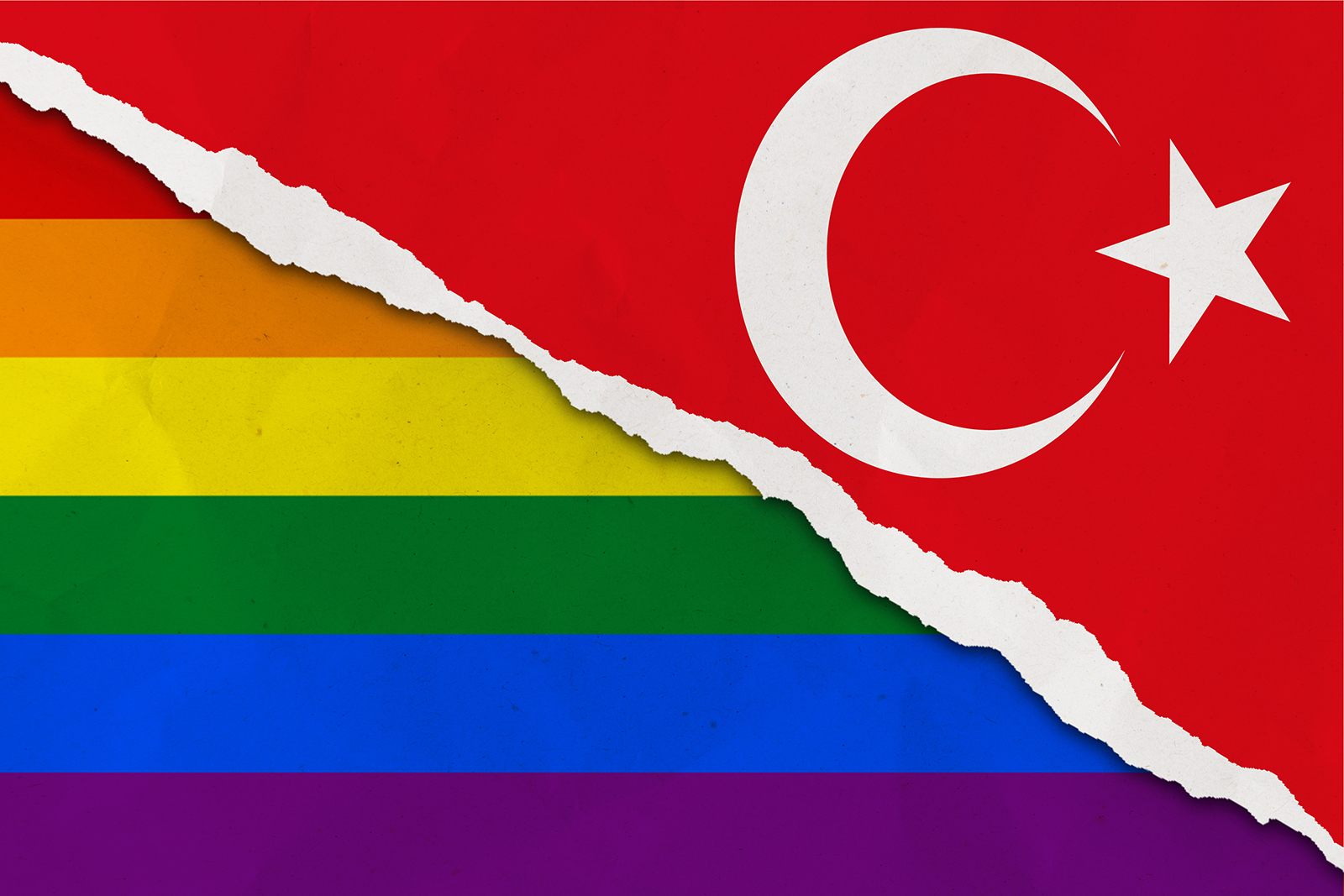
Islamist anti-gender actors in Turkey celebrated Donald Trump’s recent victory in the 2024 US presidential election. They believe it will reinforce a growing transnational backlash against gender equality and LGBTI+ rights. Didem Unal Abaday argues that Trump's return to power will indeed strengthen the global anti-gender movement The US election and resistance to gender ideology […] Read more
Natália Noskovičová
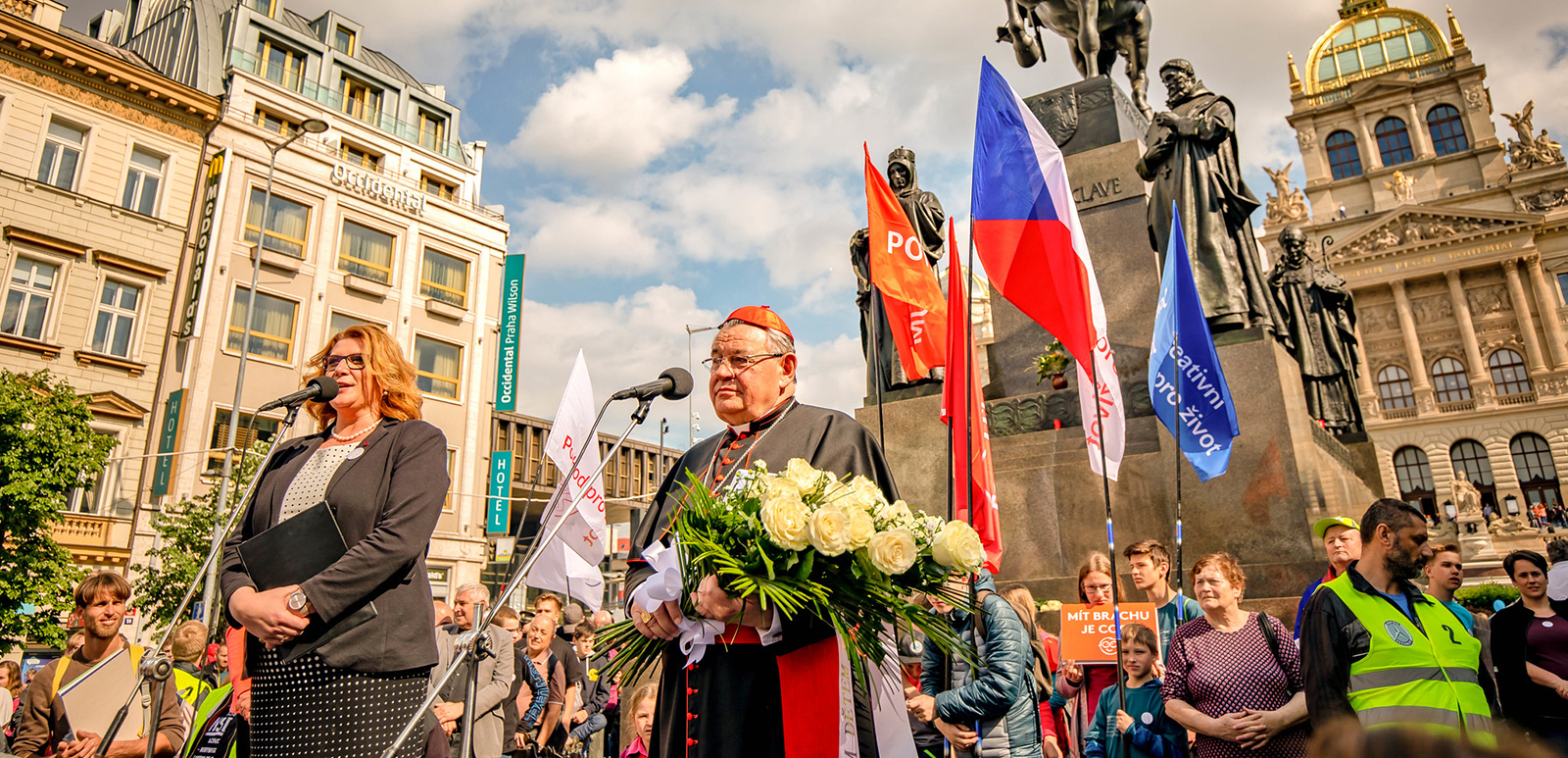
Two nations, one name, divergent paths: Natália Noskovičová delves into the illiberal mobilisations of the Czech and Slovak Alliances for Family and National Marches for Life. Here, she navigates the religious and secular strategies of anti-gender movements in the heart of Europe Read more
We use necessary cookies to make our site work. We'd also like to set analytics cookies that help us make improvements by measuring how you use the site. These will be set only if you accept.
▼
Strictly Necessary Cookies
Necessary cookies enable core functionality such as security, network management, and accessibility. You may disable these by changing your browser settings, but this may affect how the website functions.
▼
Analytics Cookies
Google Analytics
We'd like to set Google Analytics cookies to help us improve our website by collecting and reporting information on how you use it. The cookies collect information in a way that does not directly identify anyone. For more information on how these cookies work please see our Privacy Notice.