Jamie Withorne
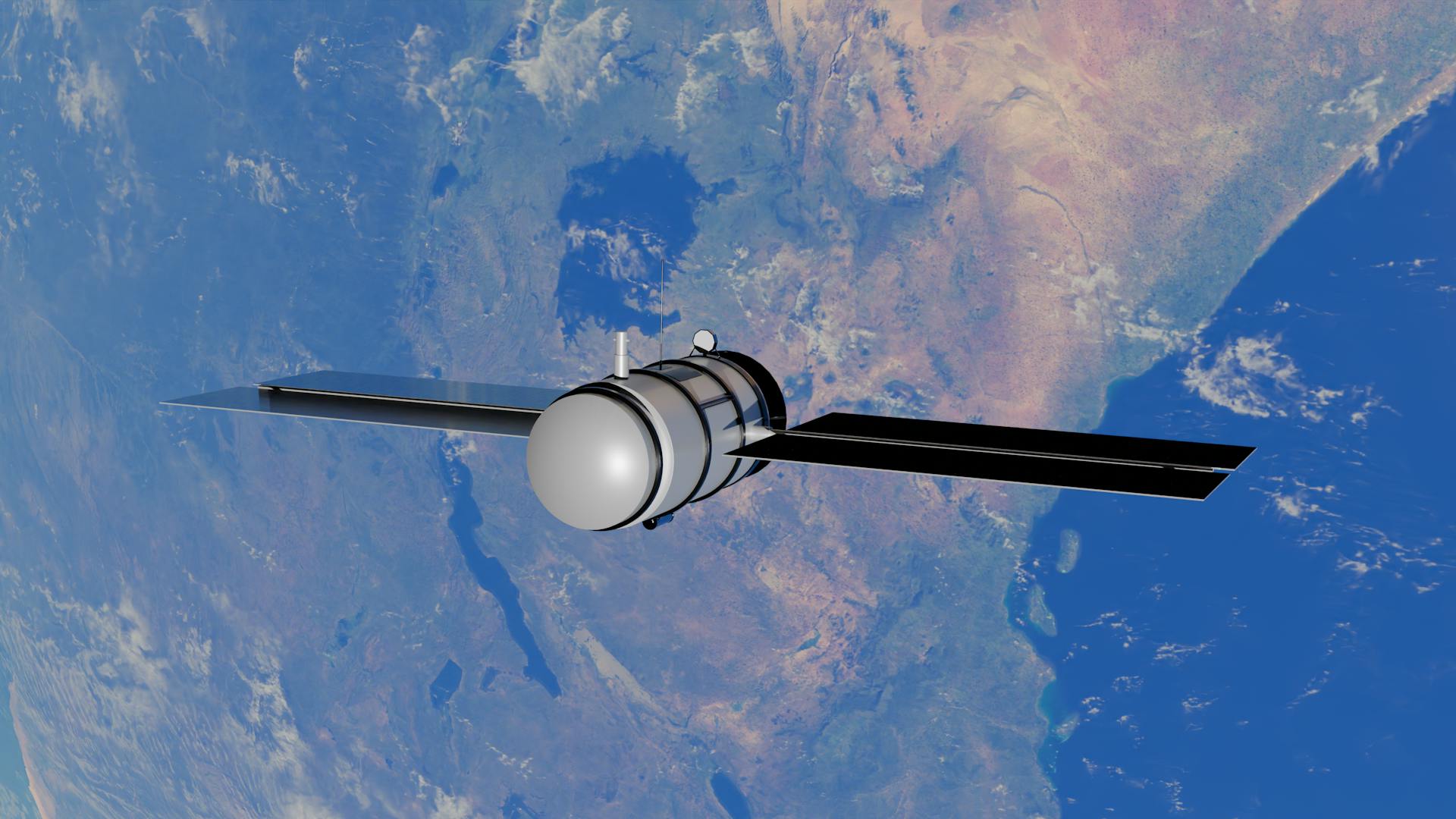
Technology is not a cure-all. But it can help reduce the risk of nuclear weapons crises. Jamie Withorne shows how increasingly accessible information can harness transparency and 'fact check' the credibility of nuclear threats Read more
Jason Tucker
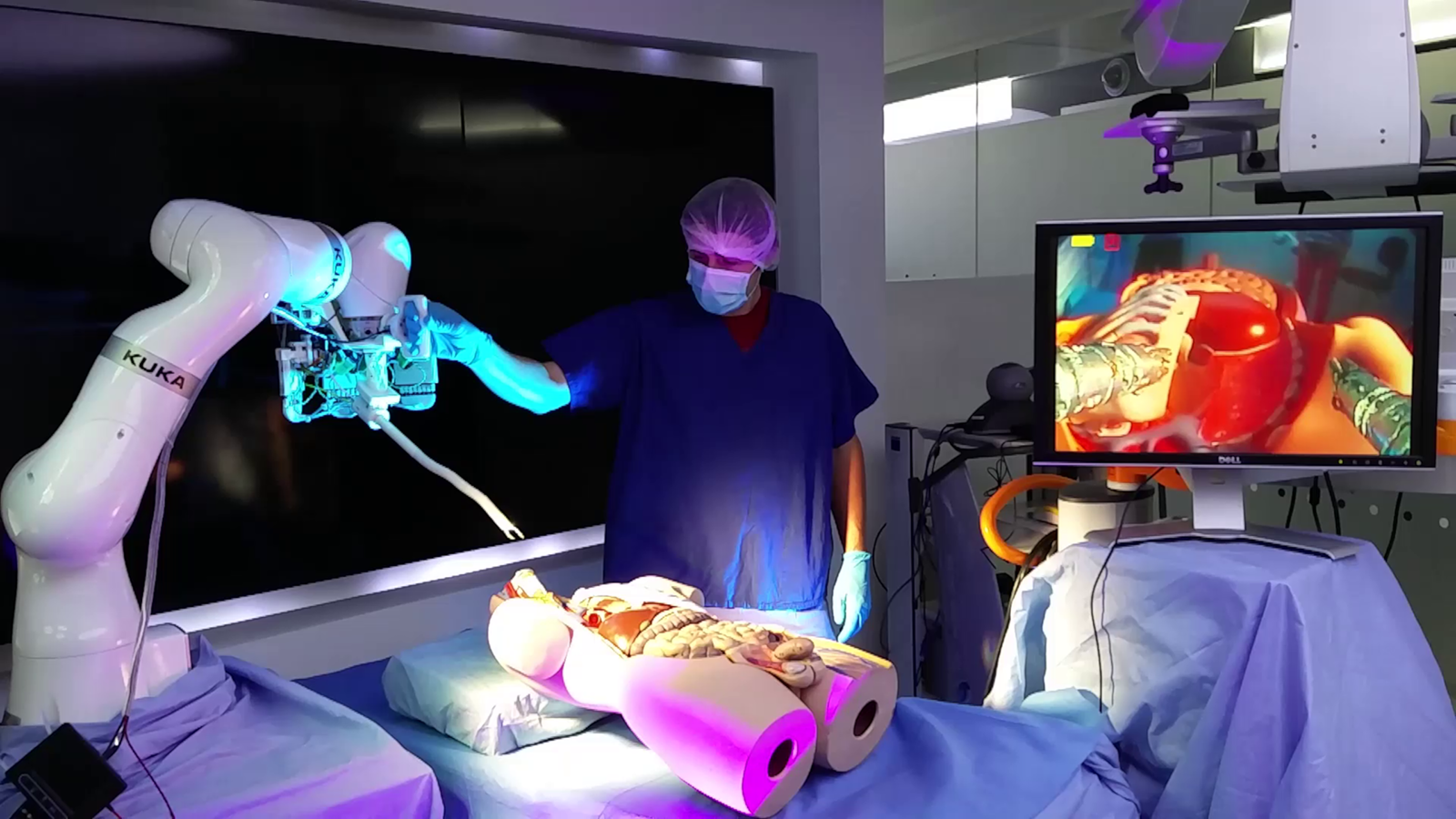
The promise of revolutionary advances in healthcare is not a mainstay of the EU’s artificial intelligence policies. Jason Tucker explores how the outcomes of the EU’s instrumentalisation of healthcare in the AI race doesn't look good for the waning political legitimacy of the EU Read more
Ruairidh Brown
The view that DeepSeek is a tool of Chinese censorship is, Ruairidh Brown argues, mistaken. The AI is not censoring but self-censoring, a crucial distinction for understanding its role in shaping political norms Read more
Stefan Messingschlager
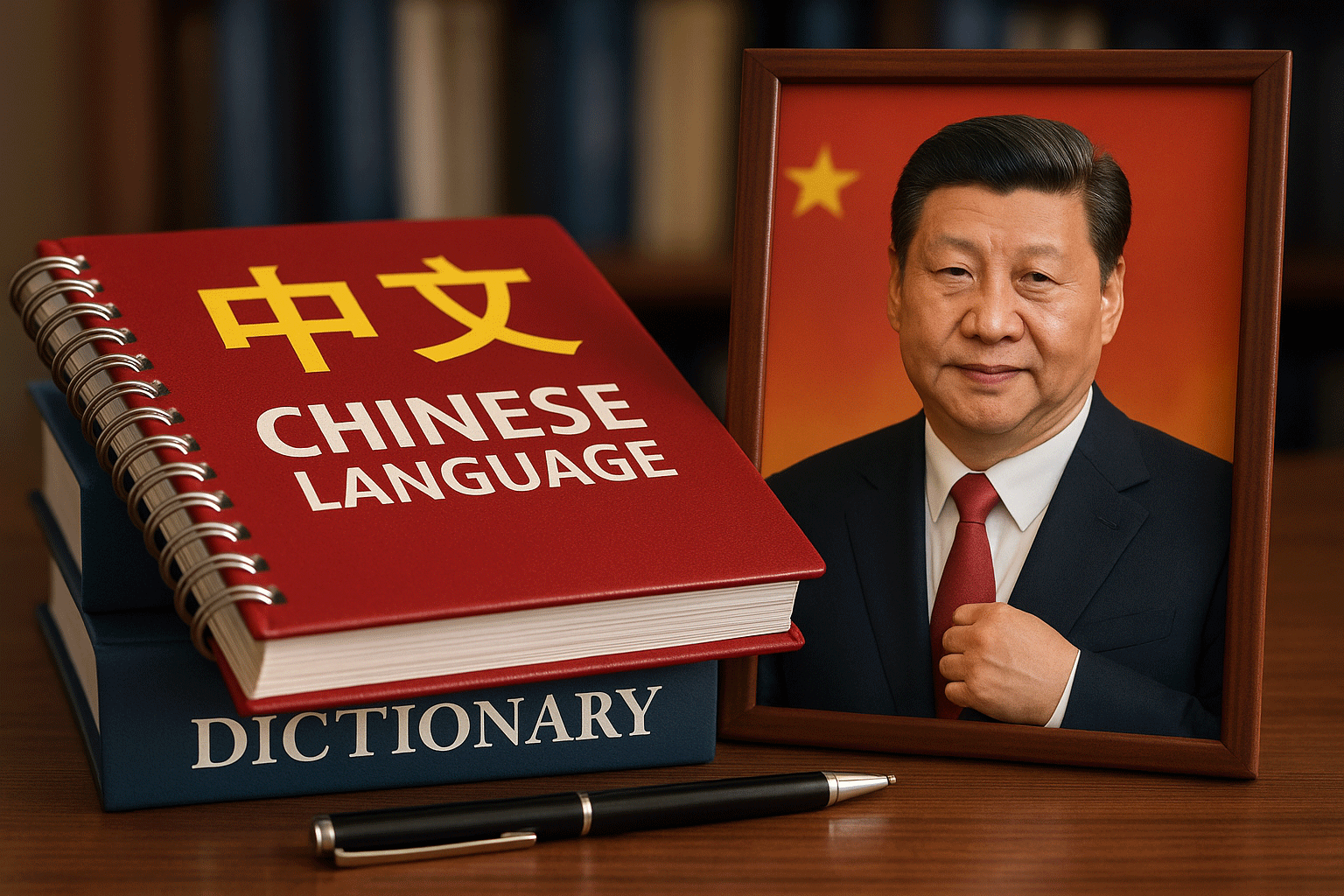
Western governments have armies of Mandarin speakers and AI translators, yet they keep misreading Beijing. What’s missing, as Stefan Messingschlager argues, is independent, context-rich expertise – people able to decode China’s history-laden signals and puncture bureaucratic groupthink. This kind of knowledge is strategic insurance every democracy needs before the next crisis hits Read more
Elif Davutoğlu
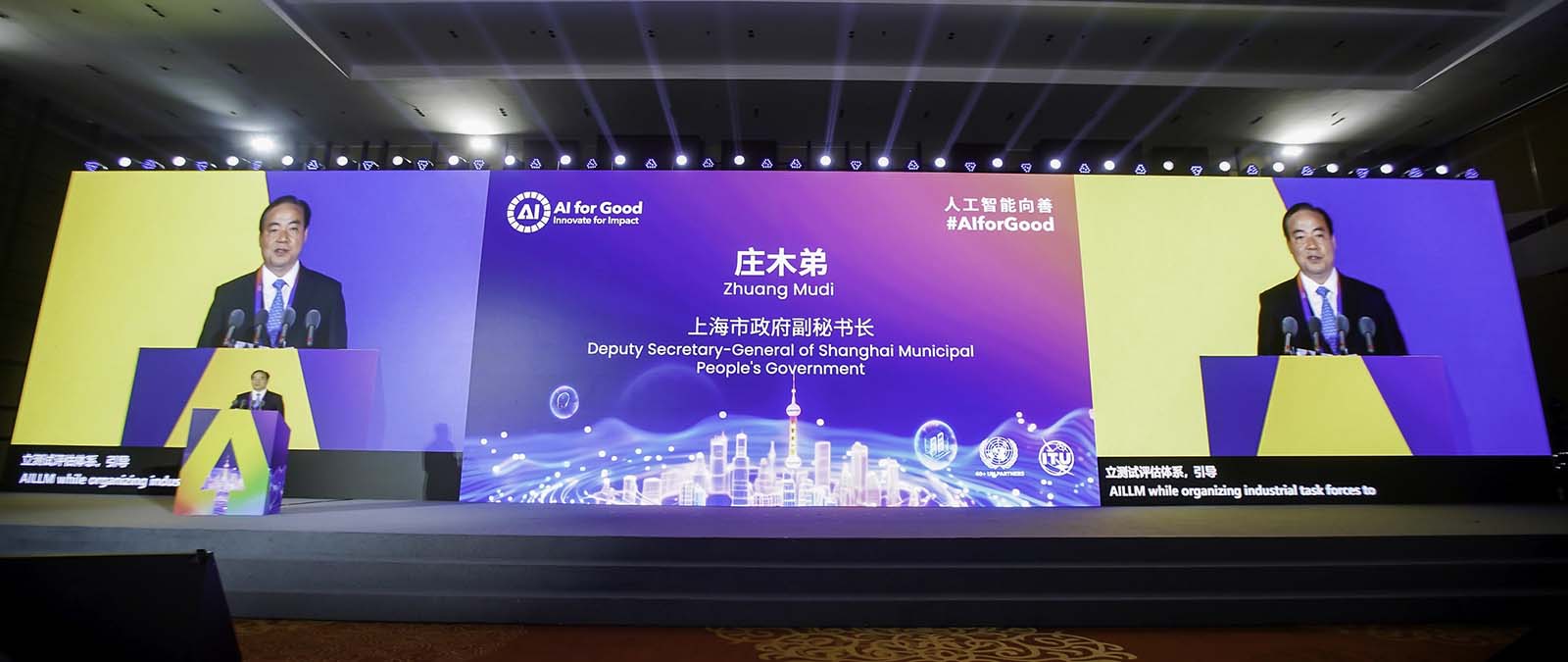
As the US and China unveil rival AI governance blueprints, Elif Davutoğlu explores how these policy visions reflect deeper geopolitical strategies. Framed as calls for innovation or cooperation, both documents signal a global legitimacy race in which AI governance becomes a battleground for shaping the future international order Read more
Tom Sauer
Nuclear weapons may no longer be credible deterrents in an era of hypersonic missiles and AI-driven warfare. Tom Sauer suggests that modern conventional weapons could ultimately replace nuclear arsenals, reshaping global security without risking nuclear annihilation Read more
Roland Benedikter
As part of its ambitious innovation strategy, the EU is focusing on developments in artificial intelligence, semiconductors, quantum tech, and advanced connectivity. Roland Benedikter argues that stronger transregional collaboration, and a holistic vision, will help make practical, inclusive progress in this exciting field Read more
Mateusz Łabuz
For years, the European Union has played the role of global regulator, setting standards and norms that often apply beyond its borders. Scholars have called this phenomenon the 'Brussels effect'. Today, however, argues Mateusz Łabuz, these norm-setting activities risk demonising the EU, and undermining its values Read more
We use necessary cookies to make our site work. We'd also like to set analytics cookies that help us make improvements by measuring how you use the site. These will be set only if you accept.
▼
Strictly Necessary Cookies
Necessary cookies enable core functionality such as security, network management, and accessibility. You may disable these by changing your browser settings, but this may affect how the website functions.
▼
Analytics Cookies
Google Analytics
We'd like to set Google Analytics cookies to help us improve our website by collecting and reporting information on how you use it. The cookies collect information in a way that does not directly identify anyone. For more information on how these cookies work please see our Privacy Notice.