AI companies often present their technologies as politically neutral. But as frontier models become intertwined with national security strategies, neutrality is giving way to a new reality: AI as a core instrument of state power, writes Elif Davutoğlu
Matthew E Bergman reveals how so-called valence populism (populism focused on competence and good governance rather than ideology) has a potential electoral disadvantage. While non-ideological messages that focus on good governance may broaden electoral appeal, lacking an ideological core can also cost votes. The fortunes of Italy’s Five-Star Movement offer a cautionary tale
Democratic legitimacy runs on citizens’ trust in public institutions. We often assume citizens critically monitor their institutions, only granting trust when they perform well. However, Linde Stals and Carmen van Alebeek show that much of this institutional trust is learned, rather than earned. Their findings raise important questions about democratic accountability
In countries experiencing democratic backsliding, opposition MPs must confront not only the crisis of political representation but also structural constraints that limit their influence. Drawing on research in Hungary, Annamária Sebestyén argues that in such circumstances opposition MPs develop innovative strategies to remain politically relevant, but these have clear limits
Tech leaders compare AI’s electricity demand to the energy needed to ‘train a human’. In doing so, they judge people and server racks by the same dehumanising efficiency metric. Soumi Banerjee and Mo Hamza explain how this logic is most brutally realised in planetary AI supply chains; in the hidden work that makes 'intelligent' machines seem autonomous
Under growing public scrutiny and growing demands for public communication, how does the European Commission respond to various political pressures? Drawing on two new studies, Radu-Mihai Triculescu, Leonce Röth, Christoph Ivanusch and Klaus H. Goetz show how the European Commission balances and communicatively addresses problem and public pressures in migration and asylum policy
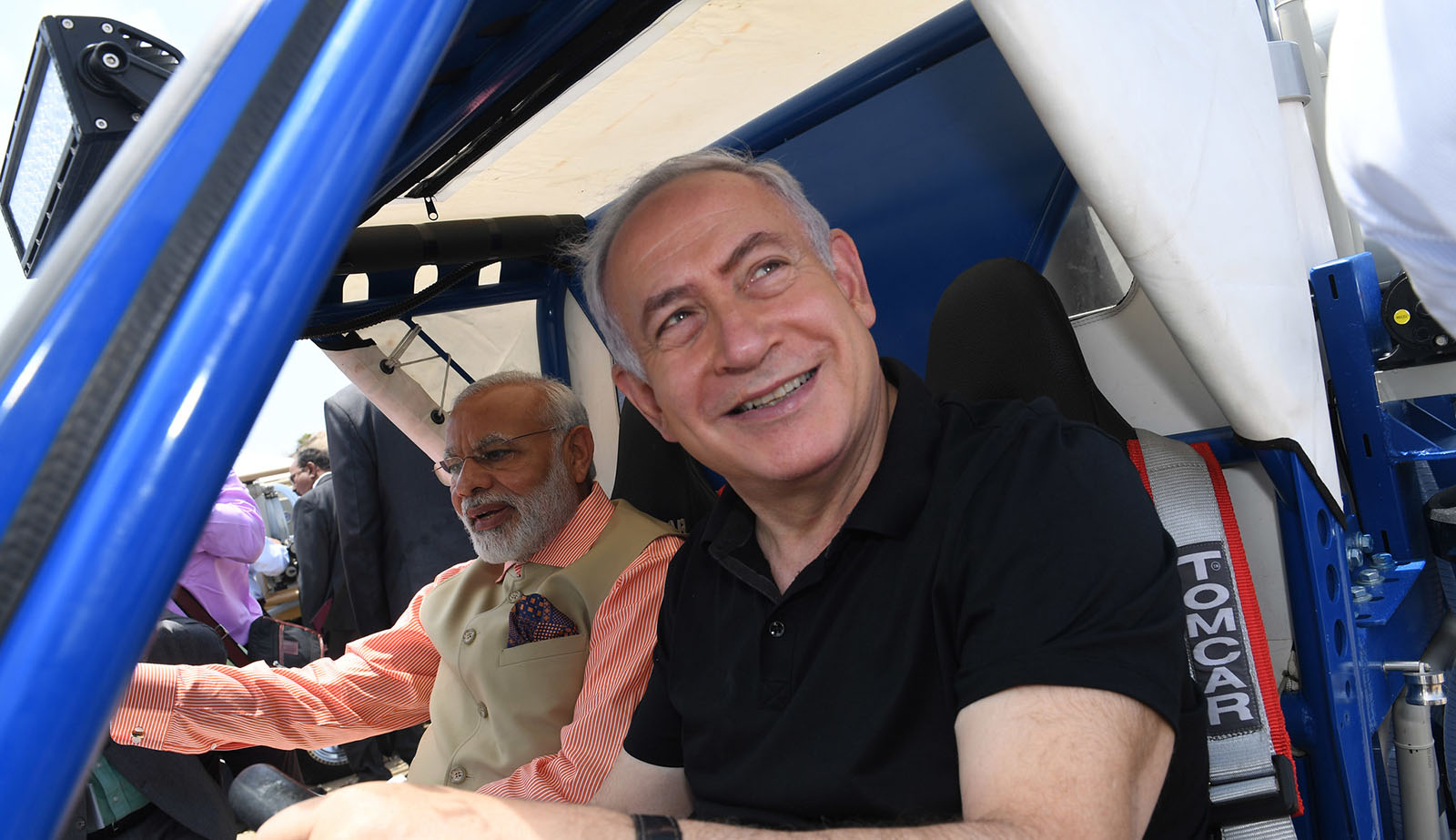
India sits precariously in this US-Israel-led war against its old regional partner Iran. This, says Sonia Sarkar, is because of Hindu supremacist Prime Minister Narendra Modi’s proximity to Israel's leader Benjamin Netanyahu
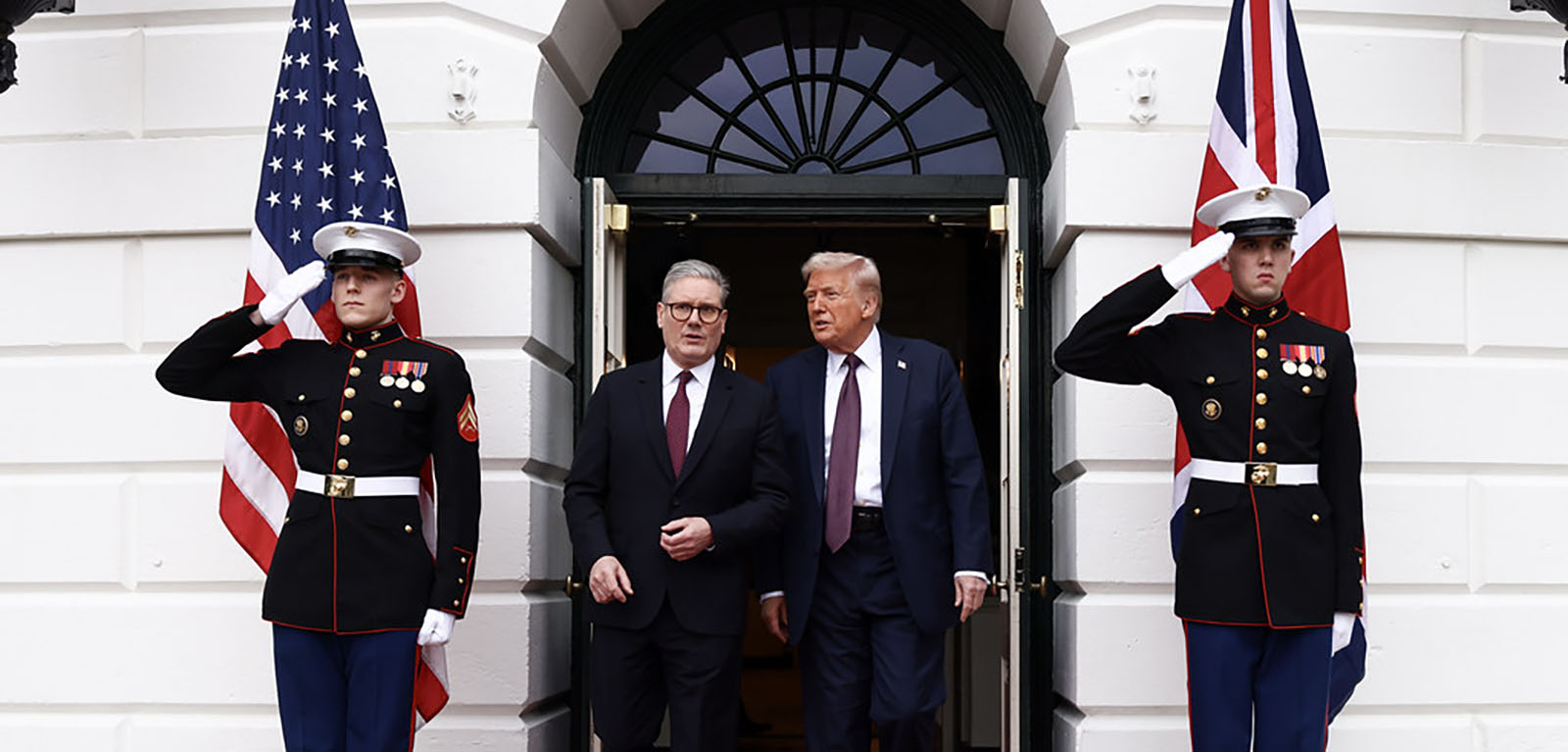
Trump’s dismissal of Keir Starmer as 'no Churchill' cuts Britain deep, argues Ruairidh Brown. His open contempt strikes at the heart of Britain’s post-imperial anxiety
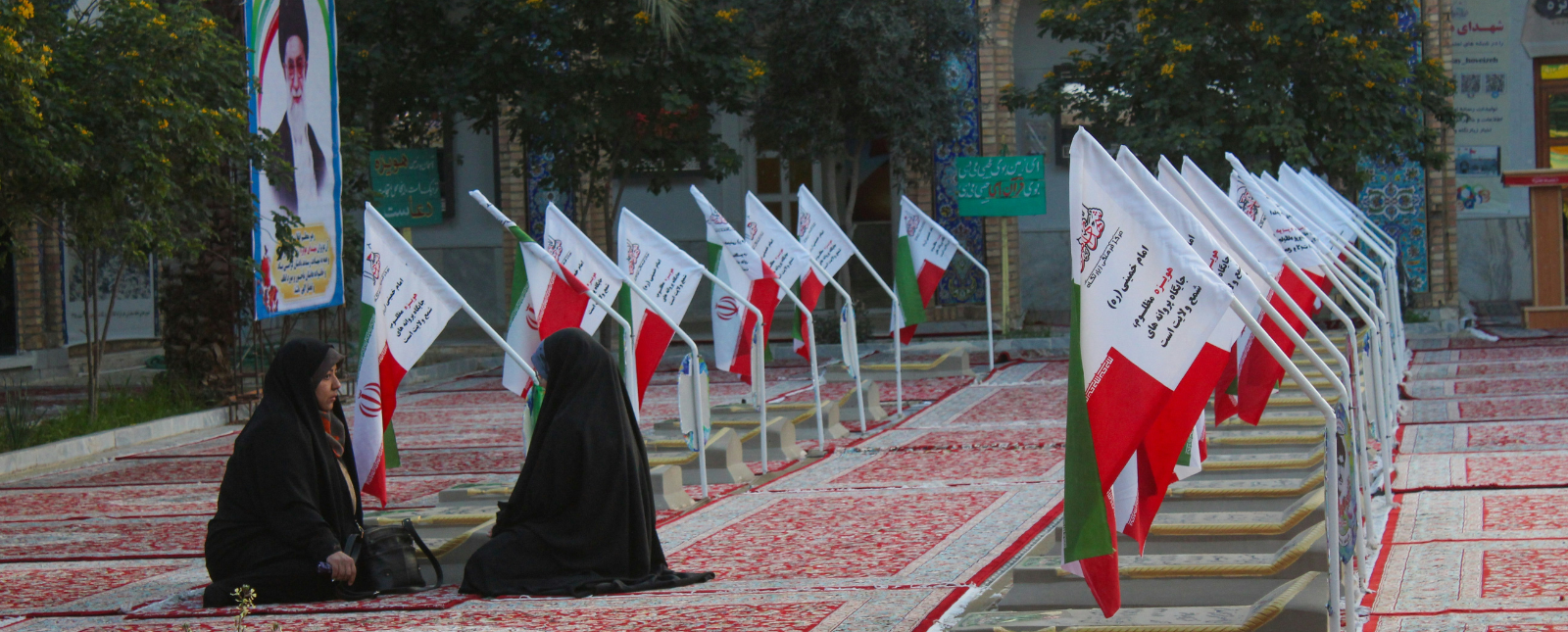
Predictions of regime collapse in Iran often misunderstand the Islamic Republic’s internal mechanics, says Williamkery Gaddam. Authority is not centralised but distributed among clerical bodies, security organisations, and political institutions. This enables the regime to manage elite competition and absorb external shocks, making externally driven transformation far harder than many observers assume
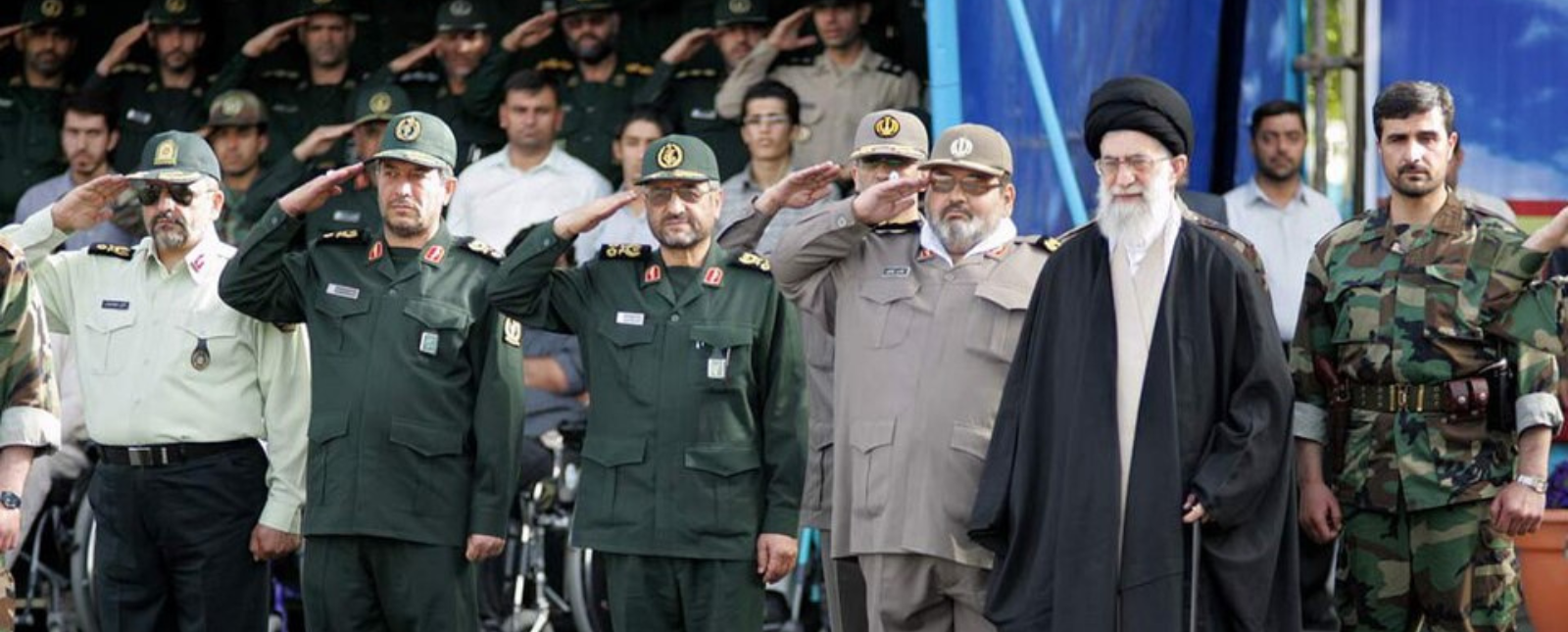
The attack on Iran by Israel and the US can be seen as an attempt to force regime change. Yet, says Cristian Pîrvulescu, authoritarian regimes rarely collapse when leaders fall. Systems built around institutions often survive because they reproduce power through structures that organise coercion and coordinate elites
We use cookies to ensure that we give you the best experience on our website. If you continue to use this site we will assume that you are happy with it.