At the start of 2026, a meme dubbed the 'nihilist penguin' went viral. But populist media pages and extreme-right accounts soon began using edits of the meme to spread nationalist and exclusionary content. Federico Taddei argues that when the alt-right exploits them, even seemingly apolitical social media trends can carry serious political implications
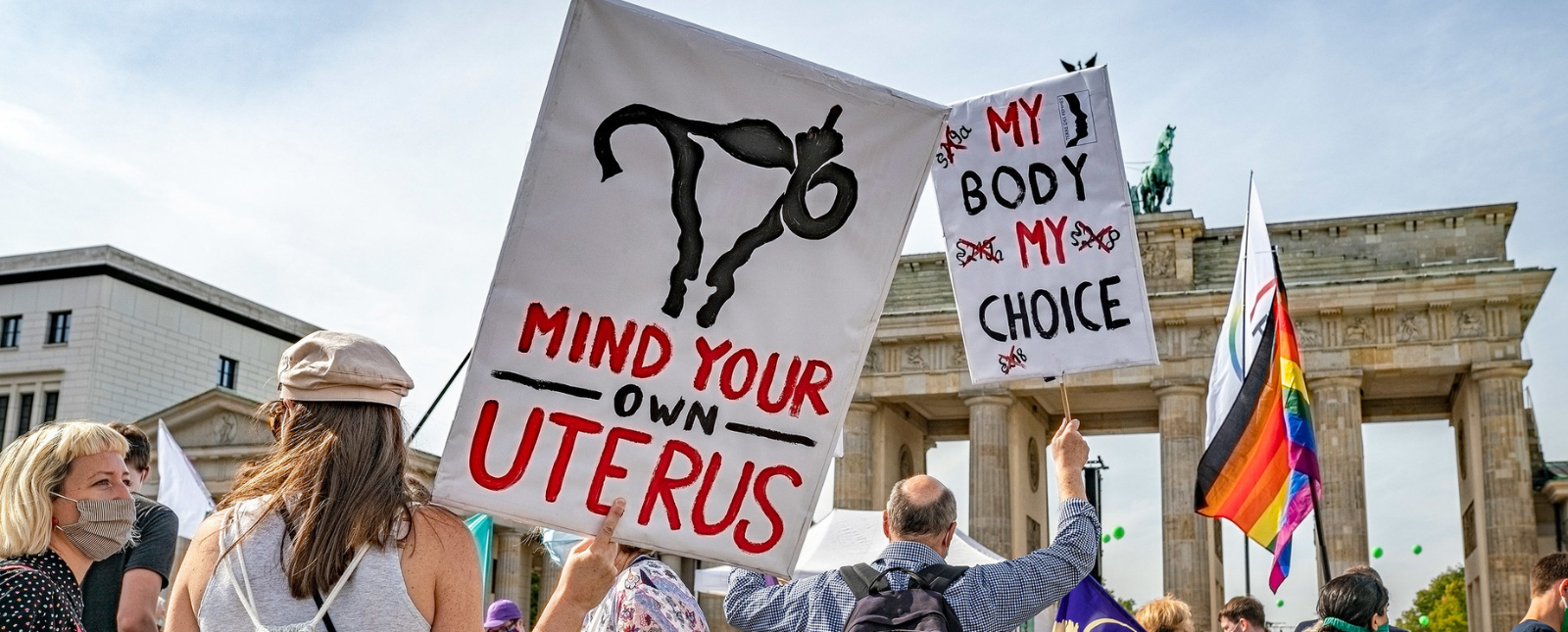
Germany recently passed incremental liberalisations to its abortion law. Yet access to abortion remains under threat, and far-right and conservative forces blocked its partial legalisation. Lisa Brünig explains how the erosion of reproductive rights in Germany is symptomatic of broader democratic backsliding
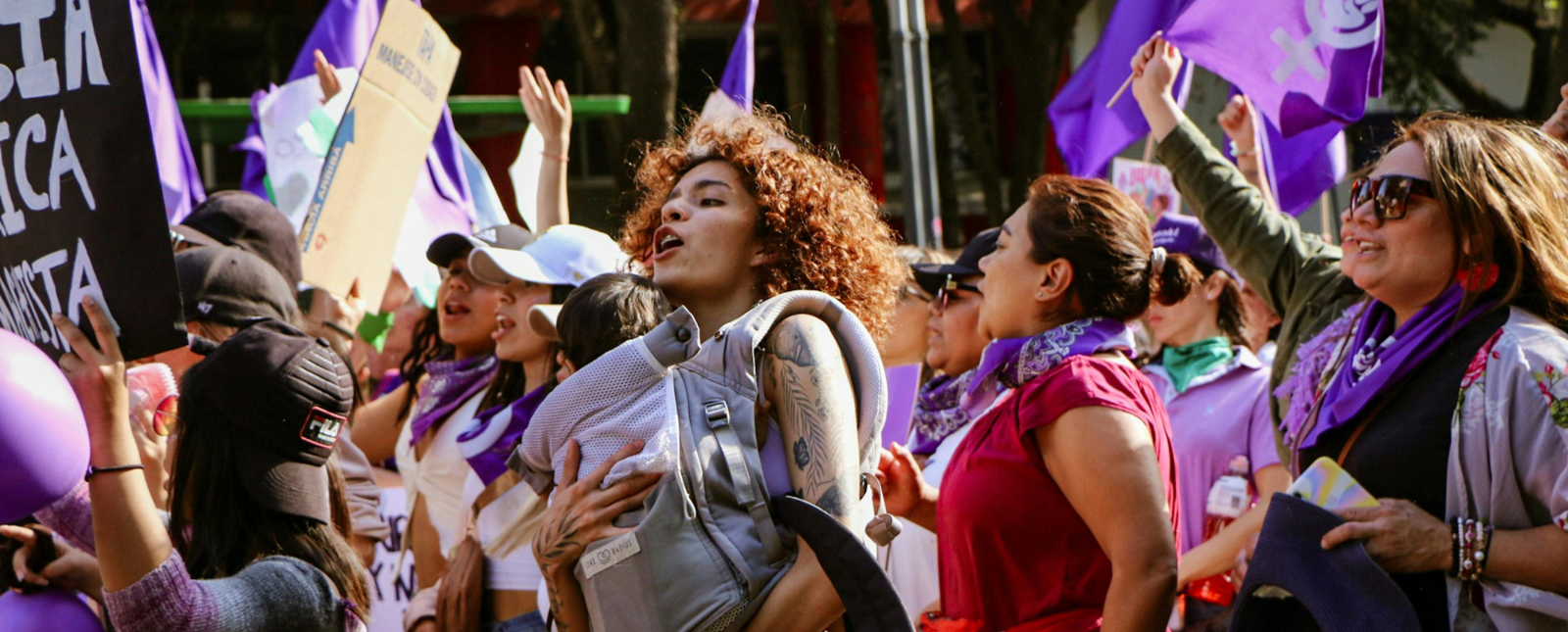
A radical feminist politics of kinship asks us to interrogate the roots of how we live together: how we form families, share resources, and imagine belonging. At stake, says Víctor Hugo Ramírez García is not only gender equality, but the future of democracy itself
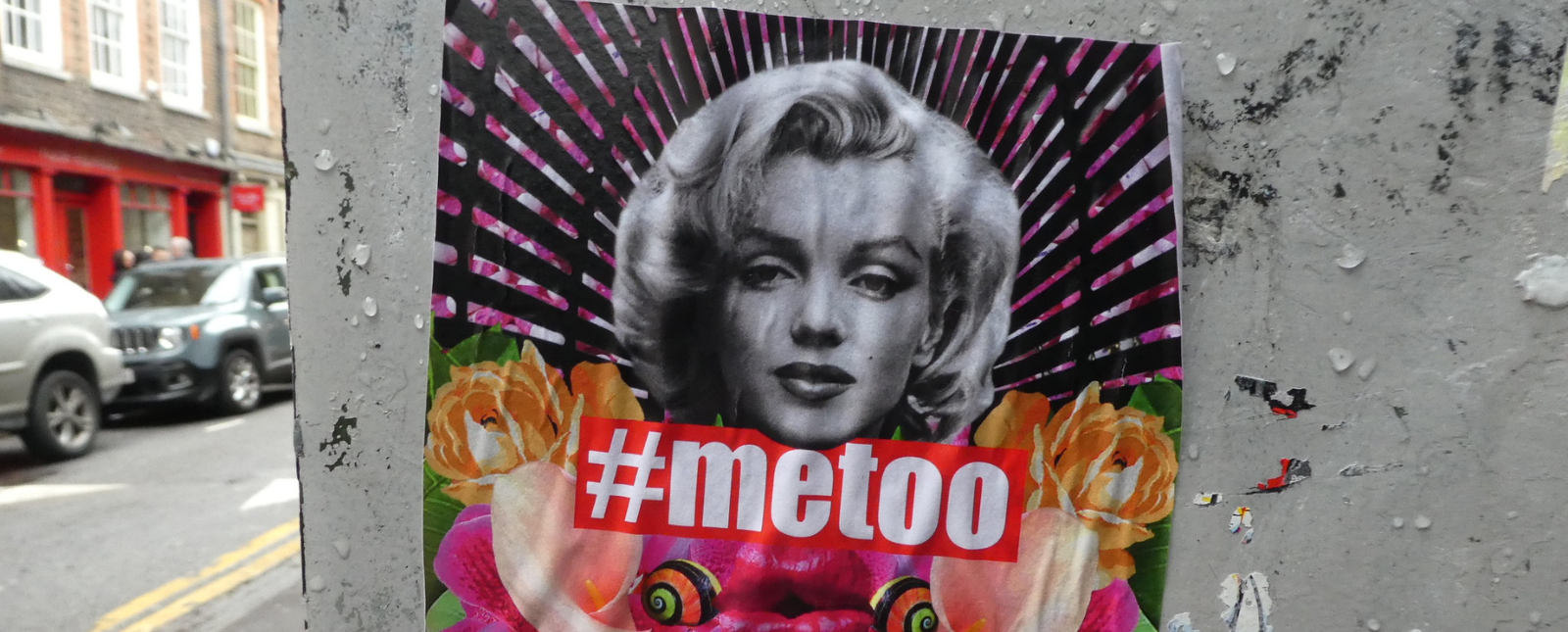
For decades, activists have worked to end gender-based violence through grassroots organising, legal challenges, and public education. But Eiman Alabdulghani’s research suggests that the digital world represents a powerful new front. Social media hashtags can spark global movements, and citizen journalists can hold power to account in ways previously unimaginable
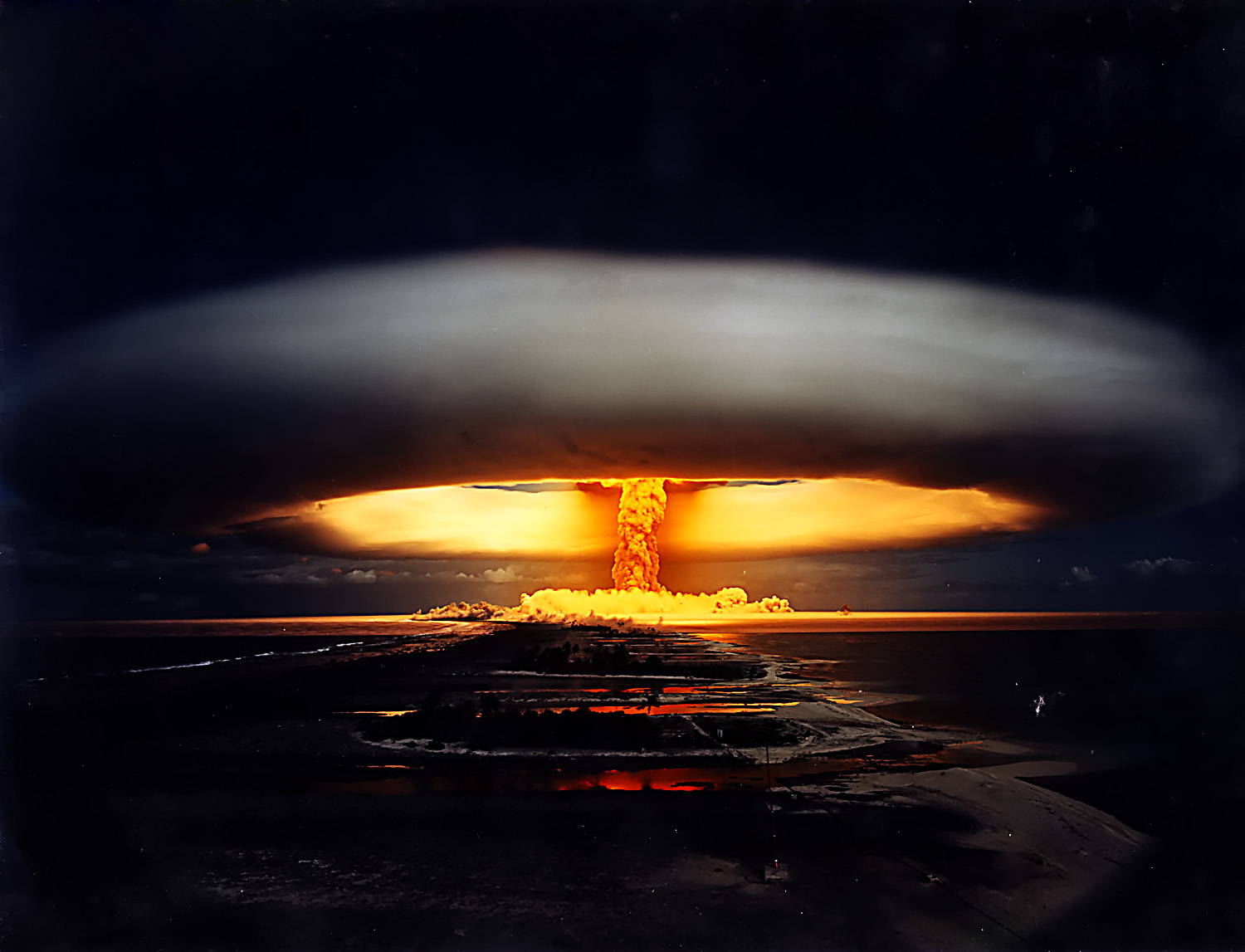
The US has accused China of carrying out a 'yield-producing' nuclear test in 2020 – but the global test-ban monitor found no supporting evidence. Syeda Saba Batool argues that the dispute matters anyway: such allegations can be used to pressure China into talks – and to normalise a possible US return to testing
In recent years, many nations have reprioritised efforts to address extremism and violence emerging from social, political, and religious views and beliefs. Yet, says Valarie Findlay, despite decades of research, governments and institutions still struggle with the definitions, methods, and criteria for preventing extremism
Gender equality is a fundamental EU value and a condition for the accession of new members. Yet political parties in Western Balkan candidate countries rarely prioritise it. Klaudia Koxha explains why: parties respond when Brussels and voters agree, but go quiet when their positions clash, especially on LGBTQ+ rights
The Science of Democracy 2.0 challenges current uses of the term 'democracy'. Yida Zhai argues that these uses are not universal but culturally specific. This, he says, makes them inadequate for describing the political realities of the human species as a whole
Since 2014, Russian society has become increasingly reliant on militaristic forms of self-expression. Eban Raymond argues that Russian national identity is beset by a lack of security and depends on defining itself in opposition to Ukraine, perpetuating armed aggression and making a durable peace a distant dream
Bad Bunny’s Super Bowl halftime performance was a celebration of Latin American culture and a rebuke of US imperial power. Yet, argue Agnese Pacciardi and Priscyll Anctil Avoine, the excitement it sparked risks obscuring the corporate, extractive structures that made the show possible, and profitable
We use cookies to ensure that we give you the best experience on our website. If you continue to use this site we will assume that you are happy with it.