Denis Cenusa
Russia’s hybrid tactics — emboldening sovereigntist populism, spreading disinformation, and weaponising economic hardship — threaten EU enlargement. Countermeasures, argues Denis Cenusa, are thus essential to protecting the enlargement process and the Union’s strategic resilience Read more
Aly Verjee
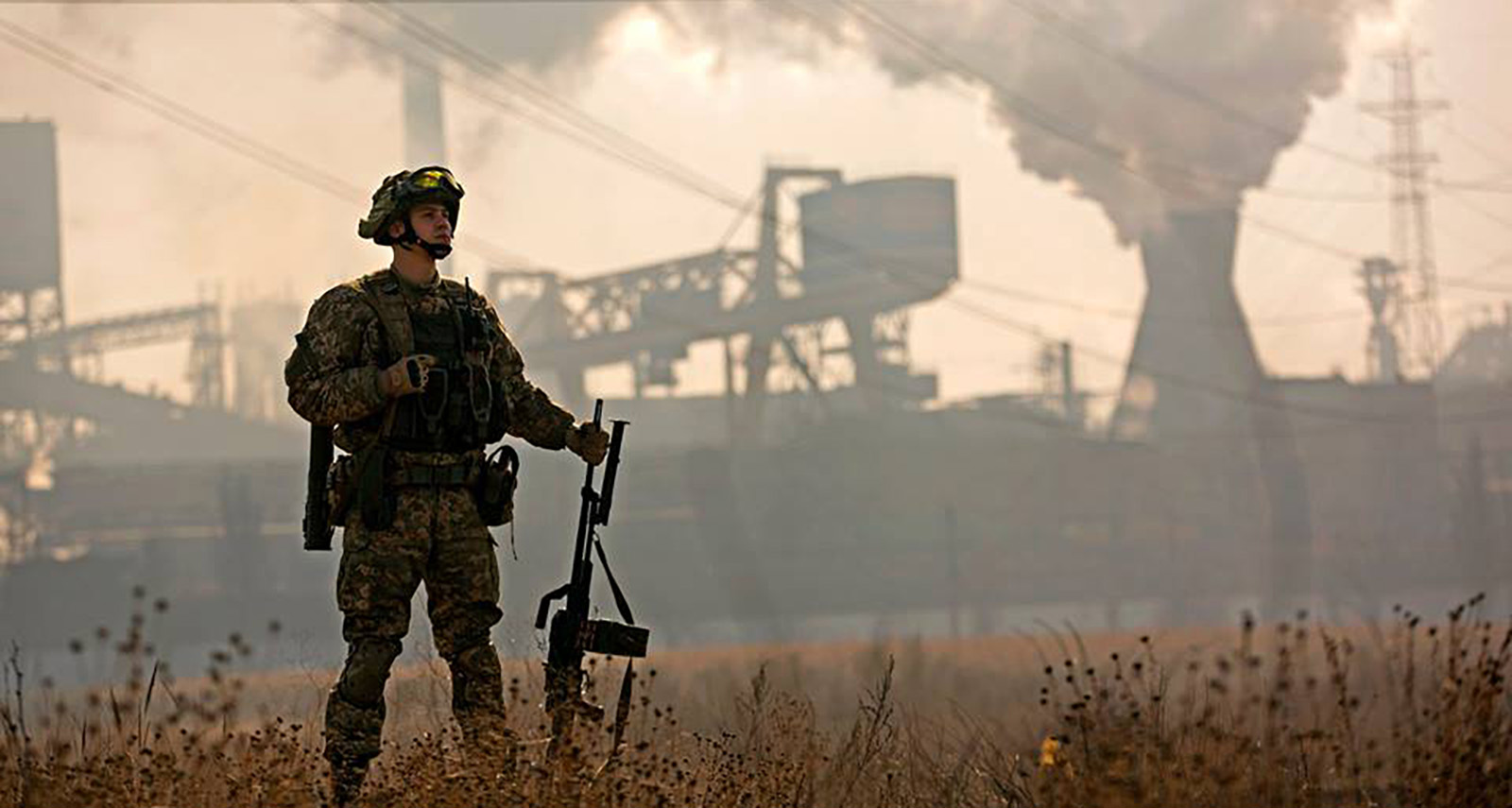
Aly Verjee and Valerie Sticher argue that an international monitoring mission could bolster a ceasefire. But any new ceasefire faces serious challenges, and will hold only if all parties heed the experience of past monitoring efforts in eastern Ukraine Read more
Paul Whiteley
The row in the White House between Presidents Trump and Zelenskyy shocked the world. It threatens the transatlantic alliance between the US and Europe. However, Paul Whiteley argues that Trump may be unwittingly creating a situation which will see the United States weaker and more isolated in the long term Read more
John Chin
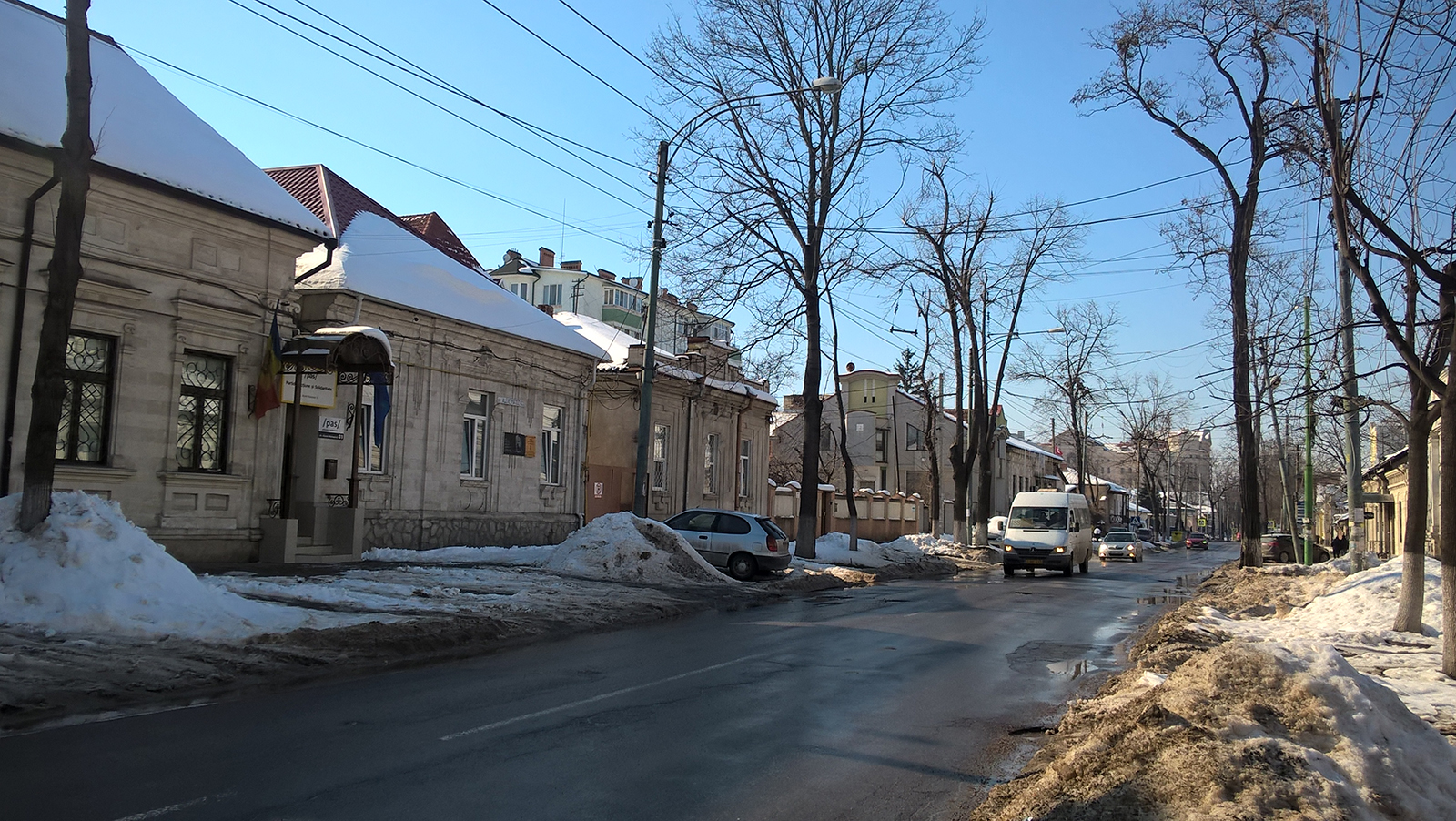
Winter is coming to Chișinău. On 1 January, Moscow cut off all gas exports to the former Soviet state of Moldova. John Chin and Noel Overby put this Russian energy embargo in the context of ongoing Moldovan resistance to a protracted Russian sharp power campaign Read more
Luis Schenoni
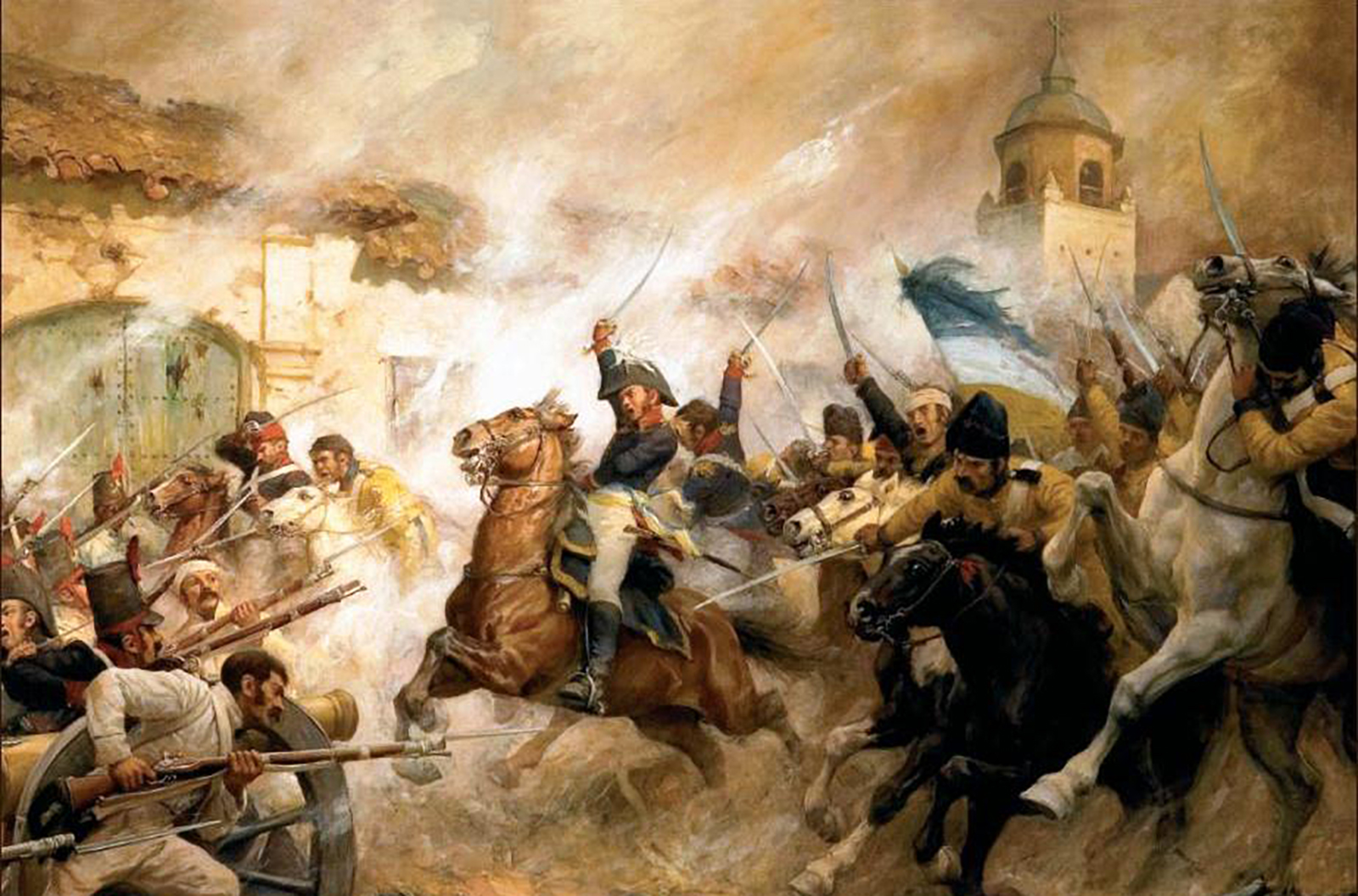
Once the Russia-Ukraine war ends, perceptions of victory and defeat will affect not only the stability of those states' political regimes but the capacity of the state in the long term, says Luis Schenoni. Using examples from nineteenth-century Latin America, he argues that the effects of war outcomes on security and the rule of law will endure for decades Read more
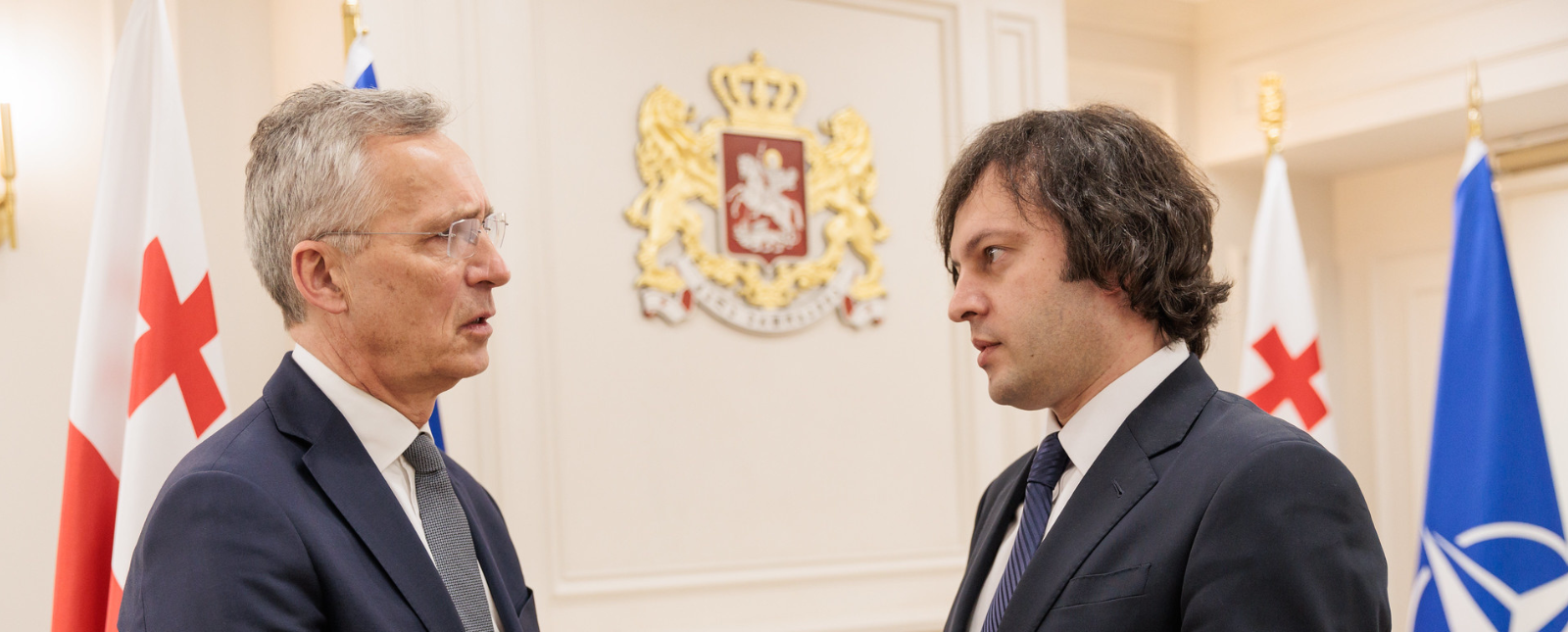
Francesco Foti
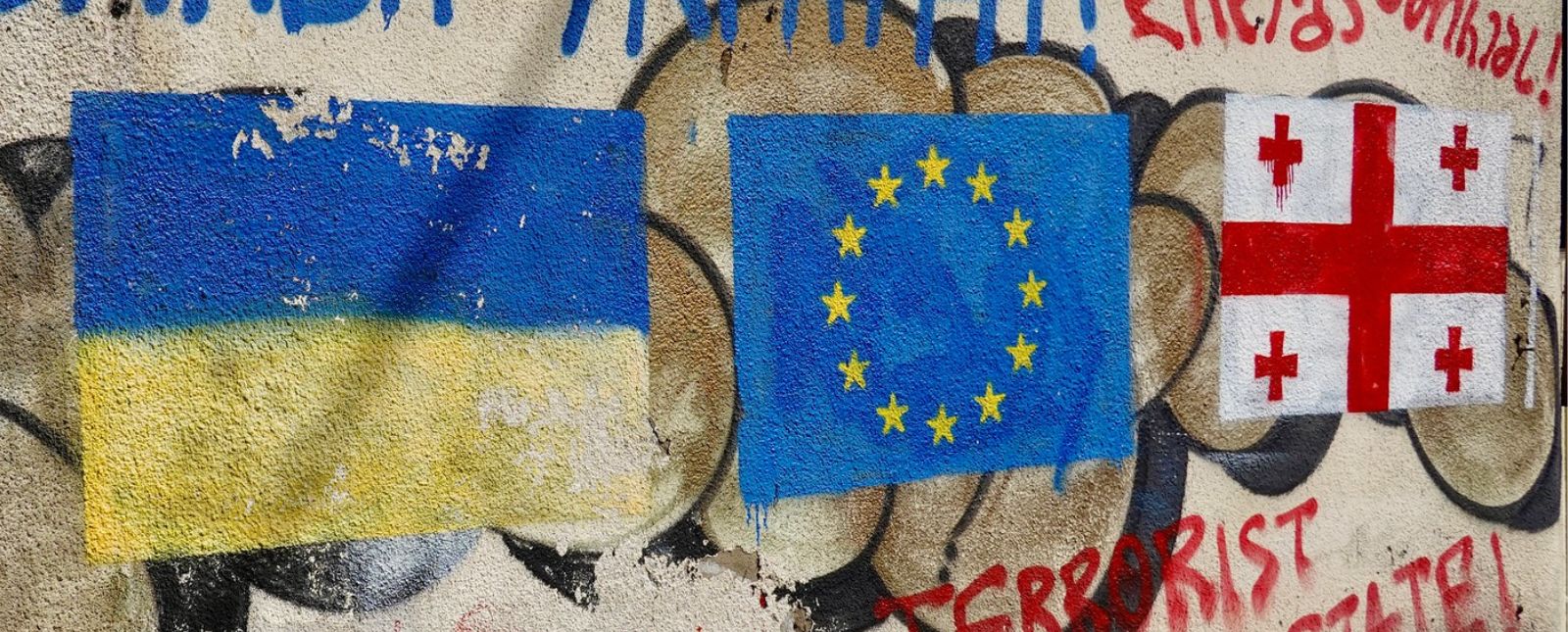
The West is failing to invest against Russian encroachment in Georgia, choosing instead to break relations. Francesco Foti argues that Western disengagement will prove a serious obstacle to Georgia realigning with the West. Read more
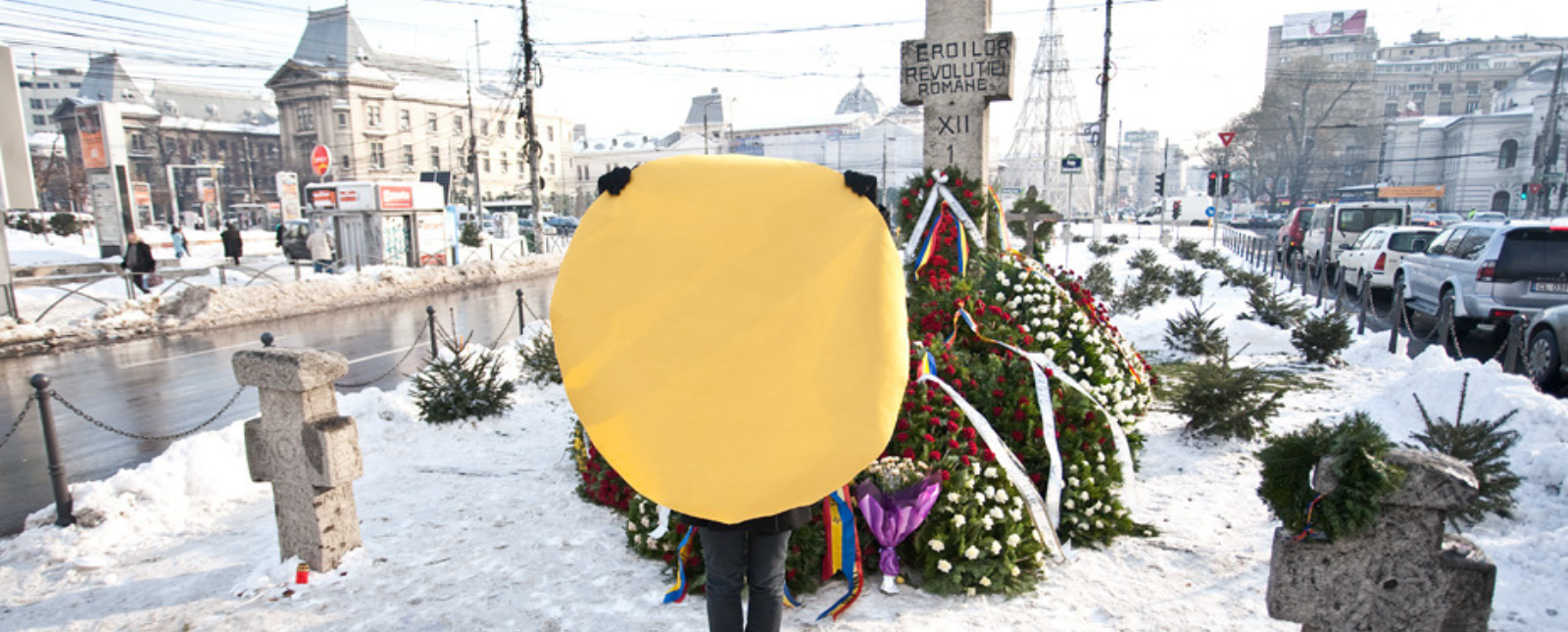
John Chin
Romania’s Constitutional Court has annulled the country's recent presidential elections, alleging Russian meddling. John Chin, Mirren Hibbert and Staten Rector argue that its decision raises profound questions about the legacy of Romania’s 1989 revolution, and the future of democracy and Western influence in this frontline state Read more
Tom Johansmeyer
Russia’s national security strategy shows a change in tone on the issue of foreign technology – from self-reliance to reluctant re-engagement. This, argues Tom Johansmeyer, may not affect the war but could feed a stable peace afterwards. Read more
We use necessary cookies to make our site work. We'd also like to set analytics cookies that help us make improvements by measuring how you use the site. These will be set only if you accept.
▼
Strictly Necessary Cookies
Necessary cookies enable core functionality such as security, network management, and accessibility. You may disable these by changing your browser settings, but this may affect how the website functions.
▼
Analytics Cookies
Google Analytics
We'd like to set Google Analytics cookies to help us improve our website by collecting and reporting information on how you use it. The cookies collect information in a way that does not directly identify anyone. For more information on how these cookies work please see our Privacy Notice.