Aly Verjee
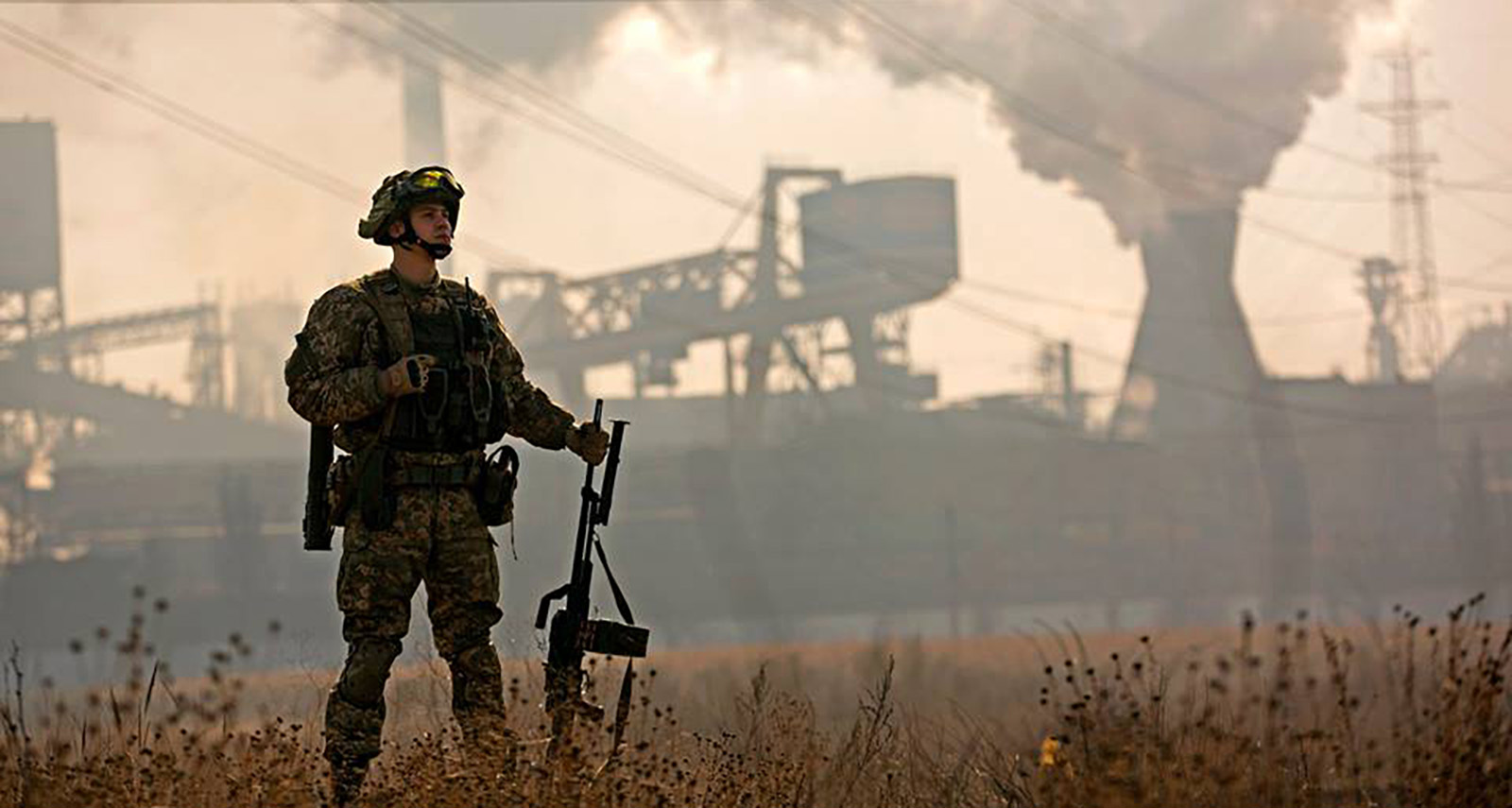
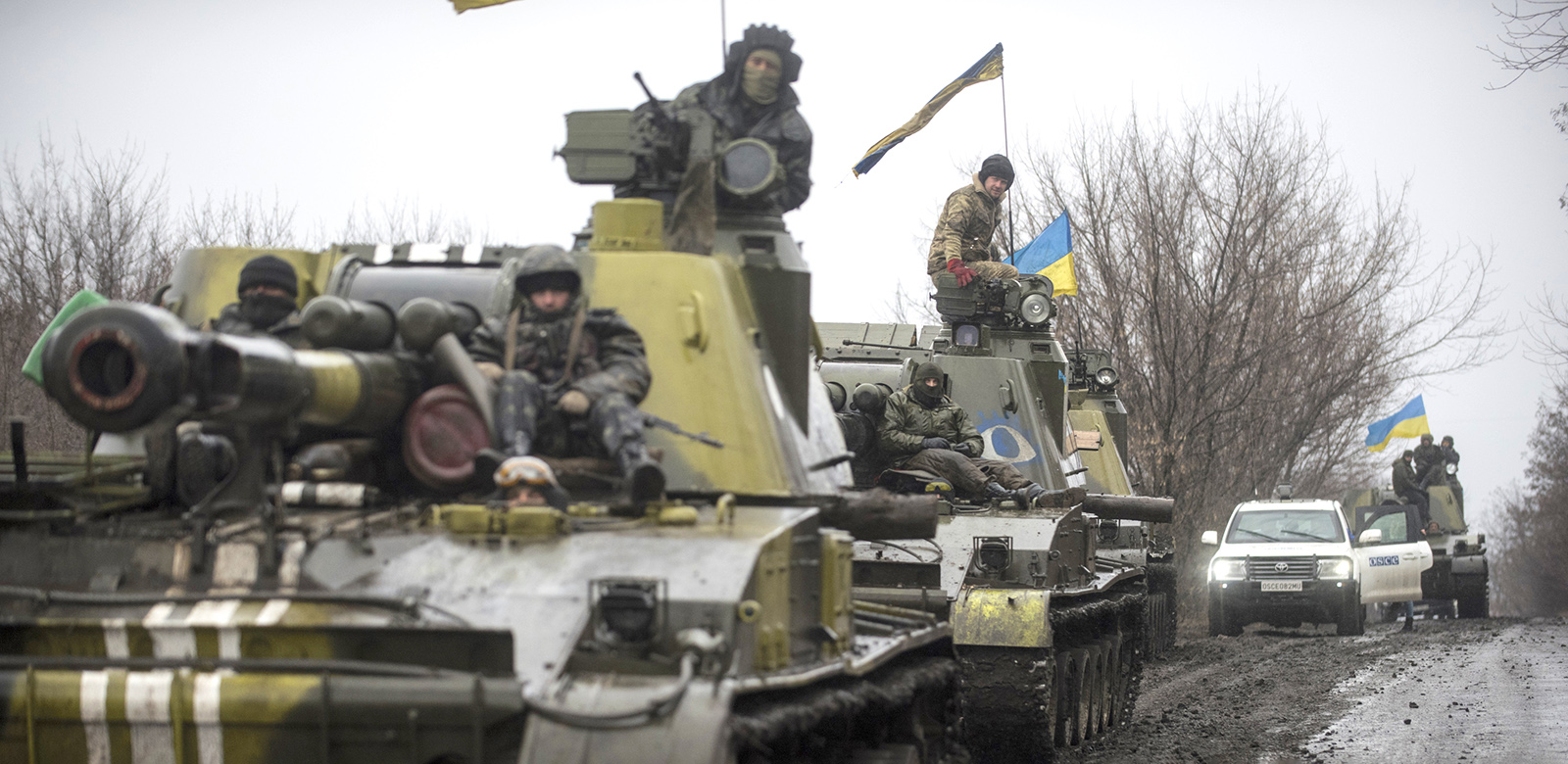
Aly Verjee and Valerie Sticher argue that an international monitoring mission could bolster a ceasefire. But any new ceasefire faces serious challenges, and will hold only if all parties heed the experience of past monitoring efforts in eastern Ukraine Read more
Paul Whiteley
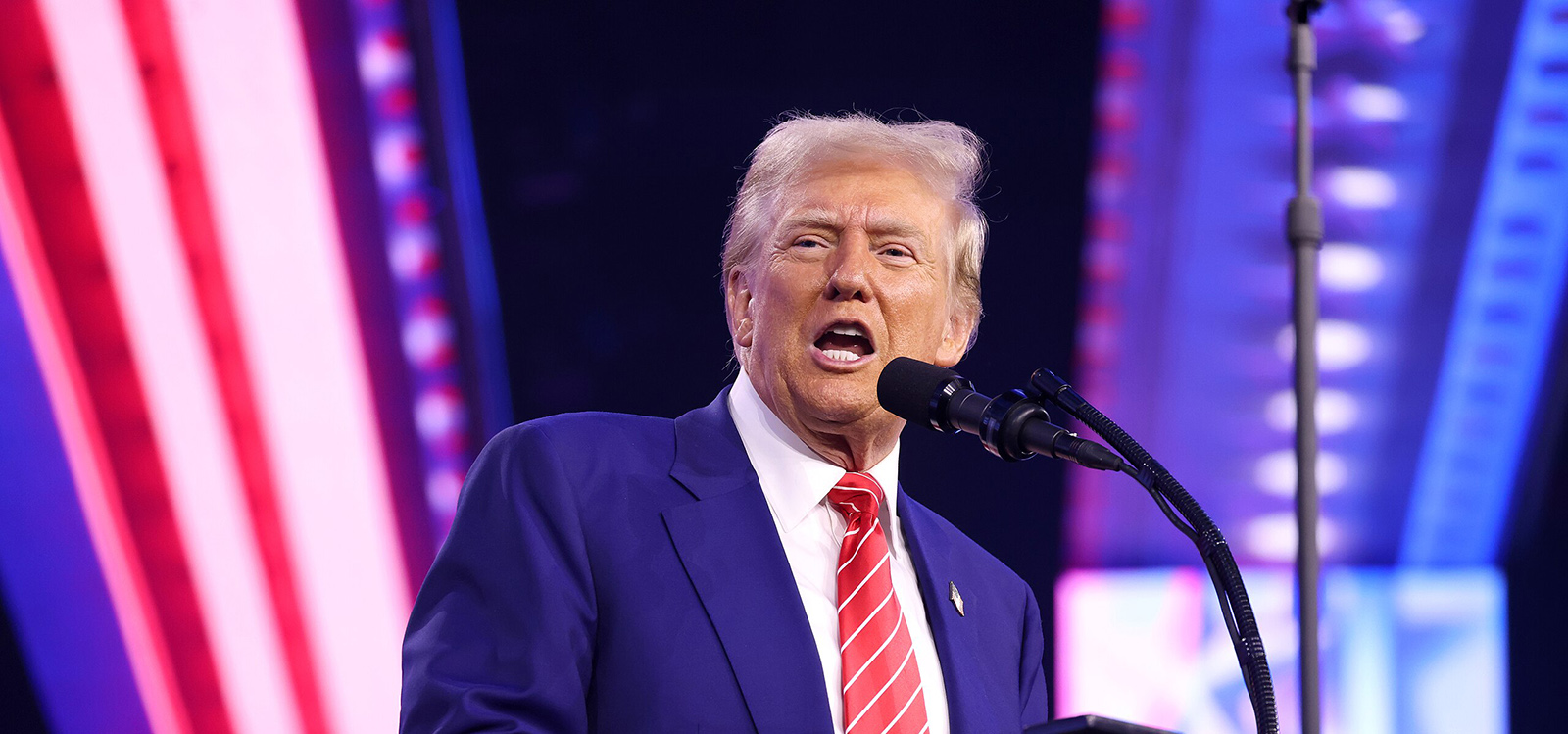
The row in the White House between Presidents Trump and Zelenskyy shocked the world. It threatens the transatlantic alliance between the US and Europe. However, Paul Whiteley argues that Trump may be unwittingly creating a situation which will see the United States weaker and more isolated in the long term Read more
Stella Ladi
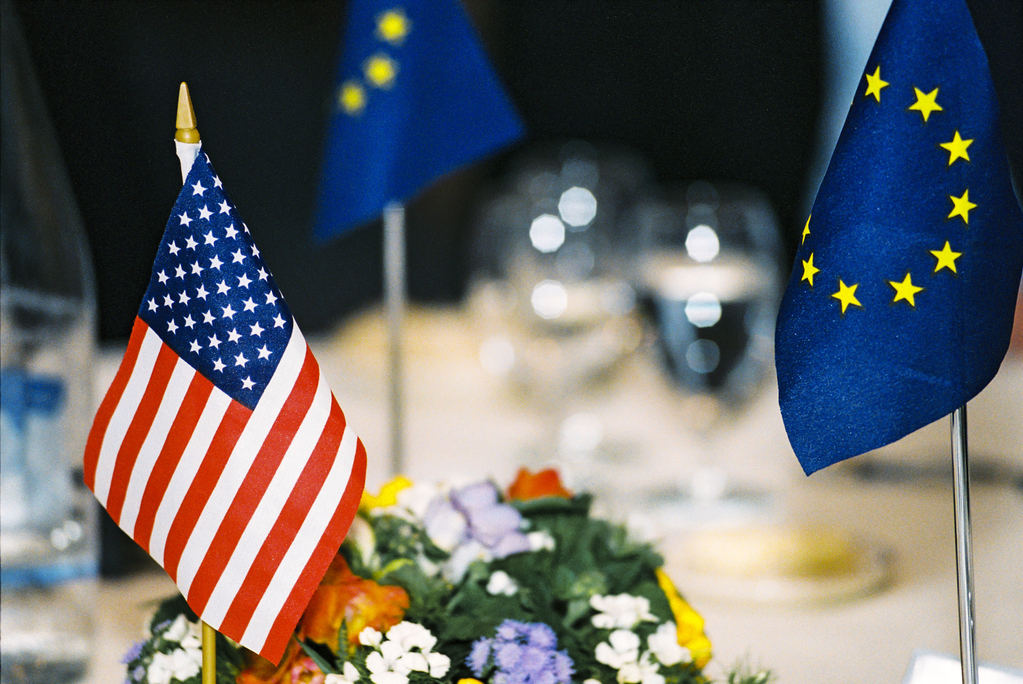
Relations between the EU and US are undergoing tumultuous change. Based on what we know from previous existential crises, the EU will coordinate its response to changing transatlantic relations using informal mechanisms and a pragmatic approach. Stella Ladi argues the EU must now develop a strategy for navigating this unfamiliar environment Read more
Ümit Seven
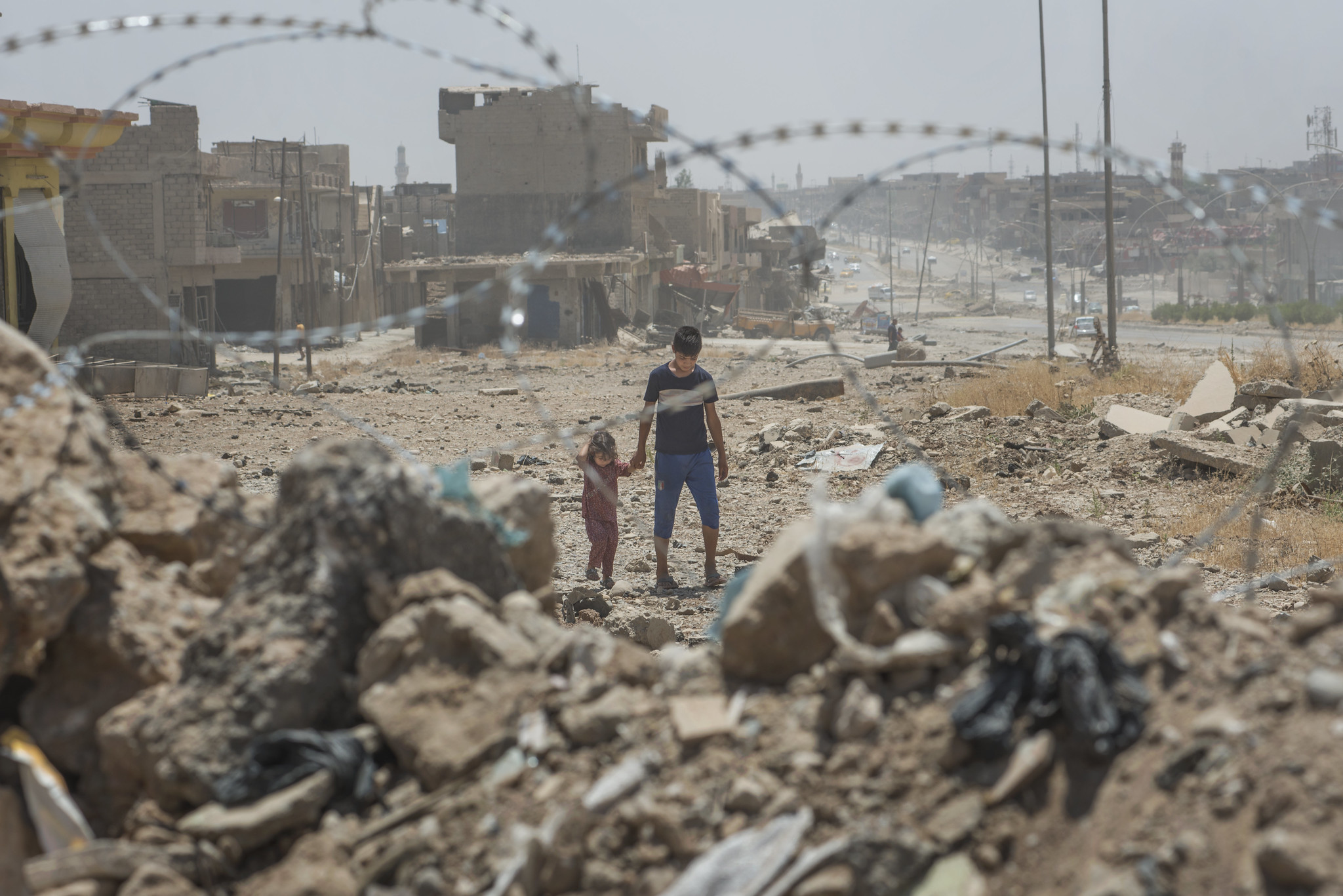
Syrian refugees face multiple challenges in returning to their homeland. The threat of violence may have ended, but the destruction of infrastructure, along with social and economic instability, make return unlikely. Ümit Seven shows how prolonged displacement has led many Syrians to rebuild their lives elsewhere. Many, he argues, have created a 'pragmatic home' in host countries Read more
Morgiane Noel
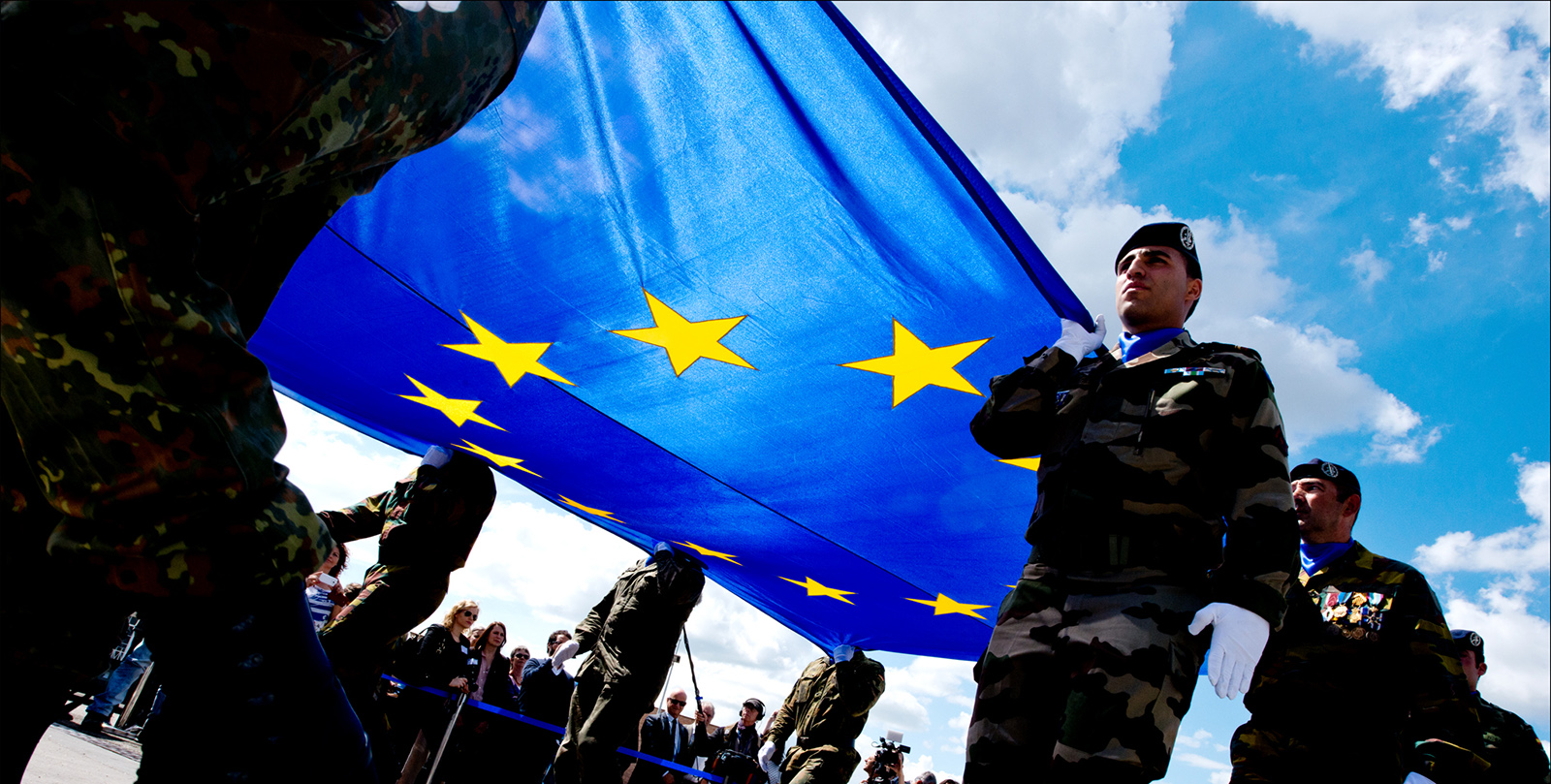
To resist ongoing Russian aggression in Ukraine, the EU must present a united military front. But different member states have different security priorities, and this is proving a challenge. Morgiane Noel argues that to achieve autonomous military alliance, the EU must navigate internal divisions, address external threats, and redefine its global role Read more
Maryna Rabinovych
Maryna Rabinovych argues that Russia’s invasion of Ukraine reshaped EU enlargement dynamics, creating both pressure and opportunity. To sustain momentum, the EU needs a strategic vision and transparent policies. By harnessing wartime spillover effects, the EU can transform reactive measures into structured accession pathways for Ukraine and Moldova Read more
Bruno Sowden-Carvalho
Donald Trump’s pledges to rename the Gulf of Mexico, to rechristen Mount Denali as Mount McKinley, and to ‘take back’ the Panama Canal, are all intended to evoke America’s imperial past. Bruno Sowden-Carvalho analyses how the emotional appeal of sea power and ontological security sheds light on the political psychology behind Trump’s motivations Read more
Luis Schenoni
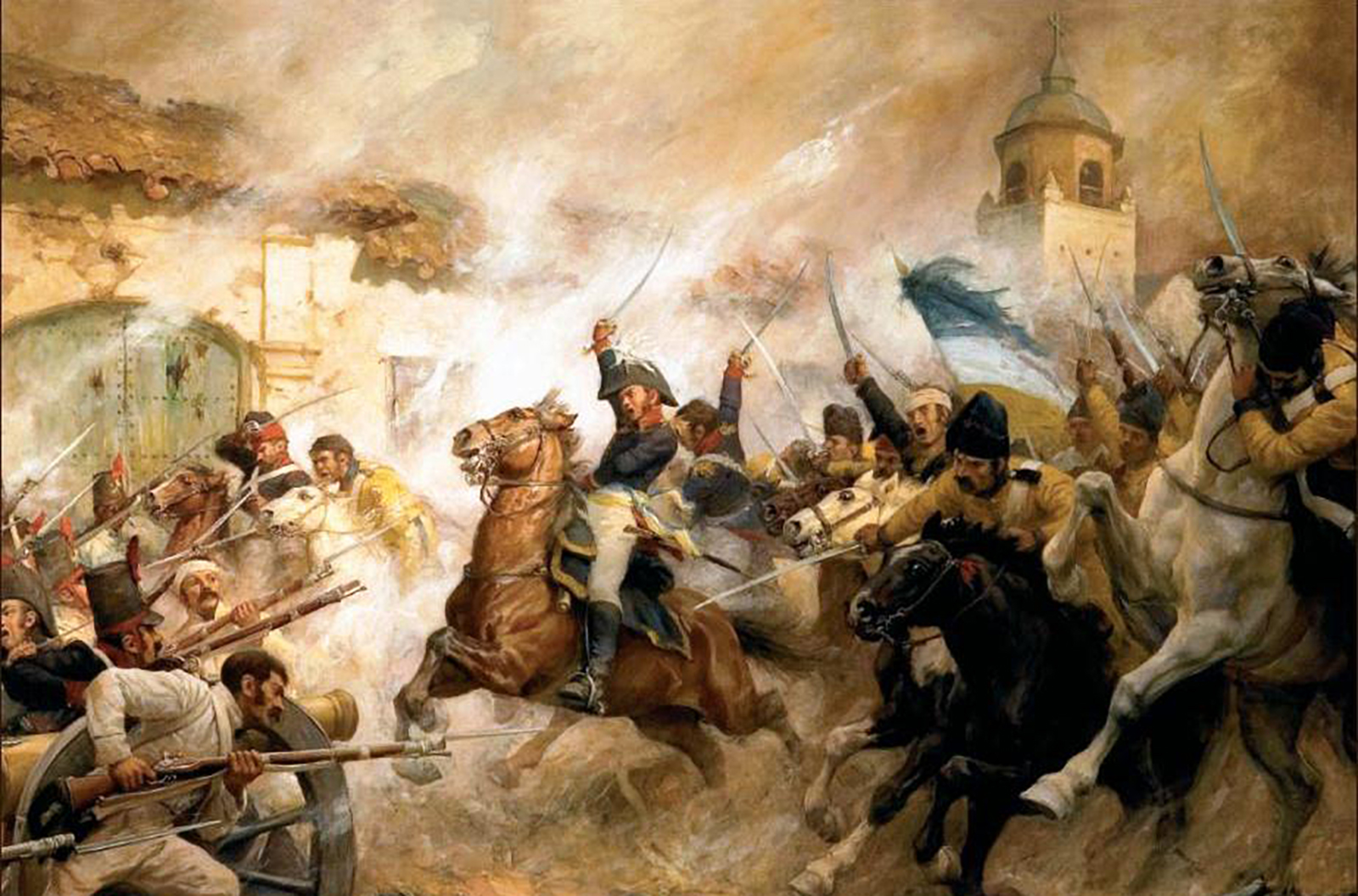
Once the Russia-Ukraine war ends, perceptions of victory and defeat will affect not only the stability of those states' political regimes but the capacity of the state in the long term, says Luis Schenoni. Using examples from nineteenth-century Latin America, he argues that the effects of war outcomes on security and the rule of law will endure for decades Read more
We use necessary cookies to make our site work. We'd also like to set analytics cookies that help us make improvements by measuring how you use the site. These will be set only if you accept.
▼
Strictly Necessary Cookies
Necessary cookies enable core functionality such as security, network management, and accessibility. You may disable these by changing your browser settings, but this may affect how the website functions.
▼
Analytics Cookies
Google Analytics
We'd like to set Google Analytics cookies to help us improve our website by collecting and reporting information on how you use it. The cookies collect information in a way that does not directly identify anyone. For more information on how these cookies work please see our Privacy Notice.