Masaru Nishikawa
Japanese media and academics continue to link populism with specific political positions. Yet studies show that this is not the case. Masaru Nishikawa raises the fundamental question of whether populism exists in Japan Read more
Jack Wippell
Increased cooperation between a subset of far-right street-gangs – Active Clubs – has largely passed under the radar. Jack Wippell argues this constitutes a ‘new’ threat, and draws from research on extremist organisations to explore what might follow. He highlights several limitations in what we know, and calls for immediate collaboration between researchers and practitioners Read more
Gijs Lambrechts
As the intersection between the crisis of representative democracy and the climate crisis grows bigger, Gijs Lambrechts argues that climate action will soon take centre stage in the discourse of the populist radical right Read more
Leonardo Puleo
Labelling populist far right parties as fascist is misleading, write Leonardo Puleo and Gianluca Piccolino. Vague accusations of fascism gloss over the genuine threats the radical right poses to democracy Read more
Robert A. Huber
Populism is often considered to be high among parties with strong anti-immigration positions or Euroscepticism. Robert A. Huber, Michael Jankowski and Christina-Marie Juen argue that not the general left-right position of parties affects their level of populism but that collectivist positions on the parties’ salient issue dimension are crucial Read more
Marcel Lewandowsky
Marcel Lewandowsky argues that much research on populism suffers from that a contextual blind spot: it overlooks the broad variety of illiberal attitudes of which populism is only one variant. Here, he calls for more research on this ‘invisible coalition’ of illiberal attitudes Read more
Vlad Surdea-Hernea
Far-right populist parties have become crucial actors in shaping domestic policymaking across European democracies. Vlad Surdea-Hernea argues that populists have sensed an opportunity in the increasing salience of climate change. They have turned their attention towards limiting ambitious climate policy, thereby impeding or even reversing pro-environmental progress Read more
Proma Raychaudhury
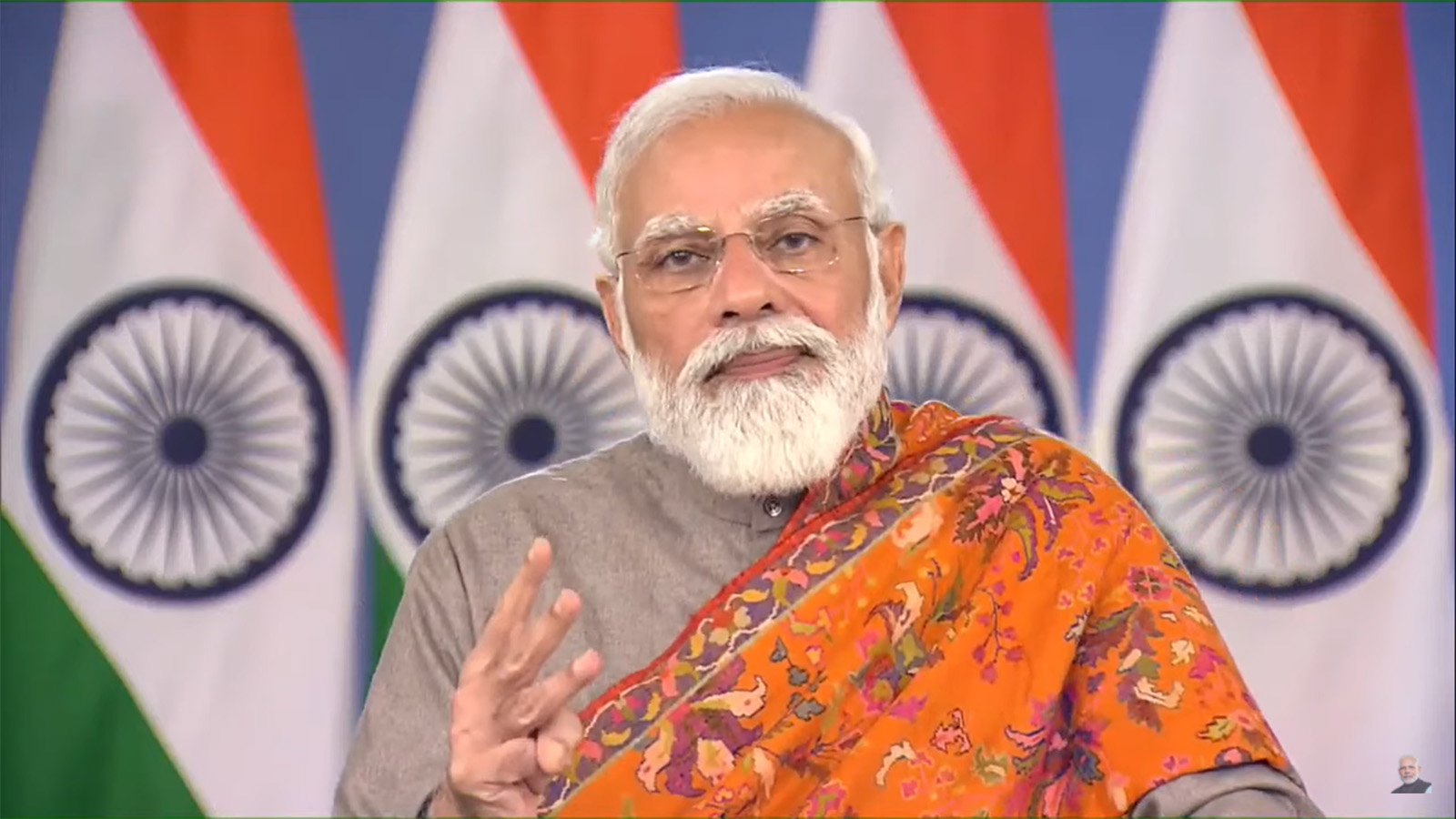
Focusing on Narendra Modi’s populist leadership in India, Proma Ray Chaudhury argues that displays of vulnerability by strongman populist leaders can offer insights into the resilience of populist regimes Read more
We use necessary cookies to make our site work. We'd also like to set analytics cookies that help us make improvements by measuring how you use the site. These will be set only if you accept.
▼
Strictly Necessary Cookies
Necessary cookies enable core functionality such as security, network management, and accessibility. You may disable these by changing your browser settings, but this may affect how the website functions.
▼
Analytics Cookies
Google Analytics
We'd like to set Google Analytics cookies to help us improve our website by collecting and reporting information on how you use it. The cookies collect information in a way that does not directly identify anyone. For more information on how these cookies work please see our Privacy Notice.