Tutku Zengin
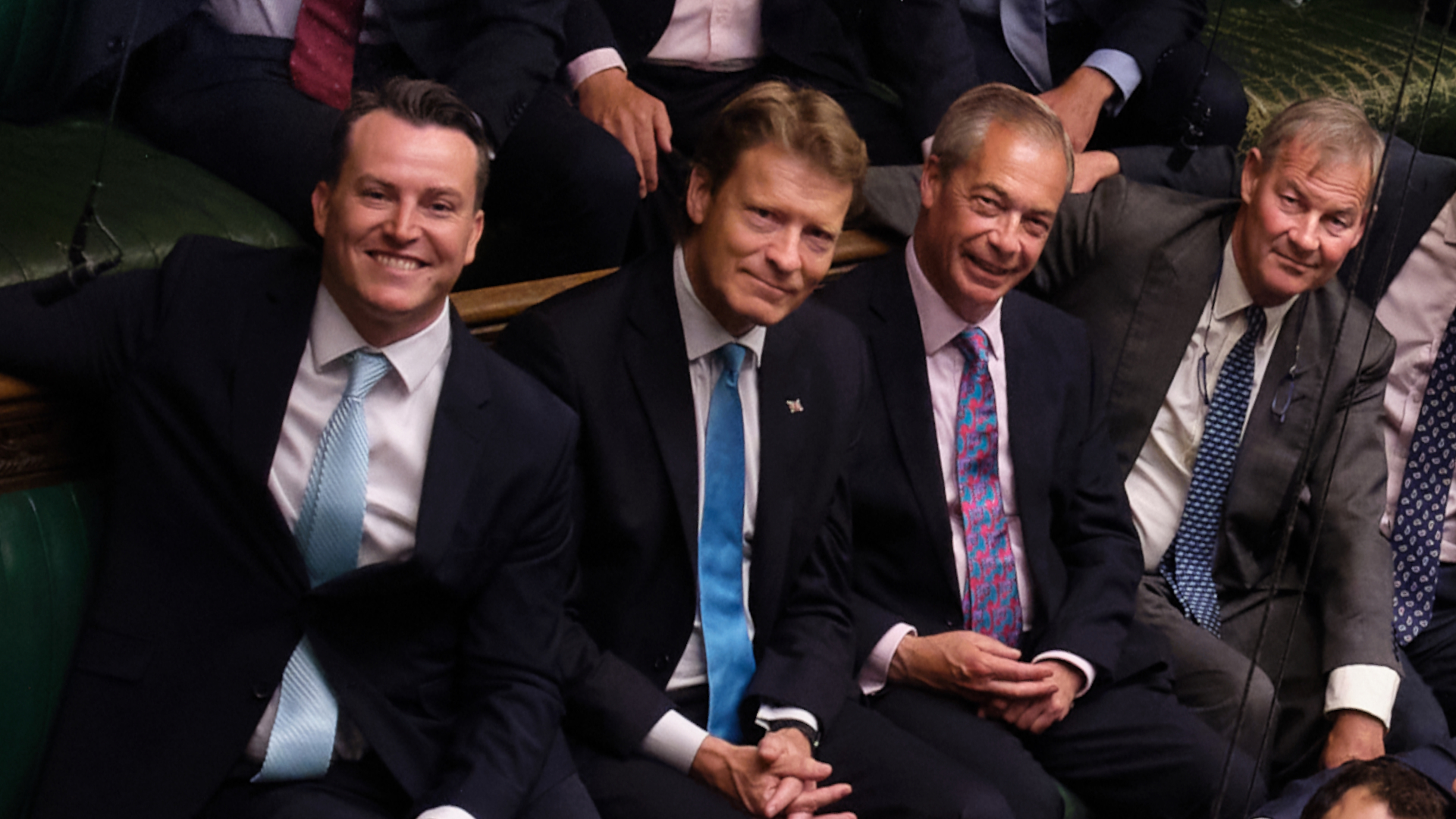
Nigel Farage, the leader of Reform UK, dominates headlines as the face of the party’s populism. However, Tutku Zengin's analysis of 1,108 statements from all five Reform UK parliamentarians elected in the 2024 general election reveals that Farage is not the most populist among elected Reform UK politicians Read more
David Pimenta
David Pimenta argues that the logic behind the 'broken windows' theory – that visible disorder encourages crime – is still with us. Today, however, it has been transformed and absorbed into contemporary illiberal populism, where cultural breakdown plays a central role in mobilising support and reshaping debates about authority and liberal democracy Read more
Katharina Tittel
In social media, while documenting what gets said is important, understanding who posts which sources to raise their visibility is also key. Katharina Tittel, William Allen, and Pedro Ramaciotti use immigration in France to show how far-right users of X cite sources strategically to achieve their goals Read more
Anitta Kynsilehto
Chile has elected extreme-right candidate José Antonio Kast as its new president. His victory, argues Anitta Kynsilehto, may reflect a broader process of rewriting political memory in the post-dictatorship era, suggesting that Chileans' memories of 'never again' moments are beginning to fade Read more
Endre Borbáth
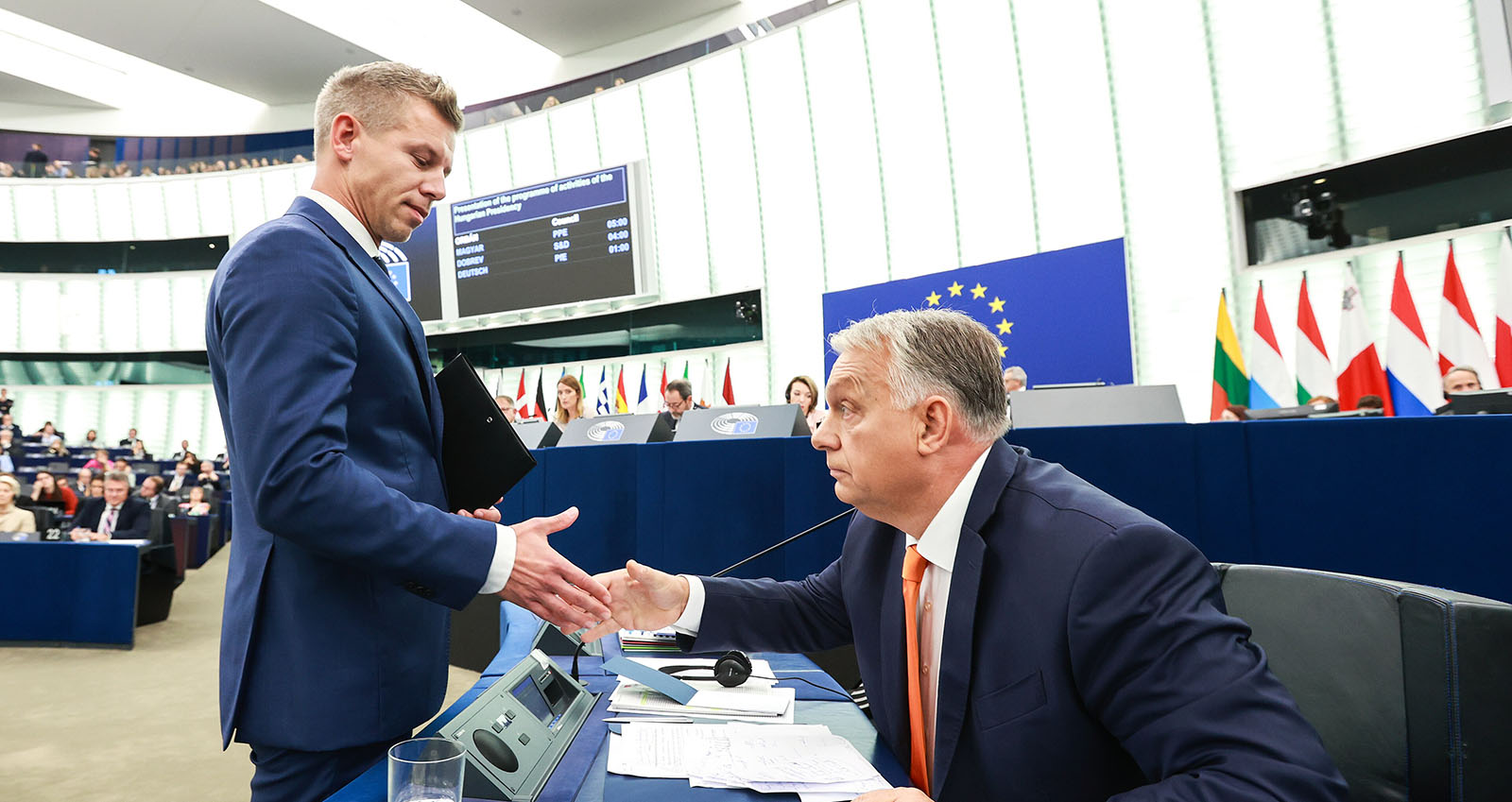
Endre Borbáth argues that Tisza’s breakthrough in Hungary was not simply the product of anti-incumbent anger or Péter Magyar’s personal appeal. It rested on a combination of cross-cutting grievances, participatory organisation, and intensive campaigning that turned a new party into a credible vehicle for regime change Read more
We use necessary cookies to make our site work. We'd also like to set analytics cookies that help us make improvements by measuring how you use the site. These will be set only if you accept.
▼
Strictly Necessary Cookies
Necessary cookies enable core functionality such as security, network management, and accessibility. You may disable these by changing your browser settings, but this may affect how the website functions.
▼
Analytics Cookies
Google Analytics
We'd like to set Google Analytics cookies to help us improve our website by collecting and reporting information on how you use it. The cookies collect information in a way that does not directly identify anyone. For more information on how these cookies work please see our Privacy Notice.