Odelia Oshri
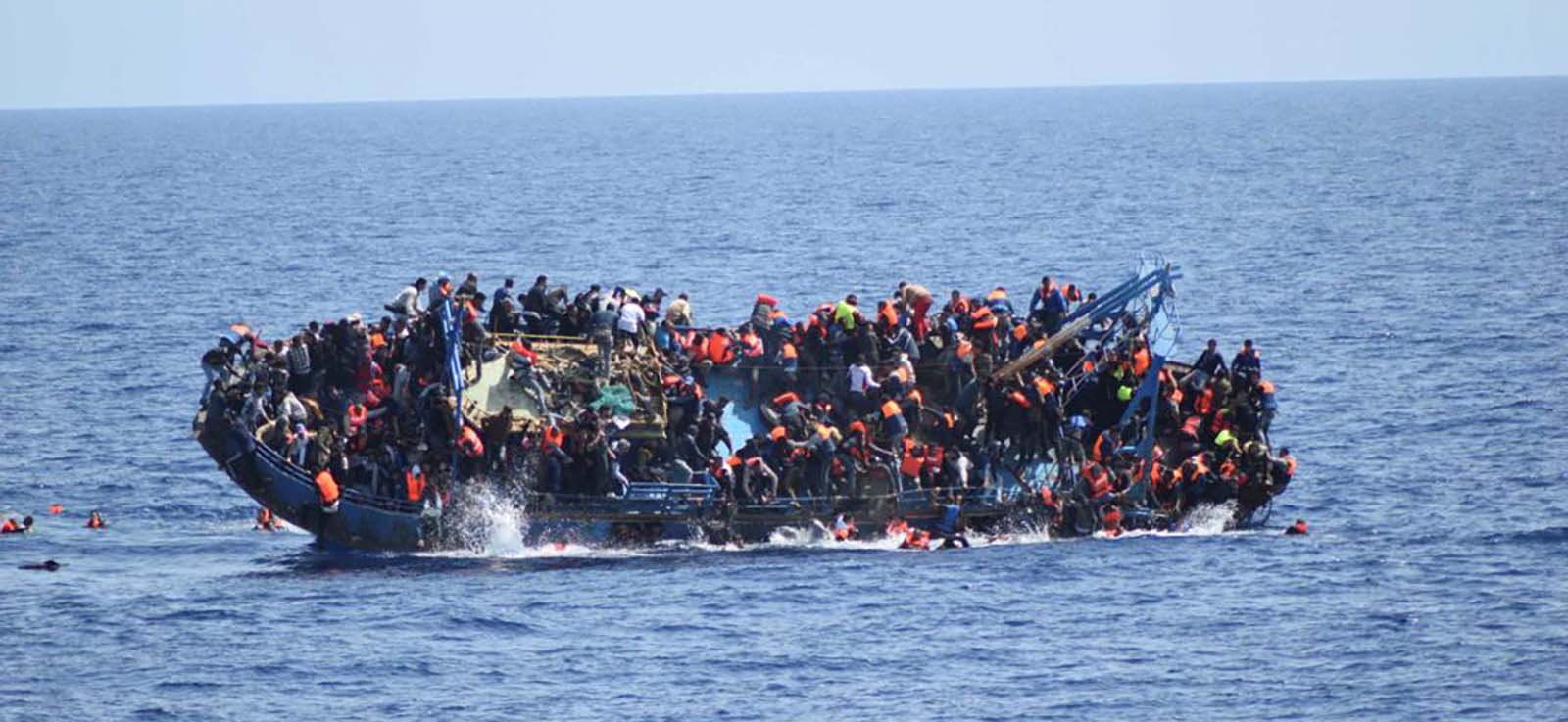
How do national stories shape voting behaviour? Odelia Oshri, Eran Amsalem, and Shaul Shenhav reveal that voters who view their nation through an exclusionary lens are more likely to support populist radical-right parties, especially those marginalised in society. Their findings highlight the powerful role of national narratives in driving political polarisation. Read more
Jacob Wentz
Jacob Wentz analyses populist rhetoric and communication strategies in the election campaigns of Donald Trump and Giorgia Meloni. Both leaders adopt similar approaches, criticising traditional media, personalising politics, and using language that marginalises immigrants and the LGBTQ+ community. We should not, he argues, underestimate the power of their rhetoric. Read more
João Miguel de Carvalho
The media is not a neutral actor in immigration debates. It shapes how much we think about immigration but not our positions towards it, write João Carvalho, Mariana Carmo Duarte and Didier Ruedin Read more
William Allen
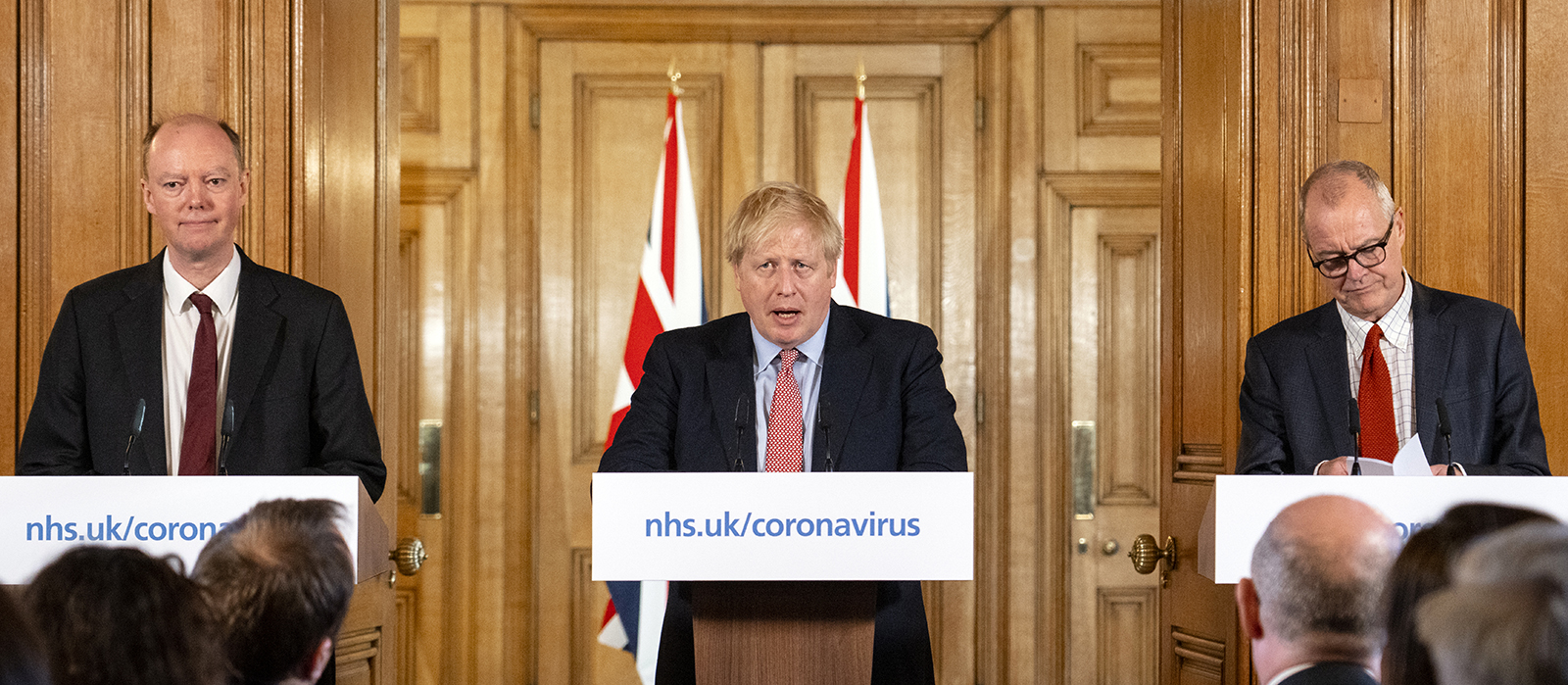
During the first wave of Covid-19, the UK government showed a chart plotting the country's mortalities against other high-income countries. They kept on showing it, until it revealed the UK to be the worst in Europe, at which point the slide disappeared. William Allen and Kristoffer Ahlstrom-Vij argue that visual comparisons are an important lever through which politicians and media can change public perceptions Read more
Lone Sorensen
Lone Sorensen argues we should pay close attention to political communication in the study of populism. Particularly important is how populist ideology and performance interact in the creation of meaning, how populists adapt their communications to various media, and how they talk about political communication as a democratic deficit Read more
Clara Juarez Miro
Supporters of populist parties endorse rhetoric that antagonises the press, yet they are also avid consumers of news. Clara Juarez Miro explores populist supporters' paradoxical relationship with journalism. Her research shows how central are emotion and social identities to populist supporters’ worldviews – and this shapes their perspectives on journalism Read more
Isabel Inguanzo
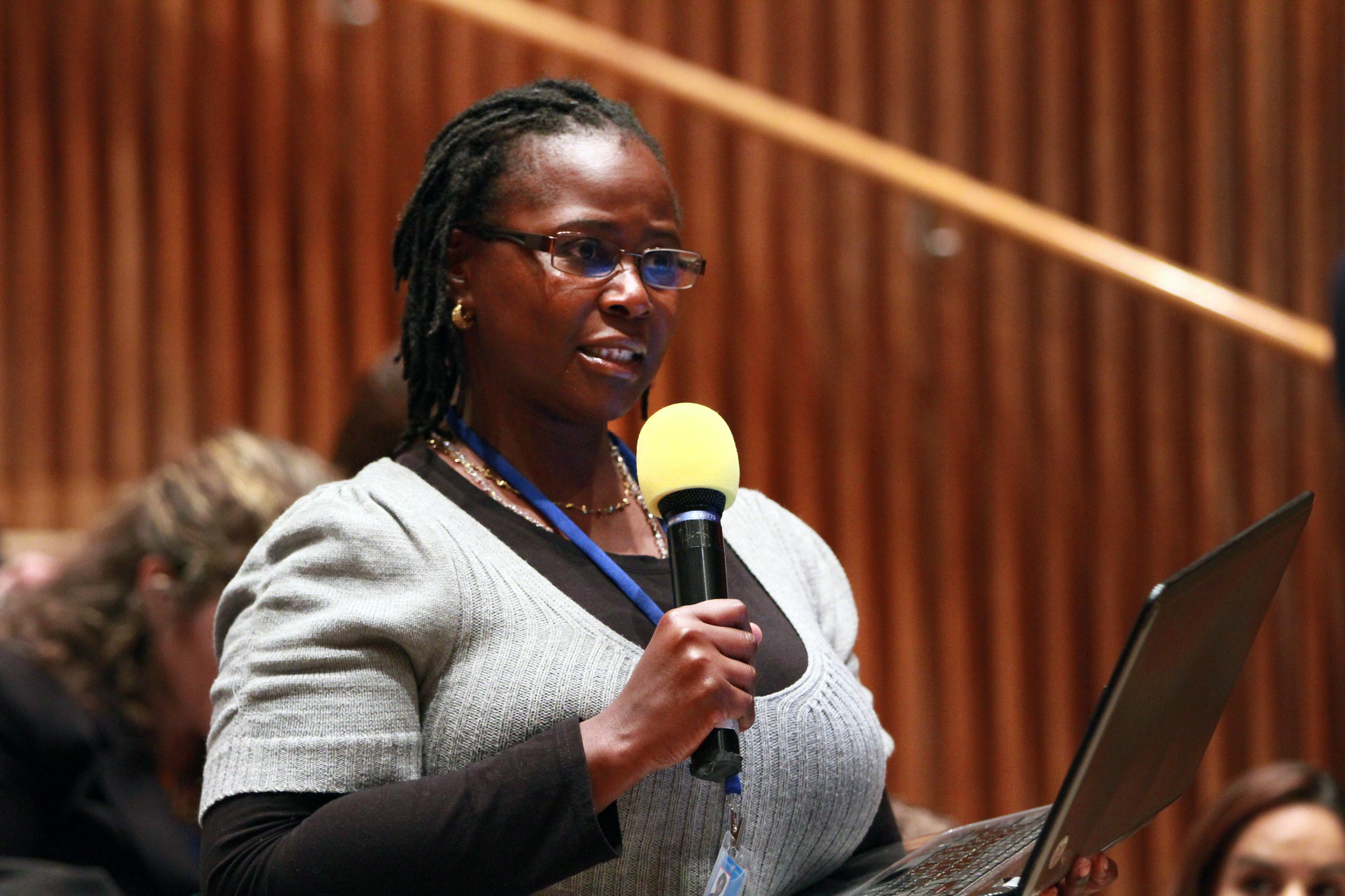
Sexist attitudes affect the credibility of statements on gender (in)equality. However, Isabel Inguanzo, Hugo Marcos-Marné, Araceli Mateos and Homero Gil de Zúñiga argue that the gender and expertise of the source of the message interact with these attitudes. Here, the authors suggest possible improvements to communication strategies in gender equality campaigns Read more
José Javier Olivas Osuna
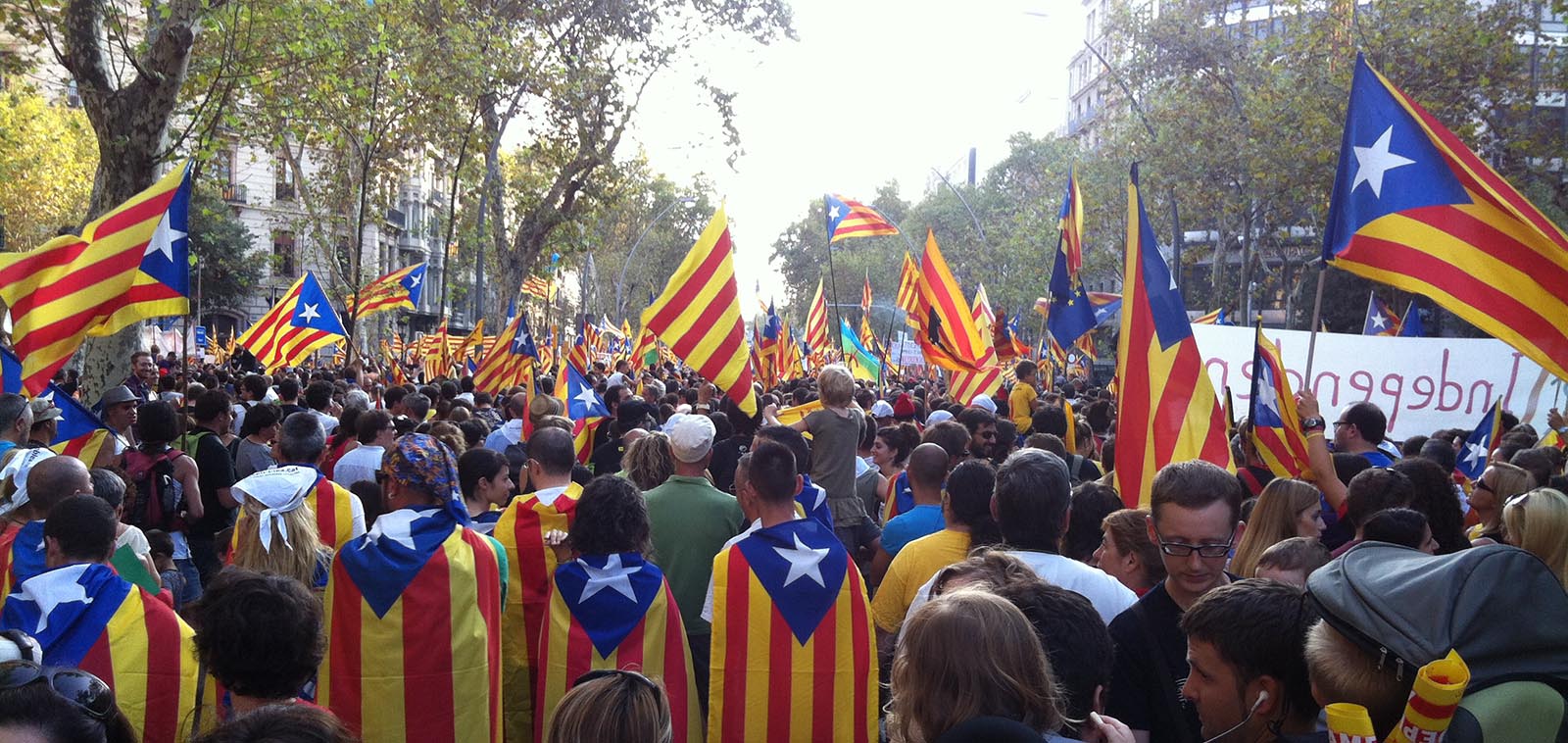
Political struggles, such as the Catalan secessionist movement, alter and shape the meaning of political concepts, writes José Javier Olivas Osuna Read more
We use necessary cookies to make our site work. We'd also like to set analytics cookies that help us make improvements by measuring how you use the site. These will be set only if you accept.
▼
Strictly Necessary Cookies
Necessary cookies enable core functionality such as security, network management, and accessibility. You may disable these by changing your browser settings, but this may affect how the website functions.
▼
Analytics Cookies
Google Analytics
We'd like to set Google Analytics cookies to help us improve our website by collecting and reporting information on how you use it. The cookies collect information in a way that does not directly identify anyone. For more information on how these cookies work please see our Privacy Notice.