Hira Yousaf
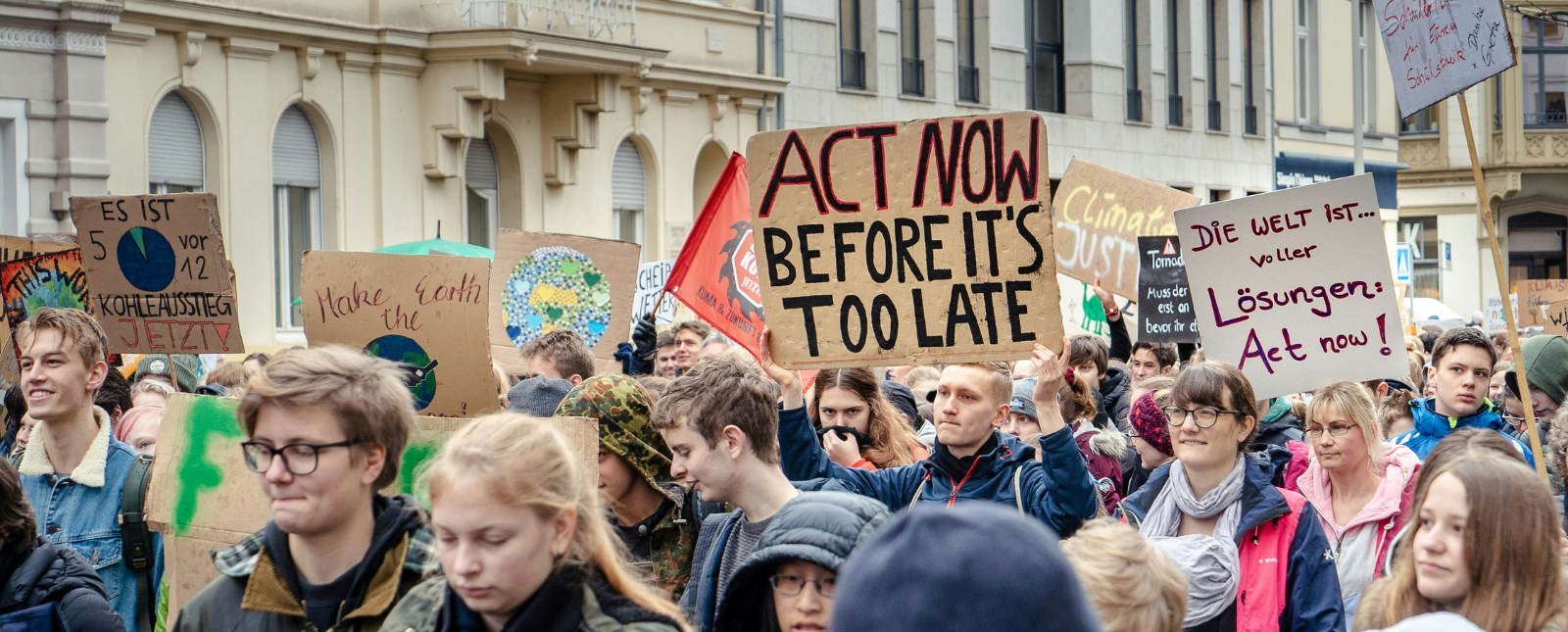
Hira Yousaf finds that political participation and good governance move together across countries, but that link mostly disappears within countries over time. The gap matters for anyone hoping that civic engagement reforms will, on their own, improve how governments actually perform Read more
Adam Kola
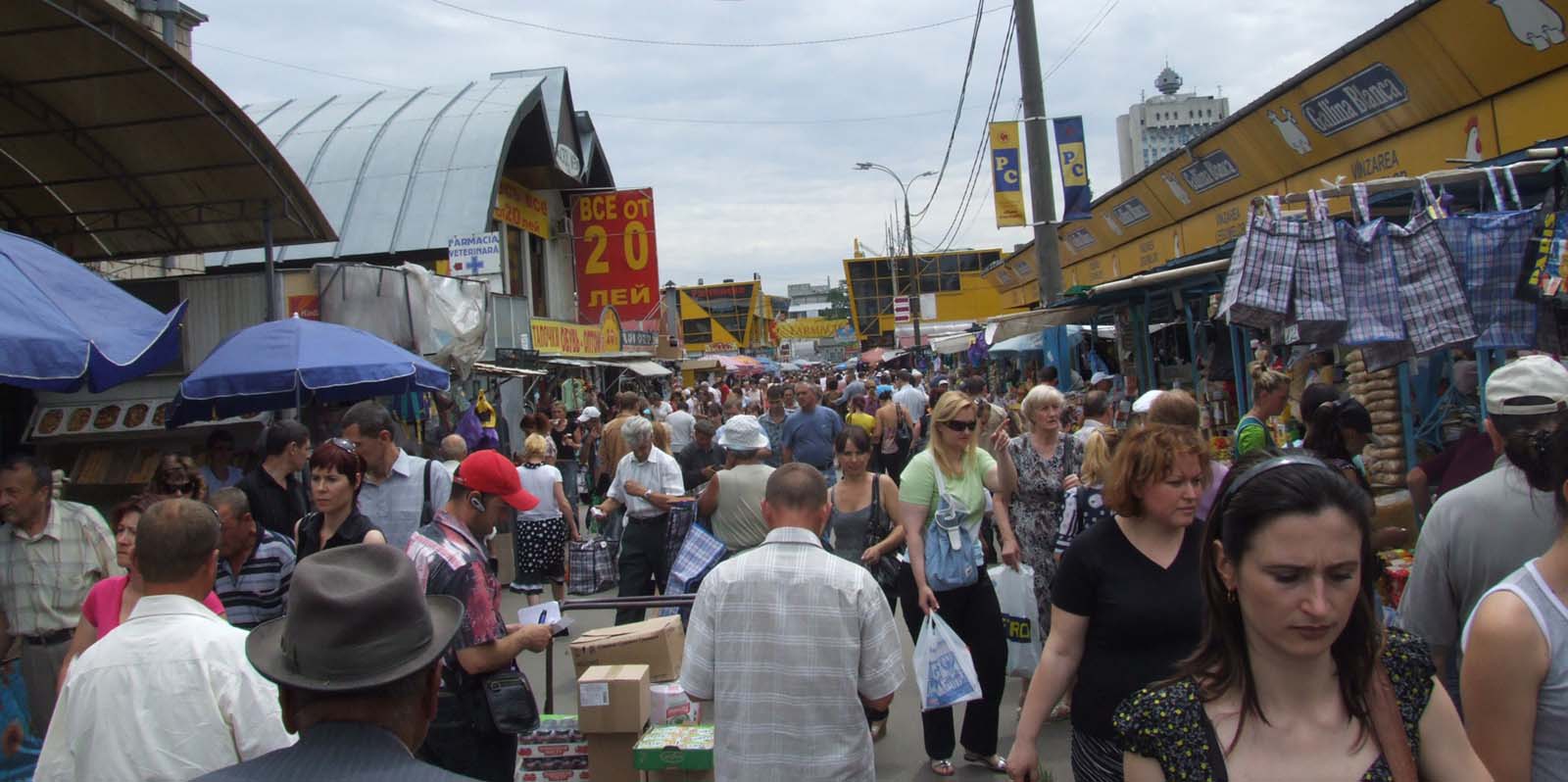
EU institutions, policymakers and many expert debates often frame enlargement as a test for candidate countries. Adam Kola argues that it is equally a test for the European Union. The accession of Ukraine, Moldova and the Western Balkans will also reshape the EU by forcing it to reform and redefine itself Read more
Aliyu Muhammadsunusi Ubangida
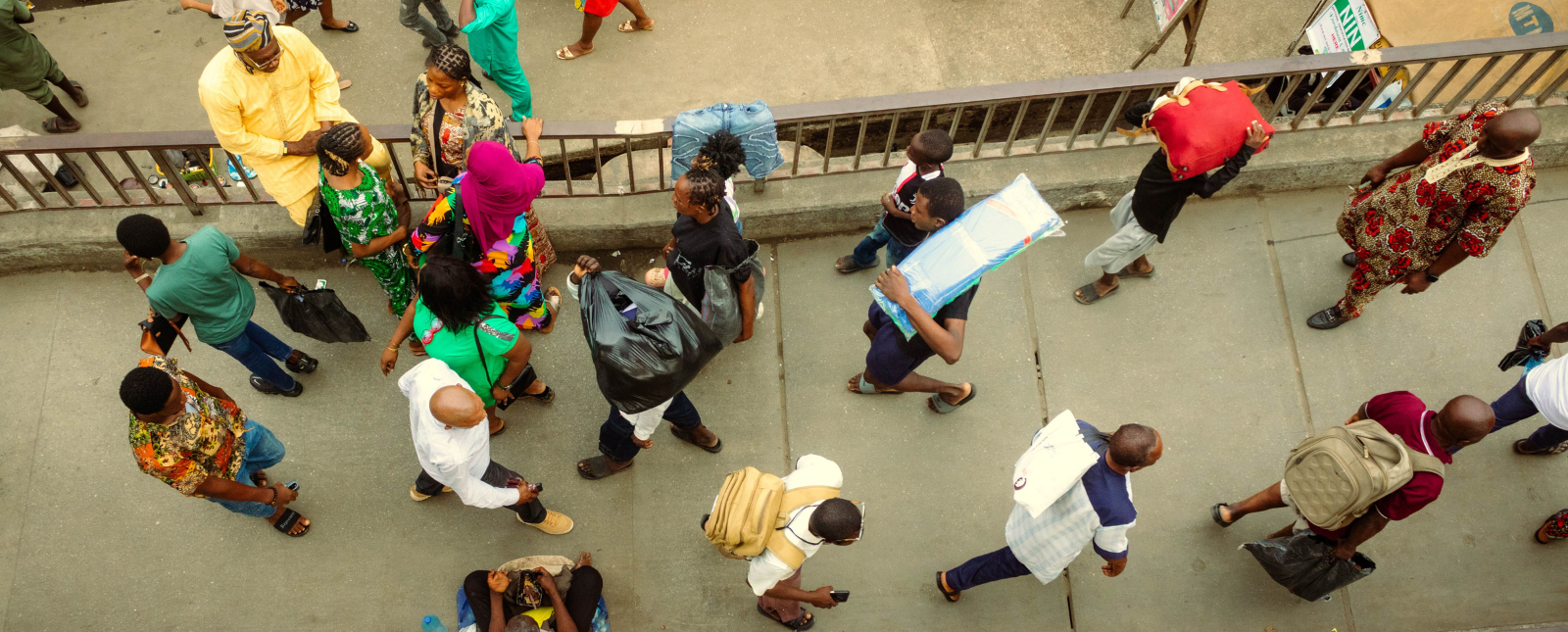
As Nigeria approaches its 2027 general elections, Aliyu Muhammadsunusi Ubangida argues Nigeria's deeper democratic problem appears after voting ends. Trust falls when citizens cannot reach representatives, track complaints, or see institutions respond. Closing this gap requires a clear response chain between citizens and the people elected to serve them Read more
Amir Alecperov
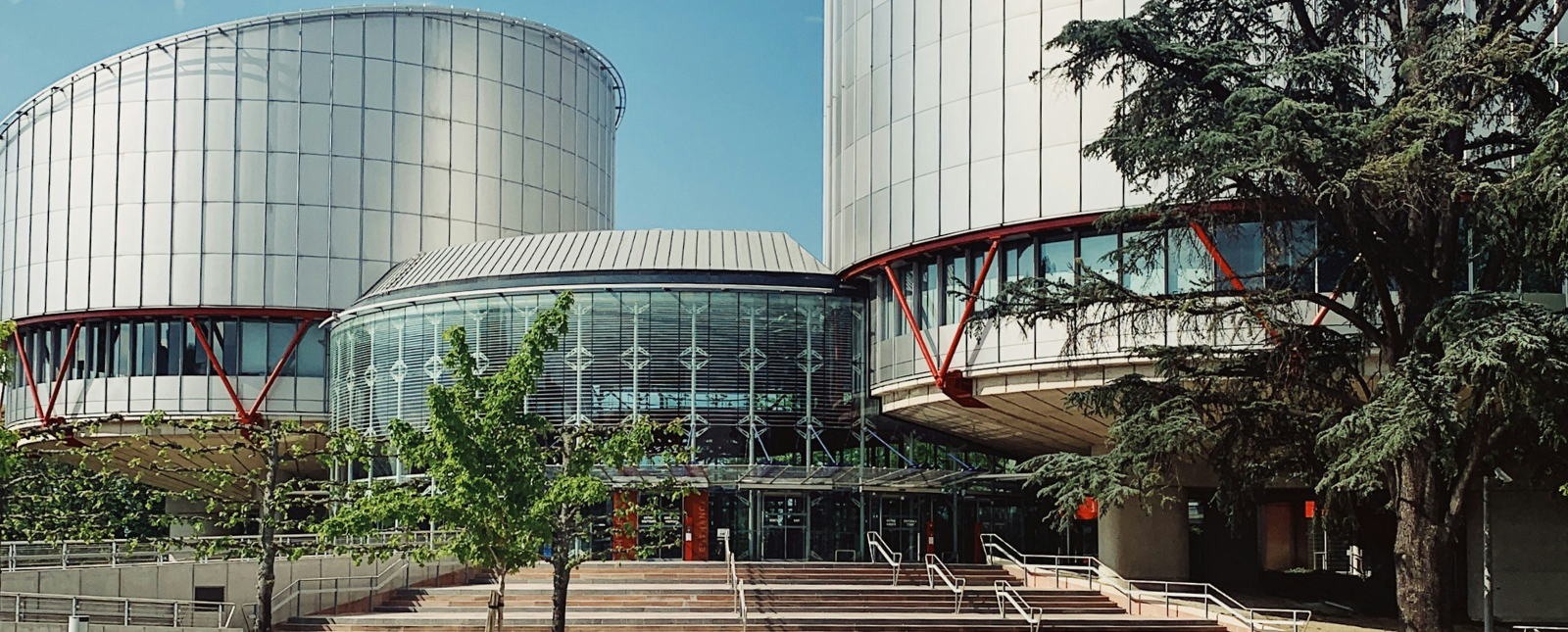
Amir Alecperov argues that militant democracy – the principle that a democracy may lawfully limit certain democratic rights to protect democratic constitutional order – is not only compatible with EU law but urgently necessary. Romania’s post-1989 legal framework offers a tested model. Moldova is applying it in real time Read more
Gusta Harris
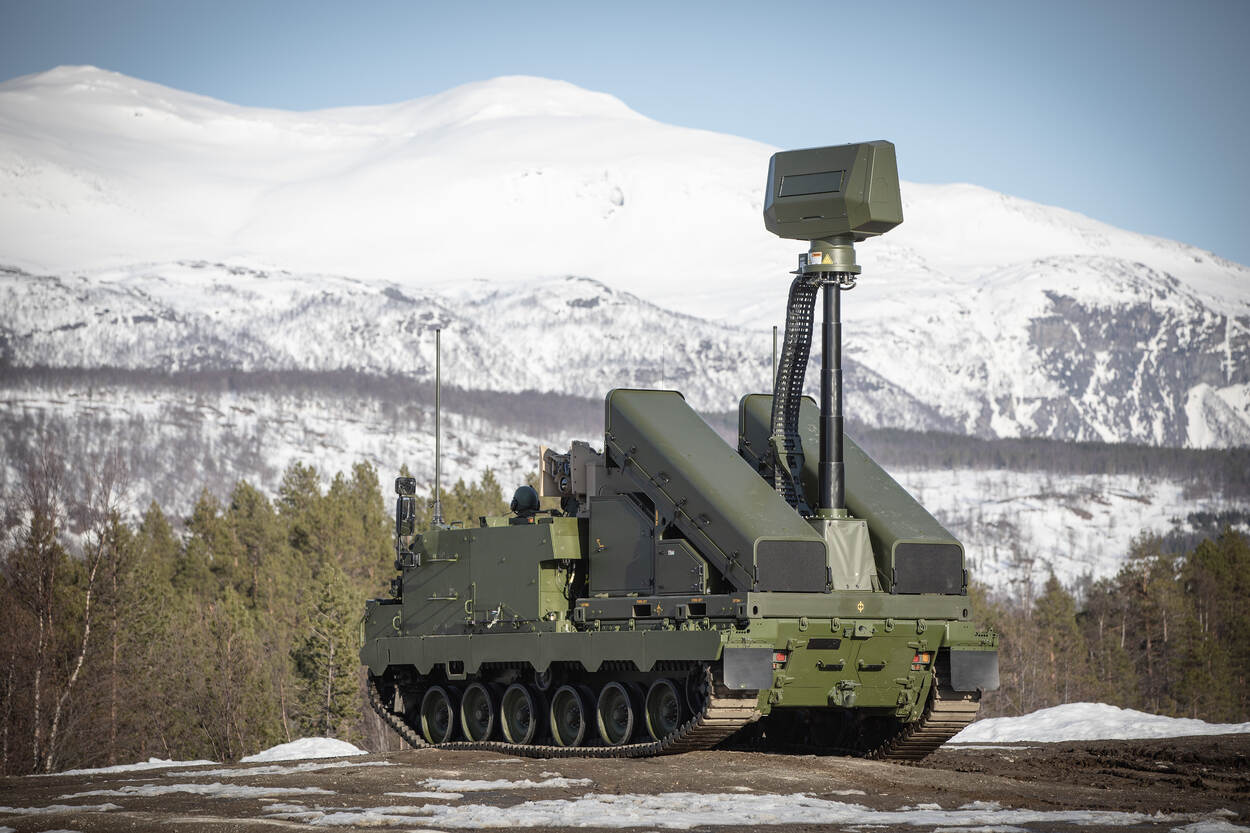
Long celebrated as a global humanitarian donor, Norway is now being pulled towards prioritising Europe’s front line, writes Gusta Harris. Russia’s war on Ukraine has not simply redirected Oslo’s aid, rhetoric, and defence priorities – it has started to change Norway’s international role. As military support for Kyiv grows and global aid budgets come under pressure, Norway faces a new dilemma: how to become a 'Good European' without losing its 'Good Samaritan' role Read more
Martino Comelli
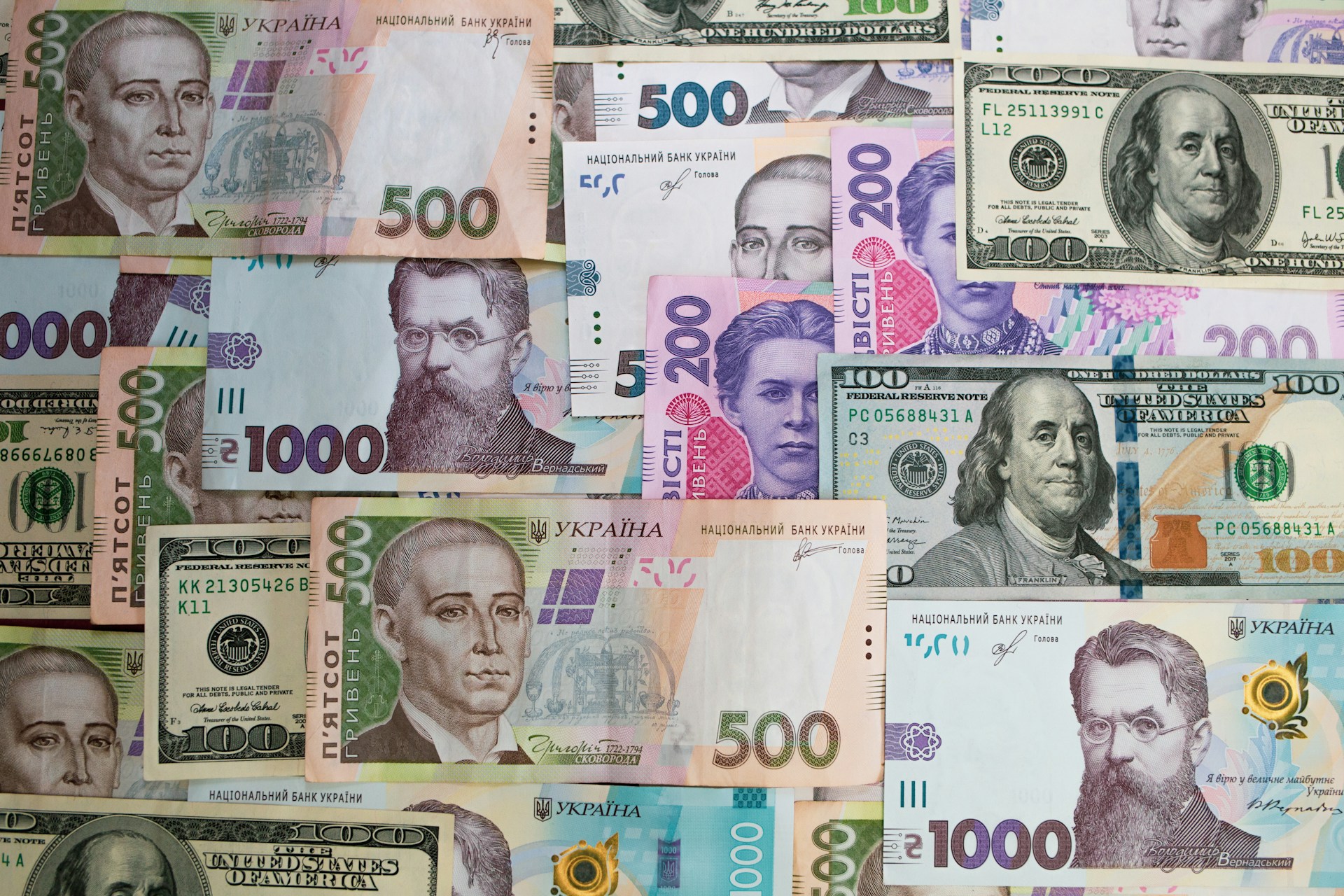
Advanced economies did not simply abandon capital controls after the 1944 Bretton Woods Agreement. Martino Comelli and Pedro Perfeito Da Silva show that welfare states quietly took over their job. Countries that protect workers can afford open financial borders. Countries that spend mainly on pensioners still police the movement of money Read more
Tomas Caprara
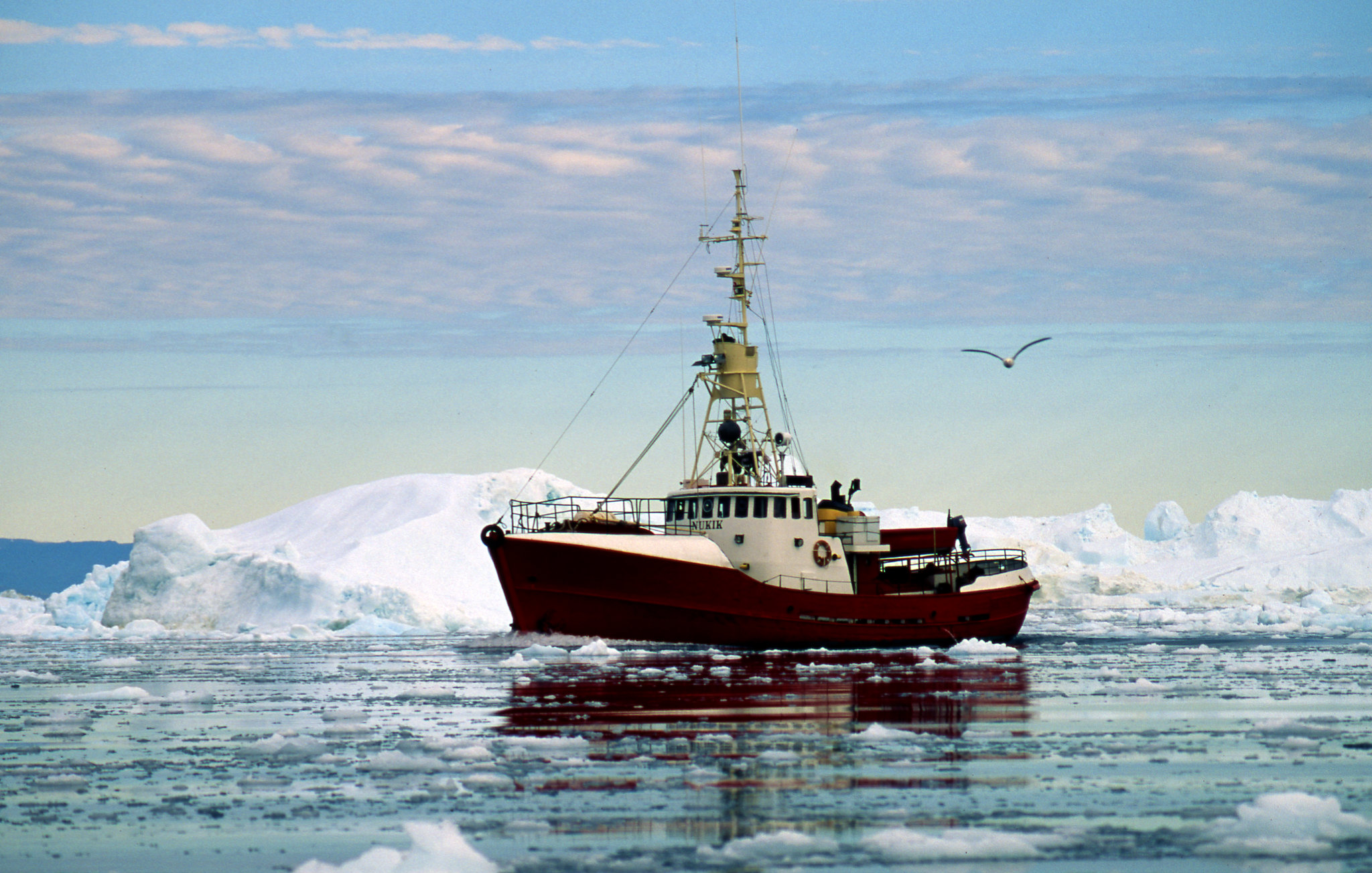
The European Union is missing a strategic opportunity to expand its Northern borders, says Tomas Caprara. Before the August referendum in Iceland, Brussels should show openness towards exceptions on fisheries, the thorniest issue for the Union’s Northern neighbours Read more
Thies Niemeier
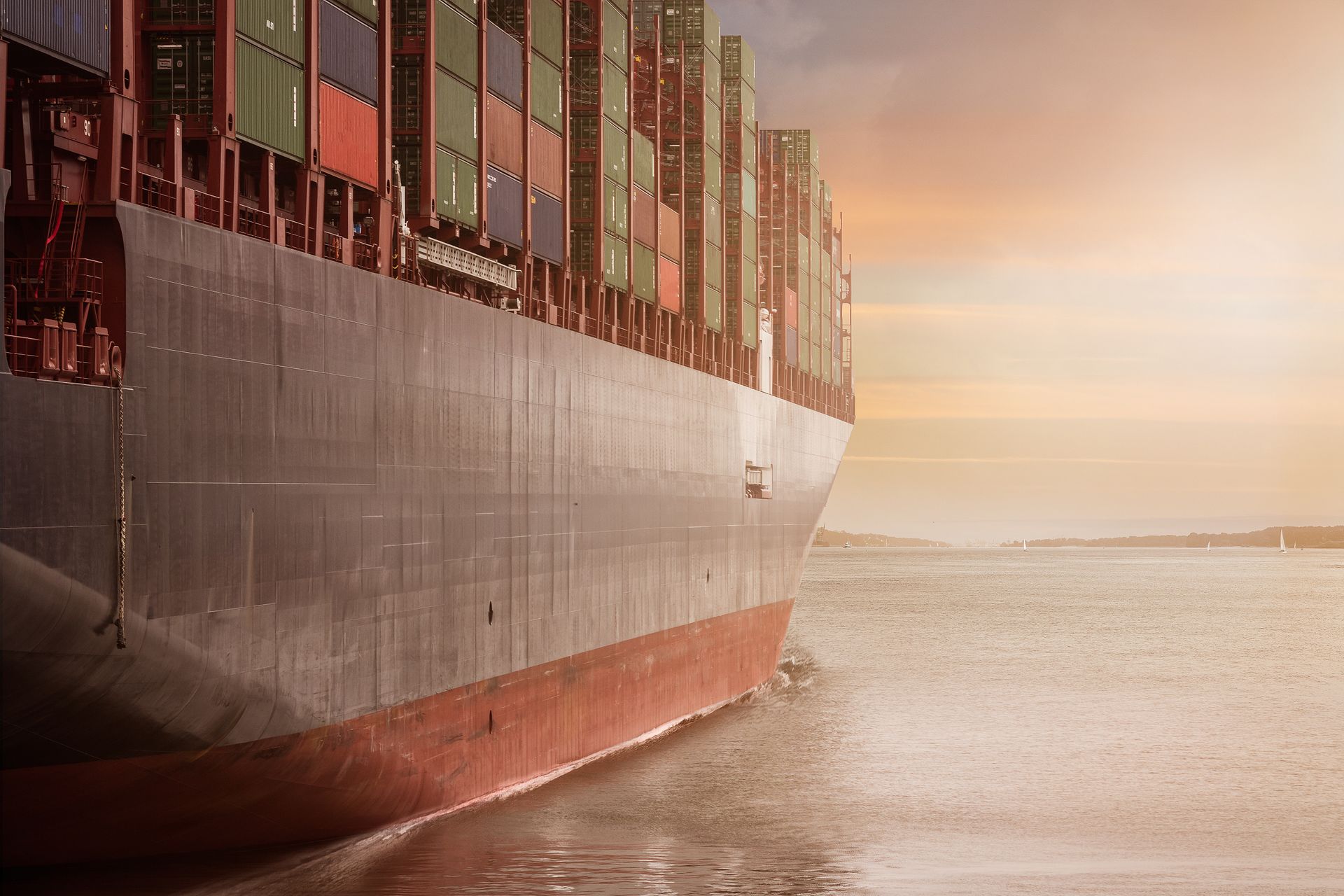
Is the global economy being weaponised at an unprecedented scale? Analysing decades of global trade and globalisation data, Thies Niemeier argues no. Sanctions have certainly grown more frequent and complex, but only to keep pace with a massive explosion in global integration Read more
We use necessary cookies to make our site work. We'd also like to set analytics cookies that help us make improvements by measuring how you use the site. These will be set only if you accept.
▼
Strictly Necessary Cookies
Necessary cookies enable core functionality such as security, network management, and accessibility. You may disable these by changing your browser settings, but this may affect how the website functions.
▼
Analytics Cookies
Google Analytics
We'd like to set Google Analytics cookies to help us improve our website by collecting and reporting information on how you use it. The cookies collect information in a way that does not directly identify anyone. For more information on how these cookies work please see our Privacy Notice.